Complete Guide to Koami Shrine | A Hidden Power Spot in Nihonbashi Known for Good Fortune, Protection from Evil, and Tokyo’s Money-Washing Benzaiten
Located in Koami-cho, Nihonbashi, Chuo-ku, Tokyo, Koami Shrine, though small in scale, is one of Tokyo’s leading power spots, known for its divine blessings of “good fortune and protection from evil.” This shrine, which miraculously survived two major disasters—the Great Kanto Earthquake and the Tokyo air raids—and boasts the astonishing anecdote of all soldiers who attended the departure ceremony during World War II returning safely, is bustling with many worshippers every day.
This article comprehensively introduces all the information you need to know before visiting Koami Shrine, including its history, enshrined deities, blessings, offerings, worship methods, and access information.
History and Origins of Koami Shrine
Origin of its Founding
The history of Koami Shrine dates back to the Muromachi period. In Bunsho 1 (1466), a plague was rampant in the area, causing suffering to many people. It is said that when the head priest invited Inari Okami (the god of rice) and prayed, the plague subsided and the people were saved. A legend remains that a white snake holding rice stalks appeared in the head priest’s dream at this time, and this is considered the origin of the founding of Koami Shrine.
Development during the Edo Period
During the Edo period, Nihonbashi developed significantly as the commercial center of Edo. Koami Shrine also became the tutelary shrine of the area and was deeply revered by the local people. It particularly attracted deep devotion from merchants praying for business prosperity and family safety.
Miracles of the Great Kanto Earthquake and the Tokyo Air Raids
Koami Shrine became widely known as a shrine of “good fortune and protection from evil” due to the miraculous events of surviving two major disasters.
During the Great Kanto Earthquake of 1923, the shrine buildings escaped collapse, and all those who evacuated carrying the sacred object were safe. Furthermore, during the Great Tokyo Air Raid of March 10, 1945, while the surrounding area was reduced to rubble, the grounds of Koami Shrine miraculously escaped destruction.
There is also an anecdote that all soldiers who held a farewell ceremony at Koami Shrine during World War II returned safely. These events led to the widespread recognition of the shrine’s divine power for “good fortune and protection from evil.”
Current Shrine Building
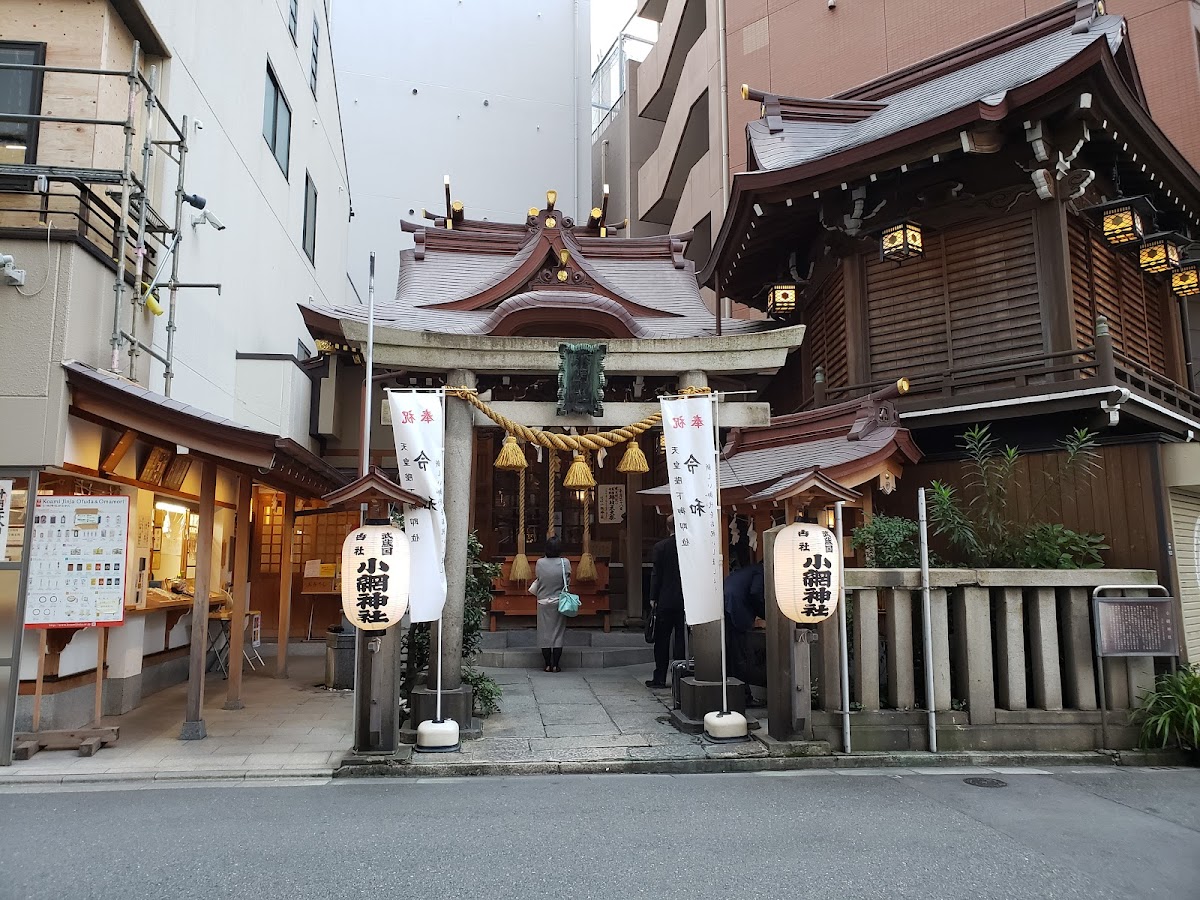
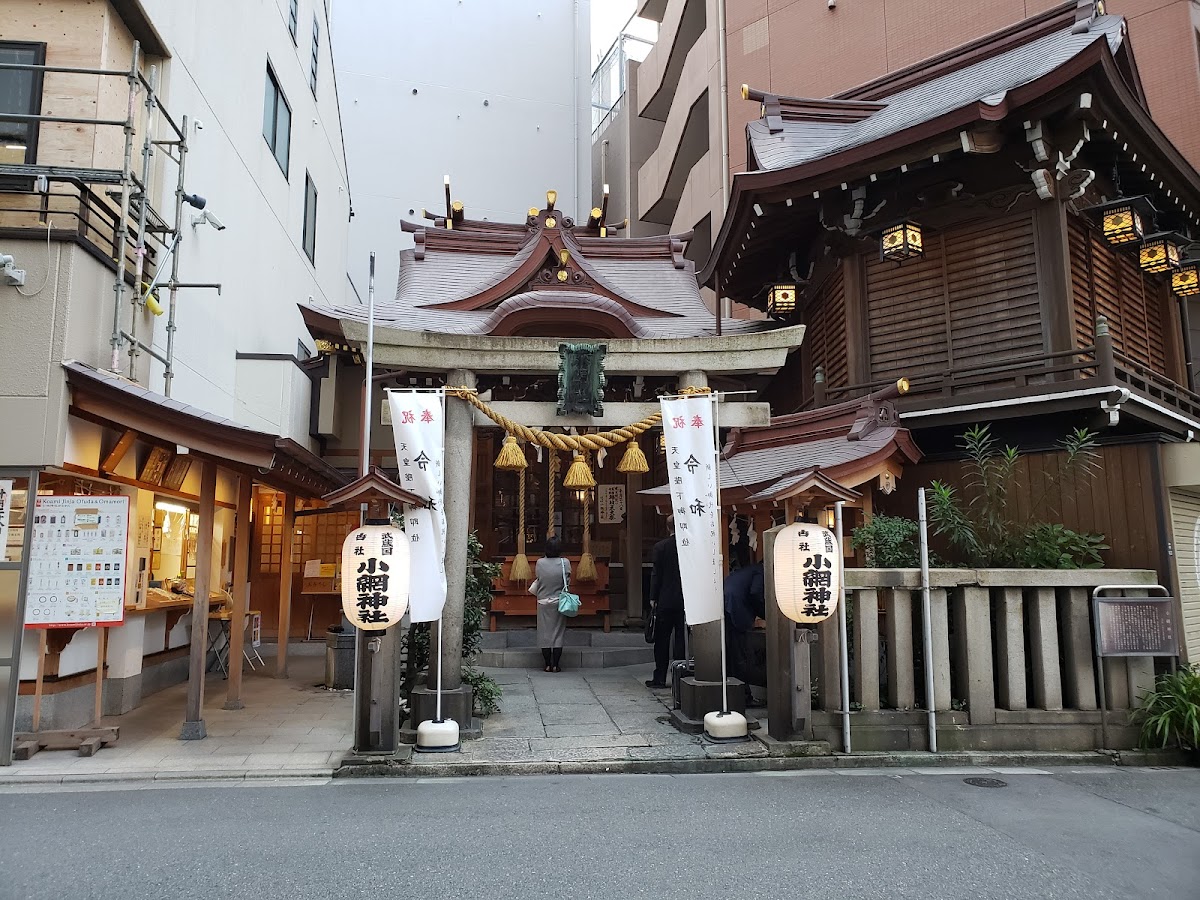
The current shrine building was constructed in 1929 and is characterized by the intricate carvings found throughout the front of the porch. The shrine building and Kagura-den (sacred dance hall) were designated as tangible cultural properties of Chuo Ward on April 1, 1991, and are protected as buildings of high historical and cultural value.
Deities and Benefits
Main Deity
The main deity of Koami Shrine is Ukanomitama-no-kami. Ukanomitama-no-kami is another name for Inari-no-kami, and is widely worshipped as the god of abundant harvests, business prosperity, and industrial development.
Benzaiten
Within the shrine grounds is a Benzaiten shrine dedicated to Ichikishima-hime-no-kami. Ichikishima-hime-no-kami is a deity often identified with Benzaiten and is known as “Tokyo Money-Washing Benzaiten.” Benzaiten is worshipped as the goddess of wealth, performing arts, and wisdom, and is particularly popular among worshippers seeking improved financial fortune.
Benefits
The main benefits of Koami Shrine are as follows:
- Good Fortune and Protection from Evil: Due to the miracle of escaping two major disasters, the shrine is believed to have particularly strong divine power to ward off evil and misfortune.
- Increased Financial Luck: Washing money at Tokyo Zeniarai Benten is expected to improve financial luck and wealth.
- Business Prosperity: Due to the divine power of Ukanomitama-no-kami, it is recommended for those who wish for business development and prosperity.
- Fulfillment of Wishes: It is believed to have the power to grant various wishes.
- Health and Longevity: Due to its history of calming epidemics, it is also beneficial for prayers for good health.
Highlights of the Shrine Grounds
Torii Gate and Shrine Building
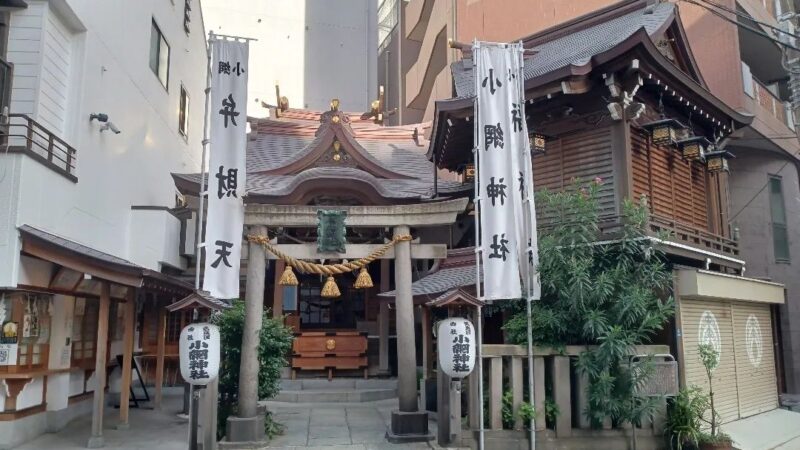
The grounds of Koami Shrine are not particularly large, but the highlights are concentrated there. After passing through the entrance torii gate, the shrine building, constructed in the early Showa period, appears directly ahead. The front of the shrine building is adorned with intricate carvings, showcasing the high level of craftsmanship.
Tokyo Zeniarai Benten
The most popular spot on the shrine grounds is the “Money Washing Well.” There’s a legend that if you purify money here, it will return to you many times over. A special basket is provided, and you place your bills and coins in it and purify them with well water. It’s said that keeping the purified money carefully in your wallet or using it first will increase your financial luck.
Mayu-dama
Within the temple grounds, there are things similar to votive tablets called “Mayu-dama.” These are lucky charms shaped like silkworm cocoons, on which you can write your wishes and dedicate. Their colorful and cute appearance makes them particularly popular with female visitors.
Manpuku Funanori Benzaiten
The Benzaiten shrine enshrines “Manpuku Funanori Benzaiten,” depicting Benzaiten, one of the Seven Lucky Gods, riding on a treasure ship. This Benzaiten is especially believed to bring strong blessings for financial luck and wealth.
Horned Owl and Owl
There are statues of an “horned owl” and an “owl” within the temple grounds. The owl symbolizes “letting hardships pass without becoming ingrained,” and the owl is considered a symbol of warding off hardship as “no hardship” is a play on words. It is believed that stroking these symbols brings good fortune, and many worshippers touch them.
Items Offered & Amulets
Koami Shrine offers a variety of items, each with different benefits.
Popular Amulets
- Good Fortune and厄除け Amulet: A representative amulet of Koami Shrine, offering protection from disaster and misfortune.
- Money Washing Amulet: A popular amulet for those wishing for increased wealth.
- Silk Cocoon Amulet: A cute amulet shaped like a silkworm cocoon, offering the benefit of fulfilling wishes.
- Owl Amulet: An amulet believed to have the benefit of letting hardships pass.
- Health and Longevity Amulet: For those wishing for health and longevity.
Goshuin (Shrine Seals)
In addition to regular goshuin, Koami Shrine also offers seasonal goshuin. Especially during special times such as New Year’s and the Doburoku Festival, limited-edition goshuin (temple/shrine stamps) are sometimes available. Goshuin are available at the shrine office, and the usual fee is 500 yen.
During busy periods, the number of goshuin available may be limited, so it is recommended to check the latest information on the official website or social media before visiting.
Annual Events and Rituals
Doburoku Festival
The most important festival at Koami Shrine is the “Doburoku Festival,” held annually on November 28th. Officially called the “Niiname-sai” (harvest festival), it is a festival where doburoku (unrefined sake) brewed from the year’s harvest is offered to the gods, giving thanks for a bountiful harvest and business prosperity.
Doburoku is also served to worshippers (in limited quantities), and it is believed that drinking this doburoku brings good health and protection from illness. The Doburoku Festival is especially crowded with worshippers, so early arrival is recommended.
Other Annual Events
- January 1st: New Year’s Day Festival
- February (Setsubun Festival): Setsubun Festival
- May 5th: Grand Festival
- November 28th: Doburoku Festival (Niiname-sai Festival)
- December 31st: Great Purification Ceremony/New Year’s Eve Festival
How to Worship and Manners
Basic Worship Procedure
- Passing Through the Torii Gate: Bow before the torii gate before entering the shrine grounds.
- Purifying at the Water Basin: Purify your left hand, then your right hand, and finally rinse your mouth.
- Worshiping at the Main Shrine: Worship using the two bows, two claps, and one bow ritual.
- Money-Washing Benzaiten: Those wishing for financial luck purify their money in the money-washing well.
- Amulet and Goshuin (Shrine Seal): Receive amulets and Goshuin stamps.
Tips for Avoiding Crowds
Koami Shrine is a popular shrine that attracts many visitors even on weekdays. Crowds are especially expected during the following times:
- The first three days of the New Year
- Weekends and public holidays, from morning to early afternoon
- Doburoku Festival (November 28th)
- The beginning of the month and auspicious days
For those who want to visit at a leisurely pace, early mornings or evenings on weekdays, or during the spring and summer months from April onwards, are recommended. The official social media accounts are updated regularly with information on crowd conditions, so it’s a good idea to check before visiting.
Reservations for Individual Prayer
Koami Shrine also accepts individual prayers. They offer prayers for various purposes, including protection from evil, business prosperity, family safety, and success in examinations. If you wish to have an individual prayer, it is recommended to make a reservation by phone in advance.
- Phone Number: 03-3668-1080
- Reception Hours: 9:00 AM – 5:00 PM (approx.)
Access
Access by Train
The train is the most convenient way to access Koami Shrine.
Nearest Stations
- 5-minute walk from Exit A2 of Ningyocho Station on the Tokyo Metro Hibiya Line
- 10-minute walk from Exit 8 of Suitengumae Station on the Tokyo Metro Hanzomon Line
- 7-minute walk from Exit A5 of Ningyocho Station on the Toei Asakusa Line
- 15-minute walk from Exit 10 of Kayabacho Station on the Tokyo Metro Tozai Line
Access from Ningyocho Station is the most convenient. Exit from Exit A2, proceed along Ningyocho Street towards Suitengu Shrine, and you will see Koami Shrine when you enter the alley of Koamicho.
Address
16-23 Nihonbashi Koamicho, Chuo-ku, Tokyo 103-0016
Parking
Koami Shrine does not have its own parking lot. If you are visiting by car, you will need to use a nearby coin-operated parking lot. However, parking fees in the Nihonbashi area are relatively high, and lots are often full on weekends, so we recommend using public transportation.
Nearby Tourist Attractions
After visiting Koami Shrine, consider exploring other tourist attractions in the Nihonbashi/Ningyocho area.
Suitengu Shrine
Located about a 10-minute walk from Koami Shrine, Suitengu Shrine is famous for its blessings of safe childbirth and fertility. It is popular with pregnant women and those raising children.
Amazake Yokocho
Near Ningyocho Station, Amazake Yokocho is a retro shopping street lined with long-established restaurants and Japanese confectionery shops. It’s perfect for enjoying street food and souvenir shopping.
Nihonbashi
Nihonbashi, the starting point of Japan’s roads since the Edo period, is a historical building well worth seeing. The surrounding area also has commercial facilities such as Mitsukoshi Department Store and COREDO Nihonbashi.
Long-established gourmet restaurants in Ningyocho
The Ningyocho area has many historic restaurants, including “Tamahide,” the birthplace of oyakodon (chicken and egg rice bowl), and “Yanagiya,” a long-established taiyaki (fish-shaped cake) shop. A gourmet tour after visiting the shrine is highly recommended.
How to get the latest information on Koami Shrine
The latest information on Koami Shrine can be obtained in the following ways:
Official Website
The Koami Shrine official website (https://www.koamijinja.or.jp/) contains information on annual events, prayer services, and announcements.
Official Social Media
- Instagram: @koamijinja_official – Photos of the shrine grounds, seasonal information, and crowd conditions are updated regularly.
- X (formerly Twitter): @koami_jinja – Real-time information is posted here.
Since social media also posts information on crowd conditions and temporary announcements, it is recommended to check before visiting.
Points to Note When Visiting
Photography
Photography is generally permitted on the shrine grounds, but consideration should be given to avoiding disturbing other visitors. Especially during busy times, please refrain from taking photos for extended periods. Photography inside the main hall and during prayers is prohibited.
Attire
There are no specific dress code requirements, but it is desirable to dress appropriately for a sacred place like a shrine. For individual prayers, overly casual attire is preferable.
Handling Crowds
Because Koami Shrine has limited grounds, visiting can take time during busy periods. Long lines are especially common during New Year’s and weekends. It is recommended to visit with ample time.
Reviews and Reputation of Koami Shrine
The following are common comments from visitors to Koami Shrine:
- “It’s a small shrine, but I feel a strong power there.”
- “I feel like my financial luck has improved since I washed my money here.”
- “It’s crowded, but that’s proof that people believe in its blessings.”
- “The carvings on the shrine building are wonderful.”
- “I recommend visiting it in conjunction with a stroll around Ningyocho.”
In particular, there are many voices saying they have felt the blessings of “good fortune and protection from evil,” and many reports of their wishes actually coming true, spreading the strength of its spiritual power through word of mouth.
Summary
Koami Shrine is a shrine located in Koamicho, Nihonbashi, Chuo-ku, Tokyo, known for “good fortune and protection from evil” and “Tokyo Money-Washing Benzaiten.” Since its founding in 1466, it has been deeply revered by the local people.
Miraculously surviving two major disasters, the Great Kanto Earthquake and the Tokyo air raids, and with the astonishing anecdote that all soldiers who attended the departure ceremony during the war returned safely, its divine virtues of “good fortune and protection from evil” became widely known.
Although the shrine grounds are not particularly large, they are packed with attractions, including a beautiful shrine building designated as a tangible cultural property of Chuo Ward, Tokyo Zeniarai Benten (a shrine believed to bring good fortune in wealth), and adorable silkworm cocoons.
The main deity enshrined here is Ukanomitama-no-kami, who is believed to bring prosperity in business and abundant harvests. Ichikishimahime-no-kami (Benzaiten) is also enshrined here. The Doburoku Festival, held annually on November 28th, is the most important festival at Koami Shrine.
Access is convenient, just a 5-minute walk from Exit A2 of Ningyocho Station on the Tokyo Metro Hibiya Line. Many other tourist attractions, such as Suitengu Shrine and Amazake Yokocho, are also nearby.
Even on weekdays, many worshippers visit this popular shrine, a testament to the many who believe in and experience its blessings. If you wish to have your wishes granted, such as protection from evil, increased wealth, or business prosperity, please visit Koami Shrine.
For the latest information, please check the official website or social media. To avoid crowds, it is recommended to visit early in the morning or evening on weekdays, or during the spring and summer months. Why not combine a stroll through the Nihonbashi and Ningyocho area with an experience of the powerful divine blessings of Koami Shrine?