Complete Guide to Fukiage Inari Shrine | An Inari Shrine Associated with the Tokugawa Family, Moved from Edo Castle to Otsuka
Fukiage Inari Shrine, located in Otsuka, Bunkyo-ku, Tokyo, is a historic shrine founded by Tokugawa Hidetada, the second shogun of the Edo shogunate. Starting from the Fukiage Palace within Edo Castle, it has a history of over 400 years, having been relocated several times to its current location. This article provides a detailed introduction to Fukiage Inari Shrine, including its history, blessings, visiting information, and access methods.
History and Origins of Fukiage Inari Shrine
Founding at Edo Castle’s Fukiage Palace
The founding of Fukiage Inari Shrine dates back to Genna 8 (1622). It began when Tokugawa Hidetada, the second shogun of the Edo shogunate, brought the sacred object of Inari Okami from Nikko Mountain in Shimotsuke Province and enshrined it within the Fukiage Palace on Momijiyama Hill within Edo Castle.
Originally known as “Higashi Inari-gu,” it was revered by the shogunate as the god of food produced from the sea, rivers, mountains, and fields, and attracted the deep faith of samurai lords. The Fukiage Palace within Edo Castle is also known as the residence of Emperor Showa, attesting to the high status of this shrine.
Relocation from Edo Castle to Hitotsubashi
During the reign of the 5th Shogun, Tokugawa Tsunayoshi, the shrine was moved from within Edo Castle to Hitotsubashi. This relocation is thought to have been due to a change in the layout of Edo Castle. Hitotsubashi was the area where the residence of the Hitotsubashi family, one of the three Tokugawa branches, was located, and it continued to maintain a deep connection with the Tokugawa family.
Grant to Matsudaira Daigaku-no-kami and Relocation to Otsuka Village
Later, Matsudaira Daigaku-no-kami, a branch of the Mito Tokugawa family, received this shrine from the Tokugawa family and moved it to his own residence. Before the Hōreki era (1751-1764), the shrine was received from the Matsudaira family as the guardian shrine of Ōtsuka Village in Kitatoshima District, Musashi Province, and was worshipped by the local people.
It is believed that the current name, “Fukiage Inari Shrine,” became established around this time. The inclusion of the name “Fukiage” from Edo Castle continued to demonstrate its high historical significance.
From Gokoku-ji Temple’s Gekkō-den to its current location
In the Meiji era, the shrine was temporarily moved to the Gekkō-den of Gokoku-ji Temple. Then, in 1912 (Meiji 45), it was relocated to its current location in Ōtsuka 5-chome, Bunkyo-ku, Tokyo, where it remains today.
Despite several relocations, the faith that has continued since the Edo period has never been interrupted, and it remains cherished by local people and worshippers today.
Deities and Benefits
Main Deity
The main deity of Fukiage Inari Shrine is Inari Ōkami. Inari is one of the most widely worshipped deities in Japan, believed to bring blessings such as abundant harvests, business prosperity, and family safety.
God of Food from the Sea, Rivers, Mountains, and Fields
Since its founding, Fukiage Inari Shrine has been revered as the “God of Food from the Sea, Rivers, Mountains, and Fields,” and has been worshipped as a guardian deity protecting not only agriculture but all industries. During the Edo period, it was a highly revered shrine, receiving the patronage of the shogunate and enjoyed the deep faith of samurai families.
Expected Blessings
- Abundant Harvests & Business Prosperity: Representative blessings of Inari
- Family Safety: Health and peaceful living for the family
- Good Fortune and Prosperity: Increased luck and attracting good fortune
- Industrial Development: Success in all businesses
- Protection from Evil: Purification and warding off misfortune
As a shrine associated with the Tokugawa shogunate, it is also expected to bring blessings for career advancement and good fortune.
Highlights of the Shrine Grounds
Main Hall and Shrine Buildings
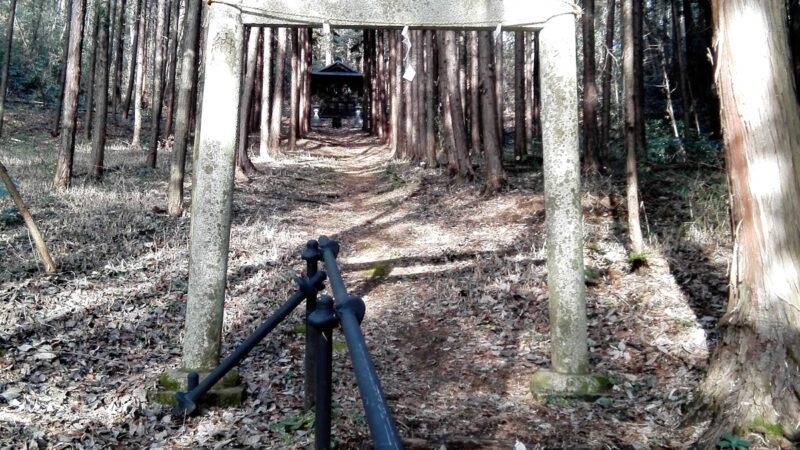
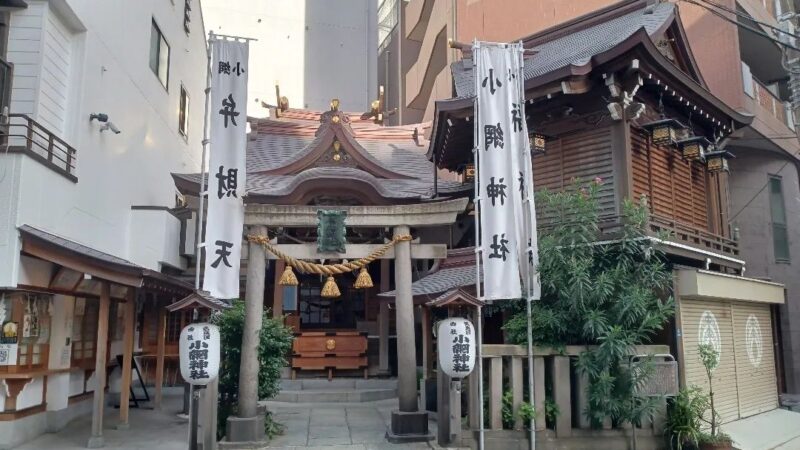
The main hall of Fukiage Inari Shrine is a tranquil shrine building nestled quietly in a residential area. While not large in scale, it is meticulously maintained, exuding a refreshing atmosphere.
Passing through the vermilion torii gate, one enters a sacred space befitting an Inari shrine. Its charm lies in its peaceful environment, far removed from the hustle and bustle of the city center, allowing for a serene and peaceful visit.
Guardian Dogs and Stone Monuments
The shrine grounds feature guardian dogs and stone monuments that evoke a sense of history. These offerings reflect the deep faith of the local people over many years.
Seasonal Atmosphere
The shrine grounds display different expressions throughout the seasons. Cherry blossoms in spring and autumn leaves are beautiful, offering enjoyment in every season. It is especially bustling with visitors during the New Year’s visit period and the annual festival.
Goshuin (Shrine Seal) Information
Regarding the Issuance of Goshuin
Fukiage Inari Shrine offers goshuin, but there may not always be a permanently staffed shrine office. Those wishing to receive a goshuin are advised to check with the Tokyo Metropolitan Shrine Association or Bunkyo Ward shrine officials in advance.
Features of the Goshuin
The goshuin features the calligraphy and red seal of “Fukiage Inari Shrine.” As a goshuin from a historical shrine with ties to the Fukiage Palace of Edo Castle, it is attracting attention among goshuin collectors.
Access and Transportation Information
Location
Address: 5-21-4 Otsuka, Bunkyo-ku, Tokyo
Access by Train
Fukiage Inari Shrine is accessible from multiple train lines.
Tokyo Metro Yurakucho Line
- Approximately 7 minutes on foot from Gokokuji Station (nearest station)
Tokyo Metro Marunouchi Line
- Approximately 8 minutes on foot from Shin-Otsuka Station
- Approximately 12 minutes on foot from Myogadani Station
The most convenient access is from Gokokuji Station. Exit the station and head towards Kasuga-dori Street. Proceed through the residential area and you will arrive at the shrine.
Walking Route
From Gokokuji Station, there is also a route that goes via Gokokuji Temple. Many people visit Gokokuji Temple before visiting Fukiage Inari Shrine, making it a popular temple and shrine pilgrimage route in Bunkyo Ward.
Access by Car
There is no dedicated parking lot for the shrine, so we recommend using public transportation. If you are visiting by car, please use a nearby coin-operated parking lot.
Check on Map
Since it is located in a residential area, using a smartphone map app will help you arrive without getting lost. Searching for “Fukiage Inari Shrine” will show the exact location.
Manners and Etiquette for Visiting a Shrine
Basic Shrine Etiquette
- Bow Before the Torii Gate: Before entering the shrine grounds, bow before the torii gate.
- Purify at the Water Basin: If there is a water basin, purify your hands and mouth.
- Worship at the Main Shrine: Worship using the two bows, two claps, and one bow ritual.
- Bow When Leaving the Shrine Grounds: After passing through the torii gate, turn around and bow.
Etiquette Unique to Inari Shrines
At Inari shrines, foxes are considered messengers of the gods. If there are fox statues on the grounds, treat them with respect.
Suitable Time for Visiting
While shrines are generally open for worship at any time during the day, early morning or late morning hours are recommended. You can worship peacefully in a quiet environment.
Nearby Tourist Attractions
Gokoku-ji Temple
Located within walking distance of Fukiage Inari Shrine, Gokoku-ji Temple is the head temple of the Buzan branch of the Shingon sect. This historic temple was founded at the behest of Keishoin, the mother of Tokugawa Tsunayoshi, and its main hall, designated a National Important Cultural Property, is a must-see. The vast grounds are filled with flowers that bloom throughout the seasons, making it a beloved urban oasis.
Sakuragi Shrine
There are many other historic shrines scattered throughout Bunkyo Ward, and Sakuragi Shrine is one of them. For those who enjoy visiting shrines, the Bunkyo Ward Temple and Shrine Pilgrimage Course, which includes visits to multiple shrines, is recommended.
Shohachiman Shrine
Shohachiman Shrine is another historic shrine in Bunkyo Ward, and many people visit it along with Fukiage Inari Shrine.
Exploring the Otsuka Area
The Otsuka area retains the atmosphere of old Tokyo, and you can enjoy strolling through its shopping streets. Before or after your visit to the shrine, we recommend exploring the local restaurants and cafes.
Annual Events and Festivals
New Year’s Visit
Many local people visit the shrine for their first shrine visit of the new year. Despite being a small shrine, it is bustling with worshippers coming to pray for the new year.
Annual Festival
The annual festival of Fukiage Inari Shrine is held as a traditional local event. We recommend checking the festival dates in advance.
First Horse Day Festival
At Inari shrines, the First Horse Day Festival is generally held on the first Horse Day of February. It is an important festival praying for a bountiful harvest and business prosperity.
The Charm of Fukiage Inari Shrine
Prestige Associated with the Tokugawa Shogunate
The greatest charm of Fukiage Inari Shrine is its high status, having been founded by Tokugawa Hidetada, the second shogun of the Edo shogunate, and enshrined in the Fukiage Palace of Edo Castle. Originating as a shrine within Edo Castle, its history, passed down through the Tokugawa and Matsudaira families, is unique and unlike that of other Inari shrines.
Quiet Worship Environment
Nestled quietly in a residential area, Fukiage Inari Shrine offers a peaceful worship environment far removed from the hustle and bustle. Unlike large tourist shrines, it allows for a calm and peaceful state of mind.
Community-Rooted Faith
Fukiage Inari Shrine, cherished by the local people as the guardian shrine of Otsuka Village since the Edo period, is still revered as a local deity. A warm, community-rooted atmosphere can be felt.
Easy Access from the City Center
Located in Bunkyo Ward, a central area of Tokyo, its convenient access via multiple subway lines is another attractive feature. Its location makes it easy to visit in conjunction with Gokoku-ji Temple and other nearby tourist attractions.
Visitor Feedback
From History Enthusiasts
Many visitors comment, “I visited after learning that this shrine originated from the Fukiage Palace of Edo Castle. It’s a wonderful shrine, small but with a deep sense of history.” As a shrine associated with the Tokugawa family, it attracts attention from history buffs.
From local residents
“This is a shrine I’ve been familiar with since childhood. It’s a quiet and peaceful place.” “I come here every year for Hatsumode (first shrine visit of the year). I cherish it as the guardian deity of our community.” These comments show the deep faith of the local people.
From Goshuin (shrine stamp) collectors
“I was happy to receive a rare goshuin from a shrine with ties to Edo Castle.” “I recommend visiting it together with Gokoku-ji Temple.”
Shrine Culture in Bunkyo Ward
Characteristics of Temples and Shrines in Bunkyo Ward
Bunkyo Ward is known as “Fumi no Miyako” (City of Literature) and is a cultural area with many temples, shrines, and educational institutions. Many historical temples and shrines, including Fukiage Inari Shrine, are scattered throughout the area, making it a suitable area for temple and shrine pilgrimages.
Relationship with the Tokyo Metropolitan Shrine Association
Fukiage Inari Shrine belongs to the Tokyo Metropolitan Shrine Association, ensuring proper management and the preservation of tradition. The Tokyo Metropolitan Shrine Association website provides basic information and history about the shrine.
Points to Note When Visiting
About the Shrine Office
Fukiage Inari Shrine is a small shrine, so there may not be a permanent shrine office. Those wishing to receive a Goshuin (shrine stamp) or other items are advised to check in advance.
About Photography
Photography is generally permitted on the shrine grounds, but please be considerate of other visitors. It is considered good manners to refrain from taking photos inside the main hall.
About Clothing
There are no specific dress code requirements, but clean and subdued attire is desirable when visiting a shrine. Avoid excessive exposure.
Summary
Fukiage Inari Shrine is a historic shrine with over 400 years of history, founded by Tokugawa Hidetada at the Fukiage Palace of Edo Castle. From within Edo Castle to Hitotsubashi, then through the Matsudaira family’s residence, and finally to its current location in Otsuka, Bunkyo Ward, the shrine underwent several relocations, yet its worship has continued uninterrupted.
Its excellent accessibility from the city center (approximately a 7-minute walk from Gokoku-ji Station), its quiet worship environment within a residential area, and its high status due to its connection to the Tokugawa shogunate are major attractions. Many worshippers still visit seeking blessings for abundant harvests, business prosperity, and family safety.
Visiting Gokoku-ji Temple and other nearby shrines allows you to enjoy a temple and shrine tour of Bunkyo Ward. Please visit Fukiage Inari Shrine, where you can feel the history of Edo and worship in peace.
A visit to this historic shrine will provide a precious time to escape the hustle and bustle of everyday life and find peace of mind. Why not experience the blessings of Inari Okami, revered by the Tokugawa shogunate?