Mikawa Inari Shrine (Bunkyo Ward, Tokyo) Complete Guide | History, Goshuin (Shrine Seal), and Hatsuuma Festival Information Related to Tokugawa Ieyasu
Nestled in a quiet residential area of Hongo, Bunkyo Ward, Tokyo, Mikawa Inari Shrine is a historically significant shrine that was relocated by Tokugawa Ieyasu when he founded Edo (present-day Tokyo). Affectionately known as “Sanku-sama” by local residents, it becomes a lively venue every February with the Hongo Hatsuuma Lantern Festival. This article comprehensively covers everything you need to know before visiting Mikawa Inari Shrine, including its history, enshrined deities, annual events, goshuin information, and access methods.
Basic Information on Mikawa Inari Shrine
Location and Access
Location: 2-20-5 Hongo, Bunkyo Ward, Tokyo
Mikawa Inari Shrine is located in Hongo 2-chome, Bunkyo Ward, and is conveniently accessible from multiple subway and Tokyo Metro lines.
Access from the nearest station:
- Approximately 5 minutes on foot from Hongo-Sanchome Station on the Tokyo Metro Marunouchi Line and Toei Oedo Line
- Approximately 8 minutes on foot from Yushima Station on the Tokyo Metro Chiyoda Line
- Approximately 12 minutes on foot from Ochanomizu Station on the JR Chuo and Sobu Lines
Located in a residential area slightly off Hongo-dori, the surrounding area includes historical temples and shrines, as well as the University of Tokyo Hongo Campus.
Shrine Rank and Jurisdiction
Mikawa Inari Shrine is a shrine belonging to the Tokyo Metropolitan Shrine Association and has long been revered as the guardian shrine of the former Hongo Motomachi 1-chome and 2-chome. It is still carefully preserved by the people of the parishioner area.
Deity and Divine Virtues
Main Deity: Ukanomitama-no-Kami
The deity enshrined at Mikawa Inari Shrine is Ukanomitama-no-Kami (Ukanomitama-no-Mikoto). This deity is central to Inari worship and is described in the Kojiki (Records of Ancient Matters) as the god born to Susanoo-no-Mikoto and Kami-Ōichihime.
Divine Virtues (Benefits)
Ukanomitama-no-Kami is believed to possess the following divine virtues:
- Abundant Harvests and Business Prosperity: As an Inari god, the guardian deity of agriculture and commerce
- Industrial Development: Guardian of the prosperity of all industries
- Family Safety: Peace and health of the family
- Prayer for Victory in Battle: Due to the history of Tokugawa Ieyasu praying for victory in battle
- Good Fortune and Prosperity: Success and good fortune in various aspects of life
Especially due to the history of Tokugawa Ieyasu worshipping this deity as his personal amulet, many worshippers visit to pray for success in competitions and new challenges.
The History and Origins of Mikawa Inari Shrine
Origins in Mikawa Province
The history of Mikawa Inari Shrine dates back to Inariyama, Ueno-sho, Hekikai-gun, Mikawa Province, which is now Toyota City, Aichi Prefecture. There was a temple called Inariyama Geishoin Rinsho-ji in this area, and the Inari Shrine was enshrined as its guardian deity.
The Deep Connection Between Tokugawa Ieyasu and the Inari Shrine
Prayers During the Time of Takechiyo
It is said that Matsudaira Hirotada, the father of Tokugawa Ieyasu, prayed at this Inari Shrine for the safe growth of Takechiyo (later Ieyasu) upon his birth. The connection between Ieyasu and the Inari Shrine began from his birth.
The Mikawa Ikko-ikki Rebellion and Prayers for Victory
In 1563 (Eiroku 6), Tokugawa Ieyasu established his headquarters at Rinsho-ji during the Mikawa Ikko-ikki rebellion and prayed for victory at the Inari Shrine. It is said that after this prayer was answered and he achieved victory, Ieyasu had the mountain name of Rinshoji Temple changed from “Tamamatsu-san” to “Inari-yama“.
This experience of victory led Ieyasu to deeply believe in this Inari shrine as his guardian deity.
Relocation to Edo
1590 (Tensho 18): Relocation to Fukiage, Edo Castle
In 1590 (Tensho 18), when Tokugawa Ieyasu entered Edo at the command of Toyotomi Hideyoshi, he relocated a subsidiary shrine of Mikawa Inari, which he worshipped as his personal amulet for victory, to Edo. The initial location was Fukiage within Edo Castle.
This relocation was a manifestation of Ieyasu’s strong faith, expressing his desire to pray for success in his new home of Edo and to keep his guardian deity from his Mikawa days close by.
1606 (Keicho 11): Relocation to Hongo
In 1606 (Keicho 11), when the Tokugawa Shogunate’s archers (a group of samurai guarding the Shogun) received the Ōnawachi area (present-day Hongo), an Inari shrine was established within the grounds of Shōsei-ji Temple as its guardian deity. This marked the beginning of the shrine’s connection to the Hongo area.
Changes in the Modern Era
Meiji Era: Separation of Shinto and Buddhism and Independence
Following the Meiji Restoration’s decree separating Shinto and Buddhism, the Mikawa Inari Shrine, which had previously been enshrined within temple grounds, became an independent shrine.
1893 (Meiji 26): Relocation to the Current Location
In 1893 (Meiji 26), the shrine was relocated to its current location at 2-20-5 Hongo, Bunkyo-ku. Around this time, Hongo developed as a merchant district, and the shrine became revered as the tutelary deity of the local residents.
Modern Era: Guardian Deity of the Community
Having survived the Great Kanto Earthquake and the destruction of World War II, it continues to be carefully preserved by the local people. Though small, it plays an important role as a shrine associated with Tokugawa Ieyasu and as the guardian deity of the region.
Highlights of the Shrine Grounds
Main Hall and Shrine Buildings
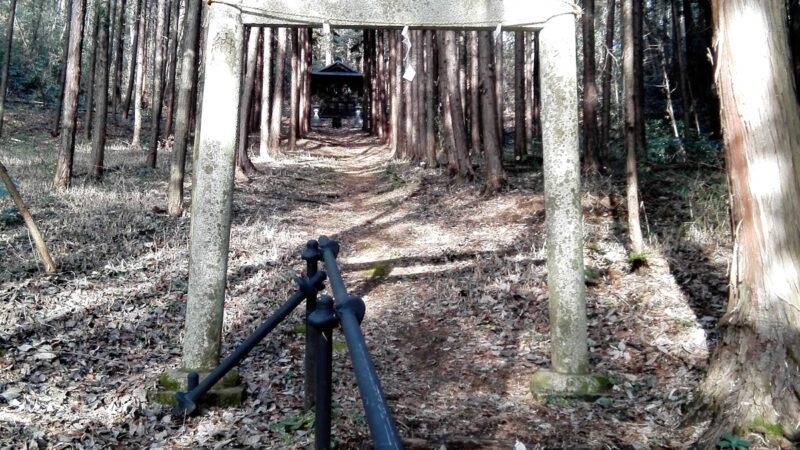
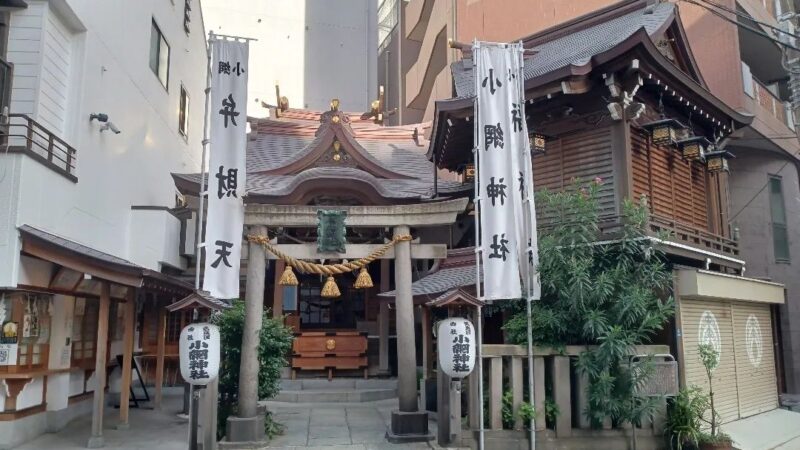
Mikawa Inari Shrine is a small shrine located in a residential area, but its meticulously maintained grounds are enveloped in a tranquil atmosphere. Passing through the vermilion torii gate, the main hall stands directly ahead.
The shrine buildings are valuable architectural works that preserve the style of Inari shrines from the Edo period, possessing a dignified presence despite their compact size.
Fox Statues
Fox statues, symbols of Inari shrines, guard the approach to the shrine. Foxes, considered messengers of the Inari god, are generally depicted holding a jewel (sacred jewel) in their right hand and a key in their left, a tradition that is also observed at Mikawa Inari Shrine.
Shrine Name Marker and Historical Information
Within the shrine grounds, there is an information board detailing the shrine’s history, allowing visitors to learn about its deep connection to Tokugawa Ieyasu and its overall history. Please be sure to read it during your visit.
Annual Events and Festivals
Hongo Hatsuuma Lantern Festival
The most important annual event at Mikawa Inari Shrine is the Hongo Hatsuuma Lantern Festival, held every year on the first Day of the Horse in February.
What is Hatsuuma?
Hatsuuma is a festival commemorating the day when Inari-sama is said to have descended upon Mount Inari, and is celebrated at Inari shrines throughout Japan. It falls on the first Day of the Horse in February, and prayers are offered for a bountiful harvest and business prosperity.
Characteristics of the Hongo Hatsuuma Lantern Festival
At the Hongo Hatsuuma Lantern Festival, numerous lanterns are lit within and around the shrine grounds, creating a fantastical atmosphere during the festival. This is a precious event where local people gather to preserve traditions.
The lanterns bear the names of local shops and parishioners, creating a warm festival that reflects the strong community ties.
Other Annual Events
- New Year’s Day Festival: Celebrating the New Year and praying for peace throughout the year
- Annual Grand Festival: The most important festival of the shrine, held in autumn
- Monthly Festival: Regular monthly rituals
Goshuin (Shrine Seal) Information
About the Issuance of Goshuin
Mikawa Inari Shrine offers goshuin. However, since there may not always be a resident priest, it is recommended that those wishing to receive a goshuin check in advance.
Features of the Goshuin
The goshuin features the calligraphy and red seal of “Mikawa Inari Shrine.” As a shrine associated with Tokugawa Ieyasu, this goshuin has high historical value.
Issuance Time and Important Notes
- Generally issued on festival days or specific days.
- Since staff may be absent, it is recommended to contact them in advance if you wish to be sure of receiving one.
- The offering fee is the same as at most shrines (approximately 300-500 yen).
It is important to bring your goshuincho (stamp book) and make your request respectfully.
Manners and Etiquette for Visiting a Shrine
Basic Visiting Etiquette
- Bow before passing through the torii gate.
- Purify yourself at the water basin (if one is present).
- Purify your left hand, then your right hand.
- Rinse your mouth (do not put your mouth directly on the ladle).
- Finally, purify the handle of the ladle.
- Pray in front of the main shrine.
- Bow lightly.
- Quietly place your offering in the offering box.
- Ring the bell if there is one.
- Two bows, two claps, one bow.
- Bow again at the torii gate when leaving the shrine grounds.
Etiquette Specific to Inari Shrines
At Inari shrines, you pray using the same two bows, two claps, one bow etiquette as at other shrines. However, some Inari shrines, such as Fushimi Inari Taisha, have their own unique etiquette, but at Mikawa Inari Shrine, the usual etiquette is acceptable.
Attire and Mindset for Visiting the Shrine
- Avoid revealing clothing.
- Remove hats before passing through the torii gate.
- Visit quietly (especially considerate as it is located in a residential area).
- Take photographs within reasonable limits.
Nearby Attractions and Tourist Information
History of the Hongo Area, Bunkyo Ward
Hongo has developed as an educational district since the Edo period, attracting many writers and artists. Even today, centered around the University of Tokyo’s Hongo Campus, it remains an area rich in academics and culture.
Nearby Shrines and Temples
Shōhachiman Shrine
Shōhachiman Shrine, located within walking distance of Mikawa Inari Shrine, is also a beloved local guardian shrine. Visiting both is recommended.
Yushima Tenmangu Shrine (Yushima Tenjin)
Yushima Tenjin, dedicated to Sugawara no Michizane, the god of learning, is approximately a 10-minute walk from Mikawa Inari Shrine. It is also famous for its plum blossoms.
Nezu Shrine
This ancient shrine, said to have been founded by Yamato Takeru, is known for its beautiful azaleas. The shrine buildings, designated as Important Cultural Properties, are a must-see.
Cultural Facilities
- University of Tokyo Hongo Campus: Visit historical buildings such as the Akamon Gate and Yasuda Auditorium.
- Former Iwasaki Residence Garden: The magnificent Western-style mansion and garden of the founder of the Mitsubishi zaibatsu.
- Tokyo Waterworks Historical Museum: A free facility where you can learn about the history of Edo/Tokyo’s waterworks.
Gourmet Information
The Hongo area has many long-established restaurants, so you can enjoy a meal after visiting the shrine.
- Long-established soba and Japanese restaurants
- Affordable set meal restaurants typical of a student town
- Historic coffee shops and cafes
Connection between the Shrine’s Parishioners and the Community
Guardian Shrine of Former Hongo Motomachi
Mikawa Inari Shrine has been the guardian shrine of former Hongo Motomachi 1-chome and 2-chome, attracting the faith of local people since the Edo period. The area around present-day Hongo 2-chome in Bunkyo Ward corresponds to the shrine’s parish area.
Center of the Local Community
Although a small shrine, its annual events, including the Hatsuumasai festival, serve as a place for local residents to interact, playing an important role in strengthening community ties.
Located in a residential area in the heart of Tokyo, it is a valuable presence that conveys the atmosphere of old-fashioned downtown Tokyo and the bonds between people.
Points to Note When Visiting Mikawa Inari Shrine
Best Time to Visit
- Hatsuumasai Festival (First Horse Day of February): The busiest time, allowing you to fully experience the shrine’s charm.
- New Year’s Day to the Third Day: New Year’s visits.
- Autumn Grand Festival: Experience local festivals.
- Weekday Mornings: Recommended for those who want to visit in peace.
Time Required
The shrine grounds are small, so the visit itself takes about 10-15 minutes. You can create a half-day to full-day sightseeing course by combining a visit to the surrounding area with visits to other shrines and temples.
Notes
- Please be mindful of noise as it is located in a residential area.
- There is no parking, so the use of public transportation is recommended.
- Please check in advance if you wish to receive a Goshuin (shrine stamp).
- Crowds are expected during events such as the Hatsuuma Festival.
Contact Information
Mikawa Inari Shrine
- Address: 2-20-5 Hongo, Bunkyo-ku, Tokyo 113-0033
- Jurisdiction: Bunkyo Branch of the Tokyo Metropolitan Shrine Association
For detailed information and the latest event schedule, please check the Tokyo Metropolitan Shrine Association website or the Bunkyo Ward official website.
Summary: The Charm of Mikawa Inari Shrine
Mikawa Inari Shrine is a historically significant shrine that Tokugawa Ieyasu worshipped from his time in Mikawa and relocated when he entered Edo. With a history spanning over 430 years from the Sengoku period to the Edo period and into the present day, it is a small but important cultural heritage site.
Located in a residential area in the heart of Tokyo, this shrine offers a tranquil atmosphere for worship, a precious place to feel connected to the historical figure Tokugawa Ieyasu. At the Hongo Hatsuuma Lantern Festival, you can witness the warm interactions of the local community.
Combining a visit with nearby tourist spots such as the University of Tokyo and Yushima Tenjin Shrine is also recommended. Why not experience the history and culture of Hongo in Bunkyo Ward while quietly paying your respects at this shrine associated with Tokugawa Ieyasu?
Mikawa Inari Shrine is a worthwhile place to visit for history buffs, those who enjoy visiting shrines and temples, and those who want to experience local traditional culture.