.png)
Zenkei-ji Temple (Taito-ku, Tokyo) Complete Guide | History, Access, and Highlights Explained in Detail
Located in Moto-Asakusa, Taito-ku, Tokyo, Zenkei-ji Temple is a historic Nichiren Buddhist temple founded in 1595. As a venerable temple with a long history dating back to the Edo period, it has been cherished by the local community. This article provides a detailed explanation of Zenkei-ji Temple’s history, highlights within its grounds, access methods, and surrounding area information—all essential information to know before visiting.
Basic Information about Zenkei-ji Temple
Zenkei-ji Temple is a Nichiren Buddhist temple located at 4-6-6 Moto-Asakusa, Taito-ku, Tokyo. Its mountain name is Hokeizan, and it is known as a venerable temple with a history of over 400 years.
Location and Contact Information
- Address: 4-6-6 Motoasakusa, Taito-ku, Tokyo 111-0041
- Sect: Nichiren Buddhism
- Mountain Name: Hokeizan
- Founded: Bunroku 4 (1595)
The Motoasakusa area of Taito-ku is known for its many temples, and Zenkei-ji Temple is one of these historic temples. Many other temples of the Nichiren sect and other denominations are scattered around, preserving the atmosphere of a temple town.
History and Origin of Zenkei-ji Temple
Circumstances of Founding
Zenkei-ji Temple was founded in Bunroku 4 (1595) in Kanda during the time of Toyotomi Hideyoshi. This period was just before the establishment of the Edo Shogunate, the dawn of Edo’s great development. Originally located in Kanda, Zenkei-ji Temple relocated to its current location in Moto-Asakusa due to urban development and fires during the Edo period.
From the Edo Period to the Present
Throughout the Edo period, Zenkei-ji Temple served as a center of faith for the local people. It has endured numerous disasters, including the Great Fire of Meireki (1657), the Great Kanto Earthquake (1923), and the Tokyo air raids of World War II, and continues to uphold its religious traditions to this day.
After relocating to Moto-Asakusa, it has played a central role in the local community as one of the temples in the area. Even today, it continues to uphold the teachings of Nichiren Buddhism and serves as a spiritual anchor for local residents.
About Nichiren Buddhism
Nichiren Buddhism, to which Zenkei-ji Temple belongs, is a Buddhist sect founded by the Kamakura period monk Nichiren Shonin (1222-1282). Its fundamental scripture is the Lotus Sutra, and its basic practice involves chanting the title “Namu Myoho Renge Kyo.” ### Characteristics of the Nichiren Sect
The Nichiren sect centers on the “Lotus Sutra One Vehicle” philosophy, which asserts that the Lotus Sutra is the true teaching of Shakyamuni Buddha. Nichiren Shonin preached that spreading the teachings of the Lotus Sutra would save people and bring peace and stability to the nation. This philosophy, known as the “Rissho Ankoku Ron” (Treatise on Establishing Righteousness and Securing the Peace of the Nation), is the fundamental principle of the Nichiren sect.
Numerous Nichiren sect temples exist in Taito Ward, Tokyo, and Zenkei-ji Temple is one of them, supporting local faith.
Zenkei-ji Temple Grounds and Highlights
Temple Gate and Approach
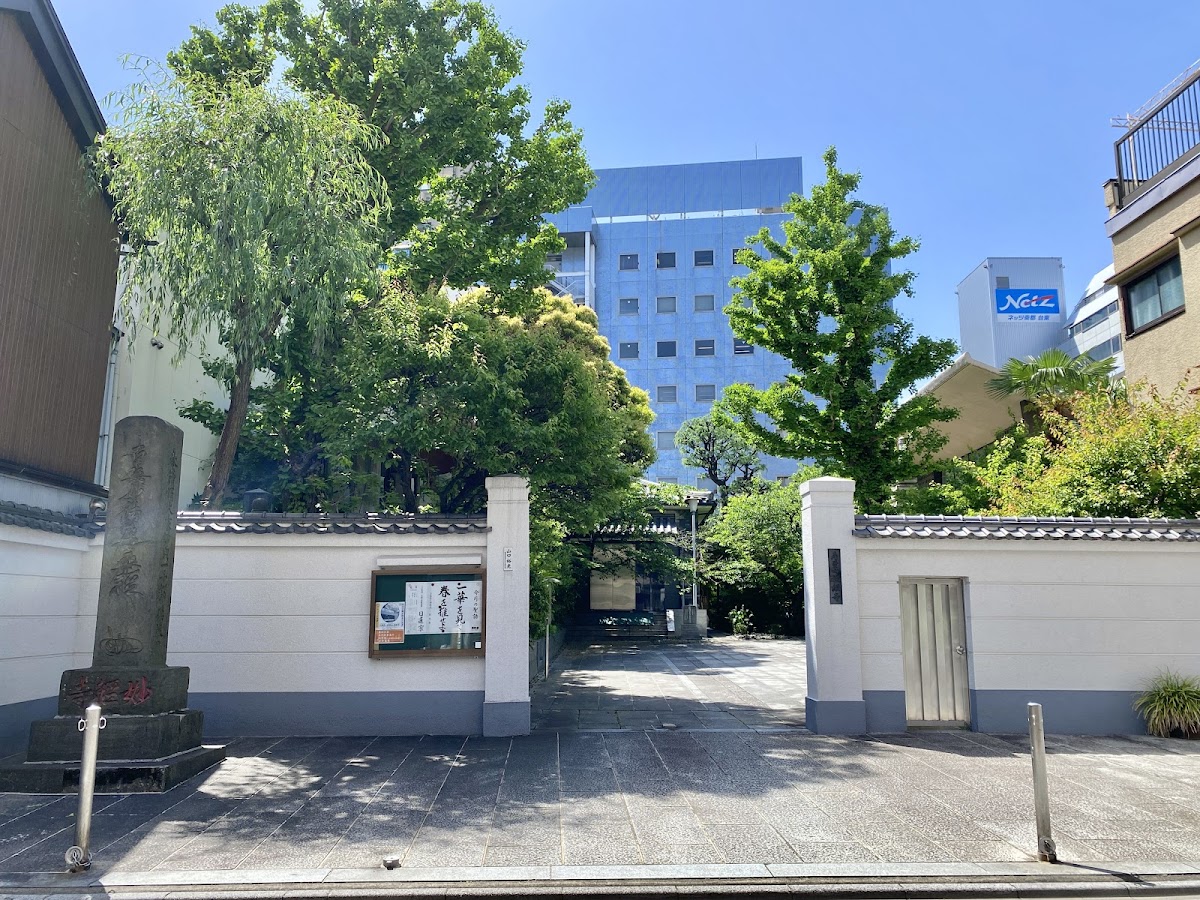
Zenkei-ji Temple is located in the residential area of Moto-Asakusa and is characterized by its small, unassuming appearance. Passing through the temple gate, a stone-paved approach leads to the main hall. Although surrounded by buildings and houses, stepping onto the temple grounds reveals a tranquil space far removed from the hustle and bustle of the city.
Main Hall
The main hall of Zenkei-ji Temple possesses a solemn atmosphere befitting a Nichiren Buddhist temple. The principal image is enshrined within, and daily services are performed. Visitors can join their hands in prayer before the main hall and offer quiet solace.
Atmosphere of the Temple Grounds
The grounds of Zenkei-ji Temple are not particularly large, but they are meticulously maintained and kept clean. Despite being a small temple, its presence is undeniable, and one can feel the deep faith of the local people.
Access and Surrounding Information
Access by Train
Public transportation is the most convenient way to access Zenkei-ji Temple. It is within walking distance of the nearest station.
Nearest Stations:
- Tokyo Metro Ginza Line “Inaricho Station”: Approximately 5 minutes on foot (approx. 330m)
- Toei Oedo Line/Tsukuba Express “Shin-Okachimachi Station”: Approximately 8 minutes on foot
- JR Yamanote Line/Keihin Tohoku Line “Ueno Station”: Approximately 15 minutes on foot
Access from Inaricho Station is the most convenient; simply exit the station and head towards Moto-Asakusa to arrive immediately. It’s also within walking distance of Ueno Station, making it possible to visit in conjunction with sightseeing at Ueno Park or Ueno Ameyoko.
Access by Car
If visiting by car, the Ueno or Iriya exits of the Metropolitan Expressway are convenient. However, the surrounding area is a residential area with narrow roads in some places, so caution is advised. It is recommended to check with the temple in advance regarding the availability of a dedicated parking lot.
Nearby Temples and Tourist Spots
Many other temples are scattered throughout the Moto-Asakusa area besides Zenkei-ji Temple.
Major Temples in the Neighborhood:
- Nichiren Buddhist temples around Moto-Asakusa
- Temples in the Yanaka area (within walking distance)
- Senso-ji Temple (approx. 20-minute walk)
Nearby Tourist Attractions:
- Kappabashi Kitchenware Street: Approx. 5-minute walk. A shopping street lined with specialty stores selling cooking utensils and tableware.
- Asakusa: Approx. 15-minute walk. A representative tourist spot in Tokyo, including Senso-ji Temple and Nakamise-dori.
- Ueno Park: Approx. 15-minute walk. A cultural area with art museums, museums, a zoo, and more.
- Ameyoko: Approx. 15-minute walk. A lively shopping street.
Map Information of the Neighborhood
Zenkei-ji Temple is located in Moto-Asakusa 4-chome, Taito-ku, in a quiet residential area densely populated with temples. It is close to major roads such as Showa-dori and Kokusai-dori, maintaining a calm atmosphere despite being in the city center.
Searching for “Zenkei-ji Temple, Taito Ward” on Google Maps or a navigation app will show you the exact location and best route. Using a smartphone, you can easily get route guidance from your current location.
Etiquette for Visiting Zenkei-ji Temple
Basic Etiquette for Visiting Temples
When visiting a temple, please observe the following basic etiquette.
- A Bow at the Temple Gate: Bow before passing through the temple gate.
- Silence: Walk quietly within the temple grounds and refrain from loud conversations.
- Worship at the Main Hall: Join your hands in prayer in front of the main hall and offer your prayers quietly.
- Photography: Photography is often permitted within the temple grounds, but consideration for those inside the main hall and other worshippers is necessary.
- A Bow Upon Exit: Turn around and bow again when leaving the temple gate.
How to Worship at a Nichiren Buddhist Temple
At Nichiren Buddhist temples, chanting the mantra “Namu Myoho Renge Kyo” is fundamental. When worshipping, join your hands in prayer while silently chanting the mantra in your heart or quietly.
The Charm of the Moto-Asakusa Area
History as a Temple Town
Moto-Asakusa is known as a temple town that has existed since the Edo period. In Edo’s urban planning, temples also played a role in fire prevention and defense, and were concentrated in specific areas. Moto-Asakusa was one such temple district, and many temples still remain there today.
The area around Moto-Asakusa 4-chome, where Zenkei-ji Temple is located, is particularly densely populated with temples and maintains a quiet atmosphere. Despite being in the heart of the city, it’s an area with a unique atmosphere where time seems to flow slowly.
A Town Where Downtown Culture Thrives
Taito Ward is an area that strongly retains the downtown culture of Tokyo. The area around Moto-Asakusa is no exception, with traditional shops and houses lining the streets, and the local community still functions today. Zenkei-ji Temple has also been an integral part of this community, closely intertwined with the lives of its residents.
Exploring Temples in Taito Ward
Recommendation for Temple Hopping
Besides Zenkei-ji Temple, Taito Ward has many other historical temples. Each temple has its own unique history and characteristics, making temple hopping one of the attractions of sightseeing in Taito Ward.
Major Temples in Taito Ward:
- Senso-ji Temple: Tokyo’s oldest temple, visited by approximately 30 million people annually
- Kanei-ji Temple: A large Tendai sect temple located within Ueno Park
- Yanaka Temple District: A temple district with over 70 temples
- Moto-Asakusa Temple District: Includes Nichiren sect temples, including Zenkei-ji Temple
Model Temple Tour Course
We introduce a temple tour course starting from Zenkei-ji Temple.
Half-Day Course:
- Start from Inaricho Station
- Visit Zenkei-ji Temple (30 minutes)
- Temple tour around Moto-Asakusa (1 hour)
- Stroll through Kappabashi Kitchenware Street (1 hour)
- Visit Senso-ji Temple (1 hour)
Full-Day Course:
- Start from Ueno Station
- Visit Ueno Park and Kan’ei-ji Temple (2 hours)
- Stroll through Yanaka Temple District (2 hours)
- Visit Zenkei-ji Temple in Moto-Asakusa (1 hour)
- Asakusa sightseeing (2 hours)
About Zenkei-ji Temple, Cemetery, and Memorial Services
Cemetery Use
Zenkei-ji Temple also manages its cemetery. Located in the heart of the city, it is used by local residents as a place to commemorate their ancestors in a quiet environment. For inquiries regarding cemetery use and perpetual memorial services, please contact the temple directly.
Types of Memorial Services
In modern times, in addition to traditional memorial services at cemeteries, various forms of memorial services are available.
- General Cemetery: A traditional form involving the erection of a tombstone.
- Perpetual Memorial Service: A form where a temple performs memorial services perpetually.
- Columbarium: A form where cremated remains are enshrined indoors.
In recent years, due to the shortage of cemeteries in urban areas and issues with successors, more people are choosing perpetual memorial services. Zenkei-ji Temple also offers forms of memorial services that meet the needs of the times.
Annual Events and Memorial Services
Main Events of the Nichiren Sect
Nichiren sect temples hold various memorial services and events throughout the year.
- New Year’s Day: New Year’s prayers
- Setsubun (Bean-Throwing Festival): Setsubun ceremony
- Spring and Autumn Equinoxes: Equinox memorial services
- Obon (Buddhist All Souls’ Day): Obon ceremony
- Oeshiki (Memorial Service for Nichiren Shonin): Memorial service for the anniversary of Nichiren Shonin’s death (October)
The Oeshiki ceremony, in particular, is one of the most important events for Nichiren Buddhist temples. It is held around October 13th, the anniversary of Nichiren Shonin’s death, and many believers attend.
Personal Memorial Services
Zenkei-ji Temple also performs memorial services for individuals and families.
- Funeral
- Memorial services (7th day, 49th day, 1st anniversary, 3rd anniversary, etc.)
- Ancestor memorial services
- Memorial services for stillborn babies
For requests and details regarding memorial services, please contact the temple directly.
Temples and the Local Community in Taito Ward
As a Center of the Local Community
Local temples like Zenkei-ji Temple serve not only as religious facilities but also as centers of the local community. They contribute to the community by serving as venues for local events and gatherings, and as evacuation sites during disasters.
Preservation of Cultural Properties and History
The temples of Taito Ward are valuable institutions that convey the history and culture from the Edo period to the present day. They play a role in preserving and passing on many cultural properties, such as architectural styles, Buddhist statues, and ancient documents, to future generations.
Points to Note When Visiting Zenkei-ji Temple
Visiting Hours
Temple visiting hours are generally during the daytime. Avoid visiting early in the morning or late at night. Also, general visits may not be possible if a memorial service or event is being held.
Dress Code
There are no specific dress code requirements, but please dress in clean, understated clothing appropriate for a temple. It’s best to avoid overly revealing or flashy clothing.
Items to Bring
- Prayer Beads: If you have them, it’s a good idea to bring them.
- Offering: A donation is appropriate during your visit.
- Camera: Photography is generally permitted on the temple grounds, but consideration is necessary.
Information Search on Your Smartphone
Using Map Apps
When visiting Zenkei-ji Temple, a smartphone map app is convenient.
- Google Maps: Search for “Zenkei-ji Taito-ku”
- Apple Maps: Ideal for iPhone users
- Yahoo! Maps: Detailed map information
These apps allow you to get route directions from your current location, check travel times, and search for nearby facilities.
Transit Guide Apps
For access by train, a transit guide app is convenient.
- NAVITIME: Detailed route search
- Yahoo! Transit Guide: Simple and easy to use
- Jorudan Transit Guide: A classic transit guide app
Search for the route to Inaricho Station, the nearest station, and then check the walking route from the station.
Rediscovering the Charms of Taito Ward
A Town Where History and Modernity Intersect
Taito Ward is a fascinating area that retains a strong sense of history from the Edo period while also possessing modern urban functions. Visiting historical temples like Zenkei-ji Temple allows you to discover a different side of Tokyo.
Balancing Tourism and Faith
Zenkei-ji Temple, located near tourist destinations such as Asakusa and Ueno, is also ideal for spending quiet time between sightseeing. Away from the bustling tourist areas, spending time calming your mind in a tranquil temple will deepen your travel memories.
Summary
Zenkei-ji Temple is a historic Nichiren Buddhist temple located in Moto-Asakusa, Taito-ku, Tokyo. Since its founding in 1595, it has supported the faith of the local people for over 400 years.
Despite being in the heart of the city, the temple grounds maintain a tranquil atmosphere, providing a place of peace and solace not only for local residents but also for visitors, away from the hustle and bustle of everyday life. Its convenient location, approximately a 5-minute walk from Inaricho Station, is another attractive feature, making it easily accessible in conjunction with sightseeing in Asakusa and Ueno.
In the Moto-Asakusa area, where you can feel the temple town culture of Taito-ku, Zenkei-ji Temple continues to uphold its Buddhist traditions. For those who want to experience Tokyo’s history and culture, or who wish to spend some quiet time, please visit Zenkei-ji Temple.
Frequently Asked Questions (FAQ)
Q1: What is the nearest station to Zenkei-ji Temple?
A1: The nearest station to Zenkei-ji Temple is Inaricho Station on the Tokyo Metro Ginza Line, approximately a 5-minute walk (about 330m) from the station. It is also accessible from Shin-Okachimachi Station on the Toei Oedo Line and Tsukuba Express (approximately an 8-minute walk) and Ueno Station on the JR Line (approximately a 15-minute walk).
Q2: When was Zenkei-ji Temple founded?
A2: Zenkei-ji Temple was founded in 1595 (Bunroku 4) in Kanda. Later, it moved to its current location in Moto-Asakusa, Taito Ward, and has continued to this day as a Nichiren Buddhist temple with a history of over 400 years.
Q3: What is the sect of Zenkei-ji Temple?
A3: Zenkei-ji Temple is a Nichiren Buddhist temple. Its mountain name is Hokei-zan. The Nichiren sect was founded by Nichiren Shonin during the Kamakura period. Its fundamental scripture is the Lotus Sutra, and its practice is based on chanting the mantra “Namu Myoho Renge Kyo.”
Q4: Are there specific visiting hours for Zenkei-ji Temple?
A4: Similar to general temple visits, daytime visits are recommended. It’s best to avoid early morning and late-night visits and visit during reasonable hours. General visits may be restricted during religious services or events, so it’s advisable to check in advance if you have a special reason for visiting.
Q5: What other tourist attractions are there around Zenkei-ji Temple?
A5: Around Zenkei-ji Temple, there are many of Tokyo’s most famous tourist spots, including Kappabashi Kitchenware Street (approx. 5-minute walk), Senso-ji Temple (approx. 15-minute walk), Ueno Park (approx. 15-minute walk), and Ameyoko (approx. 15-minute walk). Additionally, many other temples are scattered throughout the Moto-Asakusa area, making it a pleasant place to explore the temple district.
Q6: Can I use a cemetery at Zenkei-ji Temple?
A6: Zenkei-ji Temple manages its cemetery. It is used as a place for memorial services in a quiet environment despite its central urban location. For details regarding cemetery use, perpetual memorial services, and other memorial services, please contact the temple directly.
Q7: Is it possible to access Zenkei-ji Temple by car?
A7: It is possible to access by car, and the Ueno or Iriya exits of the Metropolitan Expressway are convenient. However, caution is advised as the surrounding area is a residential area with narrow roads in some places. We recommend checking with the temple in advance regarding parking availability. It is also conveniently located for access by public transportation.
Q8: Is photography allowed at Zenkei-ji Temple?
A8: Photography is generally permitted on the temple grounds, but consideration for the interior of the main hall and other visitors is necessary. Please maintain silence when taking photographs and be careful not to disturb other visitors. If you are unsure, it is best to check with the temple staff.