Kofukuji Temple | A Jishu Sect Temple in Zaimokuza, Kamakura: History of its Founder, Ikko Shunsho, and a Pilgrimage to Kannon Sites
Nestled quietly in a residential area of Zaimokuza, Kamakura City, Kanagawa Prefecture, Kofukuji Temple is an ancient temple of the Jishu sect with a history of nearly 800 years. Its auspicious name, meaning “facing fortune,” has made it a beloved place of prayer for those seeking happiness. It is also known as the 15th temple on the Kamakura Thirty-Three Kannon Pilgrimage, a hidden gem where one can worship in a peaceful environment.
History of Kofukuji Temple
Founding and Ikko Shunsho
Kofukuji Temple was founded in 1282 (Koan 5) by Ikko Shunsho. Ikko Shunsho is a monk known as the founder of the “Ikko Sect,” and a contemporary of Ippen Shonin, the founder of the Jishu sect.
Ikkō Shunshō Shōnin, separate from Ippen Shōnin, traveled throughout Japan independently, spreading the practice of Odori Nenbutsu (dancing nenbutsu). Odori Nenbutsu is a religious practice involving dancing while chanting the nenbutsu, and it was a widely accepted method of propagation among the common people. Ikkō Shunshō Shōnin’s teachings developed independently as the “Ikkō-shū” sect, gaining many followers.
Integration of Ikkō-shū into Jishū-shū
Initially, Kōfuku-ji Temple was an independent temple of the Ikkō-shū sect, but a significant change occurred during the Edo period. Due to the Edo shogunate’s religious policies, the Ikkō-shū sect was integrated into the Jishū-shū sect, and Kōfuku-ji Temple has remained a Jishū-shū temple to this day.
While this integration resulted in the loss of the Ikkō-shū’s unique characteristics, it allowed the Jishū sect to continue preserving its teachings as a branch of the Jishū sect. The Jishū sect is also known as the Yūgyō-shū (traveling sect), characterized by its traveling priests who preach throughout the country.
Legend of Kudo Suketsune’s Residence
There is a legend that the site where Kofuku-ji Temple stands was the former residence of Kudo Suketsune, a samurai from the Kamakura period. Kudo Suketsune served as a close confidant of Minamoto no Yoritomo and contributed to the establishment of the Kamakura Shogunate. He is also remembered in history as a samurai who played an important role in the Soga Monogatari, known for the revenge of the Soga brothers.
Damage and Reconstruction from the Great Kanto Earthquake
The Great Kanto Earthquake, which occurred on September 1, 1923, caused immense damage to many temples and shrines in Kamakura. Kofuku-ji Temple was no exception, suffering complete destruction of its main hall and front gate.
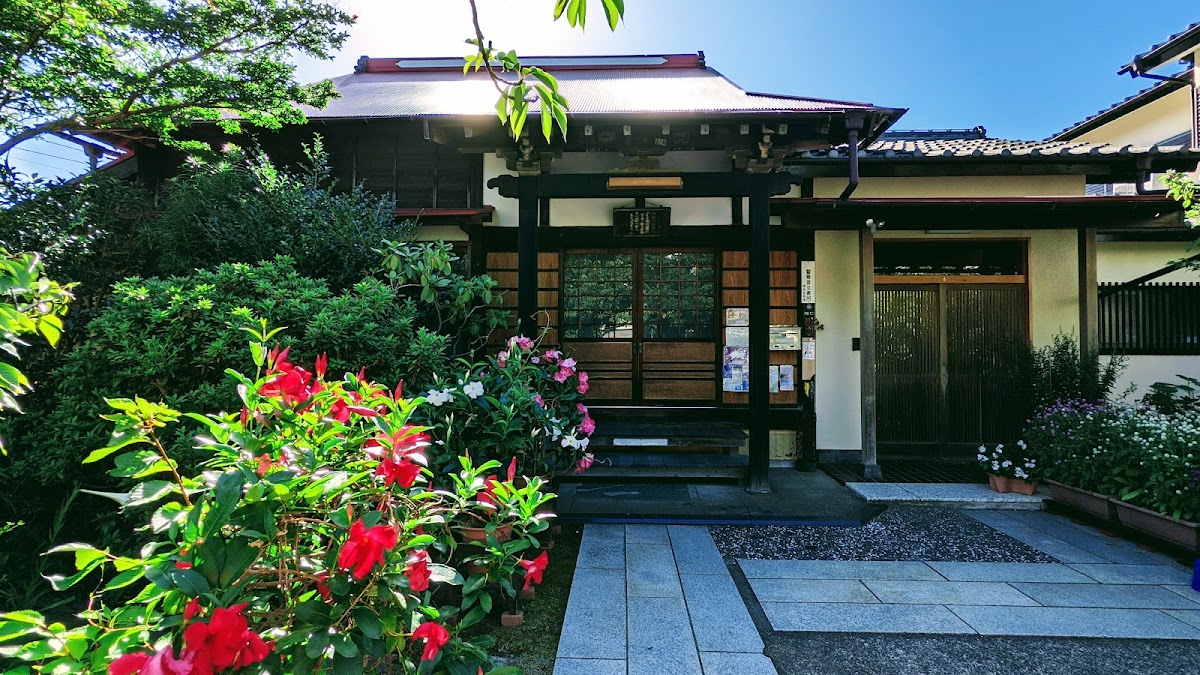
After the earthquake, reconstruction progressed with the cooperation of parishioners and believers, resulting in its current appearance. The current main hall has a simple structure resembling a private house, and is characterized by its red corrugated iron roof. Although the architectural style differs from that of the pre-earthquake period, the simple yet warm atmosphere welcomes visitors.
Highlights of Kofuku-ji Temple
Main Hall and Principal Image
The main hall of Kofuku-ji Temple is a small building located in a residential area. It is set back slightly from the main bus route, and the temple grounds spread out beyond the houses. The main hall houses the principal image, a statue of Kannon Bodhisattva, and the temple is the 15th stop on the Kamakura Thirty-Three Kannon Pilgrimage, attracting many worshippers.
The Kannon Bodhisattva is considered the basic form of Kannon Bodhisattva and is revered as a compassionate Buddha who relieves the suffering of all people. The Kannon Bodhisattva at Kofuku-ji Temple is said to particularly respond to the prayers of those seeking happiness, and combined with the temple’s name, which means “facing happiness,” it attracts many worshippers.
Temple Grounds
The grounds of Kofuku-ji Temple are very small, consisting only of the temple’s living quarters, the main hall, and a cemetery. While it lacks large temple buildings or gardens, its simplicity creates a tranquil atmosphere.
At the entrance stands a stone pillar (stone monument) inscribed with “Jishu Kofukuji,” quietly welcoming visitors. The temple grounds are always meticulously clean, reflecting the care and affection the local community has for the temple.
15th Temple of the Kamakura Thirty-Three Kannon Pilgrimage
Kofukuji Temple is designated as the 15th temple of the Kamakura Thirty-Three Kannon Pilgrimage. The Kamakura Thirty-Three Kannon Pilgrimage is a pilgrimage route visiting 33 temples within Kamakura City, a traditional form of faith that has continued since the Edo period.
A temple stamp (Goshuin) can be obtained at each temple, and completing the pilgrimage signifies the fulfillment of one’s wish. Goshuin are also available at Kofukuji Temple, and many pilgrims visit. Goshuin are usually available upon request at the temple’s living quarters.
Information on Visiting Kofuku-ji Temple
Admission Fee and Visiting Hours
There is no admission fee for Kofuku-ji Temple; you can visit for free. While there are no specific designated visiting hours, it is advisable to visit during reasonable hours (daytime). If you wish to receive a Goshuin (temple stamp), the best time is between 9:00 AM and 4:00 PM.
As this is a small temple located in a residential area, please be considerate of the nearby residents when visiting. Please pray quietly and be mindful of proper etiquette regarding loud conversations and photography.
How to Access Kofuku-ji Temple
Access by Train and Bus
The nearest station to Kofuku-ji Temple is Kamakura Station on the JR Yokosuka Line and Enoshima Electric Railway. From Kamakura Station, you can reach the temple on foot or by bus.
If using the bus:
- Take the Keikyu Bus “Kama 40/Kama 41” route (bound for Zushi Station via Kotsubo) from the east exit of Kamakura Station.
- Get off at the “Goshō Shrine” bus stop (approximately 5 minutes).
- A short walk from the bus stop (approximately 30 seconds).
The entrance to Kōfuku-ji Temple is directly in front of the “Goshō Shrine” bus stop, making the bus the most convenient option. This bus route is especially convenient when visiting the Zaimokuza Beach area.
Access on foot
If walking from Kamakura Station, the following route is recommended:
- Exit the east exit of Kamakura Station and go through Komachi Street.
- Pass in front of Tsurugaoka Hachimangu Shrine and head south on Wakamiya-oji Street.
- Proceed towards Zaimokuza and head south on Komachi-oji Street.
- Arrive at Kōfuku-ji Temple in approximately 20 minutes.
This is a direct southbound route from Kamakura Station to Zaimokuza Beach, covering a distance of approximately 1.2 km. You can enjoy the scenery of Kamakura as you walk along the way. Zaimokuza Beach is also nearby, so visiting in conjunction with a beach stroll is highly recommended.
Access by Car and Parking
Kofuku-ji Temple does not have its own parking lot. If you are visiting by car, you will need to use coin-operated parking lots near Kamakura Station or Zaimokuza Beach. However, roads in Kamakura are narrow, and traffic congestion is common during peak tourist season, so using public transportation is strongly recommended.
Nearby Tourist Spots
Kofuku-ji Temple is surrounded by several attractive spots for Kamakura sightseeing:
Zaimokuza Beach: Approximately 10 minutes on foot. One of Kamakura’s representative beaches, perfect for swimming in the summer and strolling in other seasons.
Komyoji Temple: Approximately 15 minutes on foot. A major temple of the Jodo sect, boasting one of Kamakura’s largest main gates.
Goshō Shrine: Very close by. A local guardian shrine, sharing the same bus stop name as Kofuku-ji Temple.
Tsurugaoka Hachimangu Shrine: Approximately 20 minutes on foot. A representative shrine of Kamakura and a central tourist spot.
Guidelines for Visiting Kofukuji Temple
Temple Visiting Manners
Kofukuji Temple is a small temple located in a residential area. Please observe the following points when visiting:
- Be considerate of the nearby residents and pray quietly.
- Refrain from eating or drinking on the temple grounds.
- Photography is permitted, but please check before taking photos inside the main hall.
- Bring your goshuincho (stamp book) when receiving a goshuin (temple stamp).
- Offer your donation respectfully.
About Goshuin (Temple Stamps)
At Kofukuji Temple, you can receive a goshuin for the 15th temple of the Kamakura Thirty-Three Kannon Pilgrimage. You can request a goshuin by asking at the temple’s living quarters, but they may be absent, so it is recommended to call ahead to confirm.
The goshuin fee is usually around 300 yen. Bring your goshuincho and ask respectfully. Those undertaking the Kamakura Thirty-Three Kannon Pilgrimage can obtain a special stamp book, which can be acquired from the pilgrimage association.
About Kofuku-ji Temple and the Jishu Sect
Characteristics of the Jishu Sect
The Jishu sect, to which Kofuku-ji Temple belongs, is a branch of Pure Land Buddhism founded by Ippen Shonin during the Kamakura period. The most distinctive feature of the Jishu sect is “Yugyo” (wandering). Yugyo refers to missionary activities that involve traveling around various regions to spread the Nembutsu (invocation of Amida Buddha). It was a tradition for Jishu monks to travel throughout the country without settling down.
The Jishu sect teaches that everyone can attain rebirth in paradise equally by chanting “Namu Amida Butsu.” Its unique form of Nembutsu, called Odori Nembutsu (dancing Nembutsu), is particularly distinctive and was widely accepted among the common people.
Relationship between Ikko Shunsho and Ippen
Ikko Shunsho Shonin, who founded Kofuku-ji Temple, and Ippen Shonin, the founder of the Jishu sect, were contemporaries, but they each carried out their missionary activities independently. Both groups practiced Odori Nenbutsu (dancing nenbutsu) and conducted missionary work through itinerant pilgrimages, but their doctrines and organizations were separate.
Due to religious control during the Edo period, the Ikkō-shū sect was integrated into the Jishū sect, and the lineage of Ikkō Shunshō was also incorporated into the Jishū sect. As a result, Kōfuku-ji Temple remains a Jishū temple to this day.
The Charm of the Zaimokuza Area
The Zaimokuza area, where Kōfuku-ji Temple is located, is a charmingly tranquil area within Kamakura. Compared to the famous tourist spots around Kamakura Station and Kita-Kamakura, it is less crowded, allowing visitors to enjoy a relaxed time.
The name Zaimokuza originates from its role as a timber collection point in the Middle Ages. During the Kamakura period, it flourished as a key point for maritime traffic, with many goods passing through. Even today, old townscapes remain along the coast, allowing visitors to feel the traces of history.
Zaimokuza Beach is relatively quiet compared to other beaches in Kamakura and is beloved by locals. Outside of the summer swimming season, you can see people enjoying walks and jogs. After visiting Kofuku-ji Temple, it’s recommended to extend your trip to the coast and relax while listening to the sound of the waves.
Summary
Kofuku-ji Temple is an ancient temple of the Jishu sect, quietly nestled in the residential area of Zaimokuza, Kamakura. Founded in 1282 by Ikko Shunsei Shonin, it boasts a history of nearly 800 years, yet its charm lies in its simple atmosphere, unspoiled by tourism.
With its auspicious name meaning “facing fortune,” its status as the 15th temple on the Kamakura Thirty-Three Kannon Pilgrimage, and its historical background as the site of Kudo Suketsune’s residence, this small temple grounds holds many stories.
Kofuku-ji Temple offers easy access—a 20-minute walk from Kamakura Station, or just a 5-minute bus ride—while providing a peaceful environment away from the hustle and bustle. When sightseeing in Kamakura, be sure to visit Kofuku-ji Temple in conjunction with a stroll along Zaimokuza Beach. A simple yet heartwarming little temple will quietly welcome you.