Hogenji Temple (Kamakura City, Kanagawa Prefecture) Complete Guide | A Thorough Explanation of the History and Highlights of the Botamochi Temple
Hogenji Temple is a Nichiren Buddhist temple located in Koshigoe, Kamakura City, Kanagawa Prefecture. Affectionately known as “Botamochi Temple,” it is a historically significant temple that preserves the moving story of Nichiren Shonin’s persecution at Tatsunokuchi. This article provides a detailed explanation of Hogenji Temple, from its historical background to its highlights and access methods.
Basic Information on Hogenji Temple
Hogenji Temple is a Nichiren Buddhist temple founded in 1318 (Bunpo 2), and its official mountain name is “Ryūkōzan.” Its principal image is the Three Treasures and Founders, and its former head temple was the Daihonzan Hokkeji Temple (Ichikawa City, Chiba Prefecture). It is connected to the Shio-shi lineage and has played an important role as one of the eight rotating temples of Ryūkōji Temple.
Location: 5-1-17 Koshigoe, Kamakura City, Kanagawa Prefecture
Postal Code: 248-0033
Sect: Nichiren Buddhism
Mountain Name: Ryukozan
Principal Image: The Three Treasures and Founders
Founded: Bunpo 2 (1318)
Founder: Myo-on Ajari Nichigyo
Common Name: Botamochi Temple
History of Hogenji Temple
Circumstances of Founding
Hogenji Temple was founded in Bunpo 2 (1318) by Myo-on Ajari Nichigyo. The establishment of this temple is deeply connected to the significant historical event of the Ryunokuchi Persecution of Nichiren Shonin.
The Tatsunokuchi Persecution and the Nun of the Viewing Platform
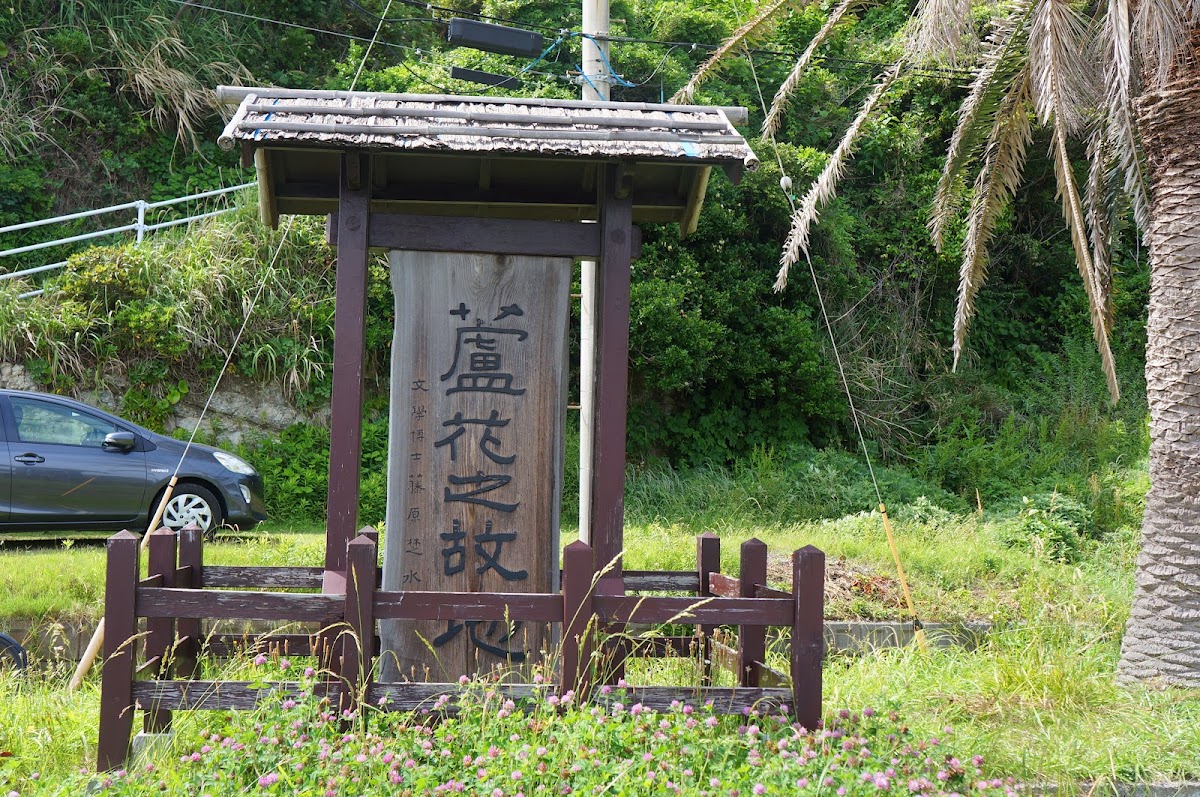
On September 12, 1271 (Bun’ei 8), Nichiren Shonin was arrested by the Kamakura Shogunate and sentenced to execution at Tatsunokuchi (present-day Katase and Enoshima area of Fujisawa City). Legend has it that on his way to the execution grounds, a nun offered him a sesame-filled rice cake (botamochi) at a place called Sajiki in Koshigoe.
This nun, known as “Sajiki no Ama” or “Sajiki no Gozen,” was a follower of Nichiren Shonin. She offered the rice cake with heartfelt sincerity, as a final offering to the saint before his execution. It is said that Nichiren Shonin ate the rice cake and praised the nun’s faith.
Ultimately, the execution at Tatsunokuchi was called off due to a mysterious light phenomenon (believed to have shone from the direction of Enoshima), and Nichiren Shonin was exiled to Sado Island. This event, known as the “Tatsunokuchi Persecution,” is considered one of the most important events in the history of the Nichiren sect.
The Relationship Between Hogenji Temple and the Botamochi Legend
Hogenji Temple is said to have been the family temple of the nun who offered the botamochi (rice cakes). Therefore, it became affectionately known as the “Botamochi Temple.” As a temple that conveys the nun’s faith and courageous actions to future generations, Hogenji Temple holds special significance as a sacred place for Nichiren sect followers.
Role as one of the Eight Temples in the Ryūkōji Rotation System
Hogenji Temple is counted as one of the “Eight Temples in the Ryūkōji Rotation System” that protect Ryūkōji Temple, the sacred site of the Tatsunokuchi Persecution. The eight temples that take turns maintaining and performing religious ceremonies at Ryukoji Temple are called Hogenji Temple. Hogenji Temple, located on the hillside behind Ryukoji Temple, is an important member of this group and has continuously protected the sacred site.
Highlights of the Temple Grounds
Main Hall
The main hall of Hogenji Temple enshrines the Three Treasures of Nichiren Shonin as its principal deity. The Three Treasures of Nichiren Shonin refers to the embodiment of the Three Treasures: Buddha, Dharma, and Sangha. The main hall, while simple, possesses a solemn atmosphere and maintains the traditional style of a Nichiren Buddhist temple.
Botamochi Memorial Tower
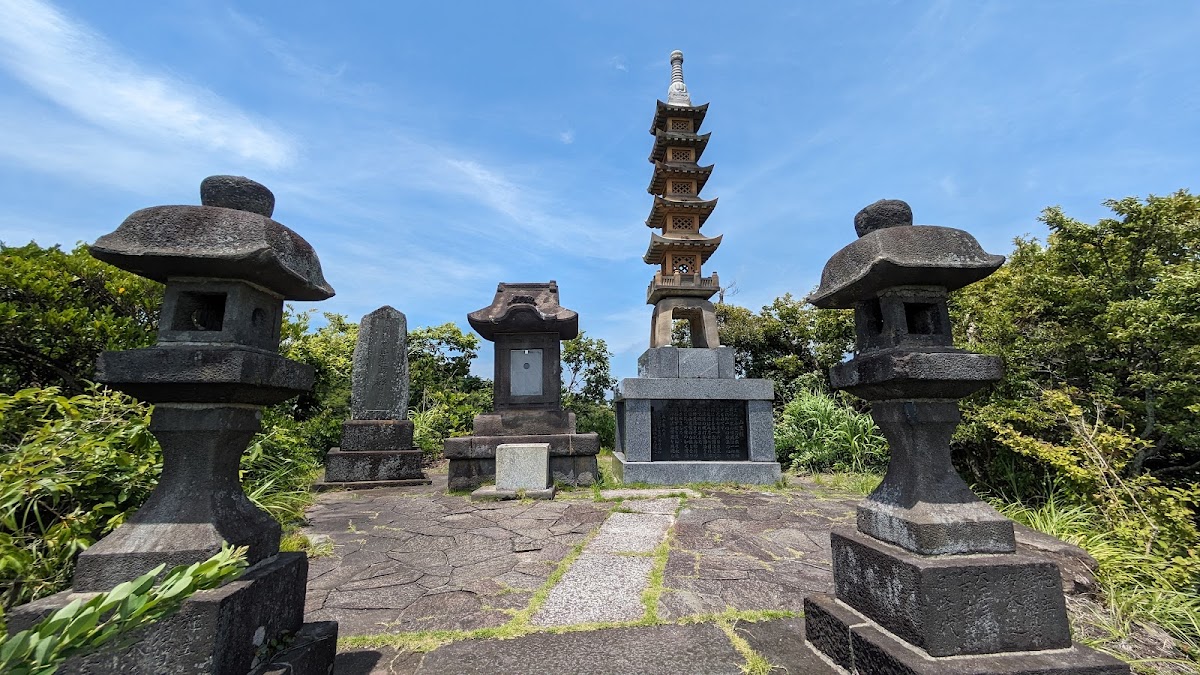
Within the temple grounds, there is a memorial tower and stone monument commemorating the story of a nun offering botamochi (rice cakes) from the viewing platform. This memorial tower, symbolizing the purity and courage of faith, deeply moves the hearts of visitors.
Views from the Temple Grounds
Hogenji Temple is located on a lush, hilly area, offering panoramic views of the sea of Kamakura from its grounds. On clear days, you can enjoy the beautiful scenery of Enoshima and Sagami Bay, and find peace of mind in a tranquil environment. Its location overlooking the site of the Tatsunokuchi Persecution adds to its historical significance.
Relationship with Surrounding Historical Sites
Hogenji Temple is located on the hillside behind Ryukoji Temple. Visiting both temples together allows for a deeper understanding of the Tatsunokuchi Persecution. Ryukoji Temple has numerous historical sites associated with Nichiren Shonin, including the site of the execution grounds. A pilgrimage to both Hogenji and Ryukoji offers a valuable experience of tracing Nichiren Shonin’s footsteps.
Annual Events at Hogenji Temple
Memorial Services Related to Nichiren Shonin
As a Nichiren Buddhist temple, Hogenji Temple holds various memorial services, primarily around October 13th, the anniversary of Nichiren Shonin’s death. Especially around September 12th, the anniversary of the Tatsunokuchi Persecution, special memorial services are sometimes held in cooperation with Ryukoji Temple.
Spring and Autumn Equinox Services
During the spring and autumn equinoxes, parishioners and local residents gather for memorial services to honor their ancestors. The temple grounds are particularly beautiful during this time, attracting many visitors.
Access Methods
Access by Train
The most convenient way to access Hogenji Temple is by using the Enoshima Electric Railway (Enoden).
Nearest Station: Enoshima Electric Railway “Enoshima Station”
Travel Time: Approximately 8 minutes on foot from Enoshima Station
After alighting at Enoshima Station, head towards Ryukoji Temple and aim for Hogenji Temple, located on the hillside behind Ryukoji Temple. There are signs along the way, but checking a map beforehand will make the journey smoother.
Access by Car
If visiting by car, the following route is convenient.
- From Yokohama: Head west on National Route 134 (Shonan Road), then turn north near the Koshigoe intersection.
- From Odawara: Head east on National Route 134 towards Koshigoe.
Parking: Hogenji Temple may not have its own parking lot, so we recommend using the nearby Ryukoji Temple parking lot or other public parking lots. We recommend contacting the temple in advance.
Access by Bus
You can also take a bus from Kamakura Station or Fujisawa Station. Get off at the “Koshigoe” bus stop on the Enoden Bus line, and it’s about a 10-minute walk from there.
Notes and Manners for Visiting
Visiting Hours
Hogenji Temple is generally open for daytime visits, but we recommend checking the specific opening and closing times in advance. Generally, visits are possible from 9:00 AM to around 4:00 PM.
Photography
Photography is generally permitted on the temple grounds, but restrictions may apply inside the main hall and in certain areas. Please check before taking photos and be considerate of other visitors.
Dress Code and Attitude
When visiting a temple, it is advisable to avoid revealing clothing and to worship quietly. Particular care should be taken during religious services to avoid disturbing others.
Nearby Tourist Attractions
Ryukoji Temple
Ryukoji Temple is the closest important historical site to Hogenji Temple. As a sacred site of the Ryunokuchi Persecution, it is a temple of a status comparable to the four main temples of the Nichiren sect. With many attractions such as a five-story pagoda and a stupa, visiting both Hogenji Temple and Ryukoji Temple will allow for a deeper understanding of the history of the Ryunokuchi Persecution.
Enoshima Island
Enoshima Island, within walking distance of Enoshima Station, is a representative tourist destination of Shonan. Enoshima Shrine, Iwaya Caves, and observation decks offer plenty of sights to see, making it an ideal stop after visiting Hogenji Temple.
Koshigoe Fishing Port
Koshigoe Fishing Port, where fresh seafood is landed, is a place to experience local food culture. There are many restaurants where you can enjoy shirasu-don (whitebait rice bowl) and other seafood dishes, making it a great place to eat after visiting the temple.
Kamakura Daibutsu (Kōtoku-in Temple)
The Kamakura Daibutsu, a representative tourist attraction of Kamakura, can be accessed in about 20 minutes by Enoden train. It’s a popular choice for a one-day tour of Kamakura’s historical temples, including Hogenji Temple.
Cultural Significance of Hogenji Temple
Position in the Nichiren Sect
Hogenji Temple holds special significance in the history of the Nichiren sect as a temple involved in the Tatsunokuchi Persecution, the greatest crisis in the life of Nichiren Shonin. The legend of the botamochi (rice cake) is a story symbolizing the purity and courage of faith, and has been passed down through generations of believers.
Connection with the Local Community
Hogenji Temple has functioned as a center of faith in the Koshigoe region for over 700 years. It continues to play an important role today as a family temple and spiritual haven for the local people.
Value as a Cultural Property
While Hogenji Temple itself is not a nationally or prefecturally designated cultural property, its historical background and traditions are valuable resources for understanding the religious history of Kamakura, particularly the history of the Nichiren sect. The botamochi legend is known as one of the most humane and moving stories in Japanese Buddhist tales.
Significance of Visiting Hogenji Temple
Learning History
By visiting Hogenji Temple, you can learn about the realities of religious persecution during the Kamakura period and important turning points in the life of Nichiren Shonin. The Tatsunokuchi Persecution is a significant event in the history of Japanese Buddhism, and standing at the site allows you to feel history more intimately.
Feeling the Power of Faith
The act of the nun offering botamochi is a symbolic event demonstrating the purity and courage of faith. The unwavering faith of those who persevered even amidst oppression by those in power offers many valuable lessons for us living in the modern age.
Meditation in Silence
The tranquil grounds of Hogenji Temple are ideal for escaping the hustle and bustle of everyday life and finding peace of mind. Combined with its location on a hill overlooking the sea, it provides an environment perfectly suited for spiritual refreshment.
Model Pilgrimage Course
Half-Day Course (Focusing on Hogenji and Ryukoji Temples)
- Arrive at Enoshima Station (10:00 AM)
- Visit Ryukoji Temple (10:15 AM – 11:15 AM) – Visit the Five-Storied Pagoda, Stupa, and Main Hall
- Visit Hogenji Temple (11:20 AM – 12:00 PM) – Visit the Main Hall and stroll around the temple grounds
- Lunch (12:15 PM – 1:15 PM) – Seafood cuisine near Koshigoe Fishing Port
- Enoshima Sightseeing (1:30 PM – 3:30 PM)
Full-Day Course (Touring the Kamakura Area)
- Arrive at Kamakura Station (9:00 AM)
- Visit the Kamakura Great Buddha and Hase-dera Temple (9:30 AM – 11:30 AM)
- Travel by Enoden Train (11:30-12:00)
- Lunch (12:00-13:00)
- Visit Ryukoji Temple (13:15-14:15)
- Visit Hogenji Temple (14:20-15:00)
- Enoshima Island Sightseeing (15:15-17:00)
Summary
Hogenji Temple is a historic Nichiren Buddhist temple located in Koshigoe, Kamakura City. Since its founding in 1318, it has continued to pass down the memory of the Ryunokuchi Persecution for over 700 years. Its affectionate nickname, “Botamochi Temple,” stems from a touching story of a nun offering botamochi (rice cakes) to Nichiren Shonin.
Hogenji Temple is a historic Nichiren Buddhist temple located in Koshigoe, Kamakura City. As one of the eight temples that take turns guarding the site of the Tatsunokuchi Persecution alongside Ryukoji Temple, Hogenji Temple holds special significance for Nichiren Buddhist followers and is also a valuable place for general tourists to gain a deep understanding of Kamakura’s history and culture.
Conveniently located about an 8-minute walk from Enoshima Station, the temple grounds offer a magnificent view of the Kamakura sea. Visiting Hogenji Temple along with Ryukoji Temple and Enoshima will allow you to enjoy a fulfilling Kamakura and Shonan sightseeing experience.
Spending time in the tranquil temple grounds to reflect on history and contemplate the power of faith and human courage will be a valuable experience for those of us living in modern society. When you visit Kamakura, be sure to stop by Hogenji Temple.