Complete Guide to Toshōji Temple (Zushi City, Kanagawa Prefecture) | History, Cultural Properties, and Access Information
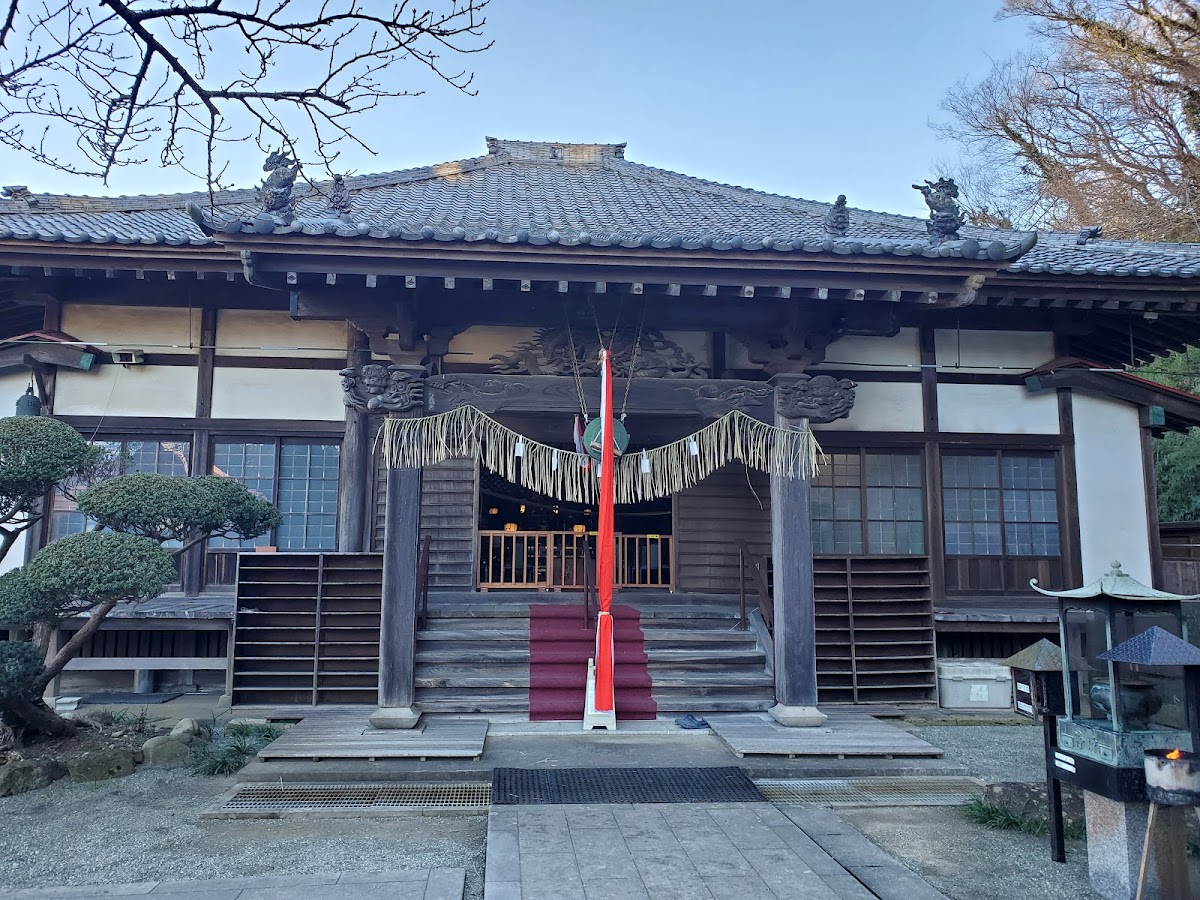
Toshōji Temple, located in Ikego, Zushi City, Kanagawa Prefecture, is an ancient temple of the Koyasan Shingon sect that conveys the turbulent history of the late Kamakura period. It houses a nationally designated important cultural property, a five-tiered pagoda, and the largest wooden seated statue of Amida Buddha on the Miura Peninsula. It is also known as one of the Shonan Seven Lucky Gods. This article comprehensively explains everything you need to know before visiting Toshōji Temple, from its historical background and cultural properties to access methods.
History of Toshōji Temple | Deep Connection with Kamakura Tōshōji Temple
From Tōshōji Temple to Toshōji Temple | Circumstances of its Founding
The history of Toshōji Temple is deeply intertwined with the Hōjō clan’s regency during the Kamakura period. Originally, Toshōji Temple was built in Nishigaya, Kamakura (present-day Komachi, Kamakura City) during the Kamakura period by Lord Hōjō Yasutoki as the family temple for successive regents. This Toshōji Temple is the predecessor of Tōshōji Temple.
On May 22, 1333 (Genkō 3), a large army led by Nitta Yoshisada attacked Kamakura from Inamuragasaki. During this attack on Kamakura, Hōjō Takatoki and the rest of the Hōjō clan committed suicide at Toshōji Temple, and the Kamakura Shogunate fell. This historical event is known as the “Battle of Toshōji Temple.”
The Rescue of the Principal Image by Abbot Shinkai and the Establishment of Tōshōji Temple
Amidst the chaos of the attack on Kamakura, Abbot Shinkai, who was the head priest of Toshōji Temple at the time, successfully escaped with the principal image, the Dainichi Nyorai (Vairocana Buddha). Abbot Shinkai took refuge in Ikego (present-day Ikego, Zushi City), where he founded a temple to pray for the souls of the Hojo clan. This is considered the origin of Toshōji Temple.
The name Toshōji inherits the character “To” from Toshōji Temple, and the character “Sho” signifies prosperity and flourishing. It can be said that the temple name embodies the wish to carry on the spirit of Toshōji Temple, which perished in Kamakura, and to continue praying for the souls of the Hojo clan in this new location.
Mountain Name and Sect of Seiryūzan Toshōji Temple
The official name of Toshōji Temple is “Seiryuzan Toshōji.” It belongs to the Koyasan Shingon sect, and its principal image is Dainichi Nyorai. The Shingon sect is a branch of esoteric Buddhism founded by Kobo Daishi Kukai, and the tradition of Shingon esoteric Buddhism has been passed down at Toshōji Temple to this day.
Cultural Properties of Toshōji Temple | Valuable Heritage Designated by the National and Municipal Governments
Nationally Designated Important Cultural Property | Five-Ring Pagoda
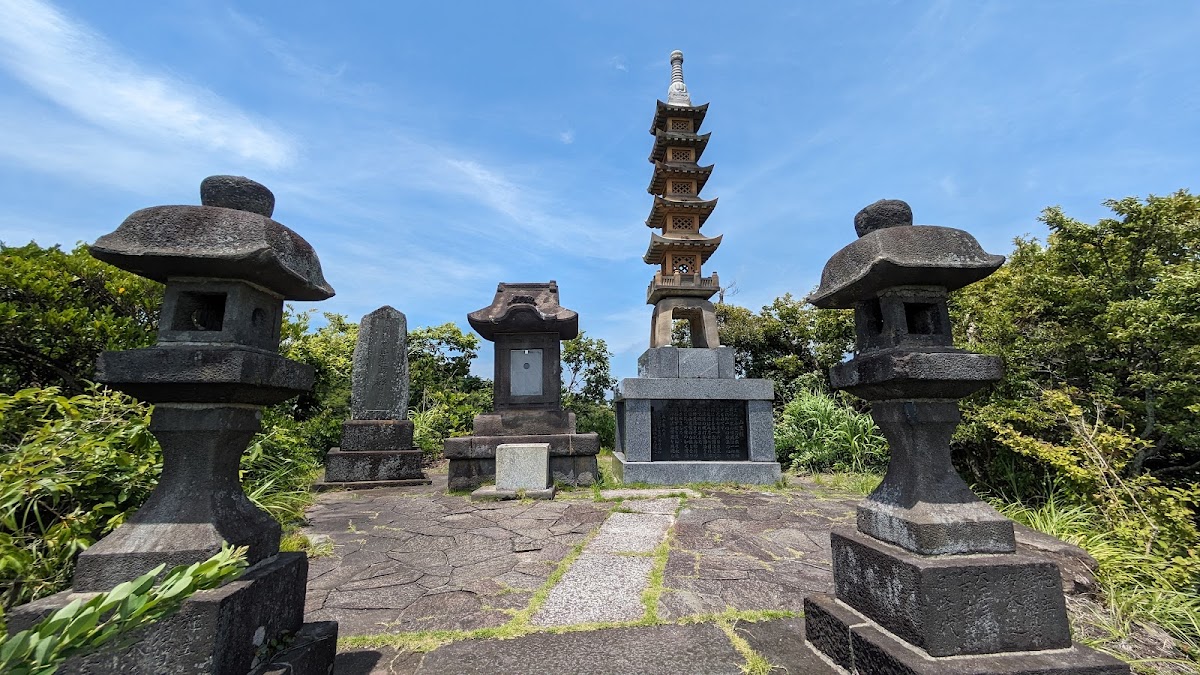
Within the grounds of Toshōji Temple is a five-ring pagoda designated as a nationally important cultural property. This pagoda is a valuable stone structure that strongly retains the style of the Kamakura period, and it is said to have been erected to commemorate the Hojo clan who committed suicide at Tōshōji Temple.
The five-ring pagoda is composed of five parts from bottom to top: the earth ring (square), water ring (circular), fire ring (triangular), wind ring (half-moon shape), and void ring (jewel shape), representing the five elements of the universe in Buddhism. The five-ring pagoda at Toshōji Temple is in good condition and is an important resource for studying stone art of the Kamakura period.
Zushi City Designated Cultural Property | Jōroku Amida Nyorai Statue
In the Amida Hall of Toshōji Temple, a Jōroku (approximately 16-foot) seated statue of Amida Nyorai, a Zushi City designated important cultural property, is enshrined. The statue stands approximately 2.6 meters tall and is known as the largest wooden Buddha statue on the Miura Peninsula.
“Jōroku” is a unit of measurement for the size of a Buddha statue, referring to a standing statue of 16 shaku (approximately 4.8 meters) or, for a seated statue, half that size, 8 shaku (approximately 2.4 meters). The seated Amida Buddha statue at Tōshōji Temple is a large Buddha statue corresponding to this Jōroku size, and its majestic appearance overwhelms visitors.
This wooden seated Amida Buddha statue exhibits characteristics of Kamakura period Buddhist sculpture, characterized by its serene expression and well-proportioned physique. Standing quietly within the Amida Hall, this Buddha statue has attracted the faith of many people throughout its long history.
Other Cultural Assets and Highlights
Besides the five-ring pagoda and the Jōroku Amida Buddha statue, Tōshōji Temple has many other historically valuable Buddha statues and stone artifacts. A stroll through the temple grounds allows you to feel the traces of faith from various eras.
Shonan Seven Lucky Gods | Hosen Fukurokuju
As one of the temples on the Shonan Seven Lucky Gods pilgrimage
Toshōji Temple enshrines Fukurokuju, one of the Shonan Seven Lucky Gods. Officially known as “Hosen Fukurokuju,” it is bustling with many worshippers on the Seven Lucky Gods pilgrimage during the New Year.
Fukurokuju is worshipped as a god who bestows the three virtues of fortune (happiness), wealth (wealth), and longevity, originating from Chinese Taoism. He is typically depicted with a long head and white beard, holding a staff and a scroll.
How to enjoy the Seven Lucky Gods pilgrimage
The Shonan Seven Lucky Gods pilgrimage is a New Year’s tradition deeply rooted in the community. It is a custom to pray for happiness throughout the year by visiting seven temples and shrines, including Toshōji Temple. It’s common to visit each temple and shrine on foot or by bicycle, collecting Goshuin (temple/shrine stamps), and it’s a popular historical walking tour of the Zushi and Kamakura area.
At Toshōji Temple, special worship of Fukurokuju (one of the Seven Lucky Gods) is possible during the New Year period, and Goshuin and commemorative gifts are given to visitors on the Seven Lucky Gods pilgrimage.
Annual Events at Toshōji Temple
Setsubun Festival
At Toshōji Temple, the Setsubun Festival is held every year on Setsubun. Bean-throwing and prayers for warding off evil are performed, making it a traditional event with many local people participating. As a Shingon Buddhist temple, its prayers for warding off evil are based on esoteric Buddhist practices.
New Shikoku Eastern Japan Eighty-Eight Sacred Sites, Temple No. 79
Toshōji Temple is designated as the 79th temple of the New Shikoku Eastern Japan Eighty-Eight Sacred Sites, and as a pilgrimage site modeled after the Shikoku Eighty-Eight Sacred Sites, it is visited by pilgrims. It has a long history as a pilgrimage site, and many pilgrims have visited it.
Access to Toshōji Temple | Transportation and Surrounding Information
Basic Information
- Location: 2-8-33 Ikego, Zushi City, Kanagawa Prefecture
- Sect: Koyasan Shingon Buddhism
- Mountain Name: Seiryūzan
- Principal Image: Dainichi Nyorai
- Founded: Genkō 3 (1333)
- Founder: Shinkai Osho
Access by Train
Toshōji Temple is very easily accessible by public transportation. The nearest station is Jinmuji Station on the Keikyu Zushi Line, and the temple is conveniently located about a 3-minute walk from the station.
- Keikyu Zushi Line “Jinmuji Station”: Approximately 3 minutes on foot (approx. 100m)
- JR Yokosuka Line “Higashi-Zushi Station”: Approximately 10 minutes on foot
- JR Yokosuka Line “Zushi Station”: Approximately 15 minutes on foot, or by bus
Jinmuji Station is a local train stop only, but it is easily accessible from both Yokohama and the Miura Peninsula via the Keikyu Line. The path from the station to the temple is flat, and there are well-maintained signs, so even first-time visitors can arrive without getting lost.
Access by Car
If traveling by car, the nearest interchanges are the Asahina Interchange or the Zushi Interchange on the Yokohama-Yokosuka Expressway.
- Yokohama-Yokosuka Expressway “Asahina IC”: Approximately 15 minutes
- Yokohama-Yokosuka Expressway “Zushi IC”: Approximately 10 minutes
Regarding parking, there is parking space for visitors on the temple grounds, but the number of spaces is limited, so we recommend using public transportation during busy periods such as long holidays and New Year’s.
Nearby Tourist Attractions
The area around Toshōji Temple is dotted with historical temples and shrines, as well as spots where you can enjoy nature.
- Jinmuji Temple: An ancient Tendai sect temple within walking distance of Toshōji Temple. It has deep ties to the Kamakura Shogunate, and the temple grounds contain a bell tower that is a nationally designated important cultural property.
- Hiroyama Park: A park located on a hill in Zushi City, offering wonderful views of Sagami Bay and Mt. Fuji.
- Zushi Beach: One of the representative beaches of Shonan. You can enjoy swimming in the summer, and strolling and marine sports in other seasons.
- Kamakura: Toshōji Temple is approximately a 15-minute drive from Kamakura city center, or about 20 minutes by train. Combining a visit with a tour of Kamakura’s temples and shrines is highly recommended.
About Toshōji Temple and its Cemetery
Toshōji Temple as a Temple Cemetery
Toshōji Temple has an attached temple cemetery, which is also used as a burial place for the general public. As a temple of the Koyasan Shingon sect, it accepts not only Shingon parishioners but also people of all sects.
The availability, price, and conditions of cemetery plots vary depending on the time of year, so it is recommended to contact Toshōji Temple directly for details. Its convenient location, approximately a 3-minute walk from Jinmuji Station, makes it a popular and easily accessible cemetery.
For Those Considering a Burial Plot
If you are considering purchasing a burial plot at Toshōji Temple, the following is a general procedure:
- Viewing Reservation: Contact the temple in advance to make a viewing reservation.
- On-site Visit: Visit the temple grounds and cemetery to assess the atmosphere and environment.
- Confirmation of Conditions: Confirm details such as sectarian requirements, perpetual usage fees, and management fees.
- Contract: After agreeing to the conditions, sign a contract for the use of the burial plot.
- Gravestone Construction: Consult with a stonemason to proceed with the design and construction of the gravestone.
- Consecration Ceremony: After the gravestone is completed, an consecration ceremony (soul-entering ceremony) will be held.
Points to Note When Visiting Toshōji Temple
Manners During Visits
Toshōji Temple is a temple that still functions as a place of worship. Please observe the following manners when visiting:
- Respect: Be quiet on the temple grounds and be considerate of other visitors and nearby residents.
- Photography Permission: It is advisable to obtain permission in advance for photographing cultural properties and Buddhist statues.
- Dress Code: There are no strict dress code regulations, but it’s best to avoid revealing clothing.
- Offering: It is customary to offer a monetary donation when visiting the temple.
Recommended Time to Visit
Toshōji Temple offers beautiful scenery throughout the seasons, but there are particularly recommended times to visit.
- New Year’s (January 1st-7th): This is the time for the Shonan Seven Lucky Gods pilgrimage, and you can enjoy a special visit to Fukurokuju.
- Setsubun (February 3rd): A Setsubun festival is held, allowing you to experience traditional customs.
- Spring (Late March-April): It’s cherry blossom season, and the temple grounds are beautifully in bloom.
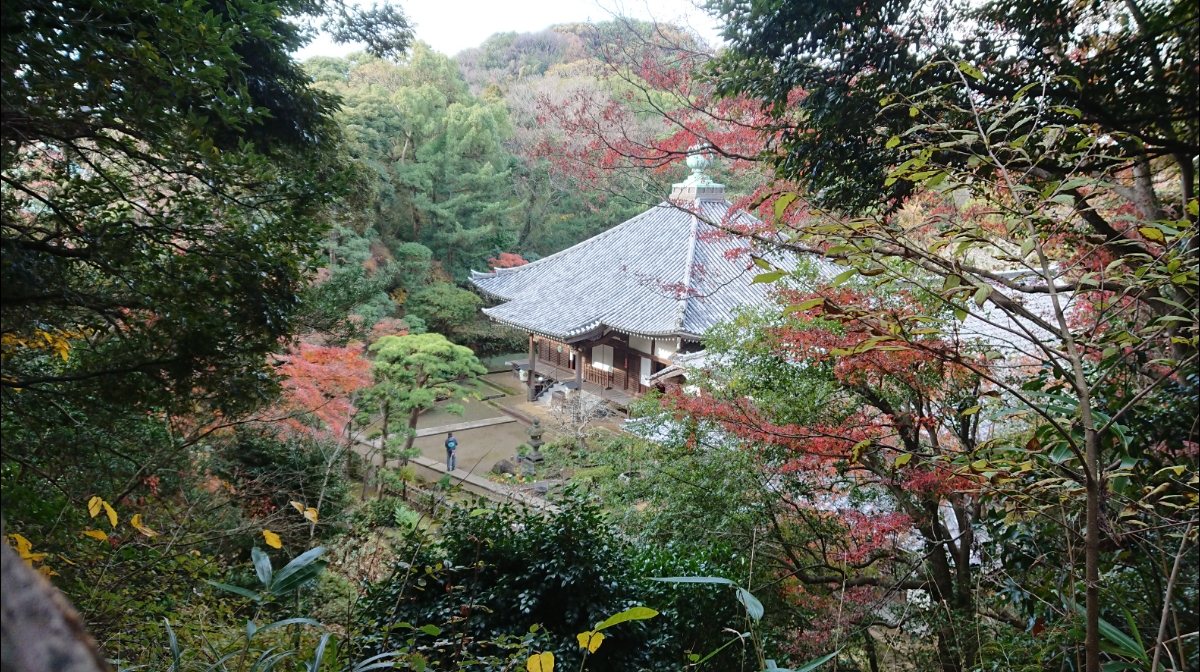
- Autumn (November): It’s the season for autumn leaves, and the quiet temple grounds are adorned with vibrant colors.
Estimated Time Required
While the grounds of Toshōji Temple are not particularly large, it’s advisable to allow 30 minutes to an hour to carefully appreciate the cultural artifacts and offer quiet prayers. If you plan to explore nearby temples such as Jinmuji Temple and Ikego Forest Nature Park, it’s recommended to allocate half a day.
The Charm of Toshōji Temple | A Space to Experience History
Conveying the History of the Kamakura Period
The greatest charm of Toshōji Temple lies in its historical value, conveying a crucial turning point in Japanese history: the fall of the Kamakura Shogunate. The dramatic story of the Hojo clan’s downfall, the tragedy of Toshōji Temple, and the rescue of the main image by Abbot Shinkai can still be felt through the temple’s five-tiered pagoda and cultural artifacts, nearly 700 years later.
The Center of Buddhist Culture on the Miura Peninsula
The precious cultural artifacts, including the Jōroku Amida Buddha statue, at Toshōji Temple, attest to the richness of Buddhist culture on the Miura Peninsula. Often overshadowed by the bustling metropolis of Kamakura, the Zushi-Hayama area boasts numerous examples of outstanding Buddhist art, with Toshōji Temple being a prime example.
A Space of Tranquility and Prayer
Located in the quiet residential area of Ikego, Toshōji Temple is easily accessible from urban areas, yet maintains a tranquil atmosphere within its grounds. It’s a precious space where one can escape the hustle and bustle of everyday life, find peace of mind, and offer prayer.
Summary | The Value of Visiting Toshōji Temple
Toshōji Temple in Ikego, Zushi City, Kanagawa Prefecture, is an ancient temple deeply connected to the historical event of the fall of the Kamakura Shogunate. It’s a temple rich in attractions, including a nationally designated important cultural property, a five-tiered pagoda, the largest Jōroku Amida Buddha statue on the Miura Peninsula, and Fukurokuju, one of the Shonan Seven Lucky Gods.
Its excellent accessibility, just a 3-minute walk from Keikyu Jinmuji Station, is another attractive feature, making it easy to stop by during a stroll through Kamakura or sightseeing in Shonan. This temple is worth visiting for a variety of reasons, whether you’re a history buff, interested in Buddhist art, seeking tranquility in a peaceful temple, or want to visit the Seven Lucky Gods.
Founded to commemorate the Hojo clan, Toshōji Temple boasts a history of nearly 700 years. Standing in its serene grounds, you can feel the turbulent history of the Kamakura period and the feelings of those who continue to pass it down to the present day. When you visit Zushi, be sure to stop by Toshōji Temple.