Complete Guide to Chokyuji Temple: The Charm and History of Nara’s Ancient Temple Adorned with a National Treasure Main Hall and Hydrangeas
Located in Kamimachi, Ikoma City, Nara Prefecture, Chokyuji Temple is a Shingon Ritsu sect temple that captivates visitors with its Kamakura-period National Treasure architecture and seasonal flowers. This ancient temple, said to have been founded by Gyoki at the behest of Emperor Shomu, boasts the only National Treasure building in Ikoma City and is particularly popular as a hydrangea viewing spot. This article provides a detailed introduction to Chokyuji Temple, from its history and highlights to its vegetarian cuisine and access information.
History and Origin of Chokyuji Temple
The Legend of its Founding and the Story of Ono Mayumi Chokyu
While there are various theories regarding the founding of Chokyuji Temple, temple tradition states that it was founded by Gyoki at the behest of Emperor Shomu during the Nara period. The tragic legend that gave the temple its name is still told today.
During the Nara period, Ono no Mayumi Takeyumi, a powerful local figure, and his adopted son, Nagamaro, were hunting in this area with the young Emperor Shomu. A strange bird flew up from the forest, and the father and son pursued it. At that moment, a tragedy occurred: Nagamaro’s arrow accidentally struck and killed his father, Takeyumi.
Deeply saddened, Emperor Shomu took pity on Takeyumi and ordered Gyoki to build a temple. This is considered the beginning of Chokyu-ji Temple, and the temple’s name derives from this story.
Transition from the Heian to the Kamakura Period
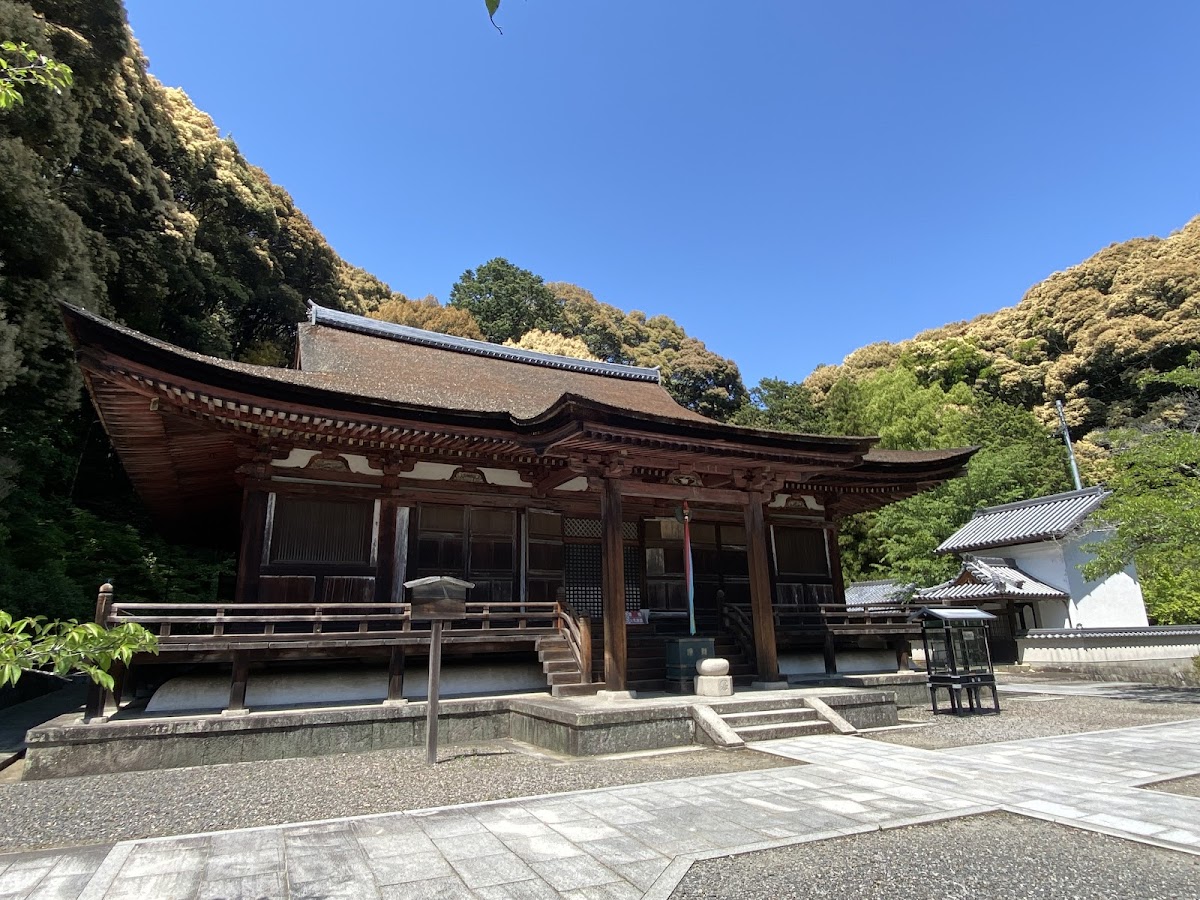
In the early Heian period, Fujiwara no Yoshitsugu rebuilt the temple buildings, giving it the appearance of a proper temple. Later, in 1279 (Koan 2), the current main hall was built. This main hall is highly regarded as a representative work of Kamakura period esoteric Buddhist temple architecture and is designated a National Treasure.
Chōkyūji Temple belongs to the Shingon Ritsu sect, and its mountain name is Mayumi-san. The principal image is the Eleven-faced Kannon Bodhisattva, and as the ninth temple of the Yamato Thirteen Buddhist Pilgrimage, it also houses Seishi Bodhisattva, the guardian deity for the first anniversary of death and the guardian deity for those born in the Year of the Horse.
Architectural Beauty of the National Treasure Chōkyūji Temple Main Hall
A Masterpiece of Kamakura Period Architecture
The Chōkyūji Temple Main Hall is the only building in Ikoma City designated as a National Treasure and is a valuable cultural asset representing Kamakura period temple architecture. It has a structure with five bays in length and six bays in width, a single-story hip-and-gable roof, a one-bay portico, and cypress bark roofing. The inscription on the ridge beam, “February 25th, Kōan 2,” clearly indicates the date of its construction, making it a valuable historical document.
A Fusion of Japanese, Indian, and Chinese Styles
The architectural style of the main hall is characterized by its elegant construction, which skillfully incorporates Indian and Chinese styles while being based on the Japanese style. To fulfill its function as a main hall for esoteric Buddhism, advanced architectural techniques were employed, such as removing pillars and exposing beams within the five-bay structure to create a spacious outer hall.
This high level of architectural skill has earned it high praise from experts, including being ranked 6th in a ranking of shrines and temples chosen by master carpenters. The hip-and-gable roof, covered with cypress bark shingles, continues to captivate visitors with its timeless beauty.
About Visiting the Main Hall
Visiting the main hall of Chokyu-ji Temple is by reservation only. Inside, you can experience the esoteric Buddhist space of the Kamakura period, with the principal image, the Eleven-Faced Kannon Bodhisattva, and other Buddhist statues designated as Important Cultural Properties. Those wishing to visit should contact Yakushi-in or Hokke-in in advance.
Highlights of Chokyu-ji Temple
As a Famous Hydrangea Spot
Chokyu-ji Temple is widely known as the “Hydrangea Temple.” From early June to early July, the temple grounds are filled with colorful hydrangeas, attracting many worshippers and tourists. The combination of hydrangeas blooming during the rainy season and the National Treasure main hall is truly a landscape that symbolizes the beauty of Japan.
During the hydrangea blooming season, the temple grounds are adorned with colors such as purple, blue, and pink, and the flowers, wet with rain, shine even more beautifully. It is also a popular spot for photography, and many beautiful photos are shared on social media.
Other Temple Buildings
In addition to the main hall, several sub-temples are scattered throughout the grounds of Chokyu-ji Temple. The main temples include Yakushi-in, Hokke-in, Ensho-in, and Hoko-in, each carrying out its own unique activities.
Yakushi-in, in addition to its regular annual events, memorial services, ancestral rites, and memorial services for stillborn babies, also holds a “Mental Health Counseling Room” and “Yakushi-in Salon” that are easily accessible to local residents, making it popular with people of all ages.
Hokke-in enshrines Aizen Myoo, a deity revered for warding off evil and for matchmaking, and is known as a temple for warding off evil in Ikoma. It is also famous for its vegetarian cuisine, which will be discussed later.
Jizo Hall and Cultural Properties
Within the temple grounds is a Jizo Hall, which is a center of local faith. Besides the main hall, a National Treasure, Chokyu-ji Temple preserves numerous Buddhist statues and ancient documents designated as Important Cultural Properties, making it a valuable resource for preserving Nara’s Buddhist culture.
Shojin Ryori (Vegetarian Cuisine) at Chokyuji Temple
Hanafu Ryori (Flower-Fu Cuisine) at Hokkein Temple
At Hokkein Temple of Chokyuji Temple, you can enjoy elaborately prepared shojin ryori (vegetarian cuisine). In particular, the dishes offered as “Hanafu Ryori” (Flower-Fu Cuisine) are gaining popularity as a new style of shojin ryori centered on sesame tofu and namafu (raw gluten) dishes.
Shojin ryori, based on Buddhist teachings, uses no animal products such as meat or fish, and is made only with plant-based ingredients such as vegetables, beans, and grains. Chokyuji Temple’s shojin ryori is characterized by its beautiful presentation and delicate flavors that are adapted to modern sensibilities, while still adhering to traditional cooking methods.
Dishes Utilizing Seasonal Ingredients
Shojin ryori menus utilize seasonal ingredients. You can enjoy the bounty of nature throughout the seasons, such as wild vegetables in spring, summer vegetables in summer, mushrooms in autumn, and root vegetables in winter. The natural flavors of the ingredients are highly valued, and meticulous attention is paid to the preparation of the broth and cooking methods.
Eating vegetarian Buddhist cuisine (Shojin Ryori) has meaning beyond mere eating. It is an experience that can truly be called “culinary training,” fostering gratitude for the ingredients, respect for the cooks, and a sense of harmony with nature. When you visit Chokyuji Temple, please be sure to try this vegetarian cuisine.
Annual Events and Beliefs
Ninth Temple of the Yamato Thirteen Buddha Pilgrimage
Chokyuji Temple is the ninth temple of the Yamato Thirteen Buddha Pilgrimage, and enshrines Seishi Bodhisattva, the guardian deity for the first anniversary of death. Seishi Bodhisattva is a bodhisattva said to illuminate all things with the light of wisdom and save people from delusion, and is also the guardian deity for those born in the Year of the Horse.
For pilgrims on the pilgrimage, Chokyuji Temple is an important pilgrimage site, and many people visit to obtain a Goshuin (temple stamp).
Funerals, Memorial Services, and Memorial Rites
Chōkyūji Yakushi-in Temple conducts funerals, memorial services, and various other memorial rites. As a temple deeply rooted in the community, we have long maintained relationships with local residents, offering services such as ancestral rites, memorial services for stillborn babies, and prayers for the deceased. Furthermore, our “Mental Health Counseling Room” allows people to consult with monks about life’s worries and emotional problems, fulfilling a new role for temples in modern society.
Access and Basic Information for Chōkyūji Temple
Location and Contact Information
Location: 4446 Kamimachi, Ikoma City, Nara Prefecture 630-0131 (Yakushi-in Temple)
Telephone Number: This varies depending on the sub-temple; we recommend checking before visiting.
Access
Access by Train:
- Approximately 15 minutes on foot from Ichibu Station on the Kintetsu Ikoma Line
- Take a bus or taxi from Ikoma Station on the Kintetsu Nara Line, Keihanna Line, or Ikoma Line
Access by Bus:
Take a Nara Kotsu bus from Ikoma Station and get off at the Chokyuji bus stop; it’s a short walk from there.
Access by Car:
Approximately 5 minutes from the Ichibu Interchange on the Daini-Hanna Expressway
Parking available (limited spaces; especially during hydrangea season, public transportation is recommended)
Visiting Hours and Admission Fees
While you are generally free to explore the temple grounds, viewing the National Treasure Main Hall requires a reservation. Please inquire with each sub-temple in advance regarding admission fees and reservation methods. Reservations are also required for vegetarian meals.
Attractions Around Chokyuji Temple
Ikoma Taisha Shrine
Located about a 10-minute drive from Chokyuji Temple, Ikoma Taisha Shrine is an ancient shrine dedicated to the god of Mount Ikoma. It is famous for its fire festival, a magnificent event held every October. Visiting both Chokyuji Temple and Ikoma Taisha Shrine is highly recommended.
Hozanji Temple
Located on the slopes of Mount Ikoma, Hozanji Temple is a Shingon Ritsu sect temple affectionately known as “Ikoma’s Shoten-san.” Known for its blessings of business prosperity and financial luck, it attracts many visitors. It is about a 20-minute drive from Chokyuji Temple.
Ryosenji Temple
Located in Nara City, Ryosenji Temple is an ancient temple known for its roses. The rose garden is in full bloom in spring and autumn, offering a different kind of beauty compared to the hydrangeas at Chokyuji Temple.
Akishino-dera Temple
Located in Nara City, Akishino-dera Temple is known for its beautiful moss garden and elegant statue of Gigeiten (the goddess of arts and crafts). You can spend a relaxing time in a tranquil atmosphere.
Points to Note When Visiting Chōkyū-ji Temple
Best Time to Visit
Chōkyū-ji Temple offers beautiful scenery throughout the four seasons, but the following times are especially recommended:
Early June to Early July:
Hydrangeas are in full bloom. The temple grounds are adorned with colorful hydrangeas, and this is the time when the most visitors come.
Spring:
The season of beautiful fresh greenery and budding trees on the temple grounds. You can visit in refreshing air.
Autumn:
During the autumn foliage season, the contrast between the National Treasure main hall and the autumn leaves is beautiful, and you can visit in a calm atmosphere.
Temple Etiquette
When visiting a temple, please observe the following etiquette. – Please behave quietly within the temple grounds and be considerate of other visitors.
- Photography is only permitted in designated areas (photography is often prohibited inside the main hall).
- Please take all your trash with you.
- Do not damage or pick plants.
- Consider using public transportation during peak seasons when the parking lot is crowded.
Nearby Accommodations
There are several accommodations in Ikoma City and Nara City near Chokyuji Temple. A plan to visit temples and shrines in the Ikoma/Nara area, including Chokyuji Temple, using hotels and inns around Nara Park as a base is recommended. There are also business hotels near Ikoma Station, offering reasonably priced accommodations.
Summary
Chokyuji Temple is an ancient temple in Nara with diverse attractions, including the architectural value of its National Treasure main hall, the beauty of seasonal flowers such as hydrangeas, authentic vegetarian cuisine, and its role as a place of faith deeply rooted in the community.
Founded by Gyoki at the behest of Emperor Shomu, this historic temple, centered around its National Treasure main hall built during the Kamakura period, continues to be a spiritual haven for many. Located in Kamimachi, Ikoma City, Nara Prefecture, a little distance from the city center, its valuable cultural assets and beautiful natural surroundings make it well worth the trip.
Whether you visit during hydrangea season, leisurely admire the National Treasure architecture in a quieter season, or purify your mind and body with vegetarian cuisine, Chokyuji Temple offers a different charm to each visitor.
When visiting Nara, be sure to extend your trip beyond famous temples like Todaiji and Kofukuji to include Chokyuji. This ancient National Treasure temple, quietly nestled in Ikoma, is sure to provide a memorable and special experience.