Chofuku-ji Temple (Ikoma City, Nara Prefecture) Complete Guide | National Treasures, Important Cultural Properties, and a Vividly Colored Pure Land World
Nearby nestled in Tawaguchi-cho, Ikoma City, Nara Prefecture, is an ancient Shingon Ritsu sect temple that maintains a tranquil atmosphere despite possessing national treasures and important cultural properties, remaining largely unspoiled by tourism. Located in the hilly area at the eastern foot of Mount Ikoma, this temple is attracting attention as a hidden gem of Nara, conveying the Pure Land world through the architectural beauty of the Kamakura period and vividly colored Buddhist paintings.
Overview and Basic Information of Chofuku-ji Temple
Chofuku-ji Temple, also known as Kinryuzan, is a Shingon Ritsu sect temple, and its principal image is a seated statue of Amida Buddha. It is located at 841 Tawaguchi-cho, Ikoma City, Nara Prefecture, surrounded by the lush green environment at the eastern foot of Mount Ikoma.
Basic Information
- Official Name: Kinryuzan Chofukuji Temple
- Sect: Shingon Ritsu Sect
- Principal Image: Seated Amida Buddha Statue
- Founder: Gyoki (Tradition)
- Location: 841 Tawaguchi-cho, Ikoma City, Nara Prefecture
- Visiting Hours: 9:00 AM – 5:00 PM (Reservations required for viewing the main hall)
- Admission Fee: 500 yen
- Parking: Free parking available
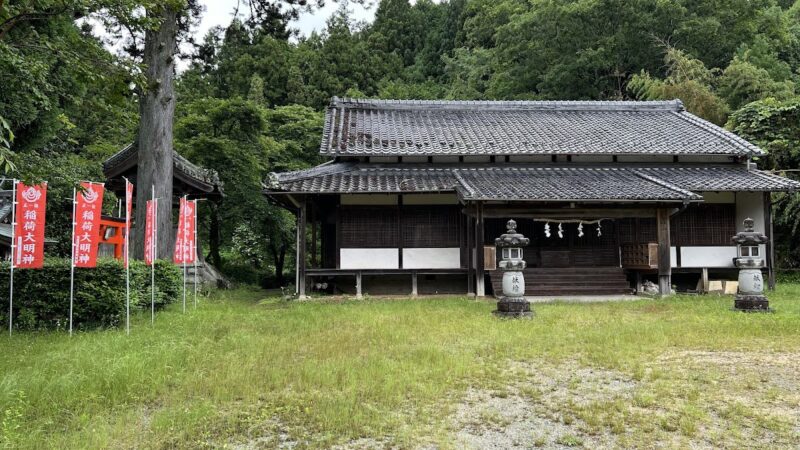
The temple grounds are not particularly vast, but centered around the main hall, which is designated as an Important Cultural Property, a tranquil space that strongly retains the atmosphere of the Middle Ages unfolds. It remains distinct from tourist temples, maintaining its character as a place of faith rooted in the local community.
History of Chofuku-ji Temple
Founding Legends and Ancient History
There are multiple legends regarding the founding of Chofuku-ji Temple, with its origins dating back to ancient times. According to temple tradition, it was founded during the Nara period by the eminent monk Gyoki at the behest of Emperor Shomu. Gyoki was a prominent monk of the Nara period, known for his contributions to the construction of the Great Buddha of Todai-ji Temple, and he undertook numerous temple and social projects, primarily in the Kinki region.
Another legend states that the temple originated during the reign of Empress Suiko (592-628), when Prince Shotoku, praying for national peace and prosperity, enshrined Bishamonten in this location. The appearance of names such as Empress Suiko, Prince Shotoku, and Gyoki—important figures in the history of Japanese Buddhism—in the founding legends is evidence of the temple’s long history of attracting worshippers.
However, there are no reliable historical documents to support these legends, and many details about the temple’s founding remain unknown. Judging from the existing buildings and cultural properties, it is believed that Chofuku-ji Temple truly functioned as a temple from the Kamakura period onward.
Restoration and Development in the Kamakura Period
The current form of Chofuku-ji Temple was mainly formed during the Kamakura period. During this time, along with the rise of the Shingon Ritsu sect, it is believed that Chofuku-ji Temple underwent restoration or large-scale renovations. The Shingon Ritsu sect was a Buddhist sect developed by Eison and Ninsho during the Kamakura period, emphasizing the restoration of precepts and the salvation of the common people.
The existing main hall is a Kamakura period building and is designated as an Important Cultural Property. Furthermore, the national treasure, the gilded bronze Nosakusho Pagoda, is also believed to be a Kamakura period work, suggesting that this period was the most important period of development for Chofuku-ji Temple.
Inside the main hall, vividly colored Buddhist paintings adorn the pillars and walls, creating a solemn space that reflects the rise of Pure Land Buddhism during the Kamakura period. These colors visualize the view of the Pure Land at that time, symbolically representing the role of the main hall as a place of worship.
Relationship with Medieval Castles
Behind the grounds of Chofuku-ji Temple, on the hillside at the eastern foot of Mount Ikoma, lie the remains of a castle built in the medieval period. These castle ruins indicate that this region was a strategically important military location during the Sengoku period (Warring States period), and further research is needed to understand the relationship between Chofuku-ji Temple and the castle.
Medieval temples were not merely religious institutions; they also functioned as centers of local politics, economy, and culture. Chofuku-ji Temple may also have played such multifaceted roles.
From the Early Modern Period to the Present
While historical records regarding the detailed history of Chofuku-ji Temple from the Edo period onward are limited, it is certain that it has continued to exist as a center of local faith. The impact of the anti-Buddhist movement during the Meiji era is thought to have been relatively minor, and important cultural properties have been preserved to this day.
Even today, Chofuku-ji Temple continues to uphold the traditions of the Shingon Ritsu sect. In recent years, projects such as the color restoration of the vividly colored Buddhist paintings inside the main hall have attracted attention, demonstrating a balance between cultural property preservation and public access.
Buildings and Temple Grounds
Main Hall (Important Cultural Property)
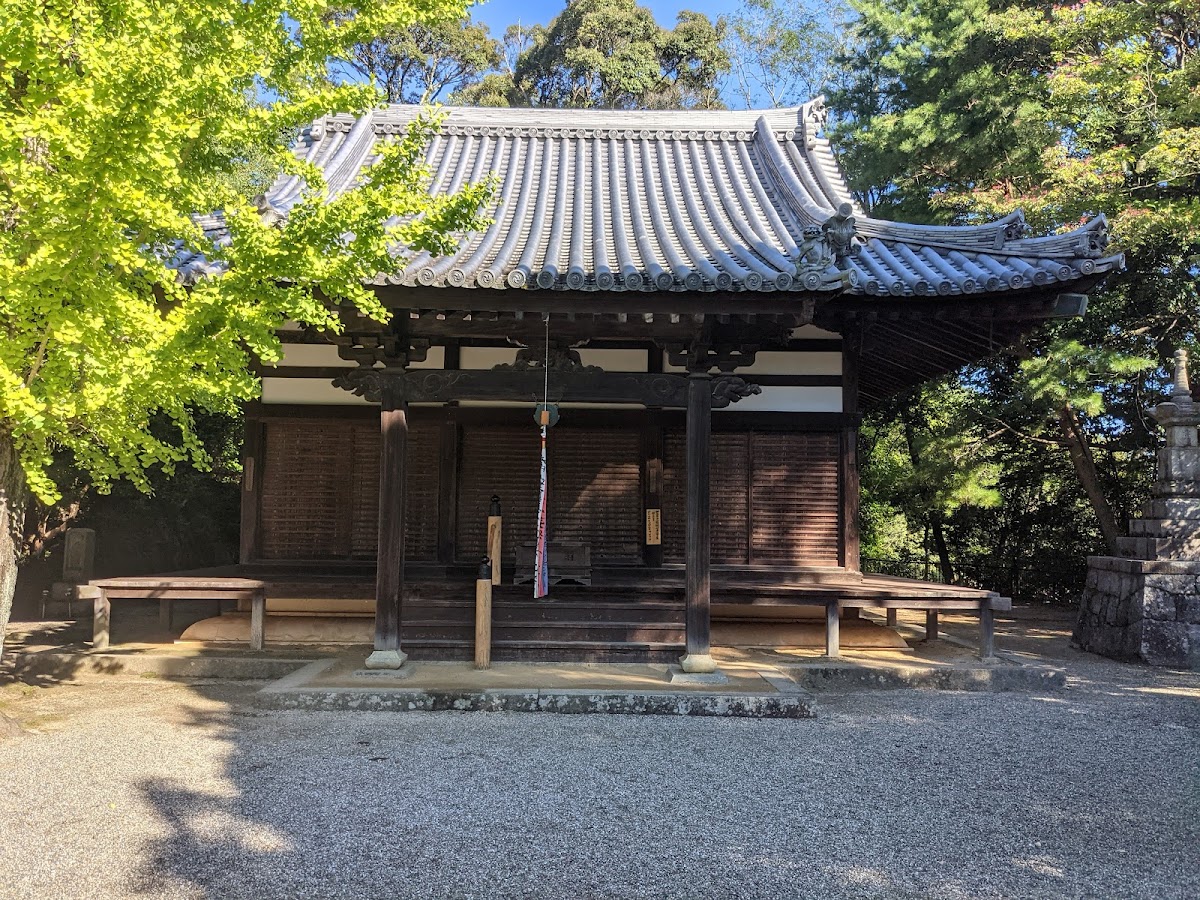
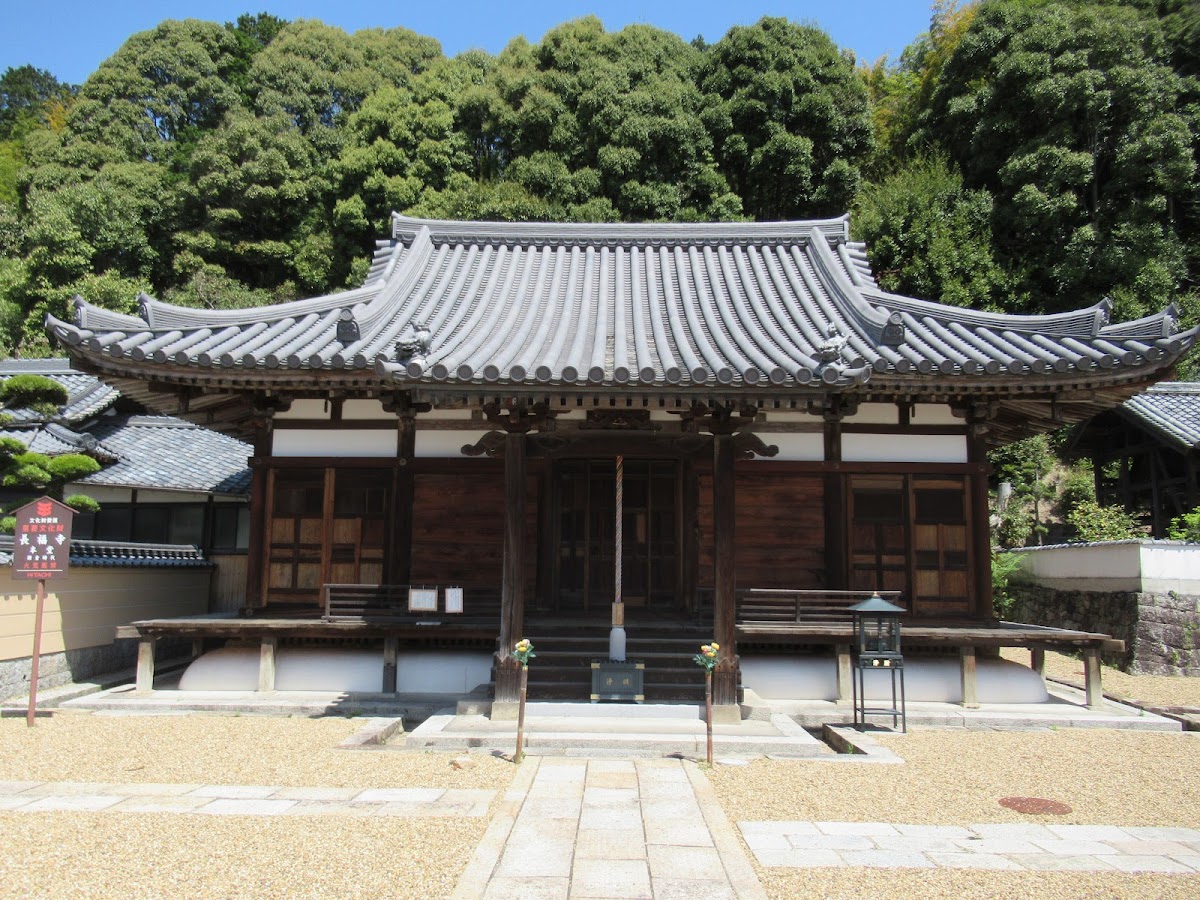
The main hall, the central building of Chofuku-ji Temple, is a valuable Kamakura period building designated as a National Important Cultural Property. It is a five-bay by five-span building with a hipped roof, retaining many characteristics of Kamakura period architecture.
Architectural Features
The structure of the main hall is typical of Kamakura period Japanese-style architecture. The roof is covered with traditional tiles, giving it a dignified appearance. The relatively large floor plan of five bays on each side indicates that this temple once held considerable power.
Vividly Colored Interior
The greatest highlight of the main hall’s interior is the vividly colored Buddhist paintings on the pillars and walls. These colors date back to the Kamakura period and visualize the Pure Land world centered on Amida Buddha. The use of vibrant colors such as red, green, and gold conveys the solemnity of the Pure Land as envisioned by people of that time.
Recent color restoration surveys have allowed for a clearer understanding of the original colors of the building. Although there is some fading and damage due to age, the remaining colors reveal the advanced painting techniques and rich religious worldview of the Kamakura period.
Principal Image: Seated Amida Buddha Statue
The seated Amida Buddha statue, the principal image enshrined in the main hall, is the heart of Chofuku-ji Temple’s faith. As the principal image of Pure Land Buddhism, it harmonizes with the vividly colored interior of the hall to depict the scene of Amida Buddha’s descent to welcome the soul.
Other Temple Grounds Structures
Besides the main hall, several other buildings and stone structures are scattered throughout the temple grounds. While not large in scale, traces of the long history of local faith can be seen everywhere.
The atmosphere of the temple grounds is tranquil, and combined with its location surrounded by the greenery of Mount Ikoma, it creates a space that evokes a deep spirituality despite being near an urban area.
Cultural Properties
Although Chofuku-ji Temple is a small temple, it possesses high-quality cultural properties, including one National Treasure, one Important Cultural Property, and one Nara Prefecture-designated Important Cultural Property.
National Treasure: Gilt Bronze Nousashōtō (Pagoda of Nousashō)
The greatest treasure of Chofuku-ji Temple is the Gilt Bronze Nousashōtō, designated as a National Treasure. It is currently on deposit at the Tokyo National Museum and is usually on display there.
What is a Nousashōtō?
A “Nousashōtō” is a small pagoda built to enshrine Buddha’s relics (the remains of Shakyamuni Buddha), and was erected by believers to accumulate merit. “Nousashō” means “to create a good life,” that is, to attain a good afterlife.
Characteristics of the Gilt Bronze Nousashōtō
The Gilt Bronze Nousashōtō at Chofuku-ji Temple dates back to the Kamakura period and is an exquisitely crafted work of gilded bronze. Although a small tower, only a few tens of centimeters tall, it is meticulously crafted down to the smallest detail and is considered a masterpiece demonstrating the high level of metalworking technology of the Kamakura period.
The tower’s body is adorned with inscriptions and decorations, making it a valuable historical document for understanding the background of its construction and the religious practices of the time. Its designation as a National Treasure signifies the high regard for its artistic value and historical significance.
Storage at the Tokyo National Museum
Currently, this National Treasure is on deposit at the Tokyo National Museum for preservation and public display purposes. It is regularly exhibited at the museum, providing more people with the opportunity to see this precious cultural property. When visiting Chofuku-ji Temple, it is recommended to check the Tokyo National Museum’s exhibition schedule.
Important Cultural Property: Main Hall
As mentioned above, the main hall of Chofuku-ji Temple is designated as a National Important Cultural Property. Its importance in architectural and art history is recognized as a Kamakura period building and as a structure that retains vividly colored Buddhist paintings inside.
Nara Prefecture Designated Important Cultural Property: Wooden Black Lacquer Painted Shrine
Chofuku-ji Temple houses a wooden black lacquer painted shrine, a Nara Prefecture designated Important Cultural Property. This shrine (a box-shaped Buddhist implement for housing Buddha statues, etc.) is believed to be from the Kamakura period, and features painted designs on its black lacquer surface.
Shrines are important Buddhist implements for protecting and simultaneously adorning Buddha statues. The shrine at Chofuku-ji Temple is designated as a prefectural cultural property, representing a culmination of Kamakura period lacquerware and painting techniques.
Other Cultural Properties
In addition to the designated cultural properties mentioned above, Chofuku-ji Temple also possesses Buddha statues, Buddhist implements, and ancient documents dating back to the medieval period. While these are not designated cultural properties, they are carefully preserved as valuable historical materials that tell the story of the temple’s history.
The Vivid Color Restoration Project and the Recreation of the Pure Land
In recent years, research and studies on the vividly colored Buddhist paintings in the main hall of Chofuku-ji Temple have progressed, and the color restoration project has attracted attention.
Significance of the Project
The vivid colors inside the main hall have faded and peeled over nearly 800 years. The color restoration project aims to revive the world of the Pure Land as seen by people in the Kamakura period by using the latest scientific research methods to reveal the original colors and restoring them with digital technology.
The Revived World of the Pure Land
Restoration research has revealed that the Pure Land world, centered on Amida Buddha, was depicted in vivid colors such as gold, vermilion, and verdigris inside the main hall. The ceiling, pillars, and walls were all covered in vivid colors, making the entire hall a three-dimensional mandala representing the Pure Land.
This vividly colored space is a visual representation of the Pure Land faith that flourished during the Kamakura period. The believers chanting the Buddhist prayers must have experienced something akin to being in paradise itself in this vibrantly colored space.
Balancing Cultural Heritage Preservation and Public Access
The color restoration project is an attempt to reconcile two sometimes conflicting demands: cultural heritage preservation and public access. While prioritizing the preservation of the original artifacts, utilizing technologies such as digital restoration makes it possible to convey the value of cultural heritage to a wider audience.
Chofuku-ji Temple’s efforts are expected to serve as a pioneering model case for the utilization of cultural heritage in small, local temples, and its future development is anticipated.
Access
Chofuku-ji Temple is located in a hilly area somewhat removed from the city center of Ikoma, making public transportation somewhat inconvenient. Visiting by private car is the most convenient option, but buses and taxis are also available.
Access by Train and Bus
Using Kintetsu Nara Line/Keihanna Line
- Get off at Ikoma Station on the Kintetsu Nara Line or Kintetsu Keihanna Line.
- Take a bus or taxi from the station (approximately 10-15 minutes).
- Walk for approximately 30-40 minutes (approximately 2.5 km, includes hills).
Using Nara Kotsu Bus
Take a Nara Kotsu bus from Ikoma Station and get off at the Tawaraguchi bus stop. Approximately 10 minutes on foot. However, bus service is limited, so it is necessary to check the timetable in advance.
Access by Private Car
From Osaka
- Take the Hanna Expressway towards Ikoma
- From Ikoma city center, take the prefectural road towards Tawaguchi-cho
- Travel time: Approximately 40-50 minutes from Osaka city
From Nara
- Take National Route 308 or the prefectural road towards Ikoma city
- Travel time: Approximately 30-40 minutes from Nara city
From Kyoto
- Take the Keina-Wa Expressway towards Ikoma
- Travel time: Approximately 60-70 minutes from Kyoto city
Parking Information
Chofuku-ji Temple has a free parking lot. However, spaces are limited, so early arrival is recommended, especially on weekends and during special viewing periods.
Nearby Tourist Attractions
When visiting Chofuku-ji Temple, it is efficient to plan a sightseeing route that combines it with other tourist attractions in Ikoma city and the surrounding area.
- Ikoma Sanjo Amusement Park: An amusement park located on the summit of Mt. Ikoma, offering magnificent views of the Osaka Plain.
- Hozanji Temple: The head temple of the Shingon Ritsu sect, located on the slopes of Mt. Ikoma.
- Chikurinji Temple: A temple associated with Gyoki.
- Ikoma City Center: An area with many shops and restaurants.
Visiting Information and Precautions
Visiting Hours and Fees
- Temple Grounds Visiting: Generally free (free of charge)
- Interior Hall Visiting: Reservation required, 9:00 AM – 5:00 PM, 500 yen admission fee
- Regular Closing Days: Irregular (advance confirmation recommended)
Precautions for Visiting
Importance of Advance Reservation
Advance reservations are required for interior hall visits at Chofukuji Temple. Especially if you wish to view the vividly colored Buddhist paintings inside the main hall, please be sure to make a reservation by phone or other means in advance. Due to the small size of the temple, there are limitations on the number of people and time that can be accommodated.
Regarding Photography
Photography is generally permitted within the temple grounds, but prior permission is required for photography inside the main halls. Flash photography is strictly prohibited for the preservation of cultural properties.
Attire and Items to Bring
- Appropriate attire for temple visits (avoid revealing clothing)
- Easy-to-remove footwear is convenient
- Comfortable walking shoes are recommended due to slopes and stairs
- Insect repellent is recommended during summer
Visiting Etiquette
Chofuku-ji Temple is not a tourist temple, but a temple that still functions as a place of worship. Please maintain silence and be considerate of other visitors and nearby residents during your visit.
Goshuin Information
Goshuin (temple stamps) are available at Chofuku-ji Temple. Goshuin are popular among many visitors as a memento of their temple visit and as proof of their faith.
Types of Goshuin
Chofuku-ji Temple’s goshuin features the temple name and principal image name written in ink, stamped with a red seal. While there may be slight variations depending on the calligrapher and time of year, you will always receive a carefully written goshuin (temple stamp).
Notes on Receiving a Goshuin
- Bring your goshuincho (stamp book) (confirm whether pre-written stamps are available)
- Request before or after your visit
- Prepare the goshuin fee (usually around 300-500 yen)
- You may not be able to receive a goshuin if the head priest or temple staff are absent
- Understand that a goshuin is proof of your visit, not a stamp rally.
The Charm and Significance of Visiting Chofuku-ji Temple
A Hidden Gem Known Only to Those in the Know
The greatest charm of Chofuku-ji Temple lies in its tranquil atmosphere, which remains unspoiled by tourism despite possessing national treasures and important cultural properties. While Nara boasts many famous temples such as Todai-ji and Kofuku-ji, it can be said that the essence of Japanese temple culture resides in smaller temples like Chofuku-ji, which possess high-quality cultural assets.
Experiencing the Faith of the Kamakura Period
The vividly colored Buddhist paintings inside the main hall are a precious legacy that directly conveys the worldview of Pure Land Buddhism held by people in the Kamakura period. By being in this space, we can touch the spiritual world of people from 800 years ago.
On the Front Lines of Cultural Property Preservation
The cultural property preservation efforts at Chofuku-ji Temple, including the color restoration project, are attracting attention as a model case for the utilization of cultural properties in local temples. Visitors can not only see old buildings and works of art, but also witness the activities undertaken to pass on cultural properties to future generations.
The History of the Ikoma Region
Chofuku-ji Temple is also important when considering the history of the Ikoma region. What role has this temple played in the region’s history, from ancient times to the Middle Ages and early modern period? Standing on the temple grounds, one can feel the layered nature of this history.
Summary
Located in Tawaguchi-cho, Ikoma City, Nara Prefecture, Chofuku-ji Temple is an ancient temple of the Shingon Ritsu sect, with a tradition of being founded by Gyoki. Despite possessing high-quality cultural assets such as the National Treasure, the Gilt Bronze Nosaku Pagoda, the Important Cultural Property Main Hall, and the Nara Prefecture Designated Important Cultural Property, the Wooden Black Lacquer Painted Shrine, Chofuku-ji Temple maintains a tranquil atmosphere unspoiled by tourism.
In particular, the vividly colored Buddhist paintings remaining inside the Main Hall, built during the Kamakura period, are a valuable legacy visualizing the Pure Land Buddhism of that time, and their value has been further revealed by recent color restoration projects.
While access is somewhat inconvenient, this is precisely what has preserved its tranquility and spirituality. Reservations are required for viewing the interior of the hall, but by contacting them in advance, you can view the valuable cultural assets with a detailed explanation.
Here, you will find a temple rooted in the local community and a place of faith, unlike the famous tourist temples of Nara. For those who want to experience the essence of Japanese temple culture, those interested in Kamakura period art and architecture, and those seeking a peaceful environment to calm their minds, Chofuku-ji Temple is a temple well worth visiting.
When you visit Ikoma City, be sure to also visit Chofuku-ji Temple and experience the world of paradise created by its national treasures and important cultural properties.