Saikoji Temple (Uda City, Nara Prefecture) Complete Guide | History, Goshuin (Temple Seal), and Access Information
Located in Uda City, Nara Prefecture, Saikoji Temple has long been a Shingon Buddhist temple deeply rooted in the community, cherished by many visitors. This article comprehensively introduces all the information you need to know before visiting, including the historical background of Saikoji Temple, highlights of the temple grounds, information on goshuin (temple seals), and detailed access methods.
Basic Information on Saikoji Temple
Saikoji Temple is a Buddhist temple located in Uda City, Nara Prefecture, and has a long history as a temple belonging to the Shingon sect. Uda City is located in the northeastern part of Nara Prefecture and has flourished since ancient times as a transportation hub connecting Yamato and Ise.
Location: Uda City, Nara Prefecture
Sect: Shingon Buddhism
Principal Image: Yakushi Nyorai (May vary depending on the temple)
Since there may be multiple Saikoji temples in Uda City, it is recommended to confirm the exact address before visiting.
History and Origins of Saikoji Temple
Background of Founding
The founding date of Saikoji Temple is known from local historical documents and temple traditions. During the Nara and Heian periods, as Buddhism spread throughout Japan, many temples were built in the Uda region. Saikoji Temple is highly likely to have been founded during this period and is thought to have functioned as a center of local faith.
Shingon Buddhism is a sect of esoteric Buddhism introduced to Japan in the early Heian period by Kobo Daishi Kukai, and many Shingon temples exist in Nara Prefecture. Saikoji Temple also followed this tradition and developed as a center of Shingon esoteric Buddhism in the region.
Transition from Medieval to Early Modern Period
During the medieval period, the Uda region maintained its function as a temple despite the turmoil of the Sengoku period. It is presumed that the temple buildings, Buddhist statues, and scriptures were protected through the patronage of Sengoku daimyo and influential local figures.
During the Edo period, under the feudal system, temples came to play an important role in local communities. Saikoji Temple, too, is thought to have functioned as a family temple for local residents within the danka system (parishioner system), and as a center of education and culture.
Developments since the Modern Era
The anti-Buddhist movement following the Meiji Restoration had a significant impact on temples nationwide, but many temples rooted in their communities survived with the support of local residents. Saikoji Temple, too, is believed to have overcome difficult times through its strong ties with the local community.
Even today, Saikoji Temple continues to play an important role as a place of worship for the community and as a place to preserve cultural heritage.
Highlights of the Temple Grounds
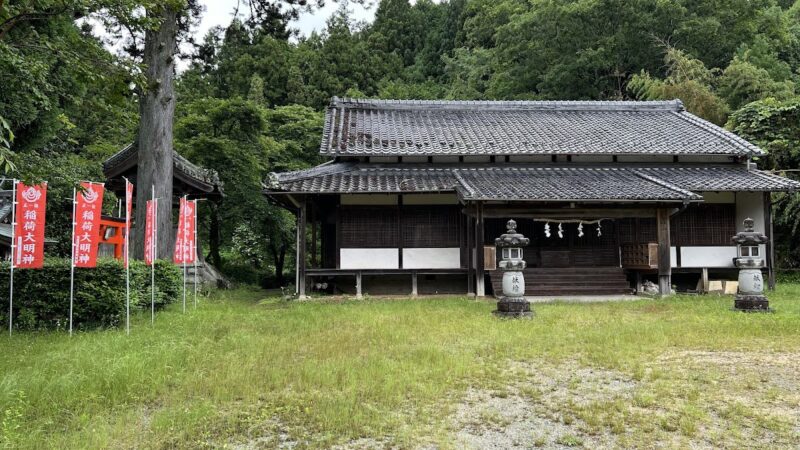
Main Hall
The main hall of Saikoji Temple is the central building of the temple. The principal image is enshrined here, and daily services and religious ceremonies are held. The architectural style and decorations reflect the characteristics of the era in which it was built, and it is carefully preserved as a building of historical value.
Inside the main hall, in addition to the principal image, attendant deities and guardian deities are generally enshrined. When visiting a temple, it is important to quietly put your hands together and offer your prayers with sincerity.
Buddhist Statues and Cultural Properties
Saikoji Temple, a Shingon Buddhist temple, may possess Buddhist statues and mandalas related to Esoteric Buddhism. In particular, Yakushi Nyorai, Amida Nyorai, and Kannon Bosatsu are widely worshipped deities in local temples.
Some of these statues may be designated as local cultural properties. When visiting, it is recommended to check with the temple staff regarding the existence of cultural properties and whether viewing is permitted.
Natural Environment of the Temple Grounds
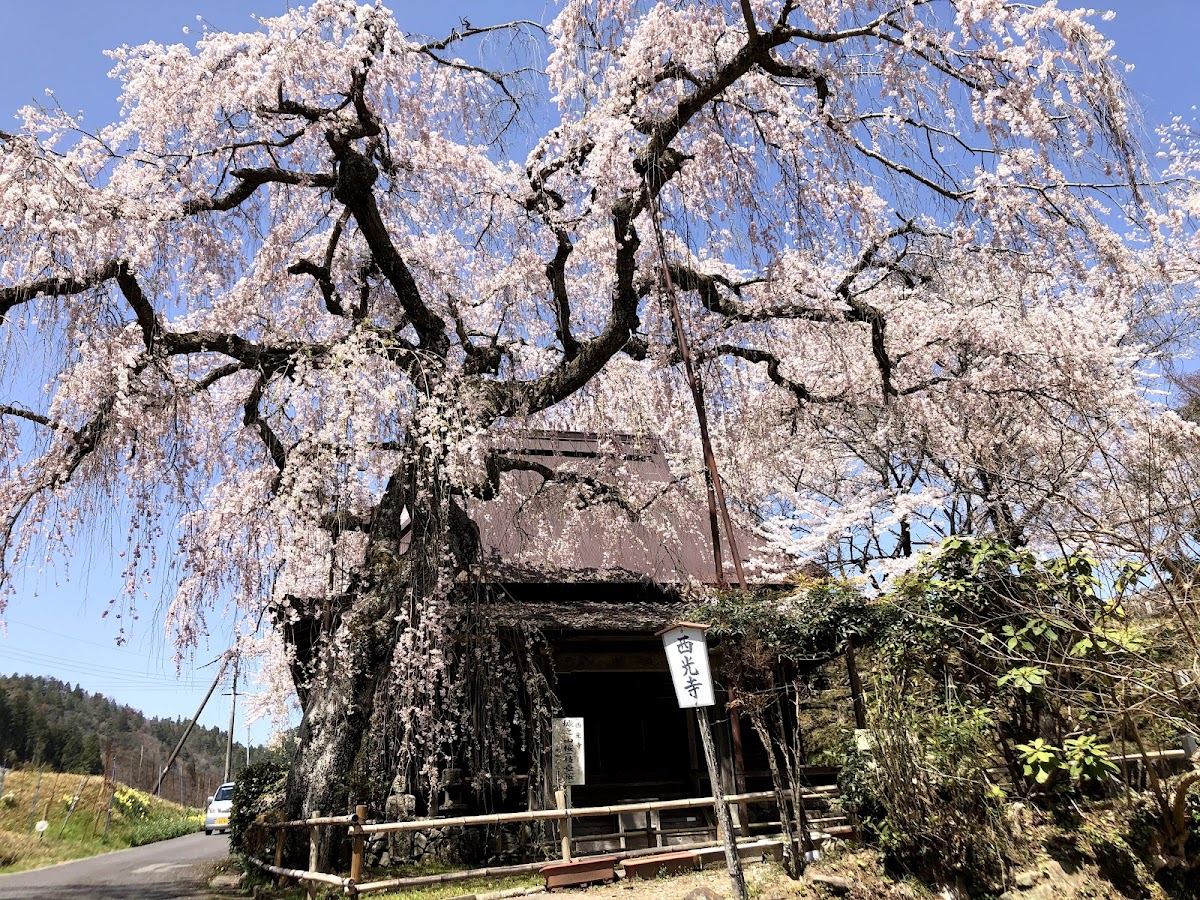
Uda City is a region rich in nature, and the temple grounds offer beautiful scenery throughout the seasons. From cherry blossoms and fresh greenery in spring, to deep green in summer, autumn leaves in fall, and a tranquil snowscape in winter, each season presents a different face.
The trees and plants on the temple grounds have been carefully preserved for many years, creating a space where nature and faith are in harmony.
Annual Events at Saikoji Temple
Major Buddhist Services and Events
Shingon Buddhist temples hold various Buddhist services and events throughout the year. Saikoji Temple may also hold the following events:
New Year’s Events: Buddhist services celebrating the New Year, such as the first shrine visit of the year and the Shusho-e ceremony.
Spring Equinox Service: A memorial service for ancestors, centered around the spring equinox.
Flower Festival (Buddha’s Birthday): An event celebrating the birth of Buddha, held on April 8th.
Obon Festival: A memorial service to welcome the spirits of ancestors, held in mid-August.
Autumn Equinox Service: A memorial service for ancestors, centered around the autumn equinox.
New Year’s Eve Bell Ringing: Ringing the temple bell on New Year’s Eve to welcome the New Year.
For specific event dates and details, we recommend contacting the temple directly.
Connections with the Community
Saikoji Temple has strong ties to the local community and may be involved in local festivals and events. Temples are not merely religious institutions; they also function as places for community interaction and centers for cultural activities.
Information on Goshuin (Temple Seals)
Regarding the Issuance of Goshuin
In recent years, the number of people collecting Goshuin as part of temple and shrine visits has increased. While Saikoji Temple may also issue Goshuin, smaller temples may not always offer this service.
If you wish to receive a Goshuin (temple stamp), please note the following:
- Prior Contact: For small temples, the head priest may be absent, so it is recommended to call ahead to confirm.
- Pray First: Since the Goshuin is proof of your visit, always pray at the main hall first before going to the Goshuin office.
- Prepare Your Goshuincho (Stamp Book): Bringing your Goshuincho is considered good manners.
- Donation: Generally, around 300 to 500 yen is appropriate.
- Time: Generally, it’s from 9 AM to 4 PM, but this varies by temple.
Goshuin Design
Goshuin typically include the temple name, principal deity name, and date written in ink, along with the temple’s seal. The Goshuin at Saikoji Temple may also have a solemn design typical of Shingon Buddhist temples.
Access Method
Access by Public Transportation
Access to Uda City, Nara Prefecture, requires a combination of train and bus.
If using the Kintetsu Osaka Line:
- Get off at “Haibara Station” on the Kintetsu Osaka Line.
- Transfer to a Nara Kotsu bus.
- Get off at the bus stop nearest your destination.
- Walk from the bus stop.
Public transportation is limited within Uda City, so it’s important to check bus schedules and times in advance. Check the latest information on the Nara Kotsu website or timetable app.
Access by Car
Access by car is the most convenient.
From Osaka:
- Approximately 30 minutes from “Hari IC” on the Nishi-Meihan Expressway via National Route 369.
From Nagoya:
- Approximately 30 minutes from “Hari IC” on the Meihan Expressway via National Route 369.
From Kyoto/Nara City:
- Approximately 1 hour south on National Route 369.
Parking availability varies depending on the size of the temple. Smaller temples may not have their own parking lots, so please use nearby public parking or be mindful of street parking etiquette.
Nearby Tourist Attractions
Besides Saikoji Temple, Uda City has many other points of interest:
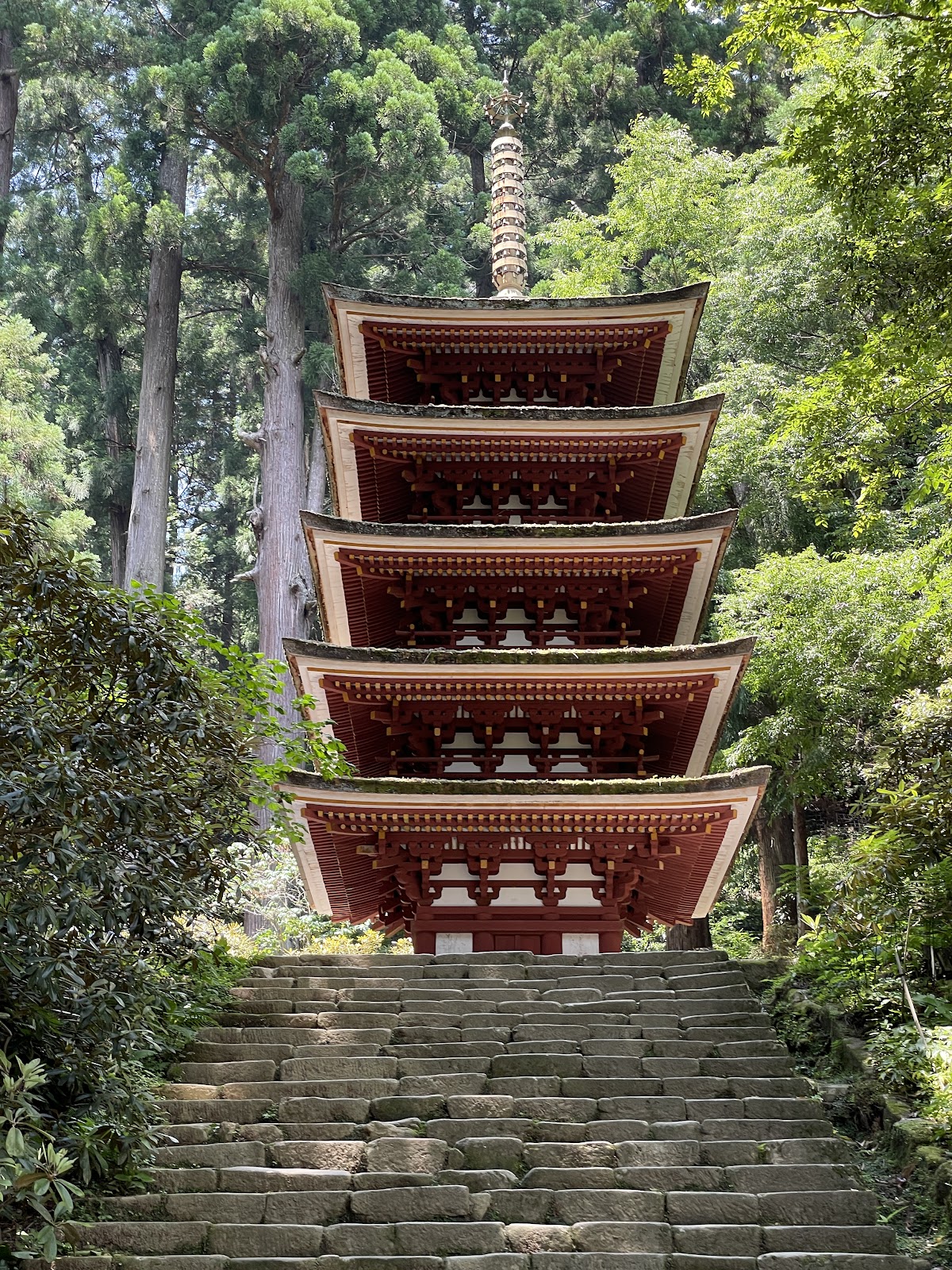
Muro-ji Temple: An ancient Shingon Buddhist temple known as “Women’s Koyasan.” It is famous for its National Treasure five-story pagoda.
Ono-ji Temple: A temple known for its rock-carved Buddha statues.
Matabei Cherry Tree: A magnificent weeping cherry tree over 300 years old.
Uda Matsuyama Castle Ruins: The remains of a mountain castle from the Sengoku period.
Uda Matsuyama Important Traditional Buildings Preservation District: An area where the townscape of the Edo period remains.
When visiting Saikoji Temple, exploring these surrounding spots will allow you to gain a deeper understanding of the history and culture of the Uda region.
Manners and Precautions for Visiting a Temple
Basic Manners for Visiting a Temple
When visiting a temple, please observe the following manners:
- Dress Code: Avoid revealing clothing and wear clean, presentable attire.
- Bow at the Temple Gate: Bow before entering the temple grounds.
- Watering Procedure: If there is a watering basin, cleanse your hands and mouth.
- Worship at the Main Hall: Quietly join your hands in prayer and offer your prayers with sincerity.
- Photography: Refrain from taking photographs in areas where photography is prohibited, such as inside the main hall.
- Refrain from Loud Conversation: Avoid loud conversations on the temple grounds and remain quiet.
Precautions During Visits
- Visiting Hours: Generally from 9:00 AM to 5:00 PM, but this varies depending on the temple.
- Admission Fee: Some temples allow free entry, while others require an admission fee.
- Consideration During Memorial Services: When a memorial service is being held, please observe quietly or wait until it is finished.
- Offerings: There is no set amount, but please offer with sincerity.
The Charm and Value of Visiting Saikoji Temple
Historical Value
Saikoji Temple, as a temple with a long history, is a valuable presence that conveys the history of the region to the present day. Its buildings, Buddhist statues, and documents are important resources for understanding the beliefs, culture, and technology of the time.
A Place of Spiritual Healing
In modern society, temples are precious spaces where one can find peace of mind. Spending time in the quiet grounds of Saikoji Temple offers an opportunity to escape the hustle and bustle of everyday life and confront oneself.
By experiencing the teachings of Shingon Esoteric Buddhism, you can also touch upon the profound wisdom of Buddhism.
Experiencing Local Culture
Visiting Saikoji Temple also leads to experiencing the culture and history of the Uda region. Because it is a temple rooted in the community, you can feel the unique way of faith of the land and its connection to the lives of the people.
History and Cultural Background of Uda City
Overview of Uda City
Uda City was formed in 2006 through the merger of four towns and villages in Uda District. It is located in the northeastern part of Nara Prefecture. Known as “Uda” since ancient times, it is a historical region appearing in the *Nihon Shoki* and *Manyoshu*.
Historical Importance
- Ancient Times: Developed as an important region from the time of the Yamato Kingdom.
- Medieval Times: Prospered as a castle town centered around Uda Matsuyama Castle.
- Early Modern Times: Became a region known for medicinal herb cultivation and forestry.
- Modern Times: Efforts to preserve traditional townscapes and culture are progressing.
Cultural Characteristics
The Uda region has a long history of medicinal herb cultivation, and medicinal herbs such as “Yamato Toki” are known as local specialties. Forestry is also thriving, and it is famous as a production area for Yoshino cedar.
About Shingon Buddhism
Basics of Shingon Buddhism
Shingon Buddhism, to which Saikoji Temple belongs, is a sect of esoteric Buddhism that was brought to Japan from Tang China by Kobo Daishi Kukai (774-835) in the early Heian period.
Main Features:
- Attaining Buddhahood in This Life: Aiming to become a Buddha in this world
- Three Mysteries Empowerment: Becoming one with the Buddha through the three actions of body, speech, and mind
- Mandala: A visual representation of the truth of the universe
- Goma Ritual: A ritual using fire
Characteristics of Shingon Buddhist Temples
Shingon Buddhist temples have the following characteristics:
- Centered around Dainichi Nyorai as the principal deity
- Utilizing esoteric Buddhist implements and mandalas
- Having facilities for esoteric Buddhist rituals, such as Goma halls
- A tradition that emphasizes ascetic practice
Guidelines for Visiting Temples and Buddhist Teachings
Significance of Visiting Temples
Visiting a temple is not merely sightseeing; it is an opportunity to confront the Buddha and reflect on oneself. When visiting Saikoji Temple, it is good to have the following mindset:
- A grateful heart: Be grateful for the blessings of each day
- A reflective heart: Reflect on your own actions
- A prayerful heart: Pray for the happiness of yourself and others
- A learning heart: Maintain an attitude of learning from the teachings of Buddhism
Basic Buddhist Teachings
At the heart of Buddhism lies the teaching of the “Four Noble Truths and the Eightfold Path”:
The Four Noble Truths:
- The Truth of Suffering: There is suffering in life
- The Truth of the Origin of Suffering: There is a cause for suffering
- The Truth of the Cessation of Suffering: Suffering can be extinguished
- The Truth of the Path to the Cessation of Suffering: There is a way to extinguish suffering
The Eightfold Path:
Right view, right thought, right speech, right action, right livelihood, right effort, right mindfulness, right concentration
These teachings offer wisdom that can serve as a guide for life, even for us living in modern times.
Preparations and Checklist Before Visiting Saikoji Temple
To ensure a smooth visit, please prepare the following beforehand:
Pre-Visit Confirmation Items
- [ ] Confirm the exact address and map
- [ ] Confirm visiting hours (call the temple)
- [ ] Confirm whether there is an entrance fee
- [ ] Confirm the availability and location of parking
- [ ] If using public transportation, confirm bus schedules
- [ ] Confirm whether Goshuin (temple stamps) are available
- [ ] Confirm whether there are any special viewings or events
Items to Bring
- Goshuincho (stamp book) (if you wish to receive Goshuin)
- Camera (use only in areas where photography is permitted)
- Small change (for offerings and entrance fees)
- Drinks (especially in summer)
- Rain gear (depending on the weather)
- Comfortable walking shoes
- Map or smartphone (for navigation)
Summary
Saikoji Temple in Uda City, Nara Prefecture, is a Shingon Buddhist temple with a long history and rich culture, and continues to be a place of faith deeply rooted in the community. By finding peace of mind in its tranquil grounds and engaging with Buddhist teachings, you can rediscover the spiritual richness often lost in modern society.
When visiting Uda City, enjoying not only Saikoji Temple but also the surrounding historical sites and natural landscapes will allow you to appreciate the charm of the region more deeply. A journey through history and faith amidst the beauty of Uda’s nature, which displays its beauty in every season, will surely be a memorable experience.
When visiting, please remember to observe temple etiquette and respect the local culture. We hope that Saikoji Temple will be a place that brings you peace of mind and new discoveries.
Final Check Before Your Visit:
- Don’t forget to contact the temple in advance.
- Dress appropriately for the weather and prepare accordingly.
- Research nearby tourist attractions.
- Studying the local history and culture beforehand will make your visit more fulfilling.
May your visit to Saikoji Temple bring peace and joy to your heart.