Daiganji Temple (Uda City, Nara Prefecture) Complete Guide: The Charm of an Ancient Temple Associated with Prince Shotoku and Herbal Cuisine
Satta-san Daiganji Temple, located in Shigeo, Ouda-ku, Uda City, Nara Prefecture, is an ancient temple of the Omuro branch of Shingon Buddhism, said to have been founded at the behest of Prince Shotoku. Founded during the reign of Empress Suiko (7th century), this temple boasts a history of over 1400 years and is known for its principal image, the Eleven-Faced Kannon Bodhisattva, its deep connection with the Oda family, and its unique herbal cuisine. This article provides a detailed introduction to Daiganji Temple, including its history, cultural assets, highlights, and recommended spots in the surrounding area.
History and Origins of Daiganji Temple
Founded by Prince Shotoku and Soga no Umako
The founding of Daiganji Temple dates back to the reign of Empress Suiko (592-628). According to temple tradition, it is said to have been built by order of Soga no Umako at the command of Prince Shotoku, and from the beginning, it has played an important role as a center of Buddhist culture. With a long history dating back to its founding in the 7th century, Daiganji Temple is known as one of the oldest temples in Nara Prefecture.
Origin of the Principal Image: Eleven-Headed Kannon Bodhisattva Statue
The wooden Eleven-Headed Kannon Bodhisattva statue, the principal image of Daiganji Temple, is said to have been created by Tokudo Shonin in the first year of the Jinki era (724 AD) during the late Fujiwara period. This Kannon statue is also known as the “Kannon that never burned,” and has survived numerous disasters and been preserved to this day. It is a valuable Buddhist statue that retains the style of the late Fujiwara period and attracts many worshippers.
Deep Connections with the Oda Family
During the Edo period, Daiganji Temple forged deep ties with the Oda family, who ruled the Uda-Matsuyama domain. Oda Izumo-no-kami Takanaga, the second lord of the Oda clan, deeply revered the Eleven-Faced Kannon Bodhisattva, the principal image of the temple, and designated Daiganji Temple as the Oda family’s place of prayer. This faith was passed down through generations, and the temple received fervent protection from successive lords of the Oda clan.
His eldest son, Oda Nagayori, enshrined a Bishamonten statue, said to be the same work as the one at Kurama-dera Temple in Kyoto. Furthermore, his son, the fourth lord, Oda Nobutake, built the Bishamondo (Bishamonten Hall) in 1693 (Genroku 6) and improved the temple grounds of Daiganji Temple. This Bishamondo still remains on the temple grounds today, conveying the deep bond between the Oda family and Daiganji Temple.
Another Name: “Shichifukuji” (Seven Lucky Gods Temple)
Daiganji Temple is also affectionately known by the other name, “Shichifukuji” (Seven Lucky Gods Temple). This name originates from the fact that the Seven Lucky Gods are enshrined on the temple grounds, and the temple has been cherished by the local people as a place that brings good fortune to worshippers. This name indicates that Daiganji Temple has functioned not only as a place of prayer but also as a place of faith for ordinary people.
Cultural Assets and Highlights of Daiganji Temple
Atmosphere of the Main Hall and Temple Grounds
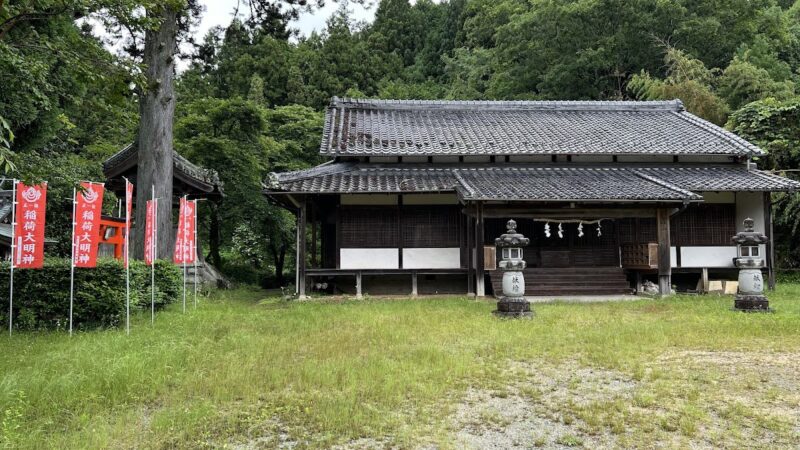
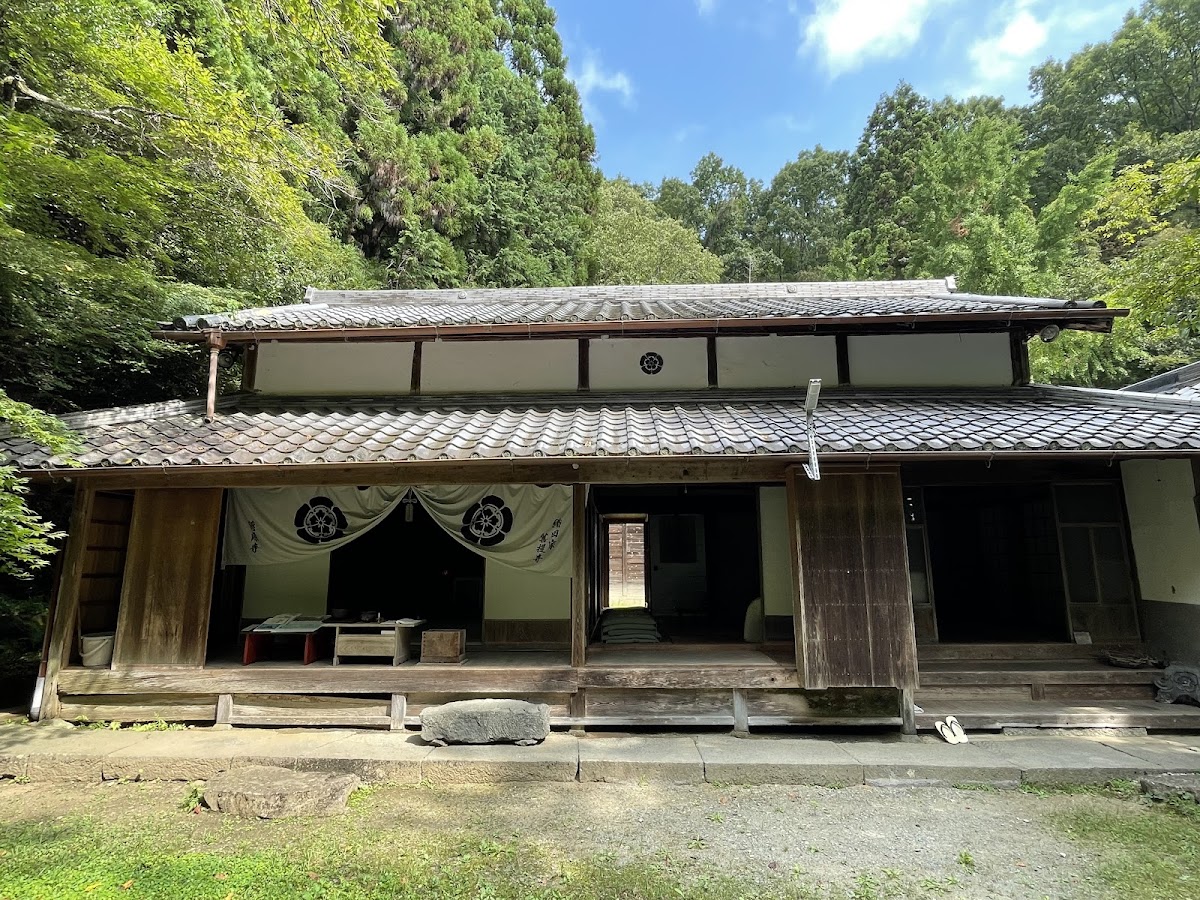
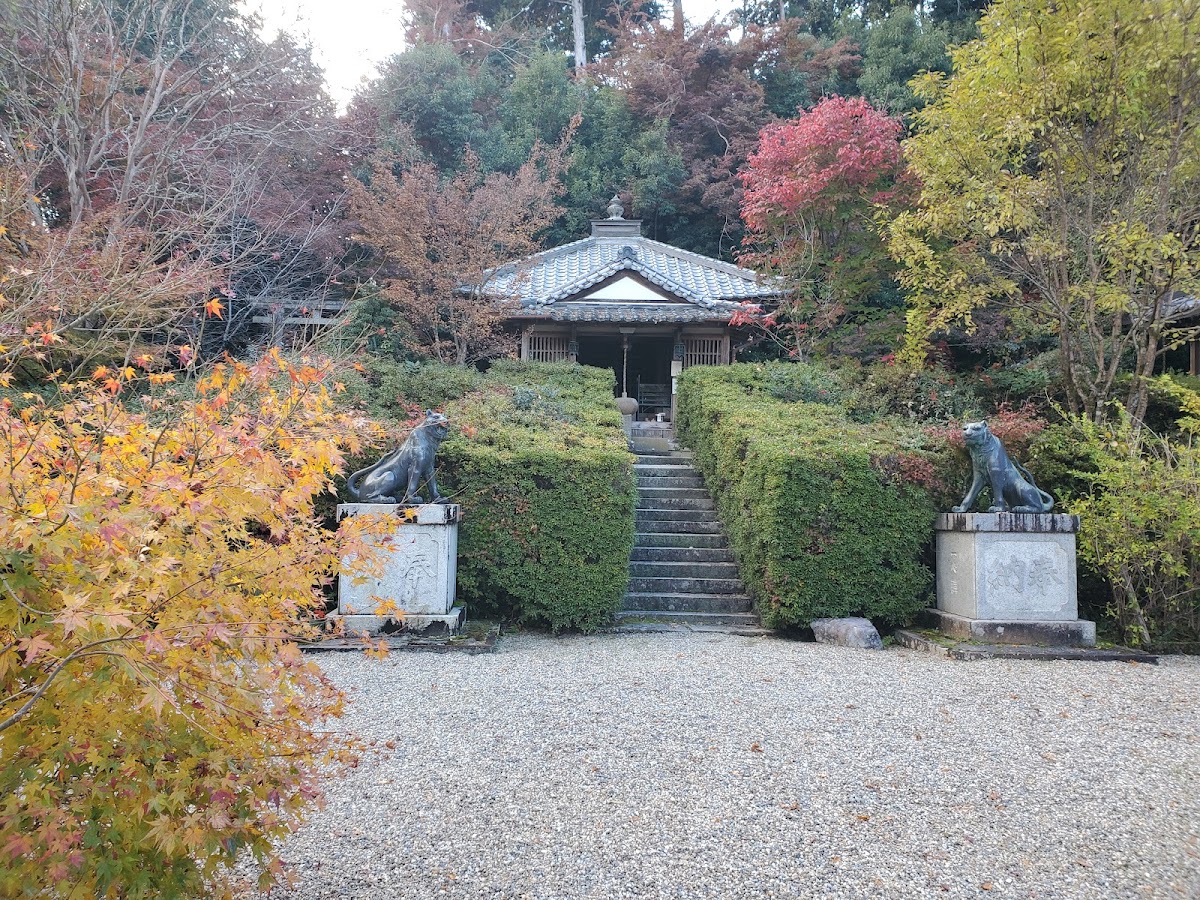
The main hall of Daiganji Temple is a magnificent building nestled in a quiet mountain valley. It possesses a tranquil atmosphere befitting a Shingon Omuro sect temple, and the stone steps leading from the approach to the main hall evoke a sense of historical weight. The temple grounds are surrounded by nature throughout the seasons, and many worshippers visit, especially during the autumn foliage season.
Historical Value of the Bishamondo Hall
The Bishamondo Hall, built by Oda Nobutake, is a valuable building that preserves the architectural style of the mid-Edo period. It enshrines Bishamonten, who was invited from Kurama-dera Temple, and is worshipped as a god of good fortune in competitions and business prosperity. The architectural style of Bishamondo Hall is an important historical document demonstrating the high level of carpentry skill of the time.
A Famous Spot for Autumn Foliage
Daiganji Temple is known as one of Uda City’s most famous spots for autumn foliage. Around mid-November, vibrant autumn leaves spread from the approach to the main hall, dyeing the entire temple grounds in red and yellow. The contrast between the stone steps, old buildings, and autumn leaves is breathtaking, making it a popular spot for photography. The autumn foliage at this quiet mountain temple has a different charm from that of famous temples in Kyoto and Nara, allowing visitors to slowly enjoy the autumn atmosphere.
Medicinal Herbs and Natural Environment on the Temple Grounds
Various medicinal herbs, such as Houttuynia cordata and fennel, grow wild in the mountains surrounding Daiganji Temple. These herbs have been used in traditional Chinese medicine and folk remedies since ancient times, and are also used as ingredients in Daiganji Temple’s famous herbal cuisine. Strolling through the temple grounds, you can observe different medicinal herbs and wild plants depending on the season, and feel a sense of harmony with nature. ## Daiganji Temple’s Famous Herbal Cuisine
Characteristics and Contents of Herbal Cuisine
Daiganji Temple is nationally renowned for its herbal cuisine served on the temple grounds. The price is 3,800 yen (reservations required), and it is served from 11:00 AM to 2:00 PM. This vegetarian cuisine is a healthy meal centered around medicinal herbs that grow naturally in the surrounding mountains, along with seasonal vegetables.
The herbal cuisine uses various medicinal herbs such as Houttuynia cordata, fennel, mugwort, and dandelion, and the cooking methods are carefully crafted to maximize the medicinal properties of each. The skill to prepare these herbs, which are characterized by their bitterness and aroma, in a palatable and delicious way is the culmination of many years of experience and knowledge.
How to Reserve Herbal Cuisine
Herbal cuisine is by reservation only, and reservations must be made in advance by phone. Reservations are especially concentrated during the autumn foliage season and on weekends, so early booking is recommended. Since the preparation of the meal takes time, it is important to specify your desired time when making a reservation and to arrive on time on the day of your visit.
Popular with Health-Conscious Visitors
With the recent rise in health consciousness, the herbal cuisine at Daiganji Temple has been attracting attention. The dishes, which utilize natural ingredients without chemical seasonings, are renowned for their detoxifying effects and immune-boosting properties. Despite being vegetarian, they are satisfying, and many visitors report feeling lighter after their meal.
Itani-ya: History and Culture of Uda
What is Itani-ya?
The Ouda district of Uda City, where Daiganji Temple is located, flourished as a castle town of Uda Matsuyama Castle during the Edo period. Historical buildings, including “Itani-ya,” remain in this area. Itani-ya is a merchant house that has been in business since the Edo period and is one of the important buildings that conveys the townscape of that time.
Townscape Retaining the Atmosphere of a Castle Town
The Uda Matsuyama district surrounding Daiganji Temple preserves a townscape that retains the atmosphere of the Edo period. The landscape, with its rows of white-walled storehouses and townhouses with lattice doors, evokes a sense of stepping back in time. Historic buildings such as Itani-ya are protected as cultural properties of Uda City and are popular tourist attractions.
Connection to Uda Matsuyama Castle Ruins
Uda Matsuyama Castle was ruled by the Oda clan, and the fact that Daiganji Temple became a place of prayer for the Oda clan is due to its geographical and historical connection to this castle. Currently, the castle ruins are maintained, and together with the buildings of the castle town, such as Itani-ya, they tell the story of Uda’s prosperity during the Oda era.
Basic Information (Opening Hours, Access, etc.)
Visiting Hours and Admission Fee
- Grounds Admission: Free
- Visiting Hours: Daytime (No specific restrictions)
- Herbal Cuisine: 11:00 AM – 2:00 PM (Reservations required, 3,800 yen)
Access Methods
Access by Public Transportation
- Approximately 20 minutes by Nara Kotsu bus bound for Ouda from Kintetsu Osaka Line “Haibara Station”
- Get off at the last stop “Ouda” and walk for approximately 3 minutes
Access by Car
- Approximately 30 minutes from Meihan National Highway “Hari IC”
- Approximately 50 minutes from Nishimeihan Expressway “Koriyama IC”
- Parking available (Free)
Address and Contact Information
- Address: 736 Shibue, Ouda-ku, Uda City, Nara Prefecture 633-2164
- Sect: Shingon-shu Omuro-ha
- Mountain Name: Satta-san
Notes for Visitors
- Advance reservations are required if you wish to have herbal cuisine.
- Please refrain from loud conversations to maintain a peaceful environment on the temple grounds.
- The temple gets crowded during the autumn foliage season, so it is recommended to visit with plenty of time to spare.
- As it is a temple located in the mountains, comfortable walking shoes are recommended.
Recommended Spots and Restaurants near Daiganji Temple
Soba & Vegetarian Restaurant Ichinyoan
Located about 10 minutes by car from Daiganji Temple, Ichinyoan is a popular restaurant where you can enjoy authentic handmade soba noodles made with locally produced buckwheat flour. They also have a wide selection of vegetarian dishes, allowing you to experience Uda’s healthy food culture along with Daiganji Temple’s herbal cuisine. The restaurant, a renovated old house, has a calm atmosphere where you can enjoy your meal at your leisure.
Okuyamato Beer
Okuyamato Beer, brewed in Uda City, is a craft beer made with local water and carefully selected ingredients. Enjoying this local flavor after visiting Daiganji Temple is highly recommended. It can be purchased at restaurants and souvenir shops in Uda City.
Kagirohi-no-Oka Manyo Park
Located about 15 minutes by car from Daiganji Temple, Kagirohi-no-Oka Manyo Park is known as a famous spot for “kagirohi” (heat haze), a phenomenon celebrated in the Manyoshu (an ancient collection of Japanese poetry). It is said to be the setting for a poem by Kakinomoto no Hitomaro, and especially in the early mornings around the winter solstice, you can witness a fantastical sunrise. It’s a spot where you can feel the historical romance of the Manyo period.
Uda City Akino Hitomaro Park
This park, developed as a place associated with Kakinomoto no Hitomaro, allows you to experience the world of the Manyo period. With seasonal flowers in bloom and well-maintained walking paths, it’s ideal to visit in conjunction with a visit to Daiganji Temple.
Hase-dera Temple
Located in Hatsuse, Sakurai City, Nara Prefecture, about 30 minutes by car from Daigan-ji Temple, Hase-dera Temple is the head temple of the Buzan branch of the Shingon sect, known as the “Temple of Flowers.” It is famous for its spring peonies and autumn foliage, and the 399 steps of the climbing corridor offer a breathtaking view. It is a popular choice for a model course that includes a visit to Daigan-ji Temple.
Hotels and Accommodations near Daigan-ji Temple
Closest Accommodation to Hase-dera Temple: Kanko Ryokan Yamato-ya
Kanko Ryokan Yamato-ya is located right next to Hase-dera Temple, about 30 minutes by car from Daigan-ji Temple. It’s a long-established inn conveniently located for visiting Hase-dera Temple, and you can enjoy local Nara cuisine. It’s an ideal place to stay when planning a 2-day/1-night model course visiting Daigan-ji and Hase-dera Temples.
Accommodations in Uda City
There are several guesthouses and small inns in Uda City, where you can enjoy interacting with locals. In recent years, the number of guesthouses renovated from old houses has also increased, offering a wide range of accommodation options that allow you to deeply experience the history and culture of Uda.
Accommodation near Haibara Station
There are business hotels and inns around Kintetsu Haibara Station, the nearest station, making it convenient for visitors using public transportation. There are also restaurants and convenience stores around the station, making it a very convenient area for accommodation.
Best Season to Visit Daiganji Temple
Autumn Foliage Season (Mid-November)
The most popular season to visit Daiganji Temple is mid-November, when the autumn leaves are at their peak. Vibrantly colored leaves spread from the approach to the main hall, dyeing the entire temple grounds in autumn hues. Since many visitors come during this time, it is recommended to visit earlier in the day.
Fresh Green Season (May-June)
The fresh green season from spring to early summer is also suitable for visiting Daiganji Temple. The trees on the temple grounds are enveloped in vibrant green, allowing you to visit in refreshing air. There are relatively few visitors during this time, allowing for a quiet stroll through the temple grounds. ### Medicinal Herb Season (Spring to Summer)
From spring to summer, medicinal herbs that grow wild in the mountains surrounding the temple grounds are in full bloom. This is also the time when ingredients for medicinal herb cuisine are most abundant, allowing you to enjoy dishes using different herbs depending on the season.
Medicinal Herb Season (Spring to Summer)
From spring to summer, medicinal herbs that grow wild in the mountains surrounding the temple grounds are in full bloom. ## Model Course for Visiting Daiganji Temple
Day Trip Course (Focusing on Daiganji Temple)
Morning
- 10:00 Arrive at Kintetsu Haibara Station, take a bus to Ouda
- 10:30 Stroll through the townscape of Uda Matsuyama (including Itanya)
- 11:00 Visit Daiganji Temple, enjoy herbal cuisine (reservations required)
Afternoon
- 13:00 Move to Kagirohi-no-Oka Manyo Park
- 14:00 Stroll through Akino, Uda City, and Hitomaro Park
- 15:30 Return to Haibara Station
2-Day/1-Night Course (Daiganji Temple & Hase-dera Temple)
Day 1
- Morning: Visit Daiganji Temple, enjoy herbal cuisine
- Afternoon: Stroll through the townscape of Uda Matsuyama, Kagirohi-no-Oka Manyo Park
- Evening: Arrive at accommodation near Hase-dera Temple
Day 2
- Early morning: Participate in the morning service at Hase-dera Temple
- Morning: Stroll around the grounds of Hase-dera Temple
- Afternoon: Sightseeing in Sakurai city, return journey
Goshuin (Temple Stamp) Information
You can receive a Goshuin at Daigan-ji Temple. If you speak to the head priest or a staff member at the temple office in the main hall, they will assist you. The Goshuin will have calligraphy such as “Eleven-faced Kannon” or “Satta-san Daigan-ji” and will be stamped with the temple’s seal. You can bring your own Goshuin book or receive a pre-printed Goshuin (this may vary depending on the situation, so prior confirmation is recommended).
Summary: Enjoying the Charms of Daigan-ji Temple
Daigan-ji Temple in Uda City, Nara Prefecture, is a historically significant temple with a legend of being founded by Prince Shotoku. It is an ancient temple of the Omuro branch of the Shingon sect, with the Eleven-faced Kannon Bodhisattva as its principal image. Daiganji Temple boasts a rich history as a place of prayer for the Oda family, precious Buddhist statues from the Fujiwara period, the beauty of its autumn foliage, and unique herbal cuisine, offering a variety of attractions.
Nestled in the quiet mountains of Uda City, Daiganji Temple is the perfect place to escape the hustle and bustle and find peace of mind. Visiting it in conjunction with the historic townscape of Uda Matsuyama, cultural properties such as Itani-ya, and Kagirohi-no-Oka Manyo Park allows you to experience the profound history and culture of Nara Prefecture.
Combining it with a visit to Hase-dera Temple creates a fulfilling itinerary that also includes the Hatsuse area of Sakurai City, Nara Prefecture. Please refer to the basic information and access methods, and be sure to visit Daiganji Temple to enjoy its tranquil atmosphere, abundant nature, and healthy herbal cuisine.