Renshoji Temple, Nara Prefecture | Experience Authentic Zen Meditation and the Tranquility of the Countryside at an Ancient Temple of the Obaku School
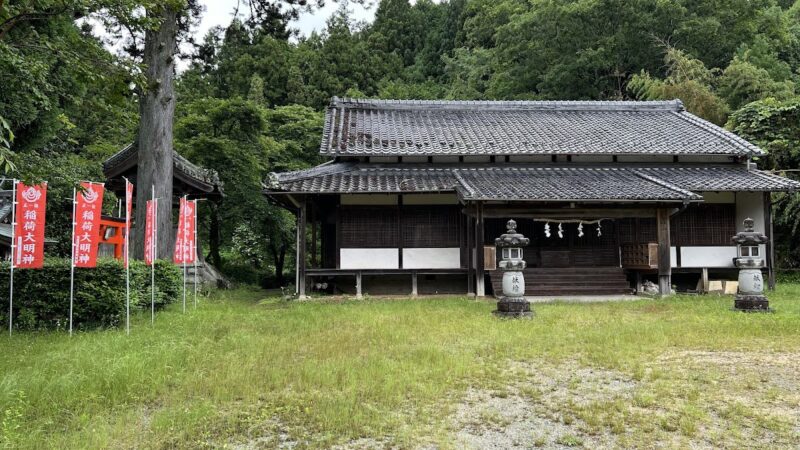
Renshoji Temple, located in Ikegami, Haibara-ku, Uda City, Nara Prefecture, is a temple belonging to the Obaku school of Zen Buddhism. It offers a time for self-reflection and the tranquility that modern people are losing. In the historically rich land of Uda, which appears in the “Kojiki” and “Nihon Shoki,” the temple’s training experiences, centered around evening Zen meditation sessions, are gaining popularity.
This article comprehensively guides you through everything you need to know before visiting Renshoji Temple, from its history and the characteristics of its sect to details of the Zen meditation sessions and access information.
About Renshoji Temple – An Overview of the Obaku School Temple on Daikozan Mountain
Basic Information and Temple Characteristics
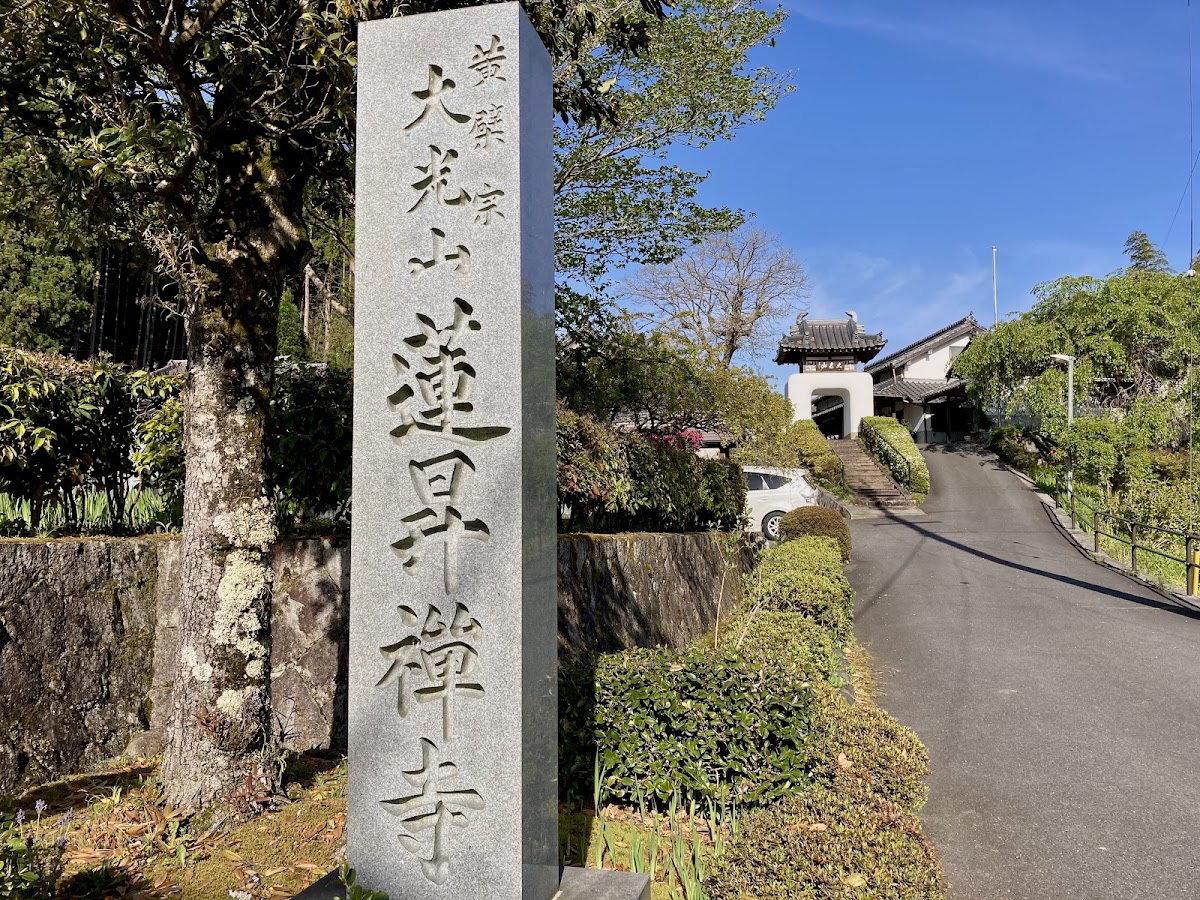
Renshoji Temple’s official name is “Obaku School Daikozan Renshoji Temple,” and it is located at 254 Ikegami, Haibara, Uda City, Nara Prefecture. The principal image is a seated statue of Yakushi Nyorai (Medicine Buddha), and visitors come seeking healing and good health for mind and body.
Basic Data on Renshoji Temple:
- Sect: Obaku School
- Mountain Name: Daikozan
- Principal Image: Seated statue of Yakushi Nyorai
- Address: 254 Ikegami, Haibara-ku, Uda City, Nara Prefecture 633-0232
- Phone Number: 0745-82-1706
- Nearest Station: Approximately 7.3km from Haibara Station on the Kintetsu Osaka Line
The greatest characteristic of Renshoji Temple is that it is an open temple where not only parishioners but also the general public can easily experience Buddhism and Zen. In particular, the Zen meditation sessions held at night offer a unique atmosphere integrated with the nature of the surrounding countryside, welcoming a wide range of participants from beginners to experienced practitioners.
The History of Uda and the Location of Renshoji Temple
Uda City in Nara Prefecture, where Renshoji Temple is located, is a historically significant area that frequently appears in the “Kojiki” and “Nihon Shoki,” Japan’s oldest historical records. The landscape of the satoyama (traditional rural landscape) that has existed since ancient times still remains, and the changing seasons welcome visitors.
Uda is also known as a production area for medicinal herbs, and its connection to Renshoji Temple, which enshrines Yakushi Nyorai (the Medicine Buddha), is particularly interesting. Its quiet environment, far from urban areas, makes it an ideal place to reflect on oneself and escape the hustle and bustle of everyday life.
About the Obaku School – Understanding the Sect of Renshoji Temple
History and Characteristics of the Obaku School
The Obaku school is one of the Zen schools in Japan, known as the third major Zen school after the Rinzai and Soto schools. The Obaku school of Zen Buddhism began in 1654, during the early Edo period, when Ingen Ryuki, a Zen monk from the Ming Dynasty of China, came to Japan and founded Manpuku-ji Temple on Mount Obaku in Uji City, Kyoto Prefecture.
Main Characteristics of the Obaku School:
- Strongly retains the Zen style of the Ming Dynasty of China
- Unique training style combining chanting and seated meditation
- Chinese-style architecture and rituals
- The tradition of vegetarian cuisine, “Fucha Ryori”
Compared to other Zen sects, the Obaku school has developed as a more practical and accessible sect for ordinary people. Rensho-ji Temple also inherits this tradition and regularly holds seated meditation sessions that are easily accessible to the general public.
The Faith in Yakushi Nyorai and Rensho-ji Temple
The principal image of Rensho-ji Temple, Yakushi Nyorai, is worshipped as the principal deity of the Eastern Pure Land, a Buddha who heals people’s illnesses and suffering. The formal name is “Yakushi Rurikō Nyorai,” and this Buddha is often depicted holding a medicine pot in his left hand.
The blessings of Yakushi Nyorai include the following:
- Healing from illness and longevity
- Healing of mind and body
- Protection from disaster
- Peaceful death
At Renshōji Temple, we conduct our daily activities with the wish to receive the blessings of this principal deity, Yakushi Nyorai, and to “bring healing to everyone’s lives.” For people suffering from stress and mental fatigue in modern society, the compassion of Yakushi Nyorai holds great significance.
Renshōji Temple’s Zen Meditation Session – Facing Oneself in the Silence of the Night
Zen Meditation Session Overview
Renshōji Temple’s Zen meditation session is held every Friday evening. While many temples in urban areas hold their sessions in the morning, Renshōji Temple’s evening session is a distinctive feature.
Basic Information on the Zen Meditation Session:
- Date and Time: Every Friday, 7:30 PM – 9:00 PM
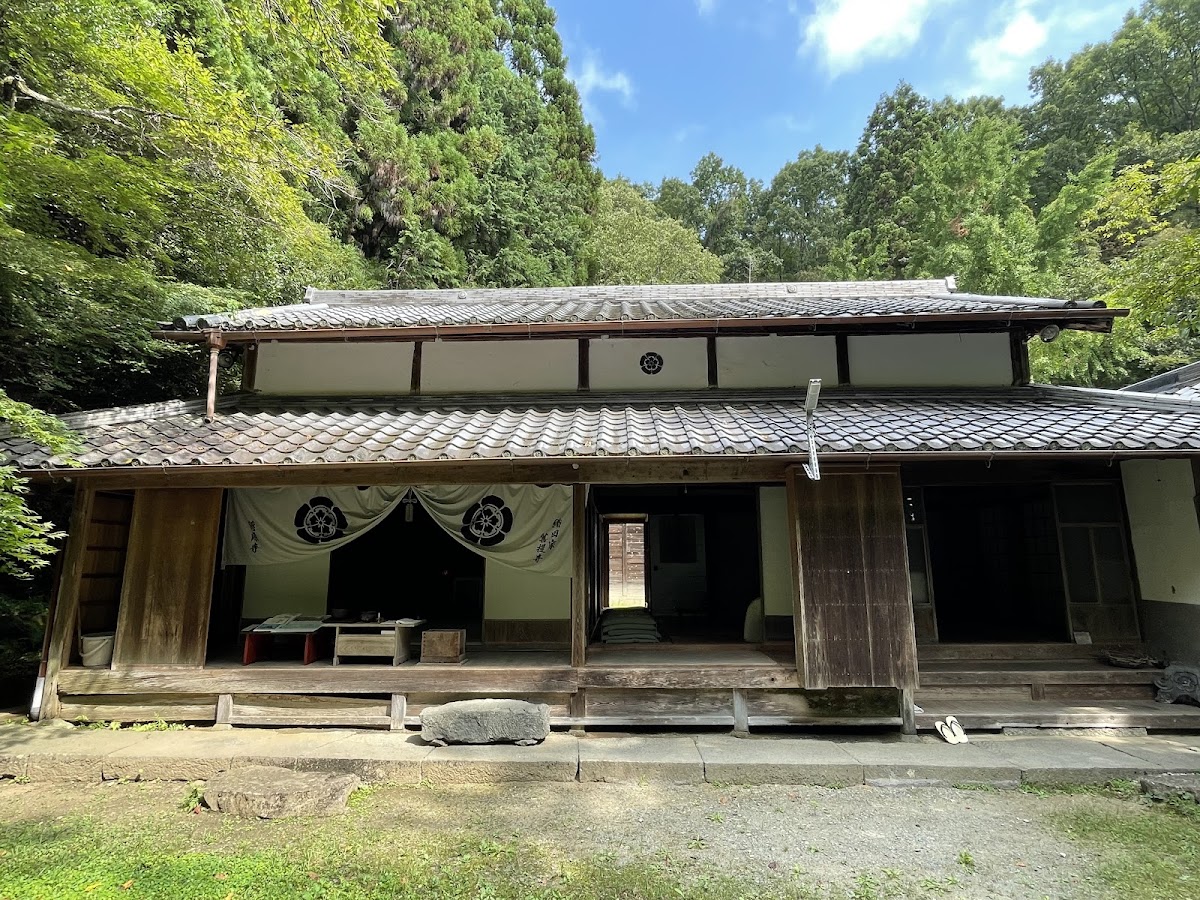
- Location: Renshoji Temple Main Hall
- Participation Fee: Please inquire with the temple for details.
- First-Time Participants: Please arrive at 7:00 PM (30 minutes prior).
- Reservations: Advance notice is recommended.
First-time participants will receive basic instruction on Zen meditation etiquette and breathing techniques. Arriving 30 minutes early allows you to prepare slowly and calm your mind before engaging in meditation.
The Special Experience of Evening Zen Meditation
There is a profound reason why Renshoji Temple’s Zen meditation sessions are held at night. After sunset, the surrounding countryside is enveloped in a silence that cannot be experienced in the city.
The Charm of Nighttime Zen Meditation:
- Sounds of Nature: The chirping of insects, the rustling of trees in the wind, and the occasional sound of animals.
- Candlelight: The soft light illuminating the main hall soothes the mind.
- Deep Silence: The hustle and bustle of the day completely disappears, creating an environment conducive to inner concentration.
- Starry Sky: You can gaze upon a sky full of stars, something rarely seen in urban areas.
Participants have commented, “Zen meditation while listening to the sounds of insects gives you a sense of oneness with nature,” and “In a space lit only by candlelight, I was able to notice aspects of my inner self that I don’t normally notice.”
Making the Essence of Zen Meditation Easy for Beginners
Many people associate Zen meditation with images of difficulty and leg pain. However, at Renshoji Temple, careful instruction is provided so that even beginners can participate with confidence.
Basic Posture for Zazen:
- Full Lotus Position (Kekkafuza) or Half Lotus Position (Hankafuza): The basic way to cross your legs.
- Adjusting the Body: The correct posture with a straight spine and chin tucked in.
- Adjusting the Breath: Consciously focusing on natural breathing using diaphragmatic breathing.
- Adjusting the Mind: Letting go of distracting thoughts and concentrating on the present moment.
Chair meditation is also possible if your legs hurt. What’s important is not the form, but the attitude of focusing your awareness on “the here and now” and facing yourself.
The effects of zazen are scientifically recognized, with reports of stress reduction, improved concentration, and reduced anxiety. Continued participation will likely have a positive impact on your daily life.
Training and Activities Available at Renshoji Temple
Activities Other Than Regular Zazen Sessions
In addition to weekly zazen sessions, Renshoji Temple offers a variety of Buddhist experiences and activities. Many events are open to non-parishioners, making it a temple open to those interested in Buddhism and those seeking inner peace.
Main Activities at Renshoji Temple:
- Sutra Copying Sessions: A practice of copying Buddhist scriptures such as the Heart Sutra.
- Dharma Talks: Lectures by the head priest on Buddhist teachings and wisdom for life.
- Seasonal Memorial Services: Spring and autumn equinox services, Obon memorial service, etc.
- Individual Consultations: Consultations on life matters and Buddhist rituals.
Sutra copying, in particular, is a popular practice alongside Zen meditation. By carefully copying each character, one can naturally experience a calming of the mind and the disappearance of distracting thoughts.
Possibility of Temple Lodging Experiences
Renshoji Temple is listed on the temple lodging information website “Wakou,” and may accept temple lodging and training experiences. By staying at a temple lodging, you can experience a day at the temple, from morning prayers to evening Zen meditation.
Those wishing to experience a temple lodging should contact Renshoji Temple directly in advance. Since the number of guests, dates, and content may change, we recommend planning with ample time.
Access and Transportation Information – How to Get to Renshoji Temple
Access by Train and Bus
Renshoji Temple is located in a mountainous area of Uda City, Nara Prefecture, so caution is required when accessing it by public transportation.
Access from the Nearest Station:
- Kintetsu Osaka Line, Haibara Station: Approximately 7.3km (approximately 90 minutes on foot)
- Taxi: Approximately 15 minutes by taxi from Haibara Station
- Route Bus: It is recommended to check the timetable and route in advance.
Haibara Station is a major station on the Kintetsu Osaka Line and is accessible from both Osaka and Nagoya. There is a taxi stand in front of the station, so taking a taxi is the most reliable option for first-time visitors.
Access by Car
Access by private car is the most convenient. Entering the address or phone number into your car navigation system will ensure a smooth arrival.
Estimated travel time from major cities:
- From Osaka city: Approximately 1 hour 30 minutes (via Nishi-Meihan Expressway and Meihan National Highway)
- From Kyoto city: Approximately 1 hour 40 minutes (via Keina-Wa Expressway)
- From Nara city: Approximately 1 hour (via National Route 369)
- From Nagoya city: Approximately 2 hours 30 minutes (via Meihan National Highway)
Car navigation setting information:
- Address: 254 Haibaraikekami, Uda City, Nara Prefecture
- Phone number: 0745-82-1706
Please inquire with the temple in advance regarding parking availability and capacity. It may be particularly crowded during events such as Zen meditation sessions.
Combining with nearby tourist attractions
When visiting Renshoji Temple, combining it with other tourist attractions around Uda City will make your trip more fulfilling.
Sightseeing around Uda City:
- Muroji Temple: An ancient Shingon Buddhist temple known as the “Women’s Koyasan”
- Matabei Cherry Tree: A magnificent weeping cherry tree over 300 years old (spring)
- Ouda Townscape: A historical townscape that retains the atmosphere of the Edo period
- Uda Matsuyama Medicinal Herb Garden: A facility where you can learn about the history of medicinal herbs
A trip combining history, culture, and spiritual training in the naturally rich land of Uda will be a valuable experience unlike anything you get in everyday life.
Notes and Manners When Visiting Renshoji Temple
Clothing and Items to Bring
When participating in a Zen meditation session, please prepare appropriate clothing and items.
Recommended Attire:
- Comfortable Clothing: Avoid stiff materials such as jeans.
- Footwear: Wear socks (avoid going barefoot).
- Color: Avoid bright colors and patterns; subdued colors are preferable.
- Winter: The main hall can get cold, so wear layers that allow for adjustment.
Items to Bring:
- Towel: For wiping away sweat.
- Drinks: For hydration after Zen meditation.
- Writing Utensils: If you wish to take notes during the Dharma talk.
- Cushion: Usually provided by the temple, but you may bring your own if you prefer.
Temple Manners and Etiquette
Temples are sacred places. Please observe basic manners when visiting.
Basic Temple Manners:
- Greetings: Bow when passing through the temple gate.
- Quietness: Behave quietly within the temple grounds.
- Photography: Do not take photographs without permission (especially inside the main hall).
- Mobile Phones: Set to silent mode or turn off.
- Smoking: Smoking is strictly prohibited except in designated areas.
During Zen meditation sessions, it is essential not to leave midway. Please use the restroom beforehand. Also, arriving late disrupts the concentration of other participants, so it is important to arrive with plenty of time to spare.
Reservation and Inquiry Methods
If you wish to participate in a Zen meditation session or experience temple lodging, prior contact is recommended.
Contact Information:
- Phone: 0745-82-1706
- Official Website: https://renshoji.or.jp/
When making phone inquiries, please be considerate of the temple’s operations and avoid early mornings and late nights. Weekday mornings to evenings are appropriate.
First-time participants can receive appropriate advice by informing the temple of their experience level and desired content. Please feel free to ask any questions you may have.
The Charm of Renshoji Temple – Why So Many People Visit
Tranquility and Nature Unseen in the City
The greatest charm of Renshoji Temple is the profound tranquility and abundant nature that cannot be experienced in urban areas. The environment surrounded by the rural mountains of Uda naturally calms the hearts of visitors.
The surrounding nature, which displays different expressions in each season—fresh greenery in spring, deep green in summer, autumn leaves in fall, and serene snowscapes in winter—becomes an object of meditation in itself. Especially during evening Zen meditation sessions, the sounds of insects and the wind become natural background music, healing minds weary from the hustle and bustle of the city.
An Open Temple Stance
While Renshoji Temple has a danka (parishioner) system, it is also an open temple to the general public. The head priest’s wish to “make it easy for people to experience Buddhism and Zen” attracts many beginners.
Many people visit Renshoji Temple, gaining insights in their own way. These include those interested in Buddhism and Zen meditation but finding it intimidating, those at a turning point in their lives seeking self-reflection, and those struggling with stress and anxiety.
A Place for Continuous Practice
One of the attractions of Renshoji Temple is the regular weekly sessions held every Friday, allowing for consistent Zen meditation practice. Zen meditation offers deeper benefits through consistent practice, not just a one-time experience.
Regular Zen meditation in the same place at the same time helps regulate your daily rhythm and leads to mental stability. Meeting like-minded individuals will also provide encouragement to continue your practice.
Accommodation and Dining Options near Renshoji Temple
Accommodation Options
Since the Zen meditation sessions at Renshoji Temple are held in the evening, those traveling from afar should consider accommodation.
Nearby Accommodation Areas:
- Around Haibara Station: Business hotels and inns
- Muro Onsenkyo: Refresh your mind and body at a hot spring inn
- Around Soni Plateau: Guesthouses and pensions surrounded by nature
- Renshoji Temple Lodging: Please check availability
Staying at a hot spring inn allows you to enjoy the luxury of calming your mind with Zen meditation and then healing your body in the hot springs.
Nearby Restaurants and Local Specialties
Around Uda City, there are many restaurants serving delicious food made with local ingredients.
Uda Specialties:
- Yamato Beef: High-grade Wagyu beef from Nara Prefecture
- Kudzu Products: Dishes and sweets made with Yoshino kudzu
- Medicinal Cuisine: Healthy dishes unique to a region known for its medicinal herbs
- Local Sake: Nara’s sake
Enjoying local cuisine before and after Zen meditation will make your experience even more fulfilling. However, it is recommended to avoid eating a full meal before zazen and aim for about 80% fullness.
The Position of Renshoji Temple as an Obaku Zen Temple
Obaku Zen Temples in Nara Prefecture
While there are several Obaku Zen temples in Nara Prefecture, Renshoji Temple is distinctive for regularly holding zazen sessions open to the public.
The head temple of the Obaku Zen sect is Manpukuji Temple in Uji City, Kyoto Prefecture, but branch temples throughout the region conduct missionary activities in their respective areas. Renshoji Temple continues its activities rooted in the local community in the historically rich area of Uda.
Characteristics of Obaku Zen Training Style
Obaku Zen training has several characteristics compared to other Zen sects.
Characteristic Practices of the Obaku School of Zen Buddhism:
- Nembutsu Zen: Combining seated meditation (zazen) with chanting of the Buddha’s name (nembutsu)
- Bonbai (Buddhist chanting): A Chinese-style chanting method
- Fucha Ryori (Vegetarian cuisine): Chinese-style vegetarian cuisine
- Samu (Daily Labor): Daily work is also part of the training
You may be able to experience these unique elements of the Obaku school of Zen Buddhism at the zazen sessions at Renshoji Temple. For more details, it’s best to ask the head priest when you participate.
The Impact of the Experience at Renshoji Temple on Your Life
Participant Voices and Experiences
We have received various impressions from those who have participated in the zazen sessions at Renshoji Temple.
“Zen meditation, away from the hustle and bustle of the city and listening to the sounds of insects, reminded me that I am a part of nature.” (Woman in her 40s)
“It was my first time practicing Zen meditation, but the instruction was thorough, and I was able to participate with peace of mind. I would like to continue attending.” (Man in his 30s)
“Zen meditation in the main hall lit only by candlelight allowed me to become aware of my inner self, something I don’t usually notice.” (Woman in her 50s)
These experiences provide emotional support even after returning to daily life, offering coping mechanisms for stress and guidance in life.
The Meaning of Zen Meditation in Modern Society
Modern society is information-overloaded, and we often feel constantly chased by something. Many people are unable to disconnect from smartphones and social media, and lack the time to truly confront themselves.
Zen meditation offers such modern people a precious “time to do nothing.” By doing nothing, simply sitting, and focusing on your breath, your mind regains its natural tranquility.
A Zen meditation experience at Renshoji Temple will be an opportunity to temporarily escape from your busy daily life and reset yourself. And that experience will improve the quality of your daily life and lead to a more fulfilling life.
Summary – Finding Peace of Mind at Renshoji Temple
Renshoji Temple, a temple of the Obaku sect located in Uda City, Nara Prefecture, is a precious place to escape the hustle and bustle of the city and confront yourself. The Zen meditation sessions held every Friday evening offer a unique atmosphere integrated with the nature of the surrounding countryside, and are open to everyone from beginners to experienced practitioners.
With Yakushi Nyorai (Medicine Buddha) as its principal deity, Renshoji Temple continues its community-based activities as a temple open to people seeking healing of mind and body. Why not experience Zen meditation in the historic land of Uda, which appears in the “Kojiki” and “Nihon Shoki”?
It is accessible from Haibara Station on the Kintetsu Osaka Line, making it possible to visit on a day trip or overnight from Osaka, Kyoto, and Nara City. Please inquire in advance by phone (0745-82-1706) or through the official website, and take the first step towards finding peace of mind.
An experience at Renshoji Temple is more than just sightseeing; it will offer insights into reflecting on your own life and providing hints for living a richer life. Time spent in silence and self-reflection holds invaluable value for those of us living in modern society.