Jigenji Temple (Ukyo Ward, Kyoto Prefecture) Complete Guide | The Temple Associated with Akechi Mitsuhide and the Mystery of the Black Seated Statue
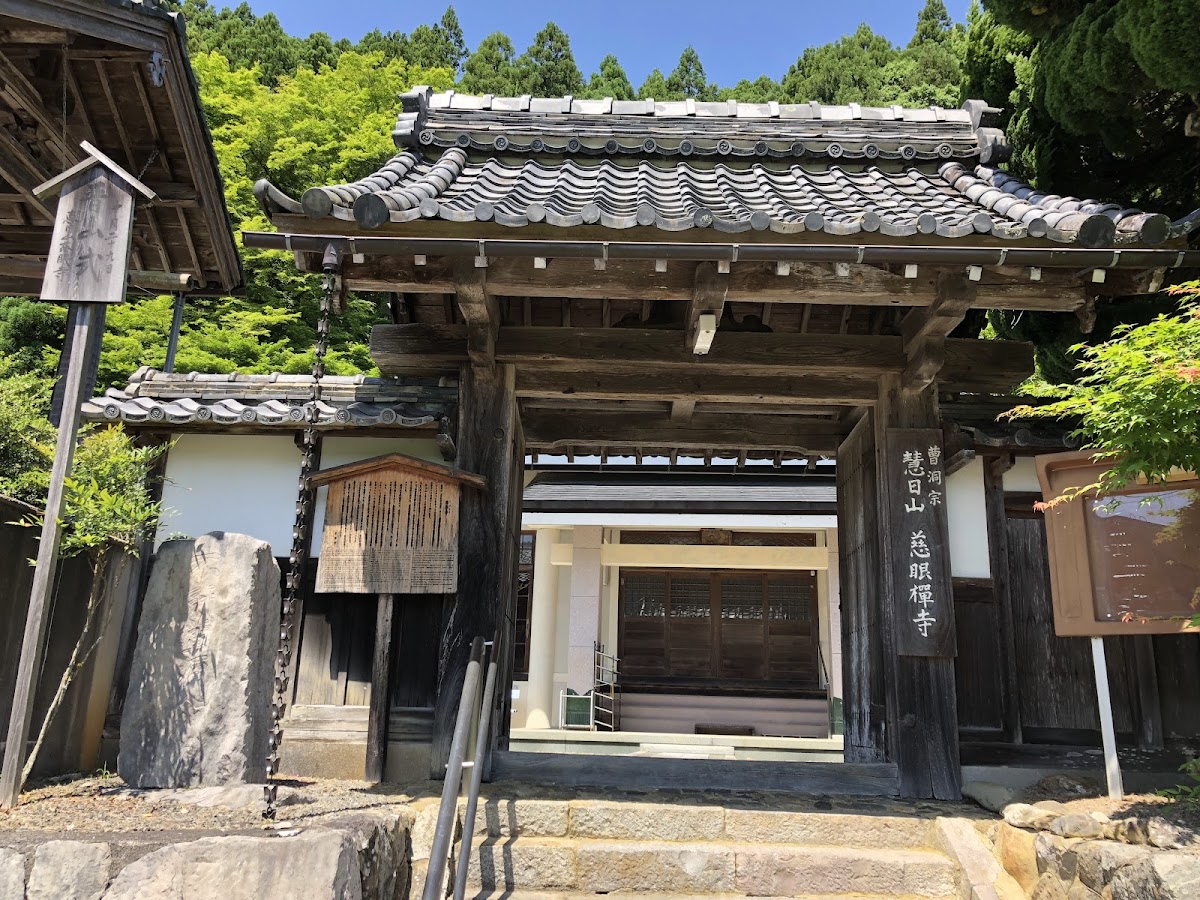
Jigenji Temple, located in Keihoku Shuzan-cho, Ukyo Ward, Kyoto City, is a Soto Zen temple known for its deep connection to the Sengoku period warlord Akechi Mitsuhide. This temple, nestled at the foot of Shuzan Castle—a fortress that Mitsuhide, known for the Honnoji Incident, aspired to build—houses a rare black seated statue of Mitsuhide, attracting attention from history buffs and Buddhist art enthusiasts alike.
This article comprehensively covers everything you need to know before visiting Jigenji Temple, from its historical background and highlights to visiting information and access methods.
Basic Information about Jigenji Temple
Location and Contact Information
- Address: 4 Kamidai, Keihoku Shuzan-cho, Ukyo-ku, Kyoto City, Kyoto Prefecture 601-0251
- Phone Number: 075-852-0213
- Sect: Soto Zen
- Mountain Name: Enichizan
Visiting Hours and Admission Fee
- Temple Grounds Visit: Free
- Shakado Hall Visiting Hours: 10:00 AM – 4:00 PM (Saturday, Sunday, Monday)
- Shakado Hall Admission Fee: 300 yen
- Other Days: Visiting is possible if the temple is present (advance phone confirmation recommended)
Access Method
Public Transportation
- Get off at the JR Bus “Shuzan” bus stop, approximately 5 minutes on foot
- Get off at the JR Bus “Keihoku Joint Government Building” bus stop and it’s right there.
By Car
- Parking: You can use the Keihoku Joint Government Building parking lot (free) located across the road.
- It is recommended to use the Joint Government Building parking lot, not the parking lot at the roadside station “Woody Keihoku”.
History and Origins of Jigenji Temple
Circumstances of Founding
There are various theories about the founding of Jigenji Temple, but it is generally believed to have been established between the late Sengoku period and the early Edo period. This area was part of Tanba Province, which Akechi Mitsuhide controlled before the Honnoji Incident, and is known as the place where Mitsuhide planned to build Shuzan Castle.
Mitsuhide began construction of Shuzan Castle during the Tensho era (1573-1592), but due to the Honnoji Incident (1582) and his subsequent defeat and death at the Battle of Yamazaki, the castle remained unfinished. Jigenji Temple is located at the foot of the mountain where Shuzan Castle once stood and has a deep connection to Mitsuhide, a relationship that continues to this day.
Relationship with Akechi Mitsuhide
The main reason Jigenji Temple is known as a “temple associated with Mitsuhide” is the seated statue of Akechi Mitsuhide enshrined within the temple. This statue is known nationwide as a rare “black statue of Mitsuhide” and is affectionately called “Kuromitsu Daioson.”
During his conquest of Tanba Province, Mitsuhide positioned this region as an important base and attempted to secure a transportation route to Kyoto by constructing Shuzan Castle. Jigenji Temple serves as a memorial to Mitsuhide and is an important cultural asset that conveys the history of this region to the present day.
History as a Soto Zen Temple
The Soto Zen sect is a branch of Japanese Zen Buddhism founded by Zen Master Dogen, and emphasizes “Shikantaza,” that is, simply sitting in meditation. Jigenji Temple has served as a place of worship for the local people while upholding the teachings of the Soto Zen sect.
Highlights of Jigenji Temple
The Black Seated Statue of Akechi Mitsuhide (Kuromitsu Daio-son)
The greatest highlight of Jigenji Temple is the black seated statue of Akechi Mitsuhide enshrined in the Shakado Hall. This statue has the following characteristics:
- Black Color: Unlike typical wooden statues, it is a rare sculpture with its entire body painted black.
- Dignified Expression: The face conveys both the sternness of a Sengoku period warlord and the intelligence of a strategist.
- Condition: It has been preserved in excellent condition for several hundred years.
This statue, known as “Kuromitsu Daio-son,” is especially revered by Mitsuhide fans and history enthusiasts. As a valuable cultural asset that conveys the true image of Mitsuhide, it also holds high academic value.
Ususama Myoo (Usushima-san)
The Shakado Hall also houses Ususama Myoo. This deity is known for the following characteristics:
- Nickname: Affectionately known as “Usushima-san” by local people
- Religious Devotion: Particularly revered as the guardian deity of women, attracting many worshippers
- Benefits: Believed to have the power to purify impurities, attracting many worshippers seeking protection from evil and praying for good health
Ususama Myoo is one of the Buddhist Myoo (Wisdom Kings), believed to possess the power of fire to burn away impurities. Also known as the god of toilets, it continues to attract many worshippers today.
Relationship with Shuzan Castle
From the grounds of Jigenji Temple, one can see the ruins of Shuzan Castle, which Akechi Mitsuhide attempted to build. Shuzan Castle is a mountain castle built on a mountain approximately 480 meters above sea level, and possesses the following historical significance:
- Strategic Importance: Located at a crucial point connecting Kyoto and Tanba, it was a castle controlling a vital transportation hub.
- Unfinished Castle: It was abandoned before completion due to the death of Mitsuhide.
- Remains: Stone walls and the remains of baileys still exist, and the site is maintained as a hiking trail.
Jigenji Temple also distributes castle stamps for the Shuzan Castle ruins, and many history enthusiasts visit the temple in conjunction with exploring the castle ruins.
Main Image and Buddhist Statues
The main image of Jigenji Temple is a seated statue of Sho Kannon. Kannon Bodhisattva is widely worshipped as a compassionate Buddha and is believed to relieve people’s suffering. Several other Buddhist statues are enshrined on the temple grounds, each attracting its own unique devotion.
Atmosphere of the Temple Grounds
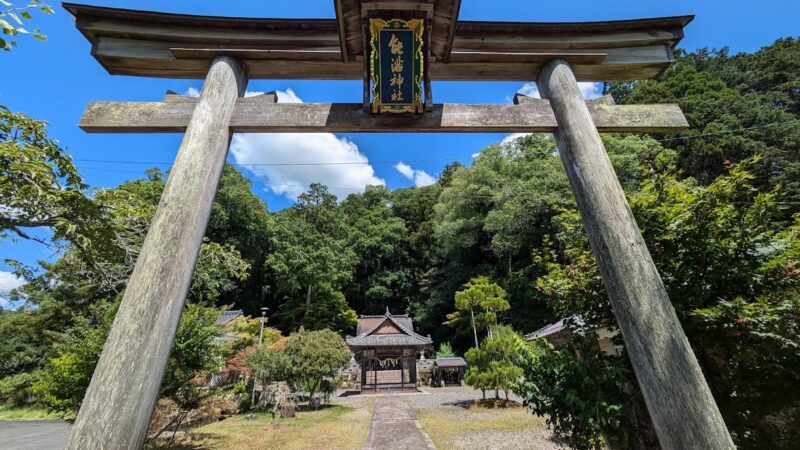
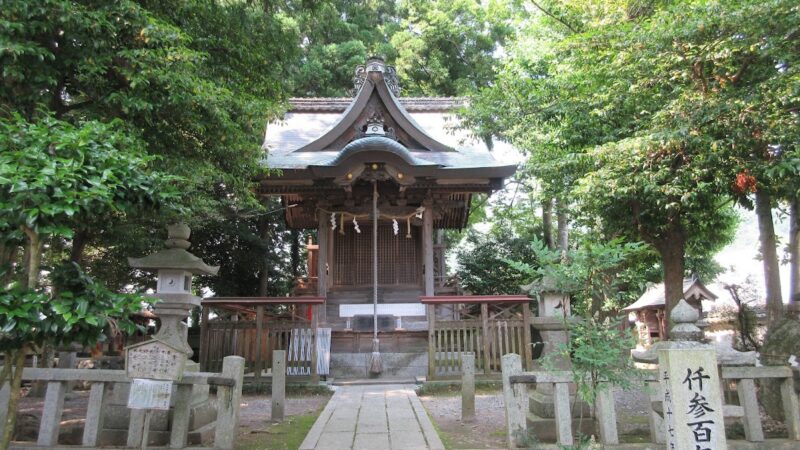
Jigenji Temple, surrounded by the rich natural environment of Keihoku, is characterized by its tranquil atmosphere:
- Seasonal Changes: Enjoy the beauty of each season: cherry blossoms in spring, fresh greenery in summer, autumn leaves in fall, and snowscapes in winter.
- Tranquil Environment: Located in a mountainous area away from the hustle and bustle of Kyoto city, it offers a peaceful place for worship.
- Historical Landscape: With the ruins of Shuzan Castle as a backdrop, you can feel the history of the Sengoku period firsthand.
Goshuin and Gojoin (Temple Seals)
Goshuin of Jigenji Temple
Jigenji Temple offers Goshuin (temple seals) to visitors. The Goshuin (temple stamp) has the following characteristics:
- Ink Calligraphy: The temple name and principal image name are carefully written in ink.
- Red Seal: The temple’s seal is stamped.
- Kuromitsu Daio-son Goshuin: A special Goshuin commemorating the seated statue of Akechi Mitsuhide is also available.
If you wish to receive a Goshuin, please bring your Goshuincho (stamp book) and request it during your visit.
Goshuin of Shuzan Castle Ruins
Jigenji Temple also distributes Goshuin for the Shuzan Castle Ruins. Many history enthusiasts seek these as a memento of their visit to the castle ruins and as proof of their tour of places associated with Akechi Mitsuhide.
While Goshuin have become popular in recent years and are now distributed at castle ruins nationwide, Jigenji Temple’s Goshuin is a valuable symbol of the historical relationship between Mitsuhide and Shuzan Castle.
Annual Events and Special Viewings
Regular Events
As a Soto Zen temple, Jigenji Temple holds various Buddhist events throughout the year:
- Spring and Autumn Equinoxes: Memorial services for ancestors
- Obon: Urabon-e (Buddhist festival)
- New Year’s Eve Bell Ringing: Ringing of the temple bell on New Year’s Eve
Special Viewings
Normally, the Shakado Hall is open to visitors from 10:00 to 16:00 on Saturdays, Sundays, and Mondays. However, if the head priest is present, viewing is possible on other days as well. It is recommended to call ahead to confirm.
Nearby Tourist Attractions
Shuzan Castle Ruins
Shuzan Castle Ruins, within walking distance of Jigenji Temple, is a must-see spot for fans of Akechi Mitsuhide. A hiking trail is maintained, and the summit can be reached in approximately 30-40 minutes. From the mountaintop, you can enjoy a panoramic view of the town of Keihoku, allowing you to imagine the scenery Mitsuhide saw.
Woody Keihoku Roadside Station
Located very close to Jigenji Temple, this roadside station offers Keihoku’s local specialties and vegetables for sale. It’s a convenient place to rest and buy souvenirs.
Joshokoji Temple
The Keihoku area is dotted with other historical temples. Joshokoji Temple is associated with Emperor Kogon and is known for its Kujuzakura cherry tree, a national natural monument.
Nature of Keihoku
The Keihoku region is blessed with abundant nature, making it ideal for hiking and forest bathing. Enjoy seasonal activities such as playing in the clear waters of the Kamikatsura River and gathering wild vegetables.
Manners and Precautions for Visiting Temples
Manners During Visits
- Quiet: Please pray quietly within the temple grounds.
- Photography: Permission may be required to photograph Buddhist statues. Please check in advance
- Dress Code: There are no specific dress code requirements, but please dress appropriately and respectfully for a temple.
Payment of Admission Fee
An admission fee of 300 yen is required to visit the Shakado Hall. Having small change ready will make the process smoother.
Parking
As mentioned above, it is considered good manners to use the parking lot of the Keihoku Joint Government Building, not the roadside station’s parking lot. The roadside station’s parking lot is for shoppers, so if you are only visiting the temple, please use the government building’s parking lot.
To Make the Most of Your Visit to Jigenji Temple
Estimated Time Required
- Temple Grounds Only: 15-20 minutes
- Including Shakado Hall Visit: 30-45 minutes
- Including Shuzan Castle Ruins Hike: 2-3 hours
- Including Surrounding Area Sightseeing: Half a Day to a Full Day
Best Season for Visiting
Jigenji Temple is open year-round, but the following seasons are especially recommended:
- Spring (April-May): Beautiful cherry blossoms and fresh greenery, and mild weather
- Autumn (October-November): Stunning autumn foliage, with the mountains of Keihoku changing color
- Winter (December-February): The snowy landscape is fantastic, and the atmosphere becomes even more tranquil
Recommended Visiting Plan
Half-Day Course
- Take the JR Bus to Shuzan (approximately 1 hour 15 minutes from Kyoto Station)
- 3. Visit Jigenji Temple and Shakado Hall (30 minutes)
- Lunch and shopping at Woody Keihoku Roadside Station (1 hour)
- Hike to Shuzan Castle Ruins (2 hours)
- Take the JR bus to Kyoto Station
One-Day Course
- In addition to the above, visit Joshokoji Temple and other temples and shrines in Keihoku
- Add a hike to enjoy the nature of Keihoku
Historical Background of Akechi Mitsuhide and Keihoku
The Conquest of Tanba and Shuzan Castle
Akechi Mitsuhide was ordered by Oda Nobunaga to pacify Tanba Province. The conquest of Tanba was a difficult war that lasted for about four years from 1575 to 1579, but Mitsuhide achieved it by using his intelligence and military strength.
Shuzan Castle was located at a strategic point connecting Tanba and Kyoto, and was an extremely important base for Mitsuhide. It is thought that the construction of the castle was intended to secure the route to Kyoto and at the same time strengthen control over Tanba.
The Honnō-ji Incident and the Fate of Shūzan Castle
On June 2, 1582, Mitsuhide assassinated his lord, Oda Nobunaga, at Honnō-ji Temple. However, 13 days later, at the Battle of Yamazaki, he was defeated by Hashiba Hideyoshi (later Toyotomi Hideyoshi) and lost his life.
Amidst this rapidly changing history, Shūzan Castle was abandoned before its completion. After Mitsuhide’s death, the castle was abandoned, and only the remains of the stone walls and baileys remain today.
The Memory of Mitsuhide Presented by Jigen-ji Temple
More than 440 years after the Honnō-ji Incident, Jigen-ji Temple continues to preserve the memory of Mitsuhide. The black seated statue of Mitsuhide may convey another side of Mitsuhide, who is often portrayed as a traitor—namely, that of a benevolent ruler beloved by his people.
Recent research has revealed that Mitsuhide implemented good governance in the regions he ruled and was beloved by his people. The existence of Jigenji Temple provides an important clue in considering the multifaceted character of Mitsuhide.
The Charms of the Keihoku Region
A Rich Natural Environment
Before being incorporated into Kyoto City, the Keihoku region was an independent town called Keihoku-cho in Kitakuwada District. It was incorporated into Ukyo Ward of Kyoto City in 2005. However, it is located in a mountainous area approximately 30 kilometers from the city center, and its rich natural environment is well-preserved.
Forestry and Culture
Keihoku has long been a region where forestry thrives, and is known as a production area for “Kitayama cedar.” High-quality cedar wood has been used in the construction of temples and shrines in Kyoto, supporting Kyoto’s culture.
Local Specialties
- Kyoto Rice: Delicious rice grown in clear streams
- Wild Vegetables: Various wild vegetables are harvested in spring
- Mushrooms: Various mushrooms, including matsutake, are harvested in autumn
- Game Meat: Game meat dishes such as venison and wild boar can also be enjoyed
Summary: The Significance of Visiting Jigenji Temple
Jigenji Temple has a deep connection with Akechi Mitsuhide, one of the most enigmatic warlords in Japanese history. The black seated statue of Mitsuhide is a valuable cultural asset that conveys the memory of Mitsuhide, who disappeared from the forefront of history, and makes visitors feel the weight of history.
The faith in Ususama Myoo, its relationship with the Shuzan Castle ruins, and the rich natural environment of Keihoku—all of these combine to make Jigenji Temple not just a tourist spot, but a special place where Japanese history, culture, and people’s faith intersect.
Escape the hustle and bustle of Kyoto city and immerse yourself in the tranquility of a mountain temple, reflecting on history. This luxurious experience is the greatest charm of Jigenji Temple. Whether you’re a fan of Akechi Mitsuhide, interested in Japanese history and culture, or simply seeking a peaceful temple experience, Jigenji Temple is well worth a visit.
When planning your trip to Kyoto, be sure to extend your journey a little and visit Jigenji Temple in Keihoku. There, you’ll discover a deeper, lesser-known charm of Kyoto that you won’t find in guidebooks.