Shishikusan Tenporinji Temple (Kyoto Prefecture): A Famous Jodo Sect Temple with the Omuro Great Buddha and the Legacy of the Abbot Sekitsu
Located in Ryoanji Yamadacho, Ukyo-ku, Kyoto City, Tenporinji Temple is a Jodo sect Buddhist temple whose mountain name is Shishikusan. While normally closed to the public, it is known for its special exhibition period during which visitors can view the Omuro Great Buddha, a seated Amida Buddha statue approximately 7 meters tall, said to be one of the largest in Kyoto.
Despite being close to the World Heritage site Ninna-ji Temple and Ryoan-ji Temple (famous for its rock garden), this temple maintains a tranquil atmosphere. Founded by the renowned Edo period monk Sekitsu, it has been affectionately known as “Sekitsu-san” by locals. This article provides detailed information about Tenporinji Temple, including its history, highlights, goshuin (temple stamp) information, and access methods—all essential information before your visit.
The History of Tenpōrin-ji Temple: From its Founding by Kantsū Shōnin to its Current Location
Founding in the Edo Period and Kantsū Shōnin
Tenpōrin-ji Temple was founded in 1758 (Hōreki 8) by Kantsū Shōnin. Initially, it was built in Takigahana-chō, near Kitano Tenmangū Shrine, and functioned as a base for spreading the teachings of the Jōdo sect.
Kantsū Shōnin was a Jōdo sect monk who was active in the mid-Edo period and is known for his efforts in spreading Buddhism among the common people. Due to his high moral character, local people affectionately called the temple “Kantsū-san” and worshipped him. This nickname is still used among local residents today, demonstrating the deep connection between the temple and the community.
Relocation and Reconstruction in the Early Showa Period
In 1929 (Shōwa 4), Tenpōrin-ji Temple relocated to its current location at 2 Ryōanji Yamada-chō, Ukyō-ku, Kyoto City. This relocation placed the temple in the Omuro area, home to many of Kyoto’s most representative temples, including Ninna-ji and Ryoan-ji.
Even after the relocation, the temple continued to uphold the teachings of the Jodo sect, maintaining its faith centered around its principal image, a seated statue of Amida Buddha. While Tenborin-ji Temple generally maintains a policy of being closed to the public, it has also participated in special events such as “Kyoto Winter Journey,” providing opportunities to share the temple’s charm with a wider audience.
Highlights of Tenborin-ji Temple: The Omuro Great Buddha and Cultural Properties within the Temple Grounds
The Impressive Omuro Great Buddha: A Seated Amida Buddha Statue Approximately 7 Meters Tall
The greatest highlight of Tenborin-ji Temple is the seated Amida Buddha statue, approximately 7 meters tall, enshrined in the main hall. This colossal Buddha statue is known as the “Omuro Great Buddha” and boasts one of the largest sizes in Kyoto Prefecture.
The craftsmanship that enabled the creation of such a large wooden seated statue is remarkable, and upon entering the hall, one is overwhelmed by the sheer presence of the Buddha statue filling one’s field of vision. The serene expression of Amida Buddha embodies the faith of the Jodo sect, which teaches that one is guided to the Pure Land through the recitation of “Namu Amida Butsu.”
Standing before the Great Buddha, one is captivated not only by its size but also by the meticulously crafted carvings and the gleam of the gold leaf. Even outside of special public viewing periods, it may be possible to view the statue by making a reservation by phone in advance, so those who wish to be sure to see it are advised to contact the temple.
Another Main Deity: A Standing Amida Buddha Statue Approximately 75 cm Tall
In addition to the Great Buddha, Tenborinji Temple houses another main deity. This standing Amida Buddha statue, approximately 75 cm tall, is characterized by its delicate and elegant form, in contrast to the Great Buddha.
The standing Buddha statue exhibits a style reminiscent of the Heian and Kamakura periods, with its flowing drapery and gentle facial features being particularly striking. The contrast between the imposing presence of the Great Buddha and the graceful beauty of the standing statue is a highlight of viewing the Buddhist statues at Tenpōrin-ji Temple.
The Main Hall and Bell Tower Gate in the Ryūgū-zukuri Style
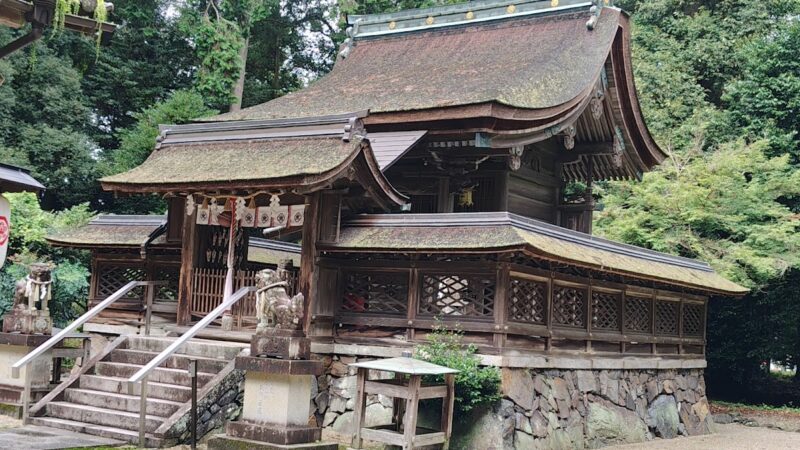
The main hall of Tenpōrin-ji Temple is built in a unique architectural style called “Ryūgū-zukuri.” Ryūgū-zukuri is characterized by its multi-layered roof, creating a magnificent exterior reminiscent of the Dragon Palace.
The predominantly vermilion color scheme and complex roof structure possess a beauty that sets it apart from typical temple architecture. The main hall, especially against a blue sky, is known for its photogenic qualities, and many visitors point their cameras at it during special public viewings.
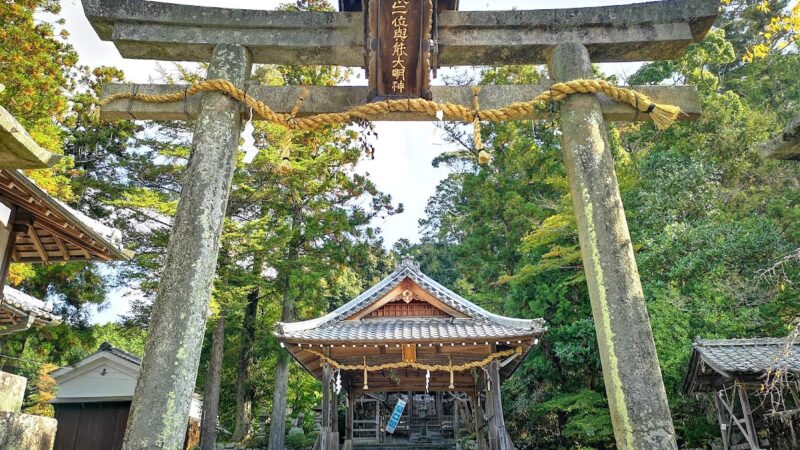
The first thing you see upon entering the temple grounds is the bell tower gate. The temple gate, a two-story structure with a temple bell suspended above, welcomes visitors at the entrance to the temple. Passing through the bell tower gate, a serene temple grounds covered in white sand unfolds, and beyond it stands the Ryugu-style main hall—a scene of breathtaking beauty reminiscent of paradise.
White Sand Garden and Tranquil Space
In front of the main hall lies a garden covered in white sand. This white sand symbolizes paradise and serves to purify the hearts of visitors.
While it lacks the flamboyance of the Ryoan-ji Temple’s rock garden, it possesses a simple yet calculated beauty, creating a magnificent harmony with the vermilion of the main hall. During special public viewing periods, visitors can be seen quietly offering prayers while gazing at the main hall across this white sand garden.
About Goshuin (Temple Seals) and Goshuincho (Seal Books)
Goshuin (temple seals) are available at Tenborin-ji Temple. As this temple is normally closed to the public, Goshuin (temple stamps) are only given during special public viewing periods or when visiting by prior reservation.
The Goshuin features the temple’s official name, “Tenpōrinji,” written in ink, and a stamp of the mountain name, “Shishikōzan.” As befits a Jōdo-shū temple, it may also include Sanskrit characters representing Amida Buddha or the phrase “Namu Amida Butsu.”
Regarding Goshuincho (stamp books), information on whether Tenpōrinji Temple has its own original Goshuincho is limited, so it is recommended to check directly with the temple before visiting. Those visiting temples and shrines in Kyoto may want to bring their own Goshuincho.
Visiting Information and Access
Basic Information
- Official Name: Shishikusan Tenporinji Temple
- Sect: Jodo-shu (Pure Land Buddhism)
- Location: 2 Ryoanji Yamadacho, Ukyo-ku, Kyoto City, Kyoto Prefecture
- Visiting Hours: Normally closed to the public (only open during special viewing periods)
- Admission Fee: Charged during special viewing periods (amount varies depending on the viewing period)
- Parking: None (use nearby paid parking lots)
About Special Viewings
Tenporinji Temple is normally closed to the public, but it sometimes participates in special viewing events such as “Kyoto Winter Journey.” The timing of special viewings varies each year, so please check the latest information on the official websites of the Kyoto City Tourism Association and the Kyoto Prefecture Tourism Federation.
Also, if you make a reservation by phone in advance, you may be able to view the main image even outside of special viewing periods. For those who want to be sure to visit, it is recommended to contact the temple directly.
Access by Public Transportation
By Train and Bus
The nearest station is Omuro-Ninnaji Station on the Keifuku Electric Railway (Arashiyama Line). Tenpōrinji Temple is approximately a 15-minute walk from the station.
- From Kyoto Station: Take the JR Sagano Line to Enmachi Station, then take Kyoto City Bus Route 26 to the Omuro-Ninnaji bus stop, and walk for approximately 10 minutes.
- By Kyoto City Bus: Get off at the Ryōanji-mae bus stop, and walk for approximately 5 minutes.
It’s within walking distance after visiting Ninnaji Temple or Ryōanji Temple, making it a recommended stop as part of a Kyoto temple tour.
Access by Car
Tenpōrinji Temple does not have its own parking lot, so if you are visiting by car, you will need to use a nearby paid parking lot. It is convenient to park your car at Ninnaji Temple or Ryōanji Temple and explore on foot.
Nearby Tourist Attractions
Ninna-ji Temple (World Heritage Site)
Ninna-ji Temple, located about a 10-minute walk from Tenpōrin-ji Temple, is the head temple of the Omuro branch of Shingon Buddhism and one of the constituent assets of the World Heritage Site “Historic Monuments of Ancient Kyoto.” It is famous for its Omuro cherry blossoms, attracting many tourists in spring.
Ryōan-ji Temple (World Heritage Site)
Ryōan-ji Temple, world-renowned for its rock garden, is also within walking distance of Tenpōrin-ji Temple. Its dry landscape garden embodies the spirit of Zen, attracting many visitors from both Japan and abroad.
Kinukake-no-michi Path
Kinukake-no-michi, a walking path connecting Ninna-ji Temple, Ryōan-ji Temple, and Kinkaku-ji Temple, is a classic Kyoto sightseeing route. Tenpōrin-ji Temple is also located along this path, allowing visitors to enjoy a peaceful temple tour.
Points to Note When Visiting Tenpōrin-ji Temple
Advance Reservation Recommended
As this temple is usually closed to the public, we strongly recommend making a reservation by phone in advance if you wish to guarantee your visit. Especially if you want to see the Omuro Daibutsu (Great Buddha of Omuro) up close, be sure to check Kyoto City’s tourist information frequently so you don’t miss the special opening period.
Quiet Visiting Environment
Tenpōrin-ji Temple is a quiet temple that has not been commercialized for tourism. When visiting, please be considerate of other visitors and nearby residents, and observe in silence. Regarding photography, please do so only within permitted areas.
Seasonal Charms
In spring, cherry blossoms; in autumn, autumn leaves; the temple grounds are adorned with nature in every season. While special openings are often held in winter, visiting nearby Ninna-ji Temple and Ryōan-ji Temple together allows you to enjoy the beauty of Kyoto in every season.
The Teachings of the Jodo Sect and Tenpōrin-ji Temple
Tenpōrin-ji Temple belongs to the Jodo Sect, a branch of Japanese Buddhism founded by Honen Shonin. It teaches that by chanting “Namu Amida Butsu,” anyone can attain rebirth in the Pure Land through the original vow of Amida Buddha.
The seated statue of Amida Buddha, the principal image of Tenpōrin-ji Temple, perfectly embodies these teachings of the Jodo Sect. Its overwhelming size, standing 7 meters tall, expresses Amida Buddha’s boundless compassion, instilling confidence in salvation in worshippers.
The temple’s mountain name, “Shishikuzan,” also carries the Buddhist meaning of “the Buddha preaching like a roaring lion,” representing the temple’s mission to spread and expound the Dharma.
A Hidden Gem of Kyoto Prefecture
Kyoto boasts numerous temples, but many, like Tenpōrin-ji Temple, possess special value despite being normally closed to the public. Unlike the famous temples bustling with tourists, the existence of temples that quietly maintain their faith symbolizes the profound culture of Kyoto.
Despite possessing the Omuro Daibutsu, one of Kyoto’s largest Buddha statues, its existence is not widely known because the temple prioritizes its role as a place of worship over tourism. This attitude is precisely what makes Tenpōrin-ji Temple truly appealing.
If there is an opportunity for a special opening, be sure to visit and spend a precious time contemplating the Omuro Daibutsu in tranquility. The place of worship left behind by the monk Kantsū will surely convey peace of mind and profound Buddhist teachings to us living in the modern age.
Summary
Shishikōzan Tenpōrin-ji Temple is a Jōdo sect temple located in Ukyō-ku, Kyoto City, and was founded by the monk Kantsū during the Edo period. This hidden gem of a temple boasts a magnificent main hall built in the Ryugu-zukuri style, and its principal image is the Omuro Daibutsu, standing approximately 7 meters tall.
While normally closed to the public, it is possible to visit during special viewing periods or by prior reservation, offering a rare opportunity to see one of Kyoto’s largest Buddha statues up close. Its convenient location near Ninna-ji and Ryoan-ji temples makes it ideal for exploring Kyoto’s temples and shrines.
Tenpōrin-ji Temple continues to convey its value as a quiet place of worship to the modern age. When you visit Kyoto, be sure to stop by this hidden gem of a temple.