Joganji Temple (Ukyo Ward, Kyoto Prefecture) Complete Guide | History, Cemetery Information, Access, and Highlights
Located in Hanazono-Konkita-cho, Ukyo Ward, Kyoto City, Joganji Temple is a historic temple founded as one of the seven temples dedicated to Sugawara no Michizane of Kitano Tenmangu Shrine. Belonging to the Honmon Hokke sect, it is now used as a cemetery while also being cherished by many as a sacred place that conveys the history and traditions of Kyoto.
This article comprehensively introduces information useful for those considering a visit to Joganji Temple, from its historical background and cemetery information to access methods and nearby attractions.
History and Origin of Joganji Temple
Founding as one of the seven temples of Kitano Tenmangu Shrine
The predecessor of Joganji Temple began around 947 (Tenryaku 1) in the mid-Heian period, around the time of the founding of Kitano Tenmangu Shrine, as one of the seven temples (Shichiho) founded in Kyoto by close associates and related parties of Sugawara no Michizane to mourn his spirit. Sugawara no Michizane is known as a scholar and politician of the Heian period, and later came to be revered as the god of learning. After Michizane’s death, temples and shrines were built throughout the country to appease his spirit, and it is said that Joganji Temple was founded as part of this effort.
The Era Known as the Kitsuji Pagoda
Records indicate that a pagoda was erected at Joganji Temple around 1179 (Jisho 3), towards the end of the Heian period, and it was known as the “Kitsuji Pagoda.” This period was the height of the Taira clan’s power, and many temples were built in Kyoto. Joganji Temple is thought to have been one of them, a central figure in local faith.
A History of Ruin and Restoration
Later, Joganji Temple fell into ruin due to wars such as the Onin War (1467-1477) and fires. Many temples in Kyoto suffered a similar fate during this period.
In 1689 (Genroku 2) during the Edo period, the head clerk of the Mitsui Money Exchange (the predecessor of the later Mitsui zaibatsu) dedicated himself to the restoration of Joganji Temple, which was reborn as a temple of the Nichiren sect. This restoration established Joganji Temple’s current form as a temple of the Honmon Nichiren sect.
Affiliation with the Honmon Nichiren Sect
Currently, Joganji Temple belongs to the Honmon Nichiren sect. The Honmon Nichiren sect is a branch of the Nichiren sect, a Buddhist sect that considers the Lotus Sutra as its fundamental scripture. Since its restoration in the Edo period, it has continued to uphold the teachings of the Nichiren sect and supported the faith of the local community.
Overview of Joganji Cemetery
Features of the Cemetery
Joganji Cemetery is a temple cemetery located at 5 Hanazono-Konkita-cho, Ukyo-ku, Kyoto City. As a cemetery established within the grounds of a historic temple, it is a sacred place where one can remember the deceased while feeling the historical atmosphere of Kyoto.
Despite its urban location, it maintains a quiet environment and enjoys ample sunlight. One of its major features is its convenient location, just a 7-minute walk from JR Hanazono Station and an 8-minute walk from JR Enmachi Station, making it easily accessible for visitors.
Types of Graves and Religious Affiliations
Joganji Cemetery primarily offers traditional general graves. Although it is a temple of the Honmon Hokke sect, it is an open cemetery where anyone can apply regardless of their religious affiliation, as long as they belong to a traditional Buddhist sect.
This policy of accepting people of all religious affiliations demonstrates the temple’s commitment to diversity, providing a resting place for followers of various denominations.
Cemetery Facilities and Amenities
Joganji Cemetery is equipped with various facilities necessary for visitors.
Main Facilities:
- Memorial Service Facility/Multipurpose Hall: A facility for holding memorial services and other religious ceremonies.
- Parking: Parking space for those visiting by car.
- Administration Building/Shop: Cemetery management office and shop where necessary items can be purchased.
The availability of a parking lot makes visiting by car convenient. Especially for those visiting from afar or bringing offerings, access by car is recommended.
Cemetery Prices and Costs
The price of a plot at Joganji Cemetery varies depending on the plot and location. The general cost structure for a temple cemetery includes the following items:
Main Cost Items:
- Perpetual Use Fee: Cost of acquiring the right to use the cemetery land perpetually
- Gravestone Cost: Cost of the gravestone itself and construction
- Management Fee: Annual cost for the maintenance and management of the cemetery
For specific prices, it is recommended to inquire directly with the temple or the cemetery operator, as prices vary depending on the availability of plots and the desired burial site conditions.
Cemetery Visit and Brochure Request
If you are considering interment at Joganji Cemetery, it is recommended that you first visit the site. Visiting in person allows you to check the atmosphere, environment, and accessibility of the cemetery.
Many cemetery introduction services offer free brochure requests and support for scheduling visits. You can easily inquire by phone or through their website, and professional staff will provide courteous assistance.
Access Information
Location
Address: 5 Hanazono-Konkita-cho, Ukyo-ku, Kyoto City, Kyoto Prefecture
Joganji Temple is located in the Hanazono area of Ukyo-ku, Kyoto City. This area is home to many temples, including Myoshinji Temple, and is a place where you can feel the history and culture of Kyoto.
Access by Train
Using the JR Sanin Main Line (Sagano Line):
- Approximately 7 minutes on foot from JR Hanazono Station
- Approximately 8 minutes on foot from JR Enmachi Station
The JR Sanin Main Line (Sagano Line) runs from Kyoto Station towards Saga-Arashiyama, and Hanazono Station is conveniently located about 10 minutes from Kyoto Station. Its location within walking distance of the station is a major advantage for those using public transportation.
From Hanazono Station, walk northwest; from Enmachi Station, walk west to reach Joganji Temple. Both stations are within a 10-minute walk, making it easy to enjoy a stroll while visiting on a fine day.
Access by Bus
Using Kyoto Bus:
- Approximately 3 minutes on foot from the “Nishinokyo Madaicho” bus stop
If using Kyoto Bus, the nearest stop is Nishinokyo Madaicho. It’s very close, about a 3-minute walk, making bus access convenient.
Access by Car
Joganji Temple has a parking lot, so you can visit by car. Access by car is especially convenient in the following cases:
- If you are visiting from a distant location
- If you are bringing offerings or cleaning supplies
- If you are visiting with elderly people or those with mobility issues
- If you are visiting with multiple people for a memorial service, etc.
Please note that parking spaces may be limited, so if a large number of attendees are expected for a memorial service, etc., it is recommended to check with the temple in advance.
Highlights of Joganji Temple
A Temple Grounds steeped in history
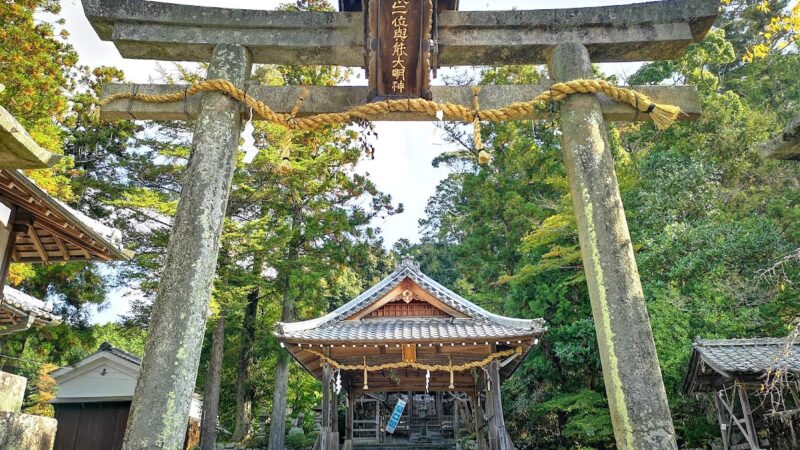
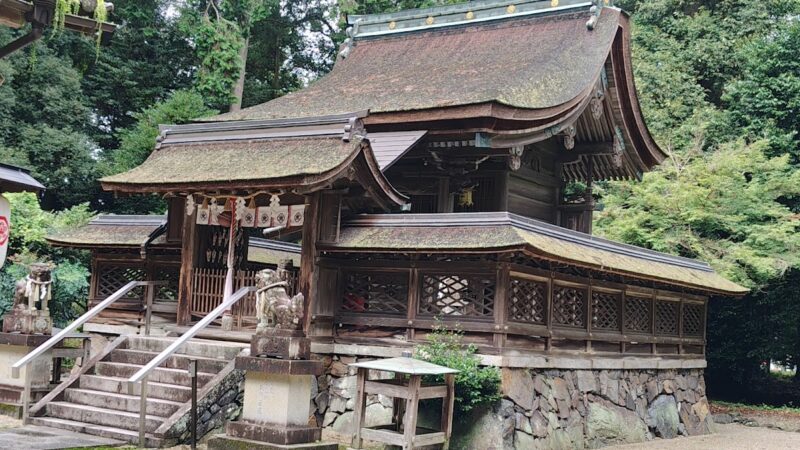
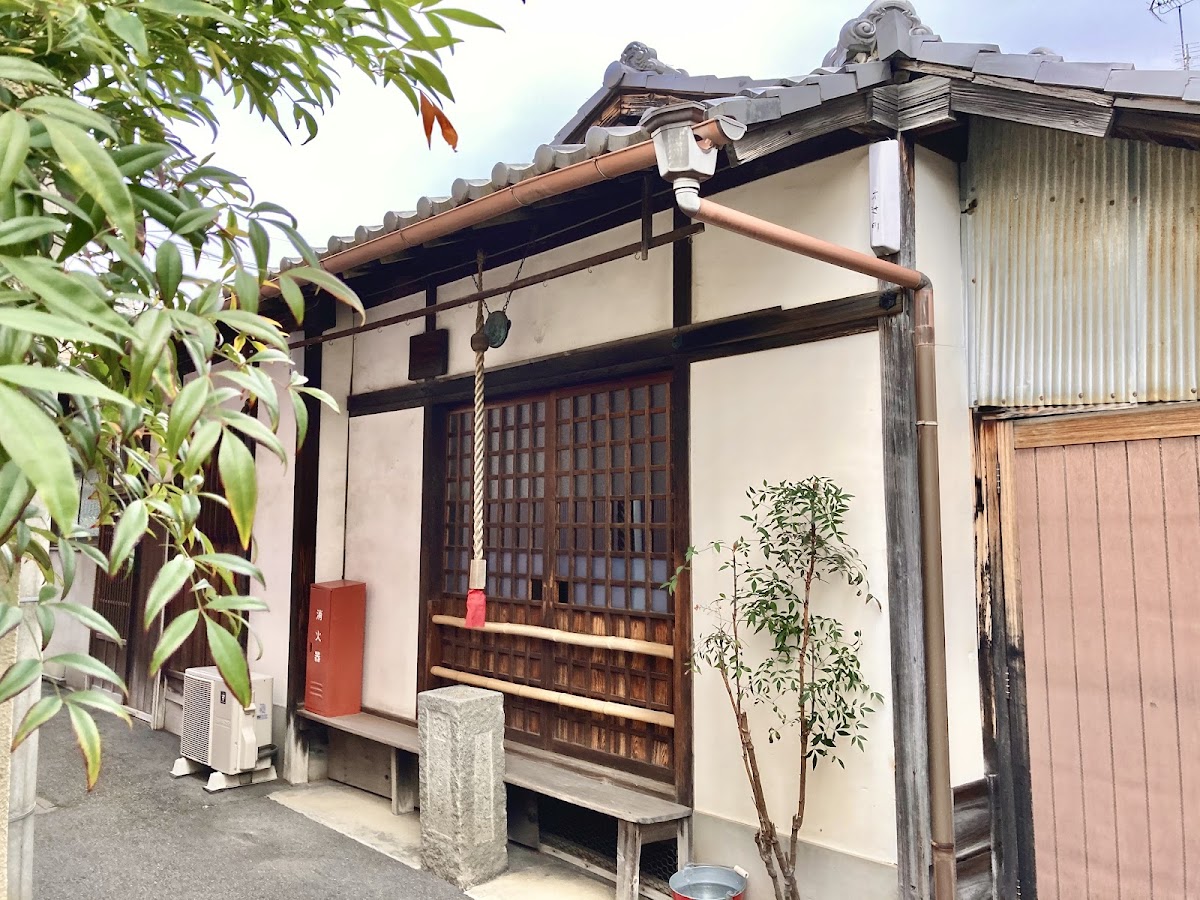
The grounds of Joganji Temple are a space that conveys the history of its founding as one of the seven sacred sites of Kitano Tenmangu Shrine. From the main hall, which was rebuilt during the Edo period, to the tranquil atmosphere characteristic of a temple with a long history, a sense of serenity permeates the air.
Despite its urban location, stepping onto the temple grounds envelops you in silence, allowing you to find peace of mind. As a precious place where you can feel a part of Kyoto’s history, it continues to captivate the hearts of visitors.
Connection to Sugawara no Michizane
Joganji Temple has a distinguished history, having been founded as one of the seven sacred sites of Kitano Tenmangu Shrine, dedicated to Sugawara no Michizane. Its connection to Michizane, known as the god of learning, is a major characteristic of this temple.
This historical background, built to mourn the spirit of Michizane, makes Joganji Temple more than just a cemetery or temple. It is a place of historical significance worth visiting for those praying for academic success or passing exams.
Characteristics of a Temple of the Honmon Hokke Sect
Since its restoration in the Edo period, Joganji Temple has followed the path of a temple of the Honmon Hokke sect, upholding faith based on the teachings of the Lotus Sutra. It also holds rituals and ceremonies unique to the Hokke sect, making it a place of learning for those interested in Buddhist culture.
Nearby Tourist Attractions
Myoshinji Temple
Located within walking distance west of Joganji Temple, Myoshinji Temple is a massive temple known as the head temple of the Myoshinji branch of the Rinzai sect. With 46 sub-temples, it is one of Kyoto’s representative Zen temples, attracting many tourists.
Highlights of Myoshin-ji Temple:
- The Cloud Dragon painting on the ceiling of the main hall (by Kano Tan’yu)
- The national treasure bronze bell (one of the oldest dated bronze bells in Japan)
- The group of sub-temples with beautiful gardens
- The natural beauty of the four seasons, including cherry blossoms in spring and autumn leaves
When visiting Jogan-ji Temple, we highly recommend also exploring Myoshin-ji Temple. Visiting both temples will give you a deeper understanding of Kyoto’s temple culture.
Ninna-ji Temple
Located approximately 1.5 km north of Jogan-ji Temple, Ninna-ji Temple is the head temple of the Omuro branch of Shingon Buddhism and a UNESCO World Heritage Site. It is known as a monzeki temple (a temple with deep ties to the Imperial family).
Highlights of Ninna-ji Temple:
- The National Treasure Golden Hall
- The Important Cultural Property Five-Storied Pagoda
- Omuro Cherry Blossoms (famous for their late blooming)
- Vast grounds and beautiful gardens
Ryoan-ji Temple
Located approximately 2km northeast of Jogan-ji Temple, Ryoan-ji Temple is a Rinzai Zen temple of the Myoshin-ji school, registered as a World Heritage Site. It is world-famous for its rock garden (dry landscape garden).
Highlights of Ryoan-ji Temple:
- The world-famous rock garden (Hojo Garden)
- A strolling garden centered around Kyoyo Pond
- A space embodying the aesthetics of Wabi-Sabi
Toji-in Temple
Located approximately 1km east of Jogan-ji Temple, Toji-in Temple is a Rinzai Zen temple of the Tenryu-ji school, founded by Ashikaga Takauji. It is a historically important temple as the family temple of the Ashikaga shogunate.
Highlights of Toji-in Temple:
- Beautiful pond garden
- Reiko-den Hall, housing wooden statues of Ashikaga shoguns
- Quiet and peaceful atmosphere
Points to Note When Visiting Joganji Temple
Visiting Etiquette
Joganji Temple is both an active temple and a cemetery. Please observe the following etiquette when visiting:
- Maintain silence and avoid disturbing other visitors
- Refrain from talking in the cemetery and maintain a solemn demeanor
- Take photographs only within permitted areas, taking care not to include other visitors or graves in your photos
- Always take your trash with you
- Refrain from entering areas other than those designated
Attire
For regular visits, no special attire is required, but clean and subdued clothing is preferred. If attending a memorial service, wear mourning attire or semi-formal attire.
Visiting Time
Visiting the cemetery should generally be done during daylight hours. During the Obon and Higan periods, congestion is expected, so we recommend visiting with plenty of time to spare.
Main Annual Events:
- Spring Higan (around mid-March)
- Obon (mid-August)
- Autumn Higan (around mid-September)
During these periods, many people visit the cemetery, so the parking lot may be crowded.
For those considering using Joganji Cemetery
Points to consider when choosing a cemetery
Joganji Cemetery is especially recommended for the following people:
Those who prioritize transportation access:
Its convenient location, a 7-minute walk from JR Hanazono Station and an 8-minute walk from JR Enmachi Station, is a major advantage when considering regular visits. It is suitable for those who want to choose a place that is easy to visit even in old age.
Those who desire a historical temple:
It is a historic temple founded as one of the seven sacred sites of Kitano Tenmangu Shrine, where you can remember your loved ones while feeling the atmosphere of history.
For those who are not particular about their religious affiliation:
As long as you belong to a traditional Buddhist sect, you are welcome regardless of your religious affiliation. Therefore, there is no need to convert, and you can use the cemetery while maintaining your own faith.
For those who desire a convenient location in an urban area:
While conveniently located within Kyoto City, a quiet and peaceful environment is maintained.
Flow of Visit and Consultation
When considering using the Joganji Cemetery, the process generally follows the steps outlined below.
- Request Information: Request information from cemetery referral services or temples to confirm basic information.
- Schedule a Visit: Schedule a visit by phone or through the website.
- Visit the Site: Actually visit the cemetery to check the environment and facilities.
- Consultation/Questions: Discuss in detail about costs, available plots, contract terms, etc.
- Consideration/Comparison: Carefully consider and compare with other cemeteries.
- Contract: Complete the contract procedures after agreeing to the terms.
- Gravestone Construction: Design and construct the gravestone.
- Interment: Perform the eye-opening ceremony and inter the remains.
Contact Information
For detailed information about Joganji Cemetery and to schedule a visit, you can inquire using the following methods:
- Contact the temple directly by phone.
- Request information and schedule a visit through a cemetery referral service website.
- Consult with a cemetery operator (e.g., Kado Co., Ltd.).
Many cemetery referral services offer free support for requesting information and scheduling visits, so feel free to use them.
Characteristics of Kyoto Temple Cemeteries
History and Tradition
Many temple cemeteries in Kyoto have a long history and tradition, and Joganji Temple is one of them. From temples dating back to the Heian period to those rebuilt during the Sengoku and Edo periods, each has its own unique history.
To be buried in a historic temple cemetery means becoming a part of the historic city of Kyoto. The ability to remember the deceased within the faith and culture passed down through generations is a unique characteristic of Kyoto’s temple cemeteries.
Harmony Between Urban Areas and Nature
Many of Kyoto’s temple cemeteries maintain a lush green environment despite being located in urban areas. Joganji Temple, too, maintains a quiet and peaceful atmosphere despite its convenient location.
This harmony between urban convenience and natural environment makes it an ideal environment for those seeking both ease of visitation and peace of mind.
Cultural Assets and Tourist Resources
Many of Kyoto’s temples house valuable cultural assets and are popular tourist spots. Around Joganji Temple, there are numerous temples with World Heritage Sites and National Treasures, such as Myoshinji, Ninnaji, and Ryoanji.
Visiting these cultural assets and tourist spots while paying respects at the graves allows for a deeper understanding of Kyoto’s history and culture.
Summary
Joganji Temple (Ukyo-ku, Kyoto Prefecture) is a historic temple of the Honmon Hokke sect, founded as one of the seven temples associated with Kitano Tenmangu Shrine, which is linked to Sugawara no Michizane. With a long history dating back to the Heian period, it has been a beloved center of local faith since its restoration in the Edo period.
Currently, it also serves as a cemetery and maintains an open stance, accepting people of all Buddhist sects and denominations. Its convenient location—a 7-minute walk from JR Hanazono Station and an 8-minute walk from JR Enmachi Station—and ample parking are significant advantages for those considering regular visits.
Joganji Temple’s combination of a quiet environment steeped in history and a convenient location in the city makes it an attractive option for many people. If you are considering using a cemetery plot, we highly recommend visiting the site to experience its atmosphere and environment firsthand.
Furthermore, there are numerous historical temples in the surrounding area, including Myoshin-ji Temple, allowing you to enjoy Kyoto’s temple culture in conjunction with visiting graves. Jogan-ji Temple is a temple worth visiting not only as a place to remember the deceased, but also as a place to experience Kyoto’s history and culture.