Complete Guide to Jingoji Temple (Ukyo Ward, Kyoto Prefecture) | The Charm and History of National Treasures, Autumn Leaves, and Kawarake Throwing
Located in Umegahata Takao-cho, Ukyo Ward, Kyoto City, Jingoji Temple is a head temple of the Koyasan Shingon sect, situated on the slopes of Mount Takao. Its official name is “Takao-san Jingokokuso Shingon-ji,” and it is known as an extremely important temple in the history of Japanese Buddhism, where Kukai (Kobo Daishi) and Saicho stayed.
This guide introduces the complete picture of Jingoji Temple, which boasts a variety of attractions, including the National Treasure standing statue of Yakushi Nyorai, other valuable Buddhist statues and cultural assets, Kyoto’s earliest autumn foliage viewing spot, and “kawarake throwing” overlooking the Kinunkei Valley.
History and Origins of Jingoji Temple
Background of its Founding and Wake no Kiyomaro
The origins of Jingoji Temple date back to the late Nara period. The temple’s origins are traced back to 781 (Ten’ō 1), when Wake no Kiyomaro, who had the trust of Empress Shōtoku, established Jinganji Temple in Kawachi Province (present-day Osaka Prefecture). Wake no Kiyomaro was a politician and court official known for the Dōkyō Incident, and is remembered in history for thwarting Dōkyō’s ambition to seize the imperial throne in the Usa Hachimangu Oracle Incident.
Around the same time, another temple, Takao-san-ji, existed on Mount Takao. These two temples merged in 824 (Tenchō 1) to form the present-day Jingoji Temple.
The Footsteps of Kūkai and Saichō
Jingoji Temple holds a special place in the history of Japanese Buddhism. From 809 (Daidō 4) for approximately 14 years, Kūkai resided at this temple, using it as a base for the study and propagation of Shingon Esoteric Buddhism, which he brought back from Tang China. This was a crucial period in Kukai’s life before he began managing Toji Temple and Koyasan, and it was here that the foundation of Shingon Buddhism was laid.
Furthermore, records show that Saicho, the founder of Tendai Buddhism, also lectured on the Lotus Sutra here, making it a rare temple associated with the founders of both sects.
Restoration by Monk Mongaku
At the end of the Heian period, Jingoji Temple fell into disrepair. However, Monk Mongaku, who was active from the late Heian period to the early Kamakura period, restored the temple with the support of Emperor Go-Shirakawa and Minamoto no Yoritomo. Monk Mongaku was known for his strong personality and drive, and through his efforts, Jingoji Temple regained its prosperity.
Many temple buildings were constructed during this restoration period, and many of the cultural artifacts that exist today were collected or created during this time.
Main Buildings and Highlights of the Temple Grounds
The Gate and Stone Steps
The approach to Jingoji Temple begins at Takao Bridge over the Kiyotaki River. From here, you need to climb approximately 400 stone steps, experiencing the solemn atmosphere unique to a mountain temple. The climb, which may leave you breathless, can be seen as a period of mental preparation as you move from everyday life to a sacred place.
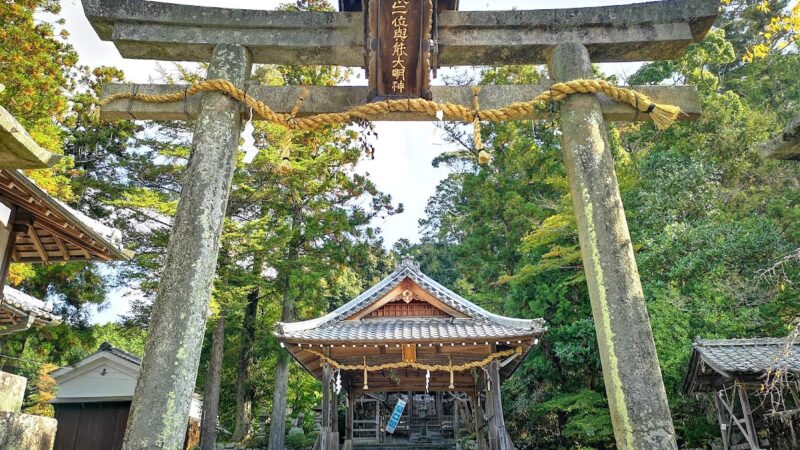
Upon reaching the top of the stone steps, a magnificent gate awaits visitors. Passing through this gate, you finally enter the grounds of Jingoji Temple.
The Main Hall (Kondo)
Located in the center of the temple grounds, the Kondo is the main hall of Jingoji Temple. The current Kondo was rebuilt during the Showa era, but it houses the national treasure, the standing statue of Yakushi Nyorai (Medicine Buddha).
The standing statue of Yakushi Nyorai dates from the early Heian period (9th century) and is carved from a single piece of kaya wood, standing 170.2 cm tall. This Buddhist statue is of paramount importance in art history as a representative work of early Heian period esoteric Buddhist sculpture. Its powerful and majestic physique, and stern yet compassionate expression, exude an overwhelming presence that captivates the viewer.
The main hall also houses other works from the Heian period, including standing statues of Nikko and Gekko Bodhisattvas and the Twelve Heavenly Generals, making it a true treasure trove of Heian Buddhist art.
Tahōtō (Multi-storied Pagoda)
Located slightly elevated to the west of the main hall, the Tahōtō is a beautiful vermilion-painted pagoda rebuilt in 1934. Inside, five statues of the Bodhisattvas of Akasagarbha are enshrined.
During the autumn foliage season, the contrast between the vermilion pagoda and the autumn leaves creates a spectacular view, making it a popular spot for photography enthusiasts.
Daishidō (Great Master Hall)
The Daishidō, dedicated to Kūkai (Kōbō Daishi), is one of the centers of faith at Jingoji Temple. Every November, a special opening of the Daishido Hall takes place, allowing visitors to view the hall’s interior, which is normally closed to the public.
Godai-do Hall
The Godai-do Hall, dedicated to the Five Great Wisdom Kings, is an important hall where Shingon Esoteric Buddhism rituals are performed. The Five Great Wisdom Kings, centered around Fudo Myoo, are powerful guardian deities in Esoteric Buddhism, and prayers for protection against misfortune and the fulfillment of wishes are offered here.
Jizo-in Temple and the View of Kinunkei Valley
Located at the innermost part of the temple grounds, Jizo-in Temple is a must-visit spot for anyone visiting Jingoji Temple. From here, you can enjoy a magnificent panoramic view of the Kinunkei Valley.
Especially during the autumn foliage season, the carpet of autumn leaves spreading out below is breathtakingly beautiful. This scenic spot is also famous for offering the opportunity to experience “kawarake-nage” (throwing earthenware discs).
Kawarake Throwing
Throwing unglazed earthenware plates (kawarake) from Jizoin Temple towards Kinunkei Valley is one of Jingoji Temple’s signature experiences. It has meanings related to warding off evil and making wishes, and throwing them with all your might towards the valley gives you a refreshing feeling as if your daily stresses are flying away.
Kawarake can be purchased for about 100 yen for two, and many visitors try their hand at it.
National Treasures and Important Cultural Properties
Cultural Properties Designated as National Treasures
Jingoji Temple is known as a temple possessing numerous national treasures.
Standing Statue of Yakushi Nyorai (Early Heian Period): As mentioned above, this is the principal image enshrined in the main hall and is one of the finest masterpieces of Heian-period esoteric Buddhist sculpture.
Temple Bell (875 AD, Jogan 17): Also known as the “Bell of Three Perfections,” it is counted as one of Japan’s three most famous bells. The other two are the bronze bells of Onjo-ji Temple (Mii-dera Temple) and Byodo-in Temple. These bronze bells are 149cm tall and 87cm in diameter, and their beautiful sound has been praised since ancient times. They are currently stored in the treasure house and are only rung on special occasions such as New Year’s Eve.
Portrait of Minamoto no Yoritomo (Kamakura period): This is a famous portrait that appears in Japanese history textbooks. For a long time, it was considered a portrait of Minamoto no Yoritomo, but recent research suggests it may be Ashikaga Tadayoshi or another person, and academic debate continues. Its realistic and powerful depiction is considered the pinnacle of Kamakura period portraiture.
Portrait of Taira no Shigemori (Kamakura period): This portrait was painted in a similar style to the Yoritomo portrait, and there are also various theories about the subject.
These national treasures are usually stored in the treasure house and can be viewed during special exhibition periods in spring and autumn.
Important Cultural Properties
Jingoji Temple houses numerous important cultural properties in addition to national treasures.
- Five Great Bodhisattva Statues (Heian period): Housed in the Tahoto pagoda
- Standing Statue of Shakyamuni Buddha (Heian period)
- Seated Statue of Monk Mongaku (Kamakura period): A realistic depiction of the benefactor who restored Jingoji Temple
- Konshi Kinji Issaikyo (Heian period): A magnificent sutra written in gold ink
- Kobo Daishi Sōrai Mokuroku (Kukai’s own handwriting, Heian period): A catalog of items brought back by Kukai from Tang China
Due to these cultural properties, Jingoji Temple is sometimes referred to as a “temple like an art museum.”
Jingoji Temple as a Famous Spot for Autumn Leaves
The Earliest Autumn Leaves in Kyoto
Takao, where Jingoji Temple is located, is at a higher elevation and has lower temperatures than Kyoto city, making it known as the place where autumn leaves begin to change color earliest in Kyoto. The best time to see the autumn leaves is usually from late October to early November, two to three weeks earlier than other famous autumn foliage spots in Kyoto City.
Autumn Leaves of Sanbi
Takao, Makinoo, and Toganoo are collectively known as “Sanbi,” and have been cherished by nobles and literary figures as famous spots for autumn leaves since ancient times. Jingoji Temple is the central temple of Takao and the starting point for a pilgrimage to Sanbi.
Visiting it along with the nearby Saimyoji Temple (Makinoo) and Kozanji Temple (Toganoo) allows you to enjoy three famous temples and autumn leaves in one day.
Nighttime Illumination
During the autumn foliage season, Jingoji Temple sometimes holds special nighttime viewings and illuminations (the status varies from year to year, so prior confirmation is necessary). The beauty of the autumn leaves and temple buildings illuminated by the lights in a different, fantastical atmosphere is exceptional.
Visiting Information and Access
Basic Information
Official Name: Takao-san Jingokokuso Shingon-ji Temple
Address: 5 Umegahata Takao-cho, Ukyo-ku, Kyoto City
Phone Number: 075-861-1769
Visiting Hours: 9:00 AM – 4:00 PM (Open all year round)
Admission Fee:
- Adults (Junior high school students and older): 600 yen
- Elementary school students: 300 yen
- Treasure Insect Extermination (Special opening in spring and autumn): Additional 500 yen
*Please check official information before visiting, as fees may change.
Access Methods
Using Public Transportation
- JR Bus (Recommended)
Take the JR Bus “Takao/Keihoku Line” from Kyoto Station, get off at the “Yamashiro Takao” bus stop, and walk for approximately 20 minutes.
Travel time: Approximately 50 minutes from Kyoto Station + 20 minutes on foot.
- City Bus
Take City Bus Route 8 from Kyoto Station, get off at the “Takao” bus stop, and walk for approximately 20 minutes.
City Bus Route 8 is also available from Shijo Karasuma.
From the Bus Stop to Jingoji Temple
From the “Takao” bus stop to Jingoji Temple, it’s about a 20-minute walk. Follow the path along the Kiyotaki River, cross the Takao Bridge, and climb the stone steps leading to the temple. There are tea houses and souvenir shops along the way, and it gets crowded with tourists during the autumn foliage season.
Access by Car
Jingoji Temple does not have its own parking lot. During the autumn foliage season, the surrounding roads become very congested, so we strongly recommend using public transportation. If you absolutely must visit by car, you will need to use the paid parking lots around Takao, but the number of spaces is limited and they can fill up even early in the morning.
Estimated Visiting Time
If you want to leisurely view the temple grounds, approximately 1 to 1.5 hours is a good guideline. If you also want to view the treasures during the treasure insect extermination period, please allow an additional 30 minutes to 1 hour. Since there are stone steps to climb and descend, we recommend wearing comfortable shoes.
Nearby Tourist Attractions
Kōzan-ji Temple (Toganoo)
This World Heritage temple is located about 2km from Jingoji Temple, about a 30-minute walk. It is famous for its national treasure, the “Chōjū-jinbutsu-giga” (Scrolls of Frolicking Animals and Humans), and is also known for having Japan’s oldest tea plantation. Its autumn foliage is beautiful, making it a must-visit temple along with Jingoji Temple.
Saimyō-ji Temple (Makio)
This Shingon Buddhist temple is located midway between Jingoji Temple and Kōzan-ji Temple. It is also known as a famous spot for autumn foliage and is one of the three temples on the Sanbi pilgrimage. The autumn foliage views from the main hall and guest hall are magnificent, making this a relatively quiet and hidden gem for worship.
Kiyotaki
Located further into the mountains from Takao, this valley is bustling with people seeking respite from the heat in summer. The clear waters of the Kiyotaki River and the surrounding greenery are beautiful, and it’s a popular starting point for hiking trails.
Annual Events and Activities
Spring Special Opening (Treasure Insect Removal)
Held annually from around May 1st to 5th, this special opening also serves as an airing out of the temple’s treasures. It’s a rare opportunity to view national treasures and important cultural properties up close, making it an unmissable event for Buddhist art enthusiasts.
Autumn Special Opening (Treasure Insect Removal)
Held from early to mid-October, this special autumn opening allows for a more leisurely viewing of the treasures, as it takes place before the peak autumn foliage season.
Daishido Special Opening
From around November 1st to 7th, the Daishido, dedicated to Kukai, is specially opened to the public. The peak of the autumn foliage season often coincides with the temple’s opening, attracting many visitors.
Kawarake Throwing
While available year-round, this is especially popular during the autumn foliage season. It’s a traditional event where people throw earthenware discs (kawarake) towards Kinunkei Gorge, with the intention of warding off evil and making wishes.
Points to Note and Manners During Your Visit
About the Stone Steps
The approach to Jingoji Temple consists of approximately 400 stone steps, requiring considerable physical exertion. Those who are not confident in their physical strength or have concerns about their legs and feet are advised to climb slowly, taking breaks as needed. The steps can be slippery in rainy weather or when wet from autumn leaves, so extra caution is necessary.
Photography
Photography of the temple grounds is generally permitted, but photography of Buddhist statues and treasures inside the halls is prohibited. Even in areas where photography is permitted, please be considerate of other visitors.
Clothing
As it is a mountain temple, temperatures are lower than in downtown Kyoto. Especially in autumn and winter, be sure to dress warmly. Also, since there are stone steps to climb and descend, comfortable walking shoes are essential.
Crowds during the Autumn Foliage Season
The autumn foliage season, from late October to mid-November, is extremely crowded. Especially on weekends and holidays, the approach to the temple can be congested, so visiting early on a weekday is recommended.
To fully enjoy the charm of Jingoji Temple
Jingoji Temple is not merely a tourist spot; it is a sacred site of Japanese Buddhism with a history of over 1200 years. It is one of Kyoto’s most renowned temples, where national treasure Buddhist statues and cultural artifacts, the footsteps of Kukai and Saicho, and the beauty of nature throughout the seasons harmonize.
While the beauty during the autumn foliage season is exceptional, the temple grounds also have their own charm in the season of fresh greenery and the quiet winter. Please experience the solemn atmosphere and spectacular views unique to a mountain temple, which can only be appreciated by those who are willing to make the effort to climb the stone steps.
Throwing clay discs while overlooking Kinunkei Valley, coming face-to-face with the national treasure Yakushi Nyorai statue, and reflecting on the history of the temple bell, one of Japan’s three most famous bells—these experiences will surely become unforgettable memories of Kyoto.