Dairyu-ji Temple (Ukyo-ku, Kyoto Prefecture) Complete Guide | History and Benefits of “Ususama no Tera,” the Temple of Ususama Myoo
Dairyu-ji Temple, located along the Shuzan Kaido road in Ukyo-ku, Kyoto City, is an ancient Jodo sect temple affectionately known as “Ususama-do” or “Ussan no Tera.” Established in 1586 to pray for the eradication of disease, it is known for enshrining Ususama Myoo, considered one of the three most important Ususama Myoo statues in Japan.
This article provides comprehensive information useful for those planning a Kyoto sightseeing trip or temple visit, including the detailed history of Dairyu-ji Temple, its highlights, benefits, goshuin (temple stamp) information, and access methods.
Table of Contents
- Basic Information about Dairyu-ji Temple
- History of Dairyu-ji Temple
- What is Ususama Myoo?
- Highlights of the Temple Grounds
- Benefits and Faith
- Goshuin (Temple Seal) Information
- Access and Visiting Information
- Nearby Tourist Spots
Basic Information about Dairyu-ji Temple
Official Name: Hachibuzan Gohoin Dairyu-ji
Sect: Jodo-shu (Pure Land Buddhism)
Mountain Name: Hachibuzan
Temple Name: Gohoin
Principal Image: Amida Buddha (enshrined in the main hall, “Komyo-do”)
Other Image: Secret Buddha Ususama Myoo (enshrined in the Myoo-do)
Location: 37 Umegahata Takanohana-cho, Ukyo-ku, Kyoto City, Kyoto Prefecture
Phone Number: 075-881-1121
Common Names: Ususama-do, Ussan’s Temple
Dairyūji Temple is located along National Route 162 (Shūzan Kaidō), which runs from Kyoto city towards Takao. Its convenient location makes it easy to stop by on a pilgrimage to Jingoji Temple or Kōzanji Temple.
History of Dairyūji Temple
Founded during the Tenshō Era
Dairyūji Temple was founded in Tenshō 14 (1586), during the Azuchi-Momoyama period. In that year, a major epidemic swept through Kyoto, causing great suffering to many people. Concerned about this situation, the Jōdo sect monk, Nenyo Shōnin, built a hall to enshrine Ususama Myōō, who is believed to possess the power to purify purity and defilement.
Ususama Myoo is believed to possess the power to transform impurity into purity, and was worshipped as an object of prayer for the eradication of epidemics. Legends remain that epidemics subsided through the miraculous power of this deity.
Deep Connections to the Geisha District
At its founding, Dairyu-ji Temple was located in the geisha district of Nakagyo Ward, Kyoto City (believed to be around Kamishichiken). Therefore, it received particularly strong devotion from women working in the geisha district and became known as a place of prayer for women’s specific illnesses and physical ailments.
Ususama Myoo was also worshipped as the “god of toilets” and the “god of lower body illnesses,” and there was a constant stream of worshippers praying for healing from gynecological diseases and lower body ailments. This unique form of worship makes Dairyu-ji Temple a distinctive presence among Kyoto’s temples.
Relocation in the Showa Era
In 1977 (Showa 52), Dairyu-ji Temple relocated from the central part of Kyoto City to its current location in Umegahata Takanohana-cho, Ukyo Ward. The temple’s relocation to a quieter location along the Shuzan Highway has created a more tranquil atmosphere for worship.
Devotion to Ususama Myoo remains unchanged after the move, and many worshippers continue to visit from afar. The current temple office offers Goshuin (temple stamps) and worship services by appointment only, and is known for its courteous service.
About Ususama Myoo
Characteristics and Origin of the Myoo
Ususama Myoo is a transliteration of the Sanskrit word “Ucchuṣma,” also known as “Kasho Zanmai.” He is one of the Myoo in Esoteric Buddhism, believed to possess the power of fire to burn away impurity and transform it into purity.
The Ususama Myoo enshrined at Dairyu-ji Temple is carefully preserved as a hidden Buddha image and has been revered since ancient times as a highly efficacious Buddha statue, considered “the finest of the three in Japan.”
Unique Forms of Worship
Ususama Myoo is worshipped in the following unique ways:
1. Guardian Deity of Toilets
Due to his power to transform impurity into purity, he is worshipped as the guardian deity of toilets and latrines. Even today, the custom of placing Ususama Myoo talismans in the toilets of newly built homes remains.
2. Protection from Epidemics
As is clear from the history of its founding, he is believed to have the power to ward off epidemics and infectious diseases.
3. Healing of Women’s Illnesses
He has been particularly sought after for prayers related to women’s diseases, lower body illnesses, and childbirth.
4. Purification of Worldly Desires
He is believed to burn away the defilements and worldly desires of the mind, leading to a pure heart.
Highlights of the Temple Grounds
Myoo-do Hall (Ususama Myoo Hall)
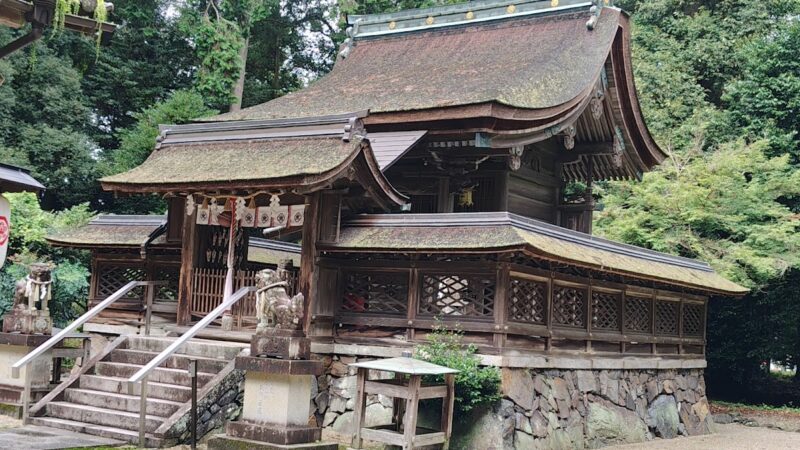
The Myoo-do Hall is the central building of Dairyu-ji Temple. Here, the hidden Buddha, Ususama Myoo, is enshrined. The hall is enveloped in a solemn atmosphere, and worshippers offer prayers with their hands clasped together in front of the hall.
The doors of the Myoo Hall are usually closed, protecting the hidden Buddha, but many worshippers say that its spiritual presence can be felt even from outside the hall.
Komyodo (Main Hall)
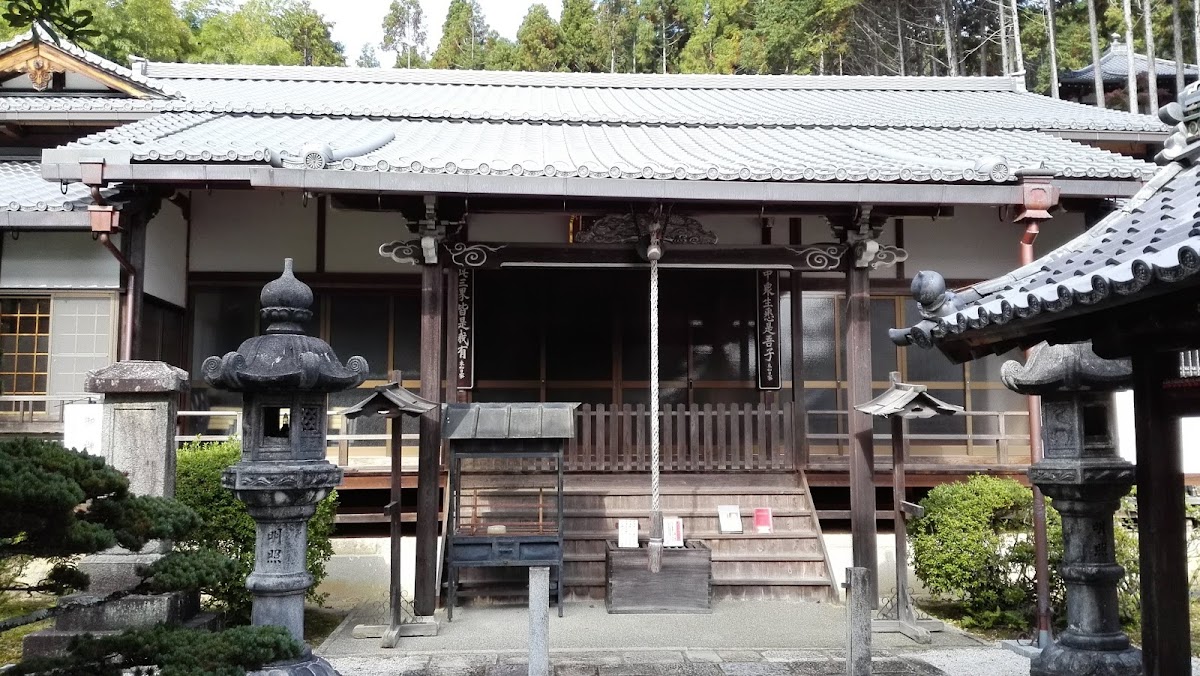
The Komyodo, which enshrines the principal image, Amida Buddha, is the heart of Dairyu-ji Temple as a Jodo sect temple. Amida Buddha is the most important principal image in Jodo sect, guiding those to rebirth in the Pure Land.
Daily services are held in the Komyodo, and worshippers can pray to Amida Buddha for rebirth in the Pure Land and chant the Nembutsu.
Atmosphere of the Temple Grounds
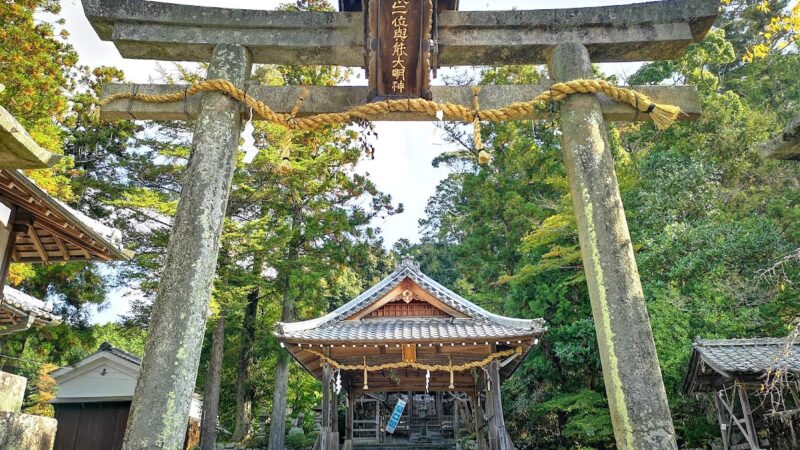
Despite its location along the Shuzan Highway, the temple grounds are enveloped in a tranquil atmosphere. With the mountains of Takao as a backdrop, you can enjoy the changing scenery of nature with each season.
Especially during the autumn foliage season, the entire Takao area becomes a famous spot for viewing autumn leaves, and Dairyu-ji Temple is also dyed in beautiful autumn colors. The fresh greenery of spring, the deep green of summer, and the snowy landscapes of winter welcome visitors with the charm of each season.
Stone Art and Gardens
Throughout the temple grounds are stone Buddha statues and monuments that evoke a sense of history. These stone sculptures are evidence of the faith that Dairyu-ji Temple has attracted many people throughout its long history.
The well-maintained gardens exude a unique atmosphere, harmonizing Zen-like tranquility with the brightness of Jodo Buddhism.
Benefits and Faith
Main Benefits
The main benefits believed to be obtained by visiting Dairyu-ji Temple are as follows:
1. Protection from Epidemics and Healing from Illness
The temple’s miraculous power to ward off epidemics, which is the origin of its founding, is still believed today, and prayers for healing from all kinds of illnesses can be offered.
2. Healing of Women’s Illnesses
Prayers for women’s health, including gynecological diseases, irregular menstruation, infertility, and safe childbirth, are particularly well-known.
3. Healing of Lower Body Illnesses
It is also known as a place to pray for illnesses that are difficult to talk about, such as hemorrhoids and urinary tract disorders.
4. Purification of Mind and Body
It is believed that the purifying power of Ususama Myoo cleanses the impurities and worldly desires of the mind, restoring a pure mind and body.
5. Family Safety and Protection from Evil
Due to its power to ward off impurity and purify, it is also believed to bring peace to the family and protection from evil.
Etiquette for Visiting the Temple
At Dairyu-ji Temple, please follow the general etiquette for visiting a temple:
- Bow at the main gate before entering the temple grounds.
- Cleanse your hands and mouth at the water basin.
- Join your hands in prayer in front of the Myo-o-do Hall and silently recite your wish.
- Visit the main hall (Komyo-do Hall) and offer your prayers to Amida Buddha.
- Quietly walk around the temple grounds to calm your mind.
- When leaving, turn back to the main gate and bow.
If you have a special prayer request, you can consult with the temple office to receive a more elaborate prayer (advance notice required).
Goshuin (Temple Seal) Information
Issuance of Goshuin
Dairyu-ji Temple offers Goshuin (temple seals). The Goshuin will have the calligraphy of “Ususama Myo-o” or “Ususama-do” and the temple’s seal.
Important: Currently, advance reservations are recommended** for obtaining Goshuin at Dairyu-ji Temple. We recommend calling (075-881-1121) before your visit to confirm the temple office’s operating hours.
Features of the Goshuin (Temple Seal)
The goshuin at Dairyu-ji Temple is a precious item unique to a temple that enshrines the rare Myoo (Wisdom King) Ususama Myoo. If you bring your goshuincho (stamp book), it will be written directly for you.
Pre-printed goshuin may also be available; please check with the temple office.
Items Available
In addition to the goshuin, amulets and talismans of Ususama Myoo are also available. The talisman for toilets, in particular, is popular for its meaning of family safety and protection against evil.
Access and Visiting Information
Location
37 Umegahata Takanohana-cho, Ukyo-ku, Kyoto City, Kyoto Prefecture 616-8261
Access by Public Transportation
By JR/Subway:
- Take a Kyoto Bus from JR Sagano Line “Saga-Arashiyama Station” or Randen “Arashiyama Station”
- Take a Kyoto Bus from Kyoto Municipal Subway Tozai Line “Uzumasa Tenjingawa Station”
- Approximately 28 minutes on foot (approx. 2.2 km) from Keifuku Electric Railway (Randen) “Utano Station”
By Bus:
- From JR Kyoto Station: Take the JR Bus bound for “Shuzan” and get off at “Takao,” then walk approximately 5 minutes.
- From Shijo Kawaramachi/Sanjo Keihan: Take the Kyoto Bus bound for “Toganoo/Shuzan” and get off at “Takao,” then walk approximately 5 minutes.
Nearest Bus Stop: “Takao” or “In front of Takao Hospital”
Access by Car
From central Kyoto, head north on National Route 162 (Shuzan Kaido) towards Takao for approximately 30 minutes. It is located slightly east of Takao Hospital.
Parking: There is some parking space on the temple grounds, but it is recommended to check with the temple office in advance. During busy periods such as the autumn foliage season, please consider using nearby paid parking lots.
Visiting Hours and Admission Fee
Visiting Hours: The temple grounds are freely accessible (however, prior contact is required for services at the temple office).
Admission Fee: Visiting the temple grounds is free.
Notes:
- If you wish to receive a Goshuin (temple stamp) or special prayers, please be sure to contact us by phone in advance.
- The Ususama Myoo, a hidden Buddha, is usually not on public display.
- Please visit quietly and be considerate of other visitors.
Nearby Tourist Attractions
Dairyuji Temple is located in the Takao area, and many of Kyoto’s most famous temples are scattered around the area. ### Jingoji Temple
A historic Shingon Buddhist temple located approximately 1.5 km north of Dairyuji Temple, about a 20-minute walk. It is associated with Kukai (Kobo Daishi) and is known for its national treasure statue of Yakushi Nyorai and a statue of Minamoto no Yoritomo (attributed). It is also famous for its autumn foliage, attracting many tourists in the fall.
Kozanji Temple
Located further north from Jingoji Temple in Toganoo, this World Heritage site temple is known for its national treasure “Choju Jinbutsu Giga” (Scrolls of Frolicking Animals and Humans) and for having Japan’s oldest tea plantation. Its charm lies in the harmonious blend of natural beauty and historical buildings within the temple grounds.
Saimyoji Temple
A Tendai Buddhist temple located midway between Takao and Toganoo. Along with Jingoji and Kozanji, it is one of the famous temples in the Takao area, known as “Sanbi” (Three Tails). Known for its beautiful autumn foliage, the tunnel of autumn leaves along the approach to the temple is a particularly spectacular sight.
Kiyotaki
Located about 3km southwest of Dairyu-ji Temple, at the foot of Mt. Atago, this village boasts a clear stream. In summer, it’s bustling with people seeking respite from the heat, and there are restaurants where you can enjoy riverside dining. It’s also a popular starting point for hiking trails.
How to Enjoy the Takao Area
The Takao area is located in a mountainous region slightly away from the center of Kyoto City, and its charm lies in its rich natural environment. The following seasons are especially recommended:
Spring (April-May): Beautiful fresh greenery, perfect for hiking
Summer (June-August): Cooler temperatures than in the city, ideal for enjoying riverside dining
Autumn (November): One of Kyoto’s premier autumn foliage spots, offering breathtaking views of vibrant autumn leaves
Winter (December-February): Beautiful snowscapes, providing a tranquil atmosphere for worship
Points to remember when visiting Dairyu-ji Temple
Preparations
To ensure a smooth visit to Dairyu-ji Temple, please make the following preparations:
- Advance Contact: If you wish to receive a Goshuin (temple stamp) or special prayers, be sure to call in advance.
- Clothing: As it is a mountainous area, wear appropriate clothing for the season and comfortable walking shoes.
- Time Allocation: Plan a half-day to full-day sightseeing itinerary, including nearby Jingoji Temple and Kozanji Temple.
- Transportation: Bus service is limited, so check the timetable in advance.
Best Time to Visit
While Dairyu-ji Temple is open year-round, the following times are particularly recommended:
Mid-to-late November: The entire Kaohsiung area becomes a famous spot for autumn foliage, and the area around Dairyu-ji Temple is also beautifully colored. However, it gets crowded, so early mornings on weekdays are recommended.
May: The fresh greenery is beautiful, and the weather is pleasant, making it ideal for visiting.
February-March: There are fewer tourists, allowing for a peaceful visit. The time when the plum blossoms are in bloom is also charming.
Regarding Photography
Photography is generally permitted on the temple grounds, but please note the following:
- Photography inside the main hall and Myo-o-do hall may be prohibited.
- Please be considerate of the privacy of other visitors.
- Please obtain permission in advance before using a tripod.
- When posting on social media, please be considerate so as not to spoil the atmosphere of the temple.
Summary
Dairyu-ji Temple (Ususama-do), located in Ukyo-ku, Kyoto City, is a Jodo sect temple known for its unique devotion to Ususama Myo-o since its founding in 1586. Many visitors still come seeking various blessings, including protection from disease, healing of women’s illnesses, and purification of mind and body.
Nestled in a quiet environment along the Shuzan Kaido road, the temple grounds offer a healing space surrounded by the nature of Takao. Visiting it along with other famous temples in the area, such as Jingoji Temple and Kozanji Temple, will allow you to enjoy a more fulfilling Kyoto sightseeing experience.
When visiting, it is recommended to contact the temple office in advance to confirm the availability of Goshuin (temple stamps) and whether viewing is permitted. A precious experience awaits you at Dairyu-ji Temple, where you can feel the spiritual power of the historically significant Ususama Myoo and connect with the beautiful nature of Takao.
When sightseeing in Kyoto, why not extend your trip a little and visit Dairyu-ji Temple to offer your prayers to Ususama Myoo, considered the foremost of the three great Ususama Myoo statues in Japan?