Hobokaku Danrinji Temple (Kyoto Prefecture) Complete Guide: A Temple that Conveys the Legend of Empress Danrin and the Impermanence of Beauty
Located in Ukyo Ward, Kyoto City, Hobokaku Danrinji Temple commemorates the virtues of Empress Danrin (Tachibana no Kachiko), a beautiful empress of the Heian period, and conveys her deep Buddhist faith and sense of impermanence. Rebuilt in 1964, this temple holds special historical significance among Kyoto tourist attractions, attracting many visitors and history enthusiasts.
Basic Information on Hobokaku Danrinji Temple
Temple Overview
- Official Name: Hobokaku Danrinji Temple
- Mountain Name: Matsumori-san
- Sect: Independent temple of the Shingon sect
- Principal Image: Cundi Butsumo (a Buddhist deity)
- Location: Ukyo-ku, Kyoto City
- Year of Reconstruction: Showa 39 (1964)
- Benefits: Prayer for beauty, understanding of impermanence, enlightenment for women
Access
Access from Kyoto city center is relatively easy, and sightseeing is possible using public transportation. Located in Ukyo-ku, in the western area of Kyoto City, it is close to tourist attractions such as Arashiyama and Uzumasa.
Empress Danrin: Beauty and Faith in the Heian Period
The Life of Tachibana no Kachiko (Empress Danrin)
Empress Danrin refers to Tachibana no Kachiko, known as the empress of Emperor Saga in the early Heian period. Born in 786 (Enryaku 5) as the daughter of Tachibana no Kiyotomo, she was known for her extraordinary beauty and intelligence.
Favored by Emperor Saga, Empress Danrin, who gave birth to Princess Masako and Minamoto no Tsune, was not merely a beautiful empress, but also a wise intellectual with deep Buddhist faith. She was particularly devoted to Shingon Esoteric Buddhism and is said to have had contact with Kobo Daishi Kukai.
Empress Danrin’s Buddhist Faith
Empress Danrin’s devotion to Buddhism was remarkable even within the aristocratic society of the time. She was involved in the construction of many temples and dedicated herself to the promotion of Buddhist culture. She is particularly known for supporting women’s religious renunciation and ascetic practices, and is credited with contributing to the improvement of women’s religious status at the time.
After the death of Emperor Saga, the Empress became a nun, taking the name Nyohōni, and devoted herself even more to Buddhist practice. She remained steadfast in her Buddhist faith until her death at the age of 65 in 850.
The Legend of the Nine Stages of Decay: Empress Danrin Demonstrating the Impermanence of Beauty
Empress Danrin’s Last Will and Testament and the Nine Stages of Decay
An essential part of discussing Hōhōkaku Danrin-ji Temple is the legend of the “Nine Stages of Decay” related to Empress Danrin. The Nine Stages of Decay (Kusōzu) are Buddhist paintings depicting the nine stages of decay of a human corpse, and were used as teaching materials to illustrate the impermanence of all things and the transience of the physical body.
According to legend, Empress Danrin, on her deathbed, left a will stating, “Leave my body by the roadside and let people see it decay.” This was to show people that her beauty was not eternal and that everything is impermanent.
The Teaching of Impermanence
This legend, embodying the fundamental Buddhist concept of “impermanence,” had a significant influence on later generations. It teaches that even the most beautiful appearance, power, and wealth are all fleeting and should not be clung to.
The legend of Empress Danrin was widely recounted from the Heian period through the Middle Ages and became the subject of many literary works and paintings. Especially from the Kamakura period onward, the Nine Stages of Decomposition painting developed into an important genre of Buddhist art.
The History of Hōhōkaku Danrin-ji Temple
Ancient Danrin-ji Temple
While the current Hōhōkaku Danrin-ji Temple is a temple rebuilt in the Showa era, the Danrin-ji Temple from which it derives its name was a real temple that existed during the Heian period. There are several temples that Empress Danrin is said to have been involved in establishing, including one named “Danrin-ji.”
During the Heian period, Danrin-ji also functioned as a training ground for women, and records indicate that it accepted many female nuns. However, due to wars and fires in the medieval period, many temples declined and were abandoned.
Restoration in the Showa Era
In 1964 (Showa 39), Hōhōkaku Danrin-ji was restored to commemorate the virtues of Empress Danrin and to pass on her spirit to the present day. This restoration aimed to transmit Empress Danrin’s Buddhist faith and teachings of impermanence to future generations.
In its restoration, while based on the doctrines of the Shingon sect, it started as an independent temple not belonging to any specific head temple. This can be seen as a choice that respected Empress Danrin’s free religious spirit.
Role in Modern Times
Modern-day Hōhōkaku Danrinji Temple is a historical temple that tells the legend of Empress Danrin, and a valuable cultural asset in Kyoto City, cherished by locals and tourists alike. Through regular religious services and cultural activities, it plays a role in conveying Buddhist teachings and Japanese history and culture.
About the Principal Deity: Cundi
Characteristics of Cundi Avalokiteshvara
Cundi Avalokiteshvara (Cundi Bodhisattva), the principal deity of Hōhōkaku Danrinji Temple, is one of the important Buddhas in Esoteric Buddhism. Called “Chundi” in Sanskrit, its name means “purity.”
Cundi Avalokiteshvara is usually depicted with eighteen arms, each holding various ritual implements. This multi-armed form symbolizes the power of compassion that saves all sentient beings.
Women and Cundi Worship
Cundi Avalokiteshvara is particularly known as a Buddha that attracts the devotion of women. She has been revered as a Buddha who grants women’s wishes, such as safe childbirth, child-rearing, beauty, and good relationships.
At Hōhōkaku Danrin-ji Temple, which commemorates the virtues of Empress Danrin, the enshrinement of Cundi Butsumo as the principal deity is a highly significant choice. From the perspective of women’s enlightenment and salvation, the two are deeply connected.
Highlights of the Temple Grounds
Main Hall
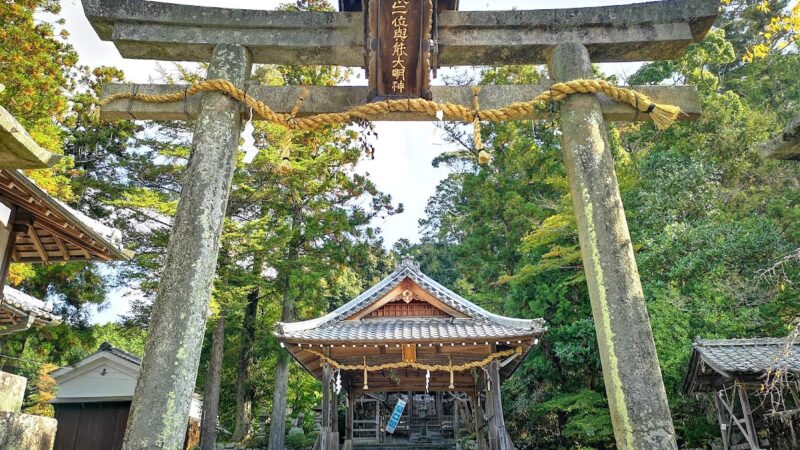
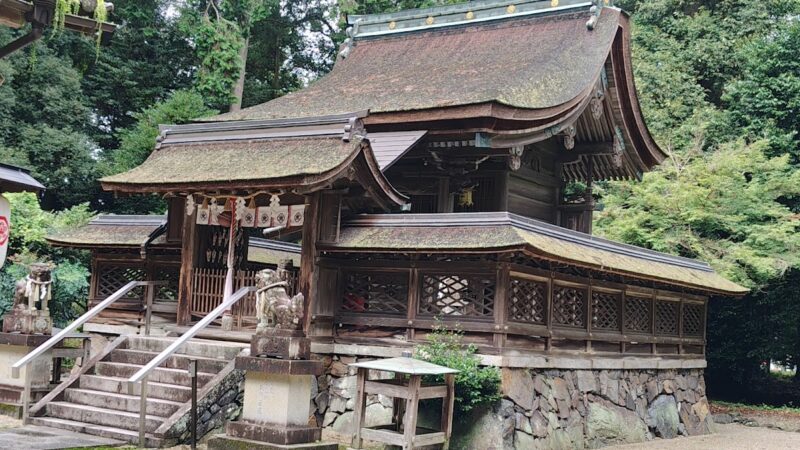
The main hall of Hōhōkaku Danrin-ji Temple was built during the temple’s reconstruction in the Showa era, but it follows the traditional style of Shingon Buddhist temples. Inside, the principal deity, Cundi Butsumo, is enshrined, and items related to Empress Danrin are also on display.
Within the main hall, visitors can quietly offer their prayers, and a tranquil space unfolds, far removed from the hustle and bustle of Kyoto city.
Exhibits Related to Empress Danrin
Within the temple, there are materials and explanatory panels about the life and legends of Empress Danrin. You can also obtain explanations of the Nine Stages of Decomposition paintings and information about Buddhist culture during the Heian period, making it a valuable place for historical learning.
Garden
The temple grounds feature a small but beautiful garden where you can enjoy nature throughout the seasons. The quiet beauty is particularly captivating during the cherry blossom season in spring and the autumn foliage season.
Points for Visiting
Etiquette for Visiting
Hōhōkaku Danrinji Temple is a Shingon Buddhist temple, so please follow the basic etiquette for visiting Buddhist temples.
- Bow at the main gate before entering the temple grounds.
- Cleanse your hands and mouth at the water basin.
- Join your hands in prayer in front of the main hall and offer your prayers quietly.
- Offer your donation quietly.
- Bow at the main gate when leaving.
Recommended Time to Visit
Hōhōkaku Danrinji Temple is open for visits throughout the year, but there are particularly recommended times.
- Spring (March-May): The temple grounds are vibrant with cherry blossoms, and the fresh greenery is also beautiful.
- Autumn (October-November): The autumn leaves are beautiful, and this coincides with the peak season for Kyoto sightseeing.
- Around the anniversary of Empress Danrin’s death: Special memorial services are sometimes held.
Estimated Time Required
The temple grounds are not very large, so 30 minutes is usually sufficient for a normal visit. However, if you want to learn more about the history of Empress Danrin and the legend of the Nine Stages of Decomposition, you should allow about an hour.
Nearby Tourist Attractions
Temple Tour in Ukyo Ward
Many famous temples are scattered throughout Ukyo Ward in Kyoto City, where Hobokaku Danrinji Temple is located.
- Ninna-ji Temple: The head temple of the Omuro branch of Shingon Buddhism, registered as a World Heritage Site.
- Ryoan-ji Temple: A World Heritage temple famous for its rock garden.
- Myoshin-ji Temple: The head temple of the Myoshin-ji branch of Rinzai Zen Buddhism.
- Koryu-ji Temple: An ancient temple known for its National Treasure, the Miroku Bosatsu Hanka Shii-zo (Maitreya Bodhisattva in a contemplative pose).
Arashiyama Area
Arashiyama, a representative tourist destination in Ukyo Ward, is relatively close to Hobokaku Danrin-ji Temple. It is home to many of Kyoto’s most iconic tourist spots, including Togetsukyo Bridge, the Bamboo Grove, and Tenryu-ji Temple.
Toei Uzumasa Eigamura (Toei Kyoto Studio Park)
Toei Uzumasa Eigamura, a popular theme park for period dramas, is also located in Ukyo Ward and can be visited in conjunction with a tour of historical temples.
Temples Deeply Connected to Women in Kyoto
Women and Buddhism
Several temples in Kyoto City, like Hobokaku Danrin-ji Temple, are deeply connected to women’s faith and history.
- Sennyu-ji Temple: Known as the imperial family’s ancestral temple, it enshrines the Yang Guifei Kannon.
- Ichihime Shrine: Worshipped as the guardian deity of women.
- Seigan-ji Temple: A temple associated with Izumi Shikibu.
Women’s Culture in the Heian Period
The Heian period, in which Empress Danrin lived, was also a time when women’s culture flourished. Many talented women, such as Murasaki Shikibu, Sei Shonagon, and Izumi Shikibu, were active, building the golden age of Japanese literature.
Visiting Hobokaku Danrin-ji Temple is an opportunity to experience the spiritual world of these Heian period women.
Impermanence and Modern Society
The Modern Significance of Empress Danrin’s Teachings
Empress Danrin’s teaching of “the impermanence of beauty” holds significant meaning in modern society. In today’s world, where outward appearance and material wealth are excessively emphasized through social media and other media, it reminds us of the importance of inner fulfillment and spirituality.
Buddhist Wisdom
The fundamental Buddhist concept of impermanence teaches us the importance of accepting change without fear and letting go of attachment. This is crucial wisdom for achieving inner peace in today’s stressful society.
Training and Activities at Hobokaku Danrinji Temple
Regular Buddhist Services
Hobokaku Danrinji Temple holds regular Buddhist services. These services, based on Shingon Buddhist traditions, include chanting and fire rituals, and are sometimes open to the public.
Cultural Activities
The temple sometimes hosts lectures and study groups on Buddhist culture and traditional Japanese culture. Opportunities to learn about the life of Empress Danrin and the meaning of the Nine Stages of Decomposition paintings are also offered.
Precautions When Visiting
Manners and Etiquette
- Maintain silence within the temple grounds and refrain from loud conversations.
- Photography is permitted only in designated areas.
- Photography inside the main hall is generally prohibited.
- Modest, understated attire is preferred.
- Smoking is strictly prohibited except in designated areas.
Visiting Hours and Admission Fees
It is recommended to check the latest visiting hours and admission fees before your visit. Depending on the size and operation of the temple, opening hours may be irregular.
The Position of Hobokaku Danrinji Temple in Kyoto Tourism
As a Hidden Gem
While Hobokaku Danrinji Temple is not as well-known as extremely famous tourist destinations like Kinkakuji Temple or Kiyomizu-dera Temple, its charm lies precisely in its quiet atmosphere, making it a “hidden gem” for worship.
It is especially recommended for those who want to avoid crowded tourist spots in Kyoto and slowly contemplate history.
A Spot for History Enthusiasts
For those interested in the history and Buddhist culture of the Heian period, Hōhōkaku Danrin-ji Temple, which tells the legend of Empress Danrin, is a valuable place of learning. Since it is often not featured in general tourist guidebooks, a visit will offer a special experience.
Summary: The Eternal Message of Hōhōkaku Danrin-ji Temple
Hōhōkaku Danrin-ji Temple is a precious temple that commemorates the virtues of Empress Danrin, a beautiful empress of the Heian period, and conveys her deep Buddhist faith and sense of impermanence. Located in the historic Ukyo Ward of Kyoto City, this temple is an independent Shingon Buddhist temple, enshrining Cundi, the mother of Buddha, as its principal deity.
The legend of the Nine Stages of Decomposition, illustrating the “impermanence of beauty” of Empress Danrin, conveys an important message to us living in the modern age, transcending more than a thousand years. It urges us to let go of attachment to outward appearance and material wealth, and to cherish inner fulfillment and spirituality. Everything is fleeting and impermanent; that’s precisely why we should cherish and live in the present moment.
When sightseeing in Kyoto, visiting not only famous tourist spots but also historically significant temples like this one will allow you to experience a deeper charm of Kyoto. Hōhōkaku Danrinji Temple is a special place that offers a precious opportunity to calm your mind in its tranquil grounds and contemplate the essence of life.
Empress Danrin’s courageous practice of the concept of impermanence remains a timeless and universal teaching that will deeply resonate with visitors in modern society. If you wish to experience the depth of history and faith in Kyoto, please visit Hōhōkaku Danrinji Temple.