Honenji Temple (Ukyo Ward, Kyoto Prefecture) Complete Guide | History, Goshuin (Temple Seal), and Access Information
Located in the Saga-Arashiyama area of Ukyo Ward, Kyoto City, Honenji Temple is known as a temple associated with Honen Shonin, the founder of the Jodo sect of Buddhism. As the 19th temple on the 25 sacred sites of Honen Shonin, it attracts many visitors and has a deep connection with the warrior Kumagai Jiro Naozane (Renshobo), preserving valuable temple treasures to this day.
This article comprehensively introduces everything you need to know before visiting Honenji Temple, from its history and highlights to information on goshuin (temple seals) and access methods.
Basic Information about Honenji Temple
Official Name: Gokurakuden Kumagai-san Honenji Temple
Sect: Jodo-shu (Pure Land Buddhism)
Principal Image: Statue created by Honen Shonin himself
Founder: Honen Shonin
Founder: Renshobo (Kumagai Jiro Naozane)
Pilgrimage Site: 19th of the 25 Sacred Sites of Honen Shonin (Image preserved by Kumagai Nyudo)
Address: 1-1, Saga Tenryuji Tateishi-cho, Ukyo-ku, Kyoto City, Kyoto Prefecture
Postal Code: 616-8375
Honenji Temple is located just before the JR Sagano Line railway crossing, north of the Togetsukyo Bridge in Saga Arashiyama, and stands in a quiet environment within the Arashiyama area, a popular tourist spot in Kyoto.
History of Honenji Temple
Founding and Renshobo (Kumagai Naozane)
Honenji Temple was founded in 1197 (Kenkyu 8). Its founder was Kumagai Jiro Naozane, a warrior who was active from the late Heian period to the early Kamakura period.
Kumagai Naozane was a fierce warrior known for killing Taira no Atsumori at the Battle of Ichinotani during the Genpei War. However, his experiences on the battlefield made him realize the impermanence of the world, and he became a monk under Honen Shonin, taking the name Renshobo. After becoming a monk, Naozane left his hometown of Kumagai in Musashi Province (present-day Kumagai City, Saitama Prefecture) and established a temple in Kyoto with his teacher, Honen Shonin, as its founding abbot, in order to pray for the souls of his parents. This was the beginning of Honenji Temple.
Origin of the Mountain Name “Gokurakuden Kumagai-san”
The mountain name of Honen-ji Temple, “Gokurakuden Kumagai-san,” combines the name of its founder, Kumagai Naozane (Renshobo), with the concept of rebirth in paradise, a teaching of the Jodo sect. The Jodo sect teaches that by believing in Amida Buddha’s original vow and chanting the Nembutsu, anyone can be reborn in the Pure Land. This mountain name embodies Renshobo’s wish to pass on the teachings of Nembutsu, which he received from Honen Shonin, to future generations.
Relocation and Reconstruction by Toyotomi Hideyoshi
A significant turning point in the history of Honen-ji Temple was the urban planning undertaken by Toyotomi Hideyoshi during the Azuchi-Momoyama period. Hideyoshi carried out large-scale renovations of Kyoto, relocating many temples. It is believed that Honen-ji Temple was also relocated to its current location in Saga Tenryuji Tateishi-cho at this time.
Even after its relocation, Honenji Temple has continued to attract fervent devotion from Jodo sect followers as a temple associated with Honen Shonin and as the family temple of Renshobo.
Honen Shonin’s Twenty-Five Sacred Sites, Temple No. 19
The Honen Shonin Twenty-Five Sacred Sites are pilgrimage sites that include temples where Honen Shonin’s direct relics, portraits (images/sculptures) created by him, or handwritten mantras still exist, or temples related to him after his death or to his disciples. Honenji Temple, as the 19th site, considers the “portrait preserved by Kumagai Nyudo” as a sacred site.
Through this pilgrimage, visitors are said to gain the joy of understanding the preciousness of the teachings of Nembutsu. Honen Shonin’s teachings have a simple yet universal message: salvation can be attained simply by chanting “Namu Amida Butsu,” regardless of social status or education.
The Principal Image and Temple Treasures of Honenji Temple
Statue Carved by Honen Shonin
The principal image of Honenji Temple is a statue carved by Honen Shonin himself when he was 53 years old. This statue, carved by Honen Shonin in his own image, is an extremely valuable artifact even among Jodo sect temples.
Interestingly, Honenji Temple, unusually for a Jodo sect temple, has a layout in which the image of Amida Buddha is not directly visible in the main hall. This indicates a unique form of worship at this temple, where Honen Shonin himself is enshrined as the principal image.
Honen Shonin’s Tooth and Relics
Honenji Temple possesses Honen Shonin’s tooth and relics. The tooth is a relic, and the relics are the remains after cremation. These have been carefully preserved as temple treasures, precious relics that commemorate the virtues of Honen Shonin.
The remains and personal belongings of high-ranking Buddhist monks are considered sacred objects symbolizing their virtues and are among the most important treasures in Buddhist temples. These temple treasures preserved at Honen-ji Temple are also evidence of the deep master-disciple relationship between Honen Shonin and Rensho-bo.
The Portrait Preserved by Kumagai Nyudo
The sacred site of Honen-ji Temple, the 19th temple on the 25 sacred sites of Honen Shonin, is the “Portrait Preserved by Kumagai Nyudo.” This refers to the portrait (portrait or sculpture) of Honen Shonin that was carefully preserved by Rensho-bo (Kumagai Naozane).
Rensho-bo was one of Honen Shonin’s most prominent disciples, receiving direct instruction from him and dedicating his life to spreading his master’s teachings. This portrait, an important cultural artifact demonstrating the bond between master and disciple, is still enshrined at Honen-ji Temple.
Highlights of Honenji Temple
Atmosphere of the Main Hall and Temple Grounds
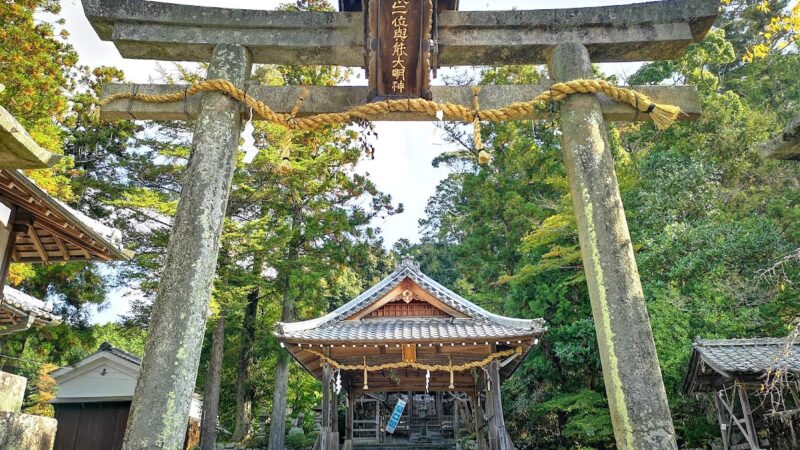
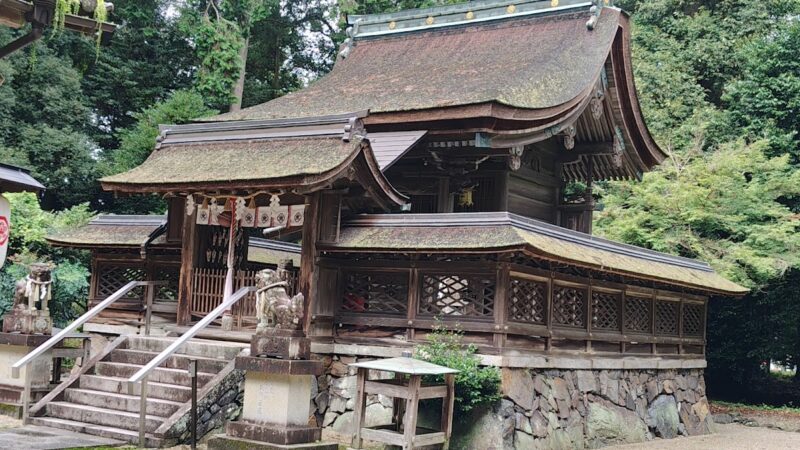
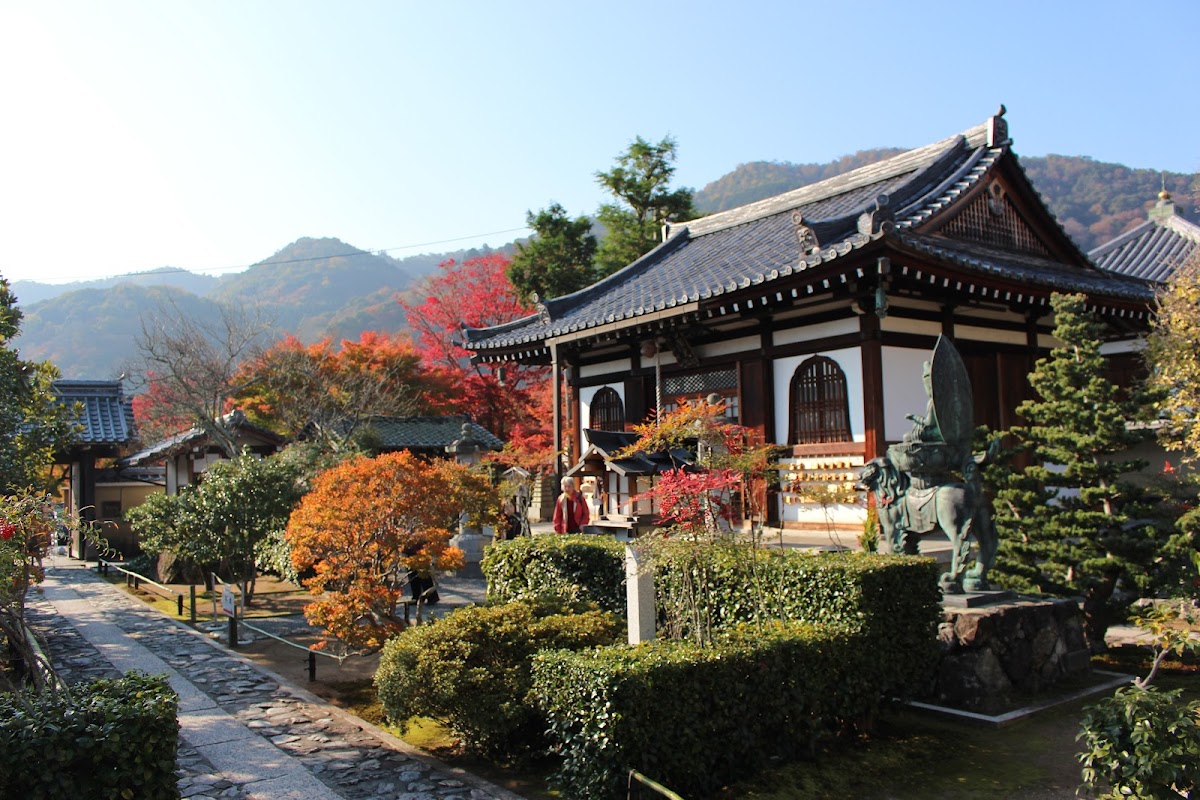
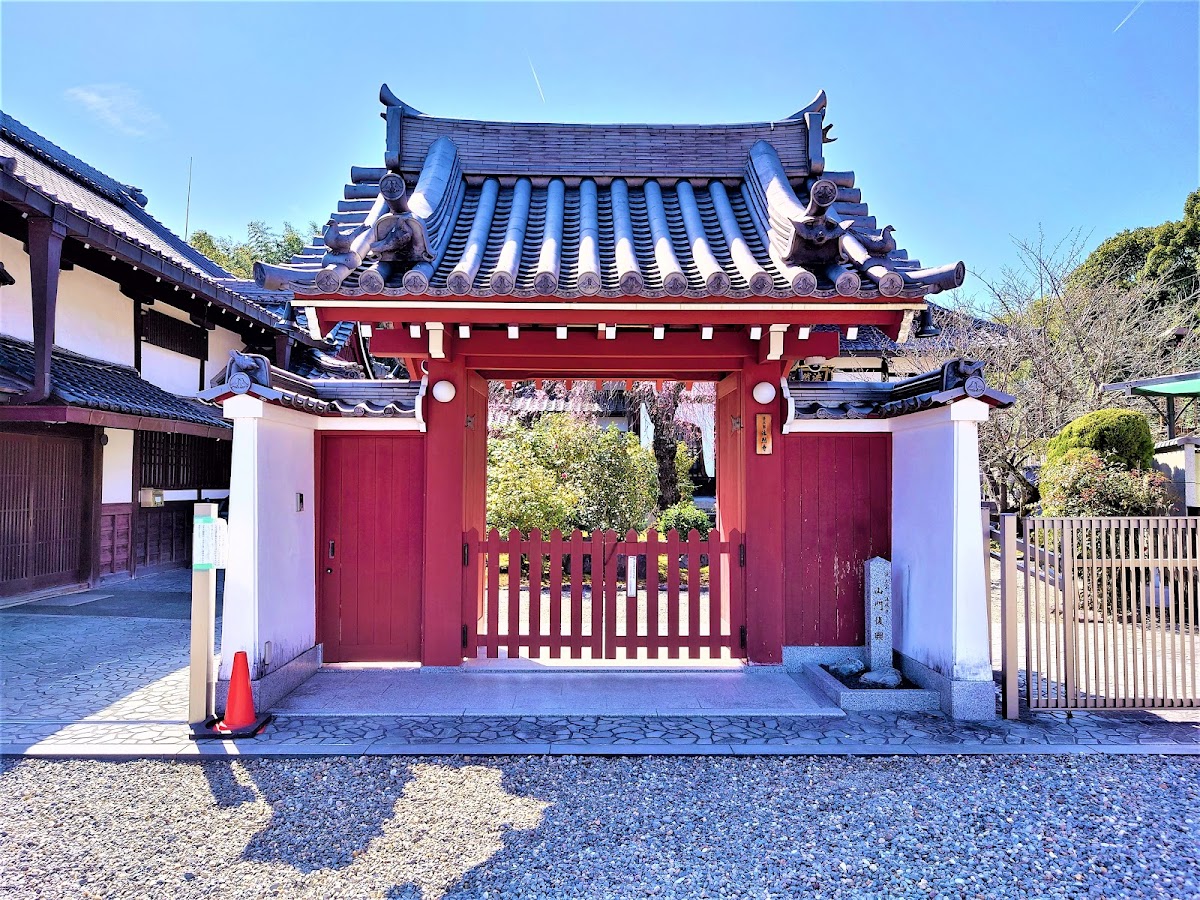
Honenji Temple’s grounds are situated in a tranquil environment surrounded by the nature of Saga Arashiyama. In contrast to the bustling area around Togetsukyo Bridge, it offers a peaceful atmosphere for worship.
The main hall, while simple, possesses a dignified presence, exuding the pure atmosphere characteristic of a Jodo sect temple. Within the grounds are historical sites associated with Renshobo, allowing visitors to feel the trajectory of a man’s life, from warrior to monk.
Burial Site and Ruins of Renshobo
Honenji Temple preserves the burial site and ruins related to its founder, Renshobo (Kumagai Naozane). The dramatic transformation of a warrior renowned for his bravery into a monk after encountering the teachings of Honen Shonin and embarking on the path of Nembutsu has touched the hearts of many.
After becoming a monk, Renshobo left his hometown in Musashi Province and continued his training in Kyoto, practicing the teachings of Honen Shonin. His life is still recounted today as an embodiment of the Jodo (Pure Land) sect’s teaching that anyone, regardless of their circumstances, can attain salvation through the Buddha.
Natural Environment of Saga-Arashiyama
The Saga-Arashiyama area, where Honenji Temple is located, is known for its beautiful natural scenery throughout the seasons. The surrounding environment, which displays different expressions with each season—cherry blossoms in spring, lush greenery in summer, autumn leaves, and snowscapes in winter—enriches the experience of visiting the temple.
While there are many famous Kyoto tourist attractions nearby, such as Tenryu-ji Temple and the Bamboo Grove, Honenji Temple possesses a different, tranquil charm. It is especially recommended for those who wish to escape the hustle and bustle and quietly contemplate the teachings of Nembutsu (recitation of Amida Buddha’s name).
Goshuin (Temple Seal) Information
Goshuin of Honenji Temple
Honenji Temple offers goshuin to visitors. As the 19th temple on the 25 sacred sites of Honen Shonin, the goshuin is a precious memento for those undertaking the pilgrimage.
The goshuin typically includes the temple name “Honenji” along with phrases such as “19th temple on the 25 sacred sites of Honen Shonin” and “Image of Kumagai Nyudo.” The powerful brushstrokes of the ink and the combination of the seal express the unique character of each temple.
Points to Note When Receiving a Goshuin (Temple Seal)
When receiving a Goshuin, please note the following:
- Receive the Goshuin after completing your prayers.
- Bring your Goshuincho (stamp book) (as proof of your faith, not for a stamp rally).
- Receiving times may vary depending on the temple’s circumstances, so prior confirmation is recommended.
- May not be possible if the head priest is absent.
- Prepare the Goshuin fee (generally around 300 yen).
Honenji Temple is a small temple, so it is recommended to call (075-881-5909) before visiting.
Guide to Pilgrimage to the Twenty-Five Sacred Sites of Honen Shonin
Significance of the Pilgrimage
The Twenty-Five Sacred Sites of Honen Shonin are a pilgrimage route to follow in the footsteps of Honen Shonin and to deeply learn the teachings of Nembutsu. Each sacred site contains relics, artifacts, and items associated with Honen Shonin, allowing you to experience his life and teachings through the pilgrimage.
The core of Honen Shonin’s teachings lies in “exclusive recitation of the Buddha’s name,” that is, the belief that anyone can attain rebirth in paradise by wholeheartedly chanting the name of Amida Buddha, “Namu Amida Butsu.” The innovative aspect of Honen Shonin’s teachings was that they showed a path to salvation open to all people, regardless of their level of learning or training.
Honen-ji Temple as the 19th Temple
Honen-ji Temple, as the 19th temple on the pilgrimage, is an important base for the pilgrimage. The sacred site of “Kumagai Nyudo’s Protective Portrait” demonstrates the deep bond between Honen Shonin and his direct disciple, Rensho-bo. Through the figure of the disciple who preserved and passed down his master’s teachings, one can learn about the transmission of the Nembutsu teachings.
Those undertaking the pilgrimage will be able to gain a deeper understanding of Honen Shonin’s teachings by receiving temple stamps at each temple and learning about the unique history and characteristics of each temple.
Connections to Other Sacred Sites
The 25 sacred sites of Honen Shonin are scattered throughout a wide area, not only within Kyoto City but also in Shiga and Osaka prefectures. When visiting the Saga-Arashiyama area, visiting other sacred sites in the vicinity along with Honen-ji Temple will provide a more fulfilling pilgrimage experience.
Access Information
Access by Train
Using the JR Sagano Line
- Get off at JR “Saga-Arashiyama Station,” approximately 10 minutes on foot.
- Head south along Nagatsuji Street from the station; it’s located before the railway crossing.
Using the Keifuku Electric Railway (Randen)
- Get off at Randen “Arashiyama Station,” approximately 6 minutes on foot.
- Head north along Nagatsuji Street from the direction of Togetsukyo Bridge.
Using the Hankyu Railway
- Get off at Hankyu “Arashiyama Station,” cross Togetsukyo Bridge, and approximately 15 minutes on foot.
Access by Bus
If using Kyoto City Buses or Kyoto Buses, the nearest bus stop is “Arashiyama Tenryuji-mae.” It’s approximately a 7-minute walk from the bus stop.
During peak tourist seasons (especially cherry blossom and autumn foliage seasons), the Arashiyama area becomes extremely crowded, so we strongly recommend using public transportation.
Access by Car and Parking
Honenji Temple does not have its own parking lot, so visitors arriving by car will need to use nearby paid parking. However, the Arashiyama area has narrow roads and heavy traffic during peak tourist season, so we recommend using public transportation whenever possible.
Nearby Tourist Attractions
Nearby Honenji Temple are several of Kyoto’s most famous tourist attractions:
- Tenryuji Temple: A renowned Rinzai Zen temple registered as a World Heritage Site (5-minute walk)
- Bamboo Grove Path: A representative landscape of Sagano (7-minute walk)
- Togetsukyo Bridge: A symbol of Arashiyama (10-minute walk)
- Jojakkoji Temple: A temple known for its beautiful autumn foliage (15-minute walk)
- Nonomiya Shrine: A shrine famous for matchmaking (10-minute walk)
Visiting Honenji Temple in conjunction with these attractions will allow you to fully enjoy the diverse charms of the Saga-Arashiyama area.
Important Notes for Visitors
Visiting Hours and Admission Fee
Honenji Temple is a small temple, so visiting hours may be limited. Also, normally, only the temple grounds are accessible, and viewing the interior of the main hall is generally not permitted except on special occasions.
We recommend calling ahead to confirm:
- Phone Number: 075-881-5909
- Admission Fee: Usually free (may be set separately for special viewings)
Manners for Visiting a Temple
When visiting a temple, please observe the following basic manners:
- Be Quiet: Act quietly within the temple grounds and be considerate of other visitors.
- Photography: Photography may be prohibited inside the main hall or of Buddha statues, so please check beforehand.
- Attire: Avoid revealing clothing and wear appropriate attire for a temple.
- Pray and Bow: At the front of the main hall, put your hands together in prayer, bow, and pray with sincerity.
- Offering: If there is an offering box, offer a donation with gratitude.
Seasonal Highlights
Honenji Temple can be visited throughout the four seasons, but each season has its own unique charm:
- Spring (March-May): Cherry blossom season. The entire Saga-Arashiyama area is dyed pink with cherry blossoms, and the area around Honenji Temple is also beautiful.
- Summer (June-August): The fresh greenery is beautiful, and it’s a time when there are relatively few tourists, allowing for a peaceful visit.
- Autumn (September-November): As part of Arashiyama, a famous spot for autumn leaves, the surrounding autumn foliage is magnificent.
- Winter (December-February): Sagano in a snowy landscape has a special charm, allowing for a peaceful visit in tranquility.
Honenji Temple and the Teachings of the Jodo Sect
The Life and Teachings of Honen Shonin
Honen Shonin (1133-1212) was a Buddhist monk who was active from the late Heian period to the early Kamakura period, and is the founder of the Jodo sect. Having lost his father in his childhood, Honen studied Tendai Buddhism at Mount Hiei. At the age of 43, he had an epiphany about the teachings of “exclusive recitation of the Buddha’s name” and founded his own sect.
The core of Honen’s teachings is that by believing in Amida Buddha’s original vow and chanting “Namu Amida Butsu,” anyone can attain rebirth in paradise. While Buddhism at the time emphasized academic study and rigorous asceticism, Honen’s teachings showed a path to salvation open to all.
Renshobo (Kumagai Naozane) and the Path of Recitation
Kumagai Jiro Naozane was a warrior who distinguished himself in the Genpei War. However, the death of the young Taira no Atsumori at the Battle of Ichinotani left a deep scar on his heart, making him acutely aware of the impermanence of the world. Having encountered Honen’s teachings, Naozane decided to become a monk, taking the name Renshobo and walking the path of recitation.
The dramatic transformation from samurai to Buddhist monk embodies the universality of Honen Shonin’s teachings, which offer salvation to all, regardless of social status or past. Renshobo, a leading disciple of Honen Shonin, dedicated himself to spreading the teachings of Nembutsu, and his contributions are commemorated in the founding of Honen-ji Temple.
The Significance of Nembutsu in Modern Times
Even more than 800 years later, Honen Shonin’s teachings of exclusive Nembutsu practice continue to bring peace of mind to many people. In today’s complex society, the practice of calming the mind by chanting the simple words “Namu Amida Butsu” and surrendering to the Buddha’s compassion transcends religious significance and is deeply meaningful for modern people seeking spiritual peace.
Visiting Honen-ji Temple is not merely sightseeing; it will be an opportunity to reflect on the path of Nembutsu walked by Honen Shonin and Renshobo, and to confront one’s own heart.
Summary
Located in Saga-Arashiyama, Ukyo-ku, Kyoto City, Honenji Temple is a historic temple built through the deep bond between Honen Shonin, the founder of the Jodo sect, and his senior disciple, Renshobo (Kumagai Jiro Naozane). As the 19th temple on the 25 sacred sites of Honen Shonin, it preserves the precious sacred artifact of “Kumagai Nyudo’s Protective Portrait” and enshrines a statue created by Honen Shonin himself as its principal image.
Despite being located in the bustling Arashiyama area, Honenji Temple offers a tranquil environment where one can experience the teachings of Nembutsu, making it a special place for visitors seeking inner peace. When visiting Saga-Arashiyama, along with famous tourist spots such as Tenryuji Temple and the Bamboo Grove, we highly recommend visiting Honenji Temple and reflecting on the path walked by Honen Shonin and Renshobo.
Surrounded by the beautiful nature of each season, you can find peace of mind by quietly chanting “Namu Amida Butsu” in the temple grounds, away from the hustle and bustle of everyday life.