Yakushiji Temple (Ukyo Ward, Kyoto Prefecture) Complete Guide | History, Access, Highlights, and Cemetery Information
While there are several Yakushiji temples in Ukyo Ward, Kyoto City, this article provides detailed information on two particularly noteworthy temples. One is a sub-temple of Seiryoji Temple located in Saga Shakado, and the other is a Rinzai Zen temple of the Nanzenji school located in Keihoku Hosono-cho. This article comprehensively explains the history, characteristics, access methods, and cemetery information for each temple.
Table of Contents
This article provides detailed explanations of the following topics:
- Overview and History of Yakushiji Temple (Saga Shakado)
- Overview of Yakushiji Temple (Keihoku Hosono-cho)
- About the Principal Image and Temple Treasures
- Annual Events and Special Public Openings
- Access and Surrounding Facilities
- Cemetery and Burial Ground Information
- Precautions for Visiting
Basic Information on Yakushiji Temple (Saga Shakado)
Location and Contact Information
Address: 46 Fujinoki-cho, Saga Shakado, Ukyo-ku, Kyoto City, Kyoto Prefecture 616-8447
Phone Number: 075-861-2868 Sect: Jodo-shu (Sub-temple of Seiryoji Temple)
Yakushiji Temple, located within the grounds of Saga Shakado, is a sub-temple of Seiryoji Temple, a renowned temple representing the Arashiyama-Sagano area of Kyoto. Seiryoji Temple, affectionately known as “Saga Shakado,” is an ancient temple whose principal image is a national treasure, a standing statue of Shakyamuni Buddha. Yakushiji Temple, nestled within its grounds, is also known as a temple with a deep history and profound faith.
Historical Background
While there are no clear records of Yakushiji Temple’s founding, it is believed to have existed since ancient times as a sub-temple of Seiryoji Temple. Seiryoji Temple itself was originally the villa “Seikakan” of Minamoto no Toru, a son of Emperor Saga, and is a historically significant temple dating back to the Heian period.
Yakushiji Temple, as part of Seiryoji Temple, has supported the Buddhist culture of Sagano throughout its long history. In particular, it has a history of attracting the faith of local people as a center of Yakushi Nyorai (Medicine Buddha) worship.
About the Principal Image, “Heart Sutra Secret Key Yakushi Nyorai Statue”
A Buddhist Statue Said to be the Work of Kobo Daishi Kukai
The most distinctive feature of Yakushiji Temple is its principal image, the “Heart Sutra Secret Key Yakushi Nyorai Statue.” This statue is said to have been carved by Kobo Daishi Kukai at the command of Emperor Saga.
It is said that Kukai carved this Yakushi Nyorai statue at Jingoji Temple using the extremely meticulous method of “one stroke, three bows” (bowing three times after each stroke). This method of creation represents the highest level of respect in Buddhist statue making and speaks to the depth of prayer embodied in the statue.
Connection to “Shingyo Hiken”
“Shingyo Hiken” is a work by Kukai that explains the true meaning of the Heart Sutra. The fact that this Yakushi Nyorai statue is called the “Shingyo Hiken Yakushi Nyorai Statue” indicates that it is a Buddha statue deeply connected to Kukai’s understanding of the Heart Sutra. It can be said that this principal image possesses extremely profound religious significance, as it embodies the compassion of Yakushi Nyorai and the wisdom of Prajna.
Annual Events and Special Public Openings
Annual Special Opening
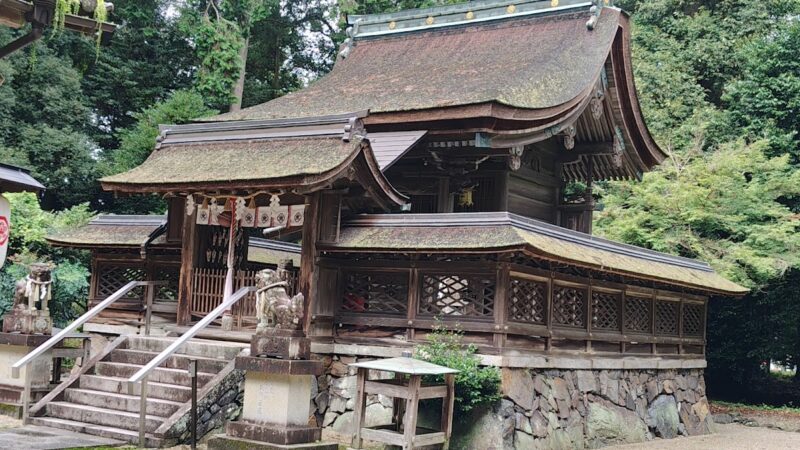
Yakushiji Temple is usually closed to the public, but every year on August 24th, the main hall is open to the public.
Opening Date and Time: Every year on August 24th, 10:00 AM – 3:00 PM
Admission Fee: Free
Contents of Opening: Viewing of the interior of the main hall and the principal image, the “Shingyo Hiken Yakushi Nyorai Statue”
This day is a rare opportunity to see the principal image, which is usually not open to the public, up close. Many visitors come to see the Yakushi Nyorai statue, said to have been created by Kobo Daishi Kukai, directly.
Highlights of the Special Opening
The special opening offers the following highlights:
- Direct Viewing of the Main Image: You can see the “Heart Sutra Secret Key Yakushi Nyorai Statue,” which is usually not open to the public, up close.
- The Splendor of the Main Hall Interior: You can experience the atmosphere inside the main hall, which is normally inaccessible.
- Exhibition of Temple Treasures: In some years, temple treasures are specially exhibited.
- Dharma Talk by a Monk: Depending on the time, you can hear explanations about the temple’s history and the main image.
Highlights of the Temple Grounds
Even outside of special opening days, you can stroll around the temple grounds:
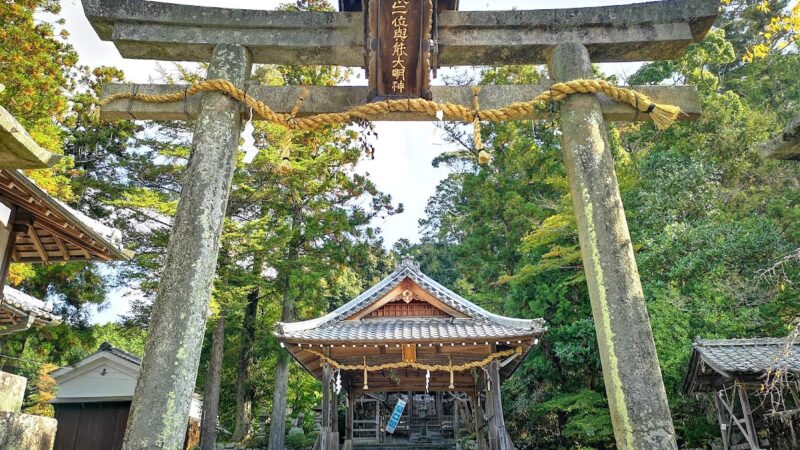
Three Jizo Statues: As you pass through the temple gate, three Jizo Bodhisattva statues will greet you. These Jizo Bodhisattvas are worshipped as beings who save sentient beings from the suffering of the Six Realms (Hell, Hungry Ghosts, Animals, Asuras, Humans, and Heaven).
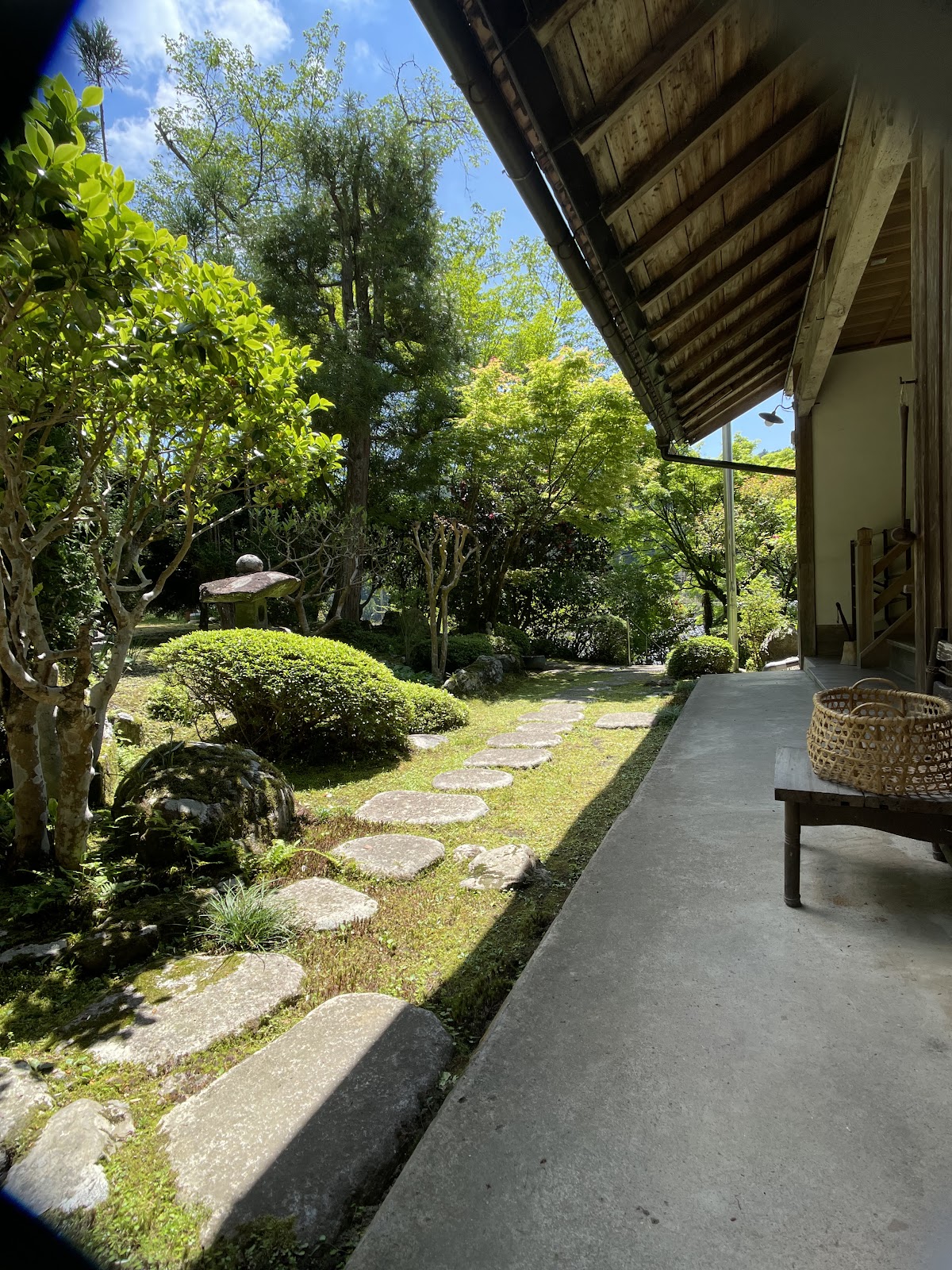
Tranquil Grounds: Although located within the grounds of Seiryoji Temple, Yakushiji Temple is enveloped in a quiet and peaceful atmosphere. It is an ideal place to escape the hustle and bustle and calm your mind when strolling through Arashiyama and Sagano.
Basic Information on Yakushiji Temple (Keihoku Hosono-cho)
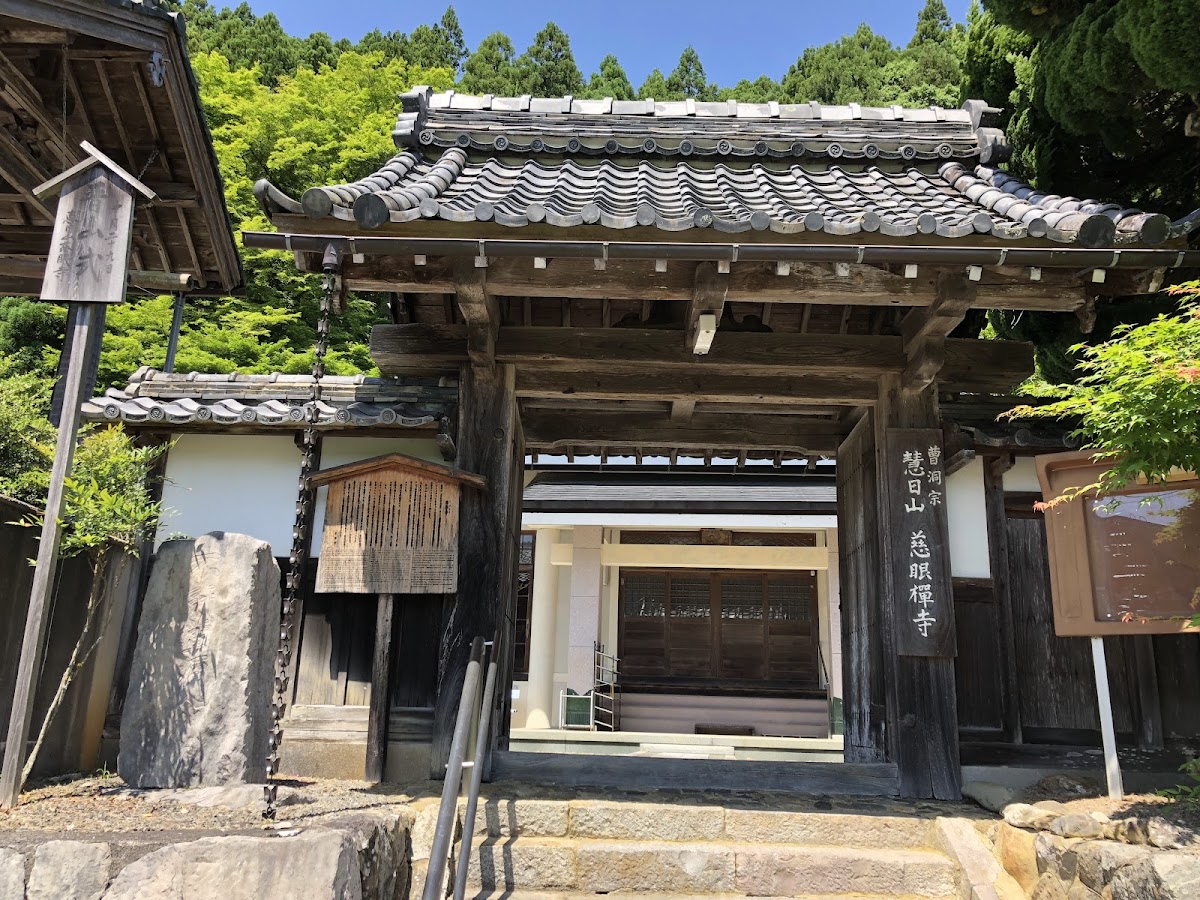
There is another Yakushiji Temple located in Keihoku Hosono-cho, Ukyo-ku, Kyoto City.
Address: 33 Kaminomachi, Keihoku Hosono-cho, Ukyo-ku, Kyoto City, Kyoto Prefecture 601-0265
Sect: Rinzai Zen Nanzenji School
Facilities: Cemetery available
This Yakushiji Temple is located in the Keihoku area, northwest of central Kyoto City, and belongs to the Rinzai Zen Nanzenji School. This temple is separate from the Yakushi-ji Temple in Saga Shakado and primarily functions as a local family temple.
About the Keihoku Region
The Keihoku region is the area of the former Keihoku Town, which was incorporated into Kyoto City in 2005. It is a mountainous area surrounded by abundant nature. Many temples have been scattered throughout this region since ancient times, serving as centers of faith for the local residents.
Yakushi-ji Temple in Keihoku Hosono-cho is one such temple that conveys the history and culture of this region to the present day.
Transportation Access
Access to Yakushiji Temple (Saga Shakado)
Access by Train
Using the JR Sagano Line
- Get off at JR “Saga-Arashiyama Station,” approximately 13 minutes on foot (approx. 1.0 km)
- Head northwest from the station towards Seiryoji Temple
Using the Randen (Keifuku Electric Railway)
- Get off at Randen Arashiyama Main Line “Arashiyama Station,” approximately 12 minutes on foot (approx. 998 m)
- Head north from the station towards Seiryoji Temple without crossing Togetsukyo Bridge
Using the Sagano Scenic Railway (Torokko Train)
- Get off at “Torokko Arashiyama Station,” approximately 12 minutes on foot
- Get off at “Torokko Saga Station,” approximately 15 minutes on foot
Access by Bus
Using Kyoto City Bus/Kyoto Bus
- Get off at the “Saga Shakado-mae” bus stop and walk for about 5 minutes.
- From Kyoto Station: Take City Bus Route 28 bound for Arashiyama/Daikaku-ji Temple.
- From Shijo Karasuma: Take City Bus Route 91.
Access by Car
- Approximately 40 minutes from the Meishin Expressway “Kyoto Minami IC”
- Approximately 30 minutes from the Kyoto Jukan Expressway “Kutsukake IC”
Parking: You can use the visitor parking lot at Seiryoji Temple (fee applies).
Access to Yakushiji Temple (Keihoku Hosono-cho)
Access by Car
Public transportation is limited in the Keihoku area, so access by car is convenient.
- Head north from central Kyoto City on National Route 162 (Shuzan Kaido)
- Travel time: Approximately 1 hour from central Kyoto City
Access by Bus
Using JR Bus (Takao/Keihoku Line)
- Take the bus bound for “Shuzan” from Kyoto Station
- Get off at the “Hosono” bus stop and walk for a few minutes
- Travel time: Approximately 1 hour 30 minutes to 2 hours
Cemetery/Burial Park Information
Yakushiji Cemetery (Saga Shakado)
Yakushiji Temple in Saga Shakado has a cemetery attached, which is open to the public.
Cemetery Features
- Religious Affiliation: Primarily Jodo-shu (Pure Land Buddhism), but consultations may be possible for those of other denominations.
- Location: Adjacent to the grounds of Seiryoji Temple, in the quiet environment of Sagano.
- Access: Relatively close to central Kyoto City, with convenient transportation.
- Surrounding Environment: Close to tourist attractions in the Arashiyama and Sagano areas, making it possible to combine grave visits with sightseeing.
About Cemetery Use
Those wishing to use a cemetery plot should note the following:
- Prior Consultation Required: Please be sure to inquire with the temple in advance regarding the availability and conditions of cemetery plots.
- Parishioner System: Becoming a parishioner may be required to use a cemetery plot.
- Fees: Cemetery usage fees, annual maintenance fees, and gravestone costs are required (please inquire directly for details).
- Perpetual Memorial Service: Consultation regarding the availability of perpetual memorial graves is also possible.
Yakushiji Cemetery (Keihoku Hosono-cho)
Yakushiji Temple in Keihoku Hosono-cho also has a cemetery.
Cemetery Characteristics
- Sect/Affidavit: Rinzai Zen Buddhism, Nanzenji School
- Location: Naturally rich environment in Keihoku
- Access: Primarily accessible by car
- Regional Characteristics: Functions mainly as a family temple for local residents
Inquiries Regarding Use
For information regarding the use of the cemetery, please contact the temple directly or obtain information through cemetery information websites (such as Moshimo.net, Ii Ohaka, etc.).
Nearby Tourist Attractions
Seiryoji Temple (Saga Shakado)
Seiryoji Temple, the head temple of Yakushiji Temple, is a renowned temple whose principal image is a national treasure: a standing statue of Shakyamuni Buddha.
- National Treasure Standing Statue of Shakyamuni Buddha: Famous as a “Shakyamuni statue transmitted from three countries”—India, China, and Japan.
- Reihokan (Treasure Hall): Houses and displays numerous cultural artifacts.
- Garden: The temple grounds offer beautiful scenery throughout the seasons.
Arashiyama/Sagano Area
Within walking distance of Yakushiji Temple are many of Kyoto’s most representative tourist spots:
Togetsukyo Bridge: Approximately 15 minutes on foot. A graceful bridge, a symbol of Arashiyama. It spans the Katsura River, offering beautiful scenery throughout the seasons.
Bamboo Grove Path: Approximately 10 minutes on foot. A representative bamboo grove path of Sagano. Its fantastical atmosphere is popular.
Tenryuji Temple: Approximately 15 minutes on foot. A famous Rinzai Zen temple registered as a World Heritage Site. It is known for its beautiful garden.
Daikaku-ji Temple: Approximately 20 minutes on foot. A monzeki temple (a temple formerly headed by a member of the imperial family) that was converted from Emperor Saga’s detached palace. It boasts beautiful scenery overlooking Osawa Pond.
Nison-in Temple: Approximately 8 minutes on foot. A Tendai sect temple known for its beautiful autumn foliage.
Notes and Manners for Visiting a Temple
Clothing and Belongings
- Clothing: There are no specific rules, but calm and appropriate attire for visiting a temple is desirable.
- Shoes: Since some parts of the temple grounds are unpaved, comfortable walking shoes are recommended.
- Belongings: Goshuincho (stamp book) (if you wish to receive a Goshuin stamp), camera (in areas where photography is permitted)
Regarding Photography
- Photography is generally permitted within the temple grounds, but there may be restrictions on photographing the interior of the main hall or the principal image during special public viewings.
- Please be considerate of other visitors when taking photographs.
- Please check in advance before using a tripod.
Manners for Visiting a Temple
- Bow at the Temple Gate: Bow before entering the temple grounds.
- Be Quiet: Be quiet within the temple grounds and avoid disturbing other visitors.
- No Entry Outside Designated Areas: Do not enter private property or restricted areas.
- Take Your Trash Home: Always take your trash home with you.
About Goshuin (Temple Seals)
You can receive a Goshuin at Yakushiji Temple.
Goshuin Reception
- Reception Hours: Primarily available on the special opening day, August 24th
- Offering Fee: Usually around 300-500 yen
- Original Goshuin Notebook: Special design Goshuin notebooks may be available
Precautions When Receiving a Goshuin
- A Goshuin is proof of your visit, so please be sure to pray before receiving it.
- If you forget your Goshuin notebook, you may be able to receive a pre-written Goshuin.
- During busy times, it may take some time, so please visit with plenty of time to spare.
History and Culture of the Sagano Area
Heian Period Aristocratic Villa Area
Sagano flourished as a villa area for aristocrats from the Heian period. Imperial family members, including Emperor Saga, and aristocrats built detached palaces and villas in this area and enjoyed an elegant lifestyle.
Seiryoji Temple, where Yakushiji Temple is located, also originated from Minamoto no Tōru’s villa, “Seikakan,” illustrating the historical importance of this region.
Center of Buddhist Culture
Since the Heian period, many temples have been built in Sagano, making it one of the centers of Buddhist culture. Many famous temples, such as Seiryoji, Daikakuji, and Tenryuji, remain today, supporting Kyoto’s religious culture.
Yakushiji Temple also plays a part in this, attracting the faith of local people as a center of Yakushi Nyorai worship.
About Yakushi Nyorai Worship
What is Yakushi Nyorai?
Yakushi Nyorai (Yakushi Rurikō Nyorai) is a Buddha considered to be the principal deity of the Eastern Pure Land of Lapis Lazuli.
Main Features:
- Buddha of Healing: Believed to possess the power to heal all illnesses.
- Twelve Great Vows: Made twelve vows to relieve the suffering of all sentient beings.
- Worldly Benefits: Worshipped as a Buddha that brings not only salvation in the afterlife but also benefits in this life.
History of Yakushi Faith
Yakushi faith spread in Japan from the Nara period to the Heian period. It particularly attracted the faith of people praying for healing from illness and longevity, and many Yakushi halls were built.
Kukai (Kobo Daishi) also had a deep faith in Yakushi Nyorai, leaving behind statues of Yakushi Nyorai in various places. The principal image of Yakushi-ji Temple is said to be one of them, a valuable example that conveys Kukai’s faith in Yakushi Nyorai to the present day.
Seasonal Highlights
Spring (March-May)
- Cherry Blossoms: The area around Seiryoji Temple is a famous spot for cherry blossoms. You can enjoy beautiful cherry blossoms from the grounds of Yakushiji Temple.
- Fresh Greenery: A beautiful season for viewing the fresh greenery of the bamboo groves and mountains of Sagano.
- Climate: The weather is ideal for visiting temples, attracting many tourists.
Summer (June-August)
- Green Maple Leaves: The beauty of the trees as they change from fresh green to deep green.
- Special Opening on August 24th: A once-a-year opportunity to view the main image of Buddha.
- Saga Festival: A traditional event held around Seiryoji Temple.
Autumn (September-November)
- Autumn Leaves: The Sagano area is one of Kyoto’s premier spots for viewing autumn leaves.
- Autumn Leaves at Seiryoji Temple: The autumn leaves on the temple grounds are magnificent and can be enjoyed from Yakushiji Temple.
- Tourist Season: The time when the most tourists visit.
Winter (December-February)
- Snowy Scenery: When it snows, you can experience the magical winter scenery of Sagano.
- Tranquility: A season with fewer tourists, allowing for peaceful worship.
- New Year’s Eve and New Year’s Day: Seiryoji Temple becomes lively with the ringing of the temple bell on New Year’s Eve and the first shrine visit of the year.
Nearby Accommodations
There are various types of accommodations around Yakushiji Temple.
Ryokans and Hotels in the Arashiyama and Sagano Area
- Luxury Ryokans: Around the Togetsukyo Bridge in Arashiyama, there are many luxury ryokans offering scenic views along the Katsura River.
- Business Hotels: Affordable hotels are also available near JR Saga-Arashiyama Station.
- Guesthouses: The Sagano area is seeing an increase in guesthouses popular with foreign tourists.
Accommodation Tips
- Book Early: Especially during the autumn foliage season (November), accommodations fill up quickly.
- Prioritize Access: Accommodations near JR Saga-Arashiyama Station or Randen Arashiyama Station are convenient.
- Morning Visits: Staying overnight allows you to visit Yakushiji Temple and Seiryoji Temple in the early morning when there are fewer tourists.
Frequently Asked Questions
Is there an entrance fee?
Entrance is free on the special opening day, August 24th. However, a separate entrance fee is required to visit the main hall and the Reihokan (Treasure Hall) of Seiryoji Temple. ### Can I get a Goshuin (temple stamp) anytime?
Goshuin are mainly available on special opening days (August 24th). For other days, it may be possible to obtain one at the Seiryoji Temple office, so please inquire in advance.
Is there parking?
You can use the Seiryoji Temple visitor parking lot (paid). However, it gets crowded during tourist season, so we recommend using public transportation.
Is it possible to visit in a wheelchair?
There are steps in some parts of the temple grounds, but it is possible to visit with assistance. Please inquire with the temple in advance for details.
Is photography allowed?
Photography is generally permitted within the temple grounds, but there may be restrictions on photography inside the main hall or of the principal image. Please check with the staff before taking photos.
Summary
Yakushiji Temple in Ukyo-ku, Kyoto City, is a temple with deep history and faith, whose principal image is the “Heart Sutra Secret Key Yakushi Nyorai Statue,” associated with Kobo Daishi Kukai. While normally closed to the public, Yakushiji Temple holds a special opening on August 24th each year, offering a rare opportunity to view its precious principal image.
Nestled in the tranquil environment of Sagano, as a sub-temple of Seiryoji Temple, Yakushiji Temple is an ideal place to escape the hustle and bustle and find peace of mind. When sightseeing in Arashiyama and Sagano, be sure to visit.
The temple also has a cemetery; those wishing to be laid to rest in this historic temple are advised to consult in advance.
Yakushiji Temple offers a glimpse into Kyoto’s profound Buddhist culture and the legacy of Kukai. Why not visit on its annual special opening day?