Jifuku-ji Temple (Kamigyo-ku, Kyoto Prefecture) Complete Guide | History, Access, and Highlights Explained in Detail
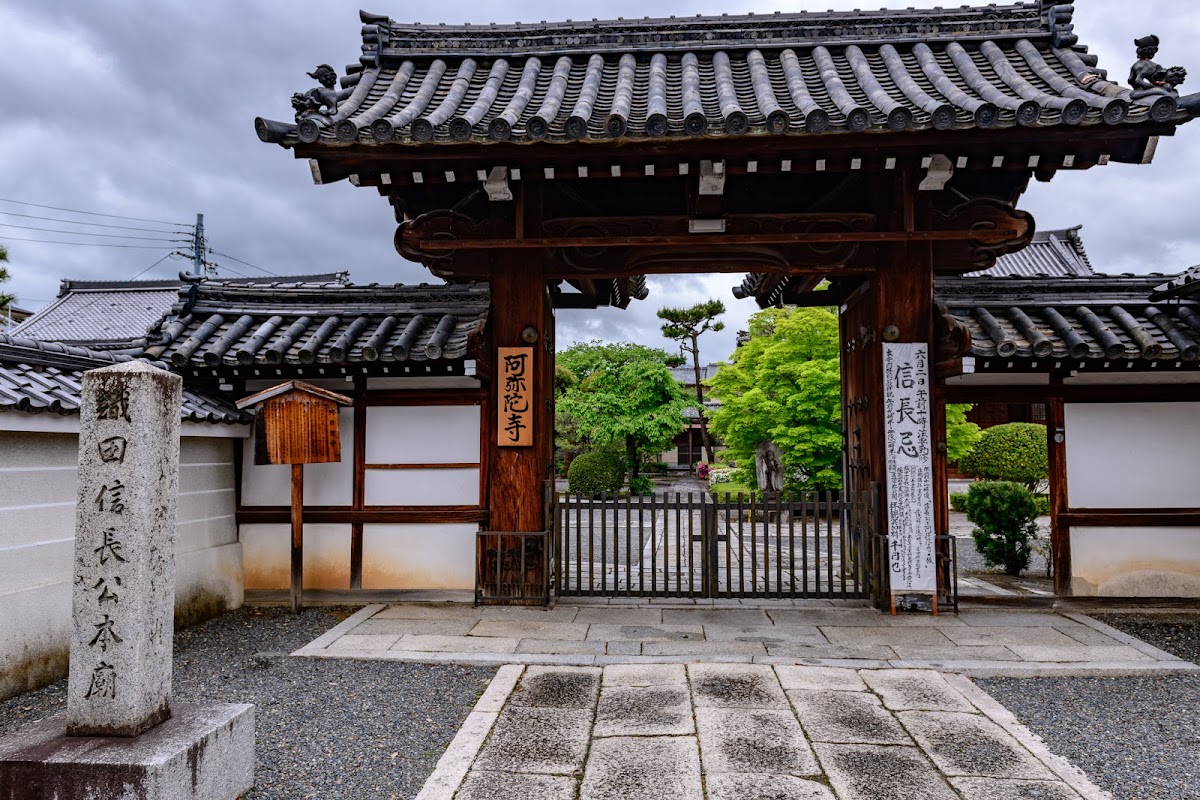
Located in Tsuruyama-cho, Teramachi-dori, Imadegawa-agaru, Kamigyo-ku, Kyoto City, Jifuku-ji Temple is a historic temple belonging to the Jodo sect. Near the Kyoto Imperial Palace and Doshisha University, this temple stands quietly in the heart of Kyoto. This guide provides a detailed explanation of its historical background, access methods, and information on surrounding temples.
Basic Information on Jifuku-ji Temple
Jifuku-ji Temple is a Jodo sect temple located at 6-3 Tsuruyama-cho, 5-chome, Teramachi-dori, Imadegawa-agaru, Kamigyo-ku, Kyoto City, Kyoto Prefecture. Kamigyo-ku is home to the Kyoto Imperial Palace and the Kyoto Gyoen National Garden, and is dotted with many temples and shrines, including Kitano Tenmangu Shrine, and has long played a central role in Kyoto.
Location and Sect
- Official Name: Jifuku-ji Temple
- Sect: Jodo-shu (Pure Land Buddhism)
- Location: 6-3 Tsuruyama-cho, 5-chome, Teramachi-dori Imadegawa-agaru, Kamigyo-ku, Kyoto City, Kyoto Prefecture
- Area: Teramachi-dori area, Kamigyo-ku
Jifuku-ji Temple belongs to the Jodo-shu sect, a Japanese Buddhist sect founded by Honen Shonin (Genku). It teaches that by chanting “Namu Amida Butsu,” everyone can equally attain rebirth in the Pure Land. Kyoto has many Jodo-shu temples, including Seijokain, the head temple of the Jodo-shu sect.
How to Access Jifuku-ji Temple
Jifuku-ji Temple is located in the heart of Kyoto City and is accessible by multiple means of transportation. It is within walking distance of the nearest station, making it easily accessible for sightseeing and worship.
Access by Train
Kyoto Municipal Subway Karasuma Line
- Get off at “Kuramaguchi Station”: Approximately 10 minutes on foot
- Get off at “Imadegawa Station”: Approximately 12 minutes on foot
Eizan Electric Railway Eizan Main Line
- Get off at “Demachiyanagi Station”: Approximately 15 minutes on foot
Access by Bus
If using Kyoto City Buses, the nearest bus stops are “Kawaramachi Imadegawa” or “Demachiyanagi Station.” You can reach your destination by heading north or south along Teramachi Street from the bus stop.
Walking Access Points
Teramachi Street is one of Kyoto’s main north-south streets, named for the many temples that line it. Heading north from the intersection with Imadegawa Street, you will arrive at the Tsuruyama-cho area where Jifuku-ji Temple is located. Doshisha University’s Imadegawa Campus is also nearby, making it a busy area with many students.
History and Origins of Jifuku-ji Temple
While there are limited records regarding the detailed founding date and founder of Jifuku-ji Temple, its location along Teramachi Street suggests a possible connection to Toyotomi Hideyoshi’s urban redevelopment plan for Kyoto.
Formation of Teramachi Street and the Concentration of Temples
The name Teramachi Street originates from Toyotomi Hideyoshi’s urban redevelopment of Kyoto during the Tensho era (1573-1592), when he gathered temples that were scattered throughout the city. Hideyoshi relocated many temples to the area around present-day Teramachi Street for the defense and urban development of Kyoto. This policy resulted in Teramachi Street being lined with temples of various sects, including Jodo, Shingon, and Nichiren Buddhism.
It is possible that Jifuku-ji Temple was also relocated to its current location or founded during this period. Kamigyo Ward, located in the heart of Heian-kyo, was an area with many residences of court nobles and samurai, and therefore many temples were founded as family temples for influential figures.
Role as a Jodo Sect Temple
The Jodo sect was founded by Honen Shonin at the end of the Heian period and, from the Kamakura period onward, was accepted by a wide range of social classes, from samurai to commoners. Kyoto has numerous temples associated with Honen Shonin, and many of the Jodo sect’s head temples and grand head temples are concentrated there.
Jifuku-ji Temple, as a local parishioner temple, has contributed to the community through religious activities such as funerals, memorial services, and ancestral worship. Many Jodo sect temples are located in Kamigyo Ward, Kyoto City, and they cooperate with each other to transmit the teachings of the Jodo sect to the present day.
Temple Culture in Kamigyo Ward and Jifuku-ji Temple
Kamigyo Ward, Kyoto City, is a central ward of Kyoto, with an area of 7.03 square kilometers and a population of approximately 83,000 (as of November 2022). This area is home to numerous temples, each with its own unique history and culture.
Kamigyo Ward, Kyoto City, is a central ward of Kyoto, with an area of 7.03 square kilometers and a population of approximately 83,000. ### Major Temples in Kamigyo Ward
Kamigyo Ward is home to several prominent temples, including:
Seijokain Temple (Head Temple of the Jodo Sect)
Founded in 860 (Jogan 2) by Jikaku Daishi Ennin at the behest of Emperor Seiwa, it originated as a training hall within the Imperial Palace. Later, Honen Shonin was granted this training hall and converted it into a Jodo sect temple. It is a historically significant temple that received the patronage of Emperor Go-Shirakawa, Emperor Takakura, and Emperor Go-Toba.
Shokokuji Temple (Head Temple of the Shokokuji Branch of the Rinzai Sect)
Founded by Ashikaga Yoshimitsu, the third shogun of the Muromachi shogunate, this Zen Buddhist temple is of high status and boasts Kinkakuji and Ginkakuji as its sub-temples.
Kitano Tenmangu Shrine
The head shrine of all Tenmangu shrines nationwide, dedicated to Sugawara no Michizane, the god of learning, and a representative shrine of Kamigyo Ward.
Along with these large temples, community-oriented temples like Jifuku-ji Temple support the religious culture of Kamigyo Ward.
Temples along Teramachi Street
Numerous temples exist along Teramachi Street besides Jifuku-ji Temple. Temples of various sects, including Shingon, Tendai, Jodo, Jodo Shinshu, Soto, Rinzai, and Nichiren, are mixed together, each with its own unique history and characteristics.
Walking along Teramachi Street allows you to visit many temples at once and compare the architectural styles and cultural differences of each sect. This is a unique way to enjoy temple hopping in Kyoto.
Attractions around Jifuku-ji Temple
When visiting Jifuku-ji Temple, we recommend also visiting the surrounding tourist spots. Kamigyo Ward is one of the central areas for Kyoto tourism, with many famous places within walking distance.
Kyoto Imperial Palace and Kyoto Gyoen National Garden
The Kyoto Imperial Palace, located about a 15-minute walk from Jifuku-ji Temple, was the residence of the Emperor until the Meiji Restoration. Currently open to the public, you can stroll through the vast grounds while admiring the Heian period architecture. The entire Kyoto Imperial Garden covers approximately 65 hectares and is a popular recreational spot for citizens.
Doshisha University Imadegawa Campus
Located very close to Jifuku-ji Temple is the Doshisha University Imadegawa Campus. The red brick school buildings, constructed during the Meiji period, are designated as important national cultural properties, and visitors can stroll through the campus. Enjoy the unique atmosphere where historical buildings blend with modern student life.
Demachiyanagi and the Kamo River Delta
The area around Demachiyanagi Station on the Eizan Electric Railway is the Kamo River Delta, where the Kamo River and Takano River merge, and is a popular recreational spot for Kyoto residents. A stroll along the river and enjoying the famous “Demachi Futaba” bean mochi are highly recommended.
Teramachi-dori Shopping Street
South of Teramachi-dori lies the Teramachi-dori Shopping Street, lined with bookstores, antique shops, tea shops, and traditional Japanese confectionery stores. You can enjoy shopping in a distinctly Kyoto atmosphere.
About Kyoto’s Jodo-shu Temples
Understanding the Jodo-shu sect, to which Jifuku-ji Temple belongs, deepens the significance of temple visits.
Teachings and Characteristics of the Jodo-shu Sect
The Jodo-shu sect was founded by Honen Shonin (1133-1212) and centers on the doctrine of “exclusive recitation of the Buddha’s name.” Its characteristic feature is its simple teaching that by chanting “Namu Amida Butsu,” anyone can attain rebirth in the Pure Land through the power of Amida Buddha’s original vow.
From the late Heian period to the Kamakura period, as Buddhism shifted from being centered on the aristocracy to Buddhism for the common people, Honen Shonin’s teachings were embraced by many.
Head Temples of the Jodo Sect in Kyoto
Kyoto has a concentration of important Jodo sect temples:
- Chion-in (Head Temple): The head temple of the Jodo sect, located in Higashiyama Ward.
- Seijōka-in (Grand Head Temple): The grand head temple, located in Kamigyo Ward.
- Konkai Kōmyō-ji (Grand Head Temple): The grand head temple, located in Sakyo Ward.
- Zendō-ji (Grand Head Temple): The grand head temple, located in Higashiyama Ward.
Along with these head temples, branch temples like Jifuku-ji play a role as local temples for parishioners.
Manners and Etiquette for Temple Visits
When visiting temples, including Jifuku-ji, it is important to observe basic temple etiquette.
Etiquette at the Temple Gate
When passing through the temple gate (sanmon), it is polite to bow before entering. The temple gate is the boundary separating the secular world from the sacred realm, and it is important to enter with respect.
How to Worship at the Main Hall
- Stand up straight in front of the main hall.
- Bow slightly.
- Quietly place your offering in the offering box.
- Join your hands in prayer and pray sincerely (do not clap your hands in temples).
- Bow once and leave.
In Jodo sect temples, it is recommended to pray while silently chanting “Namu Amida Butsu.”
Precautions on the Temple Grounds
- Do not speak loudly.
- Take photographs only in designated areas.
- Do not touch buildings or Buddha statues.
- Do not enter areas other than the designated worship paths.
- Take your trash with you.
Cemetery and Burial Ground Information in Kamigyo Ward
In the Kamigyo Ward area where Jifuku-ji Temple is located, various types of cemeteries and burial grounds are available. In recent years, in addition to traditional tombstone-type graves, a variety of options have increased, including perpetual memorial graves and tree burials.
Major Cemeteries and Burial Grounds in and around Kamigyo Ward
Zenkoin Nishijin Garden Tree Burial Ground
Located in Kamigyo Ward, this tree burial ground is popular with those who prefer a natural setting.
Shokokuji Temple Sub-temple Kogenin Cemetery
Managed by a sub-temple of Shokokuji Temple, this cemetery offers the “Suikoen” perpetual memorial plate-type tree burial ground.
Junenji Temple Cemetery
This temple cemetery offers perpetual memorial graves, providing peace of mind for those without successors.
Points to Consider When Searching for a Grave
When choosing a temple cemetery, it is important to check the following points:
- Confirmation of Sect: Many temple cemeteries require you to become a temple parishioner.
- Access: Ease of visiting the grave is an important factor.
- Cost: Check the total cost, including perpetual use fee, annual maintenance fee, and tombstone cost.
- Management System: Check the temple’s maintenance and management status.
- Availability of Perpetual Memorial Service: Check what happens if there is no successor.
Characteristics and Attractions of Kamigyo Ward, Kyoto City
Kamigyo Ward, where Jifuku-ji Temple is located, is slightly south of the center of Kyoto City and forms a corner of Kyoto’s city center.
Historical Background
Kamigyo Ward is located in the center of Heian-kyo (ancient Kyoto) and has long been an area lined with the residences of court nobles and samurai. Even today, historical streetscapes are preserved, centered around the Kyoto Imperial Palace.
Concentration of Cultural Facilities
Kamigyo Ward has a concentration of cultural facilities, including:
- Kyoto Imperial Palace and Kyoto Gyoen National Garden
- Doshisha University Imadegawa Campus
- Kitano Tenmangu Shrine
- Shokokuji Temple
- Seijokain Temple
- Numerous Traditional Craft Workshops
Living Environment
Despite being located in the heart of Kyoto City, it maintains a quiet environment with many temples and shrines. It also boasts a thriving shopping district and markets, making it a highly convenient area to live in.
Enjoying Temple Hopping
Starting from Jifukuji Temple, you can enjoy hopping around the temples of Kamigyo Ward.
Teramachi Street Temple Hopping Course
Numerous temples are scattered along Teramachi Street, allowing you to enjoy a full day of temple hopping. Comparing the differences in sects and architectural styles of each temple is a fascinating experience.
Collecting Goshuin (Temple Stamps)
Many temples offer Goshuin (temple stamps). Bringing a Goshuincho (stamp book) and collecting them as mementos of your visits is one of the joys of temple hopping. However, please remember that the Goshuin (temple stamp) is proof of your visit, not a stamp rally.
Seasonal Charms
Kyoto temples show different faces with each season:
- Spring: Many famous cherry blossom spots, creating a vibrant atmosphere
- Summer: Beautiful fresh greenery, and a cool atmosphere within the temple grounds
- Autumn: Autumn leaves color the temple grounds
- Winter: Snowscapes and a tranquil atmosphere
Practical Advice for Visiting Jifuku-ji Temple
Here is some practical information for actually visiting Jifuku-ji Temple.
Suitable Time for Visiting
Temples are generally open during the day, but it is recommended to check the specific hours in advance. Early mornings have fewer visitors, allowing for a quiet visit.
Regarding Attire
No special attire is required, but it is desirable to dress appropriately, keeping in mind that a temple is a sacred place. Avoid revealing or overly flashy clothing.
What to Bring
- Small change (for offerings)
- Camera (only in areas where photography is permitted)
- Goshuincho (stamp book) (if you plan to receive a stamp)
- Comfortable walking shoes
Combining with Nearby Facilities
You can have a fulfilling day by visiting the following facilities before or after visiting Jifuku-ji Temple:
- Visit the Kyoto Imperial Palace (advance reservation recommended)
- Shopping at Teramachi-dori Shopping Arcade
- Dining at Demachiyanagi
- Stroll along the Kamo River
Summary
Jifuku-ji Temple is a Jodo sect temple located on Teramachi-dori in Kamigyo-ku, Kyoto City. Despite being in the heart of Kyoto, it maintains a tranquil atmosphere. It is conveniently located near the Kyoto Imperial Palace and Doshisha University.
Kamigyo-ku is a culturally rich area, the historical center of Kyoto, with numerous temples and shrines scattered throughout. When visiting Jifuku-ji Temple, you can experience Kyoto’s history and culture more deeply by also visiting surrounding temples and tourist spots.
Based on the teachings of the Jodo sect, Jifuku-ji Temple serves as a local temple for parishioners while offering peace of mind to its visitors. When touring temples in Kyoto, please be sure to visit Jifuku-ji Temple.
Temple visits are not merely sightseeing; they are a valuable opportunity to reflect on oneself and find inner peace. We hope that your visit to Jifuku-ji Temple will be a meaningful experience for you.