Daikomyoji Temple (Kyoto Prefecture) Complete Guide | History, Goshuin (Temple Seal), and Access Information for Shokokuji Temple’s Sub-temples
Located within the grounds of Shokokuji Temple in Kamigyo Ward, Kyoto City, Daikomyoji Temple boasts a history of nearly 700 years as a sub-temple of the Rinzai sect, Shokokuji branch. With deep ties to the Imperial family as the family temple of successive generations of the Fushimi-no-miya family, and also known as the fourth temple on the Kyoto Thirteen Buddha Pilgrimage, this temple provides a detailed introduction, from its history to information for visitors.
History and Origin of Daikomyoji Temple
Background of its Founding and Kogimon-in
Daikomyoji Temple is a historical temple established in 1339 (Ryakuō 2). Its founder was Kogimon-in Saionji Neishi, a noblewoman known as the Empress of Emperor Go-Fushimi.
Kogimon-in invited Musō Soseki to be the founding abbot and established this temple. Initially established as “Bon’ōzan Daikōmyōji,” it established its status as a Zen Buddhist temple. From its founding, it had a deep relationship with the Imperial family, particularly with the Fushimi-no-miya family, and later played an important role as their family temple.
As the Family Temple of the Fushimi-no-miya Family
One of the most important features of Daikōmyōji is that it is the family temple of successive generations of the Fushimi-no-miya family. The Fushimi-no-miya family was an important lineage that continued from the Muromachi period through the Edo period, supporting the Imperial lineage.
Within the temple, the memorial tablets of successive generations of the Fushimi-no-miya family are enshrined, and memorial services for successive heads of the family and their families have been held. Therefore, Daikōmyōji is not merely a Zen temple, but also a valuable cultural asset that conveys the history of the Imperial family to the present day.
Relationship with Shōkokuji Temple
Daikōmyōji Temple is a sub-temple of Shōkokuji Temple and is located within the grounds of the head temple, Shōkokuji. Shokokuji Temple is the head temple of the Shokokuji branch of the Rinzai school of Zen Buddhism, founded by Ashikaga Yoshimitsu. Kinkakuji (Golden Pavilion) and Ginkakuji (Silver Pavilion) are also famous temples belonging to the same Shokokuji branch.
A tatchu (sub-temple) is a small temple built within or around the grounds of a large temple. They often serve as burial places or retirement residences for high-ranking monks, and Daikomyoji Temple is a prestigious temple with this historical background.
About the Principal Image and Mountain Name
The Meaning of Fugen Bodhisattva as the Principal Image
The principal image of Daikomyoji Temple is Fugen Bodhisattva. Fugen Bodhisattva, along with Manjushri Bodhisattva, holds an important position as an attendant to Shakyamuni Buddha and is known as the Buddha who presides over “practice.”
Fugen Bodhisattva is often depicted riding a white elephant and is considered a symbol of compassion and practice. In the Lotus Sutra, Fugen Bodhisattva is depicted as a protector of practitioners and a guide to enlightenment, making him a suitable Buddha for the principal image of a Zen Buddhist temple.
The Mountain Name of Bon’ōzan
The mountain name of Daikōmyōji Temple is “Bon’ōzan.” Bon’ō refers to Brahma in Buddhism, a deity revered as a protector of Buddhist teachings.
This mountain name reflects the temple’s high status and the desire to protect Buddhist teachings. The official name, combining the mountain name and temple name, is “Bon’ōzan Daikōmyōji.”
The Fourth Temple of the Kyoto Thirteen Buddha Pilgrimage
What is the Kyoto Thirteen Buddha Pilgrimage?
Daikōmyōji Temple is designated as the fourth temple of the Kyoto Thirteen Buddha Pilgrimage. The Kyoto Thirteen Buddha Pilgrimage is a pilgrimage visiting 13 temples in and around Kyoto City, each enshrining one of the thirteen Buddhas.
The Thirteen Buddhas belief is a uniquely Japanese form of worship that designates a specific Buddha for each of the 13 memorial services for the deceased, from the seventh day after death to the 33rd anniversary.
Role as the Fourth Temple
Daikomyoji Temple, as the fourth temple on the pilgrimage, enshrines Fugen Bodhisattva, which corresponds to the principal deity for the 27th day (the 14th day). For those undertaking the pilgrimage, visiting Daikomyoji Temple is an important step in praying for the repose of the deceased’s soul.
About the Goshuin (Temple Seal)
Features of Daikomyoji Temple’s Goshuin
You can receive a Goshuin at Daikomyoji Temple. The Goshuin features the calligraphy of “Fugen Bodhisattva” and the temple’s seal, and is popular as a Goshuin for the Kyoto Thirteen Buddhas Pilgrimage.
The Goshuin is often given as a pre-printed type and can be stored in a binder specifically for the Kyoto Thirteen Buddhas Pilgrimage. Many visitors come to receive a Goshuin (temple stamp) as a memento of their visit and as proof of their pilgrimage.
Points to Note When Receiving a Goshuin
Daikomyoji Temple is located within the grounds of Shokokuji Temple, and its location is somewhat difficult to find, so it is recommended to check the location in advance. Also, the hours for receiving Goshuin are the same as the temple’s opening hours, so it is recommended to check before visiting.
A Goshuin is not merely a commemorative stamp, but a sacred item as proof of your visit, so it should be handled with care, and the proper etiquette is to receive it after your visit.
Highlights of the Temple Grounds
A Tranquil Zen Temple Atmosphere
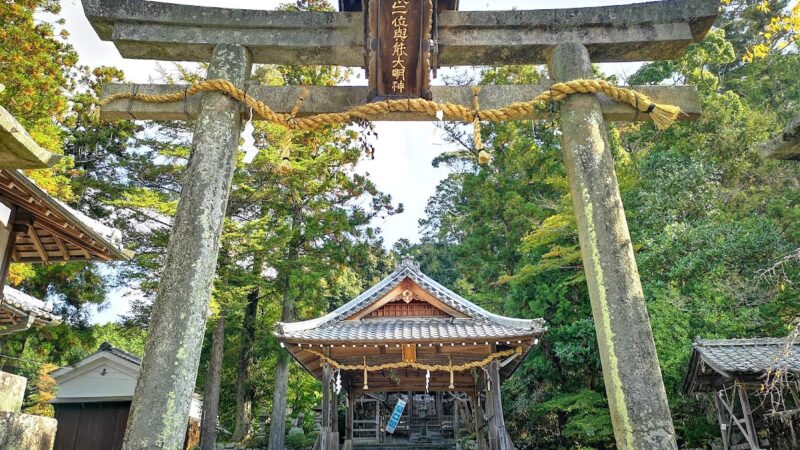
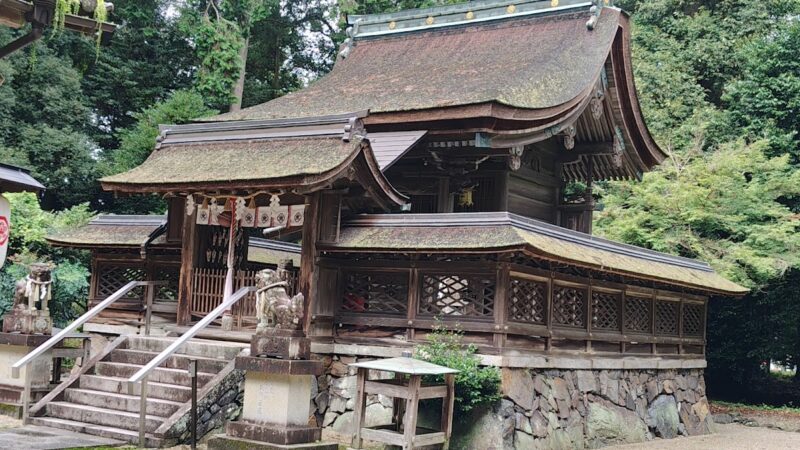
Daikomyoji Temple is located in a corner of the Shokokuji Temple grounds and is characterized by its quiet and peaceful atmosphere. Unlike large tourist temples, it maintains the tranquility inherent in Zen temples, providing an environment where you can visit and pray at your own pace.
The temple grounds are well-maintained and show different expressions with each season. Especially during the seasons of fresh greenery and autumn leaves, you can experience the unique charm of Kyoto.
Statue of Fugen Bodhisattva
The main hall houses the principal image, a statue of Fugen Bodhisattva. Many visitors express their deepest appreciation for its serene face, and the space offers a peaceful retreat where one can find inner peace through quiet prayer.
Access Information
Location
Address: 701 Shokokuji-monzen-cho, Imadegawa-dori Karasuma Higashi-iru, Kamigyo-ku, Kyoto City, Kyoto Prefecture
Daikomyoji Temple is located within the grounds of Shokokuji Temple in Kamigyo-ku, Kyoto City, Kyoto Prefecture, north of the Kyoto Imperial Palace and east of the Doshisha University Imadegawa Campus.
Access by Train
From Imadegawa Station on the Karasuma Subway Line:
- Approximately 8 minutes on foot from Exit 3
- Head east along Imadegawa Street and enter the grounds of Shokokuji Temple.
From Demachiyanagi Station on the Keihan Railway:
- Approximately 15 minutes on foot
- Head west along Imadegawa Street.
Imadegawa Station on the Karasuma Subway Line is the nearest station and the most easily accessible mode of transportation. The temple is within walking distance on a flat path from the station.
Access by Bus
Using City Buses:
- Get off at the “Karasuma Imadegawa” bus stop and walk approximately 5 minutes.
- This is a major bus stop served by multiple bus routes.
Access by Car and Parking
Shokokuji Temple has a parking lot for visitors, but spaces are limited. Also, since the surrounding area is residential, we recommend using public transportation.
Visiting Information
Visiting Hours
The visiting hours for Daikomyoji Temple are the same as those for Shokokuji Temple. Generally, it is from 9:00 AM to around 4:00 PM, but this may change due to religious services or events, so it is recommended to check in advance.
Admission Fee
Regular visits are free. However, separate fees may be required for special visits or events.
Notes for Visitors
- Daikomyoji Temple is a sub-temple located within the grounds of Shokokuji Temple, so its location may be somewhat difficult to find.
- To maintain a peaceful environment, please refrain from loud conversations on the temple grounds.
- Please only take photographs in designated areas.
- When requesting a Goshuin (temple stamp), please do so politely after your visit.
Nearby Attractions
Shokokuji Temple
Shokokuji Temple, to which Daikomyoji Temple belongs as a sub-temple, is the head temple of the Shokokuji branch of the Rinzai school of Zen Buddhism, established by Ashikaga Yoshimitsu. The “Crying Dragon” painted on the ceiling of the main hall (Hatto) is a must-see, and you can view the interior during special viewings.
Doshisha University Imadegawa Campus
Adjacent to the west of Shokokuji Temple is the Doshisha University Imadegawa Campus, which houses a group of red brick buildings designated as Important Cultural Properties, allowing visitors to see Western-style architecture from the Meiji period.
Kyoto Imperial Palace
Located about a 10-minute walk from Daikomyoji Temple, the Kyoto Imperial Palace was formerly the residence of the emperors and is now open to the public (reservations required). Historical buildings are scattered throughout the vast grounds, making it a major tourist spot in Kyoto.
Kyoto Gyoen National Garden
Surrounding the Kyoto Imperial Palace is the Kyoto Gyoen National Garden, a vast park popular as a place of relaxation for citizens. Visitors can enjoy the changing seasons, and it is especially crowded during the plum and cherry blossom seasons.
Cultural Properties and Treasures of Daikomyoji Temple
Daikomyoji Temple houses cultural properties associated with the Fushimi-no-miya family. While detailed public information is limited, the temple carefully preserves items that demonstrate its deep connection to the Imperial family, such as ancestral tablets and Buddhist implements.
During special public viewings, temple treasures not normally on display are sometimes exhibited, so it is recommended to check the official information from Kyoto City and Shokokuji Temple.
Annual Events
At Daikomyoji Temple, various memorial services and events are held in conjunction with the annual events of Shokokuji Temple. Many believers participate in joint memorial services, especially those organized by the Kyoto Thirteen Buddha Pilgrimage Association.
Main Events
- First three days of the New Year: Special New Year’s visit
- Spring and autumn equinox services: Memorial services for ancestors
- Kyoto Thirteen Buddha Pilgrimage related events: Joint memorial services by the Pilgrimage Association
Specific dates may vary from year to year, so it is recommended that those planning a visit check in advance.
Visitor Feedback
Visitors who have come to Daikomyoji Temple have shared the following impressions:
- “It was a little difficult to find at first because it’s located within the grounds of Shokokuji Temple, but it was a quiet and peaceful space.”
- “Seeing the serene face of Fugen Bodhisattva was a truly cleansing experience.”
- “I visited as part of the Kyoto Thirteen Buddha Pilgrimage. I also received a Goshuin (temple stamp) with great care.”
- “It’s a place where you can feel the atmosphere of a genuine Zen temple, unlike tourist temples.”
Points to Note When Visiting Daikomyoji Temple
Recommended Time to Visit
Daikomyoji Temple is open year-round, but the best times to visit are:
- Spring (late March to April): The cherry blossom season, when the entire grounds of Shokokuji Temple are beautiful.
- Early Summer (May to June): Beautiful fresh greenery and refreshing weather.
- Autumn (November): The autumn foliage season, allowing you to enjoy the unique atmosphere of Kyoto.
Estimated Time Required
If visiting Daikomyoji Temple alone, approximately 20-30 minutes is a good estimate. If visiting the entire Shokokuji Temple complex, allow 1-2 hours.
Recommended Combination Tours
There are many sights to see around Daikomyoji Temple, so the following combinations are recommended:
- Shokokuji Temple Course: Daikomyoji Temple → Shokokuji Temple Hatto Hall → Jotenkaku Museum (2-3 hours)
- Kyoto Imperial Palace Course: Daikomyoji Temple → Kyoto Imperial Palace → Kyoto Gyoen National Garden (3-4 hours)
- Thirteen Buddha Pilgrimage: A pilgrimage combining Daikomyoji Temple with other temples on the Kyoto Thirteen Buddha Pilgrimage route.
Summary: The Charm of Daikomyoji Temple
Daikomyoji Temple, a sub-temple of the Rinzai sect Shokokuji school with a history of nearly 700 years, is a valuable presence that conveys Kyoto’s religious culture to the present day. With its special history as the family temple of the Fushimi-no-miya family, and as the fourth temple on the Kyoto Thirteen Buddha Pilgrimage, it is a beloved destination for many worshippers.
Nestled within the tranquil grounds of Shokokuji Temple, this temple, which enshrines Fugen Bodhisattva as its principal deity, is known among Kyoto connoisseurs as a place where one can escape the hustle and bustle and pray in peace.
Its convenient location, within walking distance of Imadegawa Station on the Karasuma Subway Line, is another attractive feature, making it a temple you should definitely visit during your Kyoto sightseeing. Goshuin (temple stamps) are also available, making it a great choice for those enjoying pilgrimages and temple visits.
Daikomyoji Temple offers an experience of Kyoto’s history and culture, as well as the serene world of Zen. On your next visit to Kyoto, why not consider visiting this historic temple?