Complete Guide to Chōenji Temple (Kyoto Prefecture): History, Goshuin (Temple Seal), Access, and Highlights
Kyoto Prefecture boasts numerous temples, but among them, Chōenji Temple stands out for its tranquil atmosphere, deep history, and profound faith. This article provides a detailed explanation of Chōenji Temple’s historical background, highlights within its grounds, goshuin information, access methods, and other essential information before your visit.
About Chōenji Temple
Chōenji Temple is a Buddhist temple located in Kyoto Prefecture, belonging to the Jōdo sect, and has long been a center of local faith. The temple’s name, “Chōen,” carries the profound meaning of the Buddha’s compassion spreading perfectly and completely.
Located in a quiet environment away from the hustle and bustle of urban areas, it is beloved not only by locals but also by visitors seeking Kyoto’s hidden gems.
History and Origins of Chōenji Temple
Background of Founding
While there are various theories regarding the founding of Chōenji Temple, it is generally believed to have been established during the medieval period by influential local figures and monks. Based on the teachings of the Jōdo sect, it has attracted worshippers with Amida Buddha as its principal deity.
The Jōdo sect, founded by Honen Shonin, teaches that chanting “Namu Amida Butsu” (Homage to Amida Buddha) is essential for attaining rebirth in the Pure Land. Chōenji Temple has upheld this teaching and functioned as a spiritual center for the local people.
Historical Changes
Due to its location in Kyoto, Chōenji Temple has been affected by various historical events, including the Ōnin War, the ravages of the Sengoku period, and the reforms of the Edo period. However, thanks to the deep faith of the local residents and the efforts of temple officials, the temple’s traditions have been preserved.
Even during the anti-Buddhist movement after the Meiji Restoration, it played a central role in the local community, laying the foundation for its continued existence as a temple.
Historical Changes
Due to its location in Kyoto, Chōenji Temple has been affected by various historical events, including the Ōnin War, the ravages of war during the Sengoku period, and the reforms of the Edo period. However, thanks to the fervent faith of the local residents and the efforts of temple officials, the temple’s legacy has been preserved.
Even during the anti-Buddhist movement after the Meiji Restoration, it played a vital role as a center of the local community, laying the foundation for its present-day existence.
The Sect and Doctrines of Chōenji Temple
About the Jōdo Sect
The Jōdo Sect, to which Chōenji Temple belongs, is a sect of Japanese Buddhism founded by Hōnen Shōnin (1133-1212) during the Kamakura period. Its main characteristics are as follows:
- Principal Deity: Amida Buddha
- Teaching: Exclusive Nembutsu (single-minded recitation of the Nembutsu)
- Purpose: Rebirth in the Pure Land
- Scriptures: The Three Pure Land Sutras (Larger Sukhavativyuha Sutra, Contemplation Sutra, Amida Sutra)
The teachings of the Jōdo Sect are characterized by equality, stating that anyone, regardless of social status or education, can be saved by chanting “Namu Amida Butsu.”
Faith Practice at Chōenji Temple
At Chōenji Temple, the teachings of the Jōdo Sect are practiced through daily services and rituals. Regular Buddhist chanting sessions and Dharma talks are held, providing opportunities for parishioners and local residents to experience Buddhist teachings.
Highlights of the Temple Grounds
Main Hall
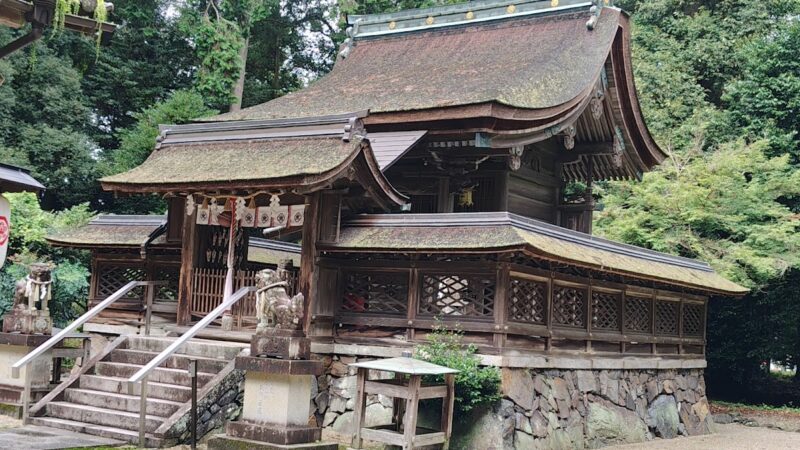
The main hall of Chōenji Temple is the central building of the temple, housing the principal image, Amida Buddha. The architectural style is based on traditional Japanese architecture, creating a tranquil atmosphere for worship.
Inside the main hall, Buddhist statues, ritual objects, and temple treasures are carefully preserved, and it serves as a gathering place for parishioners and worshippers during religious services and events.
Temple Gate
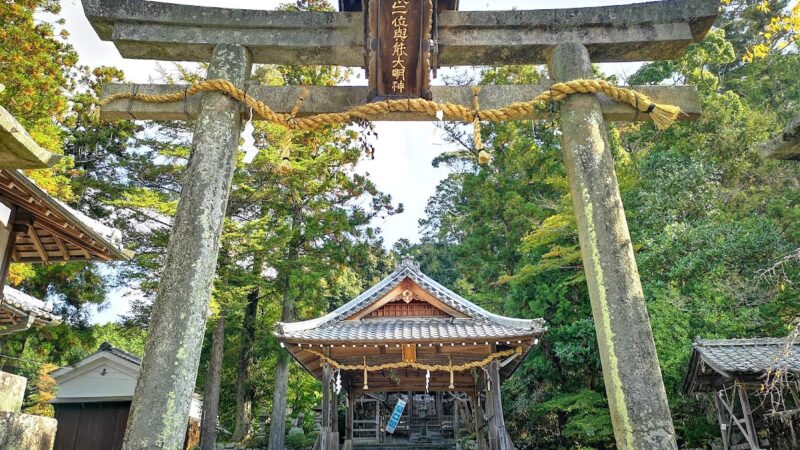
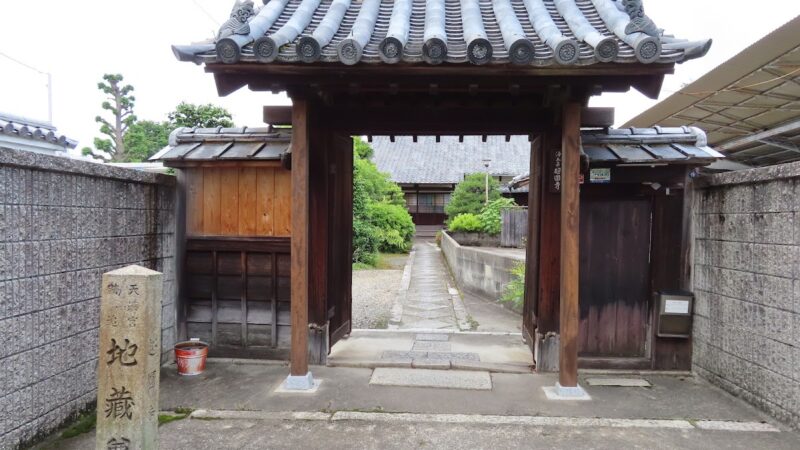
The temple gate, the entrance to the temple, is a symbolic presence separating the secular world from the sacred realm. Passing through the gate allows one to leave the hustle and bustle of everyday life and enter a quiet space of faith.
Nature within the Temple Grounds
The grounds of Chōenji Temple feature nature that displays different expressions with each season. In spring, you can enjoy the cherry blossoms; in early summer, the fresh greenery; in autumn, the vibrant autumn leaves; and in winter, the serene snowscape—you can enjoy the beauty of each season.
As is typical of Kyoto temples, the gardens and plantings are carefully designed, providing peace of mind to visitors.
Goshuin Information
About Goshuin
At Chōenji Temple, we offer goshuin (temple stamps) to our visitors. Goshuin are not merely commemorative stamps; they are cherished as proof of having visited the temple and as a symbol of having forged a connection with the Buddha.
A Goshuin (temple stamp) typically includes the following elements:
- Temple name (Chōenji Temple)
- Name of principal deity (e.g., Amida Buddha)
- Date of visit
- Temple seal (vermilion seal)
- Calligraphy in ink
How to receive a Goshuin
When receiving a Goshuin, please observe the following manners:
- First, pray: Always pray at the main hall before receiving a Goshuin.
- Prepare a Goshuincho: Prepare a dedicated Goshuincho.
- Request politely: Please request politely at the temple office or reception.
- Donation: A donation of around 300 to 500 yen is usually offered.
- Express gratitude: After receiving the stamp, express your gratitude.
About Goshuincho
It is recommended to check in advance whether Chōenji Temple offers its own original Goshuincho. Many temples offer their own uniquely designed goshuincho (stamp books), which are popular as souvenirs of visits.
Annual Events and Memorial Services
Main Annual Events
At Chōenji Temple, as a Jōdo-shū temple, various annual events are held:
Spring Events
- Spring Equinox Service: Memorial service for ancestors
- Flower Festival (Buddha’s Birthday): A celebration of the birth of Buddha
Summer Events
- Obon Memorial Service: An important event to welcome the spirits of ancestors
- Segaki Service: A memorial service to comfort spirits that have fallen into the realm of hungry ghosts
Autumn Events
- Autumn Equinox Service: Memorial service for ancestors during the autumn equinox
Winter Events
- New Year’s Eve Bell Ringing: Ringing the bell on New Year’s Eve to dispel worldly desires
- Shōshō-e: A memorial service to welcome the New Year
Special Memorial Services
Special memorial services unique to the temple, such as the founding anniversary and the principal image’s festival day, are also held. These events are important religious ceremonies for parishioners and believers, and also serve as opportunities to deepen the bonds of the local community.
Access Information
Basic Information
Basic information for planning a visit to Chōenji Temple:
Location
Kyoto Prefecture (Please confirm the specific address in advance)
Visiting Hours
Generally, daytime visits are possible, but this may vary depending on religious services and events. It is recommended to check in advance.
Admission Fee
Entry to the temple grounds is generally free, but there may be additional fees for special viewings, etc.
Access by Public Transportation
Public transportation is convenient for accessing temples in Kyoto City:
Train/Bus Use
- Accessible on foot or by bus from the nearest station
- Use Kyoto City Bus or Kyoto Bus routes
- A few minutes to ten minutes’ walk from the bus stop
Detailed routes and timetables can be found on the Kyoto City Transportation Bureau website or various transit apps.
Access by Car
Parking
It is necessary to check in advance whether the temple has its own parking lot. Many temples in Kyoto have limited parking space, so we recommend using public transportation.
Points to Note
- Traffic congestion is common in Kyoto city during tourist season.
- Surrounding roads may be narrow.
- Consider using nearby coin-operated parking lots.
Manners and Etiquette for Visiting Temples
Basic Manners for Visiting Temples
When visiting a temple, please observe the following manners:
- Attire: Dress modestly and cleanly.
- Quietness: Be quiet within the temple grounds and avoid disturbing other visitors.
- Photography: Refrain from taking photographs inside the main hall or in prohibited areas.
- Smoking and Eating: Avoid smoking and eating outside designated areas.
- Mobile Phones: Set your phone to silent mode and refrain from making calls.
Etiquette for Visiting Temples
Bowing at the Temple Gate
Before passing through the temple gate, bow to prepare yourself to enter the sacred realm from the secular world.
Purification at the Water Basin
- Hold the ladle in your right hand and purify your left hand.
- Switch the ladle to your left hand and purify your right hand.
- Switch the ladle back to your right hand, receive water in your left hand, and rinse your mouth.
- Finally, hold the ladle upright and purify the handle.
Worship at the Main Hall
- Bow slightly before the offering box.
- Gently place your offering in the box.
- Join your hands in prayer and silently chant “Namu Amida Butsu” (Homage to Amida Buddha).
- Offer your wishes and feelings of gratitude.
- Bow once and leave.
Attractions around Chōenji Temple
Nearby Temples and Shrines
Kyoto Prefecture has numerous temples and shrines. Visiting them in conjunction with Chōenji Temple will allow you to enjoy a more fulfilling temple and shrine tour.
It is recommended to research famous temples and shrines in the surrounding area in advance and plan an efficient pilgrimage route.
Local Tourist Attractions
Besides the temple itself, the area surrounding Chōenji Temple offers several other attractive tourist spots:
- Historical streetscapes
- Traditional craft workshops
- Shops selling local specialties
- Parks and gardens where you can enjoy the changing seasons
Dining and Rest Areas
It’s helpful to check out restaurants and rest areas in advance so you can stop by before or after your visit. Enjoying a moment of relaxation after your visit at a Kyoto-style Japanese restaurant, sweets shop, or cafe is highly recommended.
Faithful Life at Chōenji Temple
Danka System
Chōenji Temple serves as a local danka temple, supporting the religious lives of its parishioners. The danka system is a unique system of Japanese temples, encompassing the following relationships:
- Conducting ancestral memorial services and funerals
- Holding annual memorial services
- Managing the cemetery
- Participating in temple events
- Cooperating in the maintenance and operation of the temple
Sutra Copying and Buddha Image Copying Experiences
Some temples offer Buddhist experience programs such as sutra copying and Buddha image copying. To find out if these experiences are possible at Chōenji Temple, we recommend contacting the temple directly.
Sutra copying is a Buddhist practice involving the transcription of scriptures, offering a valuable opportunity to calm the mind and connect with the teachings of Buddha.
Dharma Talks and Study Sessions
Regularly held Dharma talks allow you to learn about Buddhist teachings from the head priest and other monks. You can gain insight into Buddhist wisdom applicable to daily life and teachings that can serve as guidance for life.
Cultural Assets and Treasures of Chōenji Temple
Buddhist Statues and Relics
Chōenji Temple houses various Buddhist statues and relics, including the principal image of Amida Buddha. These are treasures of the temple that have been carefully preserved throughout its long history and are revered as objects of faith.
Ancient Documents and Records
Temples sometimes possess ancient documents and records that tell the story of their history since their founding. These are valuable resources for local history research.
Chōenji Temple and the Local Community
Center of the Local Community
Chōenji Temple has functioned not merely as a religious facility, but as a central presence in the local community.
- Venue for local events
- Place for residents’ gatherings and exchanges
- Center for the transmission of traditional culture
- Evacuation site during disasters
Through these multifaceted roles, the temple has become deeply rooted in the local community.
Social Contribution Activities
Modern temples engage in various social contribution activities in addition to traditional religious activities:
- Support activities for the elderly
- Educational programs for children
- Environmental conservation activities
- Beautification activities in the community
Best Season to Visit Chōenji Temple
Spring (March-May)
Spring is a beautiful season with cherry blossoms and fresh greenery. The temple grounds are especially vibrant during the cherry blossom season. Events such as the Spring Equinox Festival and the Flower Festival are also held.
Summer (June-August)
You can enjoy the cool breeze in the lush green temple grounds. During the Obon period, memorial services for ancestors are held, attracting many parishioners and worshippers.
Autumn (September-November)
The autumn foliage season is the best time to visit temples in Kyoto. Autumn equinox services are also held, allowing for a peaceful and tranquil atmosphere.
Winter (December-February)
The temple grounds, enveloped in silence during winter, are ideal for a calm and peaceful visit. You can also experience year-end and New Year’s events such as the ringing of the temple bell on New Year’s Eve and the New Year’s Shusho-e ceremony.
Checklist of Items to Bring When Visiting Chōenji Temple
Here is a list of items that are useful to bring when visiting Chōenji Temple:
- Goshuincho: If you wish to receive a Goshuin (temple stamp)
- Juzu: For use during prayer
- Osaisen: It is convenient to have small change ready
- Camera: If photography is permitted on the temple grounds
- Rain Gear: Depending on the weather
- Comfortable Walking Shoes: For walking around the temple grounds
- Drinks: Hydration is especially important in the summer
How to Contact Chōenji Temple
Things to Check in Advance
Things to check before visiting:
- Visiting hours and closing days
- Availability and fees for special viewings
- Goshuin (temple stamp) issuance hours
- Availability of parking
- Schedule of annual events
- Status of experiential programs such as sutra copying
How to Contact
- Telephone: Contact the temple directly by phone
- Website: Check the official website if available
- SNS: SNS account operated by the temple
- Tourist Information Center: Information is also available at local tourist information centers.
Guidelines for Visiting Chōenji Temple
Respect as a Place of Worship
Remember that Chōenji Temple is a place of worship before it is a tourist destination. For parishioners and local people, it is a precious place they have visited for generations.
Visit with a Quiet Heart
The original purpose of visiting a temple is to calm the mind, connect with the teachings of Buddha, and reflect on oneself. Visiting with a quiet heart, rather than just as a tourist, will lead to a deeper experience.
Continued Engagement
Visiting the temple multiple times, not just once, but in different seasons, will create a deeper connection with the temple. Participating in annual events and attending Dharma talks will allow you to understand Buddhist teachings more deeply.
Summary
Chōenji Temple is a Jōdo sect temple located in Kyoto Prefecture, with a long history and deep faith. This temple enshrines Amida Buddha as its principal deity and practices the teachings of the Jodo sect, which seeks rebirth in the Pure Land through the chanting of “Namu Amida Butsu.”
The temple grounds feature traditional buildings, including the main hall, and the changing seasons welcome visitors. Visitors can deepen their connection with the temple through receiving a Goshuin (temple stamp) and participating in annual events.
When visiting, it is important to observe basic manners and show respect as it is a place of faith. By visiting with a quiet heart, you can escape the hustle and bustle of everyday life and find peace of mind.
Among the many temples in Kyoto, Chōenji Temple stands out as a warm and welcoming temple deeply rooted in the community, continuously offering Buddhist teachings and inner peace to its visitors. We encourage you to visit Chōenji Temple and experience its serene atmosphere and profound history.