Tokanji Temple (Kamigyo Ward, Kyoto Prefecture) Complete Guide | The Charm and Visiting Information of a Historic Temple of the Shinshu Otani School
About Tokanji Temple
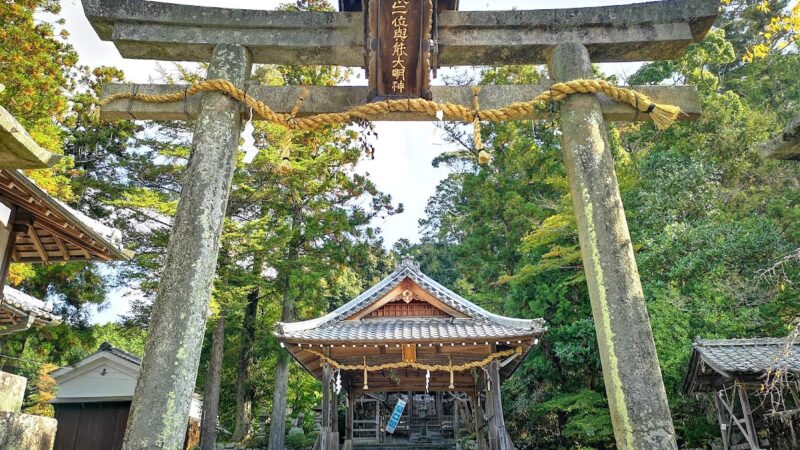
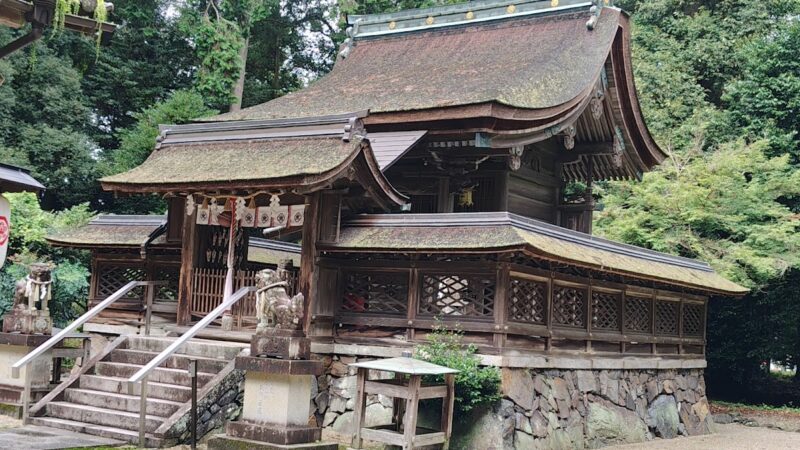
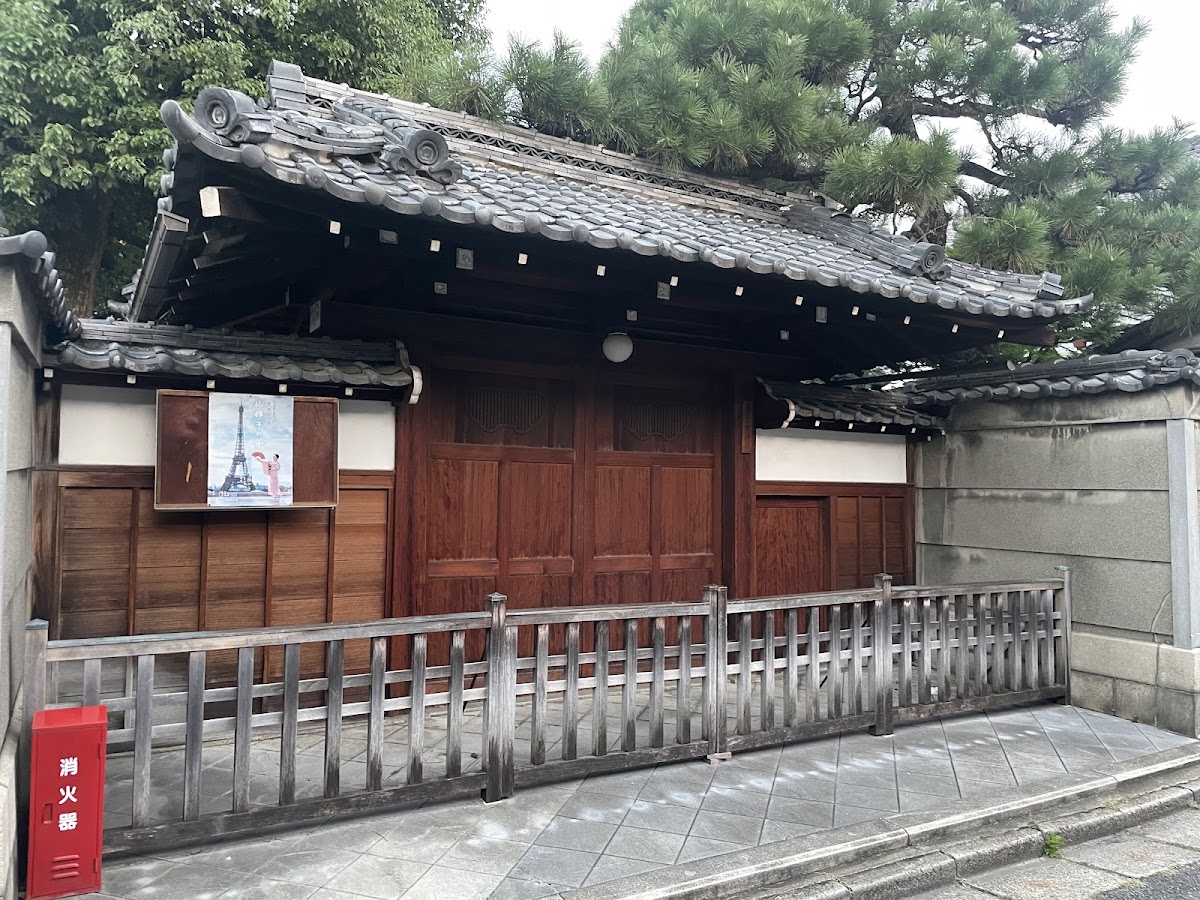
Tokanji Temple is a Shinshu Otani school temple located at 715 Kushitakenoki-cho, Kamigyo Ward, Kyoto City, Kyoto Prefecture. As its Kyoto-style address, “Higurashi-dori Shimotachiuri-sagaru,” suggests, it is a temple quietly nestled within Kyoto’s traditional townscape, and has long been cherished as a center of local faith.
Kamigyo Ward in Kyoto City is a historical area centered around the Kyoto Imperial Palace, and is dotted with numerous temples and shrines. Among them, Tokanji Temple, belonging to the Shinshu Otani school, a major branch of Jodo Shinshu Buddhism, continues to preserve its unique history and traditions.
Basic Information about Tokanji Temple
- Location: 715 Kushitakemachi, Shimotachiuri-sagaru, Higurashi-dori, Kamigyo-ku, Kyoto City, Kyoto Prefecture
- Sect: Shinshu Otani-ha
- Access: Accessible by public transportation such as Kyoto City Subway and buses
- Area: Residential area in Kamigyo-ku, Kyoto City
About Shinshu Otani-ha
Tokanji Temple belongs to the Shinshu Otani-ha, one of the major sects of Jodo Shinshu Buddhism. Jodo Shinshu Buddhism was founded by Shinran Shonin, a monk of the Kamakura period, and teaches that everyone can be saved equally by chanting “Namu Amida Butsu.”
Characteristics of Shinshu Otani-ha
The Shinshu Otani-ha has its head temple at Higashi Honganji (Shinshu Honbyo) in Kyoto and is one of the largest Buddhist sects in Japan, with over 8,700 temples nationwide. It has the following characteristics:
Characteristics of the Doctrine:
- Belief in salvation through the power of Amida Buddha’s original vow
- The central practice is chanting the Nembutsu (invocation of Amida Buddha)
- Marriage of monks is permitted
- Eating meat is not prohibited
Differences from Other Sects:
The Shinshu Otani sect and the Honganji sect (Nishi Honganji) are sister sects that separated in the early Edo period. While their doctrines are fundamentally the same, they have different head temples and have each built their own unique traditions. Compared to other sects such as the Tendai and Shingon sects, a major characteristic of Jodo Shinshu is that it does not require Zen meditation or rigorous training, but emphasizes chanting the Nembutsu in daily life.
Temple Culture in Kamigyo Ward, Kyoto City
Kamigyo Ward in Kyoto City is a historical area centered around the Kyoto Imperial Palace and is one of the most densely populated temple areas in Japan. This area is home to temples of various sects, including the Shinshu Otani sect, as well as the Jodo, Tendai, and Shingon sects, each preserving its own unique history and traditions. ### Regional Characteristics of Kamigyo Ward
Kamigyo Ward is located in the heart of Kyoto and has long been an area lined with the residences of court nobles and samurai. Even today, historical streetscapes remain, and many traditional Kyoto townhouses can be seen. The area around Kushitakemachi, where Tokanji Temple is located, also strongly retains the atmosphere of a traditional Kyoto residential area.
Main Characteristics of Kamigyo Ward:
- Concentration of important facilities such as the Kyoto Imperial Palace and the Kyoto Prefectural Government Office
- Many traditional townhouses remain
- Scattered historical temples and shrines
- Strong local community
Surrounding Temple Environment
Besides Tokanji Temple, there are numerous other temples in Kamigyo Ward, Kyoto City. Not only Shinshu temples, but also temples of various sects such as Jodo, Tendai, and Shingon coexist, each supporting the faith of the region. This concentration of temples of diverse sects in one area is a characteristic unique to Kyoto, a historical city.
About Visiting Tokanji Temple
If you wish to visit Tokanji Temple, there are several points you should check beforehand.
Basic Manners for Visiting Temples
When visiting a temple of the Shinshu Otani sect, it is important to observe the following basic manners.
Etiquette for Visiting:
- Bow when passing through the temple gate.
- Quietly put your hands together in prayer in the main hall.
- Recite “Namu Amida Butsu” silently in your heart.
- Obtain permission before taking photographs.
- Be quiet on the temple grounds.
Points to Note When Visiting
Since Tokanji Temple is located in a residential area, consideration for the surrounding residents is necessary when visiting.
Points to Note:
- Refrain from loud conversations.
- Avoid parking on the street.
- Always take your trash with you.
- Be considerate of the privacy of nearby residents.
How to Access Tokanji Temple
Tokanji Temple is located at Higurashi-dori Shimotachiuri-sagaru, Kamigyo-ku, Kyoto City. Here’s how to access the temple from within Kyoto City.
Access by Public Transportation
Using Kyoto City Buses: Kyoto City has an extensive bus network, and the temple is within walking distance from the nearest bus stop. If you take the bus from Kyoto Station, the journey takes approximately 20-30 minutes.
Using the Subway: The temple is also accessible on foot from the nearest station on the Kyoto City Subway Karasuma Line. Imadegawa Station and Marutamachi Station are relatively close.
Access by Car
If you are traveling by car, please be aware of the road conditions in Kyoto City. Kamigyo Ward has many narrow roads and one-way streets, so it is recommended to check a map or navigation system beforehand.
Parking: It is necessary to check in advance whether the temple has its own parking lot. There are coin-operated parking lots in the surrounding area, but their number is limited, so using public transportation is recommended.
Buddhist Services and Events at Tokanji Temple
As a temple of the Shinshu Otani sect, various Buddhist services and events are held throughout the year. ### Main Memorial Services
Regular Memorial Services:
- Hoonko: The most important memorial service commemorating the anniversary of Shinran Shonin’s death
- Spring and Autumn Equinox Services
- Obon Memorial Service
- Annual Memorial Services
Participation in Memorial Services
If you wish to participate in a memorial service, it is important to contact the temple in advance to confirm the date and content. Especially for large memorial services such as Hoonko, many parishioners gather, so prior confirmation is necessary.
About Cemeteries and Interment
If you wish to obtain information about cemeteries and interment at Tokanji Temple, the most reliable method is to contact the temple directly.
General Procedures for Using the Cemetery
The general procedures for using the temple cemetery are as follows:
Procedure:
- Inquiry and consultation with the temple
- Site visit and explanation
- Consideration of becoming a temple parishioner
- Confirmation of contract details
- Construction of the tombstone
- Performance of the eye-opening ceremony
About closing a grave
In recent years, the number of people considering closing a grave has increased. Closing a grave means removing the current grave and moving the remains to another location.
Main reasons for closing a grave:
- Difficulty visiting the grave due to distance
- No successor
- Reducing the burden of maintenance
- Switching to perpetual memorial service
If you are considering closing a grave, careful consultation with both the current temple and the temple to which you wish to relocate is necessary.
Attractions around Tokanji Temple
When visiting Tokanji Temple, you can also visit other attractions in Kamigyo Ward, Kyoto City.
Main tourist spots in the surrounding area
Kyoto Imperial Palace:
A historical building representative of Kamigyo Ward, and the former residence of the emperor. It is currently open to the public, allowing visitors to enjoy its beautiful gardens and architecture.
Kitano Tenmangu Shrine: A shrine dedicated to Sugawara no Michizane, known as the god of learning, it is bustling with many worshippers during exam season.
Shokokuji Temple: The head temple of the Shokokuji branch of the Rinzai school of Zen Buddhism, founded by Ashikaga Yoshimitsu, the third shogun of the Muromachi shogunate, and also known as the head temple of Kinkakuji and Ginkakuji.
Surrounding Living Environment
Kamigyo Ward is an area in Kyoto with a well-developed living environment. It boasts numerous shopping streets, supermarkets, and restaurants, making it a convenient area not only for sightseeing but also for daily life.
Kyoto’s Temple Culture and the Role of Tokanji Temple
Kyoto has approximately 1,700 temples, making it one of the cities with the highest concentration of temples in Japan. Tokanji Temple plays an important role as a temple deeply rooted in the community.
The Role of Local Temples
Unlike famous tourist temples such as Kinkaku-ji and Kiyomizu-dera, local temples like Tokan-ji play the following roles:
Main Roles of Local Temples:
- Supporting the religious lives of parishioners
- Conducting funerals and memorial services
- Center of the local community
- Inheriting Buddhist culture
- Providing a spiritual anchor
Types of Temples in Kyoto
Kyoto temples can be broadly categorized as follows:
Tourist Temples:
Famous temples registered as World Heritage Sites, such as Kiyomizu-dera, Kinkaku-ji, and Ginkaku-ji
Monzeki Temples:
High-status temples where members of the imperial family or nobility served as chief priests
Local Temples:
Temples like Tokan-ji that support local faith
Tokan-ji, as a local temple, may not be flashy, but it is an important presence closely involved in the religious lives of the local people.
The Teachings of the Shinshu Otani School and Modern Society
The teachings of the Shinshu Otani school, to which Tokan-ji belongs, are accepted by many people in modern society. ### The Modern Significance of Jodo Shinshu Buddhism
The Teaching of Equality: Jodo Shinshu Buddhism, as exemplified by the teaching of “salvation for the wicked,” holds the belief that all people are equally saved. This is a universal value that resonates with modern human rights thought.
Faith in Daily Life: Jodo Shinshu Buddhism, which emphasizes chanting the Nembutsu in daily life without requiring rigorous training or strict precepts, offers a form of faith that is easy for busy modern people to practice.
The Social Role of Temples
In modern times, temples play a social role that goes beyond mere religious institutions.
The Role of Temples in Modern Times:
- Providing a place for spiritual healing
- A consultation service for end-of-life planning
- Preserving local traditional culture
- A base for social contribution activities
- A venue for ceremonies at life’s milestones
Points to Know When Visiting Tokanji Temple
Here are some helpful points to know when visiting Tokanji Temple.
Preparations
Things to check:
- Dates and times when you can visit
- Are there any special events?
- Detailed access information
- Availability of parking
- Whether photography is permitted
Attire
For regular visits, special attire is not necessary, but the following considerations are desirable:
Recommended attire:
- Clean and understated clothing
- Clothing that does not reveal too much skin
- Shoes that are easy to put on and take off
- Semi-formal attire if attending a memorial service
Offerings
When visiting a temple for a memorial service or other occasion, it is customary to offer a donation. The amount varies depending on the region and the nature of the service, so it is recommended to check in advance or consult with someone with experience.
Visiting Kyoto Temples and Tokanji Temple
Many tourists visiting Kyoto enjoy visiting temples, but by visiting local temples like Tokanji Temple, you can discover a deeper charm of Kyoto.
The Significance of Visiting Local Temples
Visiting local temples, in addition to tourist temples, has the following significance:
The Appeal of Visiting Local Temples:
- Enjoy a peaceful and tranquil environment for worship
- Experience local life and culture
- Learn about the true nature of temples
- Avoid crowds
- Learn about local history
Kyoto Sightseeing and Temple Visits
When sightseeing in Kyoto, combining famous tourist temples with local temples can lead to a more fulfilling experience. Tokanji Temple is located near popular tourist spots such as the Kyoto Imperial Palace and Kitano Tenmangu Shrine, making it possible to visit them efficiently.
The Future and Challenges of Tokanji Temple
Japanese temples are currently facing various challenges. Local temples like Tokanji Temple are no exception.
Challenges Facing Modern Temples
Main Challenges:
- Decreasing number of parishioners
- Lack of successors
- Aging buildings
- Securing maintenance funds
- Weakening ties with the community
New Initiatives at Temples
Temples throughout Japan are undertaking various new initiatives to address these challenges.
Examples of Innovative Initiatives:
- Information dissemination via social media
- Implementation of online memorial services
- Operation of temple cafes, etc.
- Holding of local events
- Implementation of end-of-life planning seminars
How to Contact Tokanji Temple
This section explains how to contact Tokanji Temple if you would like more detailed information or to discuss memorial services.
Etiquette When Contacting a Temple
When contacting a temple, it is important to observe the following etiquette.
Points to Note When Contacting a Temple:
- If calling, contact during reasonable hours
- Clearly state your name and purpose of inquiry
- Use polite language
- Avoid sudden visits and contact in advance
- Respect the other party’s schedule
Common Inquiries
The following are common inquiries to temples.
Main Inquiries:
- Dates and Costs of Memorial Services
- Availability of Cemetery Plots
- How to Become a Temple Member
- Visiting Hours
- Schedule of Annual Events
Summary
Tokanji Temple, located in Kamigyo-ku, Kyoto City, is a Shinshu Otani-ha temple that plays a vital role in supporting the religious life of the local community. While not flashy, it is a local temple with a strong presence within the historic city of Kyoto, and has been cherished by the local people for many years.
When visiting Kyoto, you can discover a deeper charm of the city by visiting not only famous tourist temples but also community-based temples like Tokanji Temple. The time spent quietly praying at this temple nestled in a peaceful residential area will be a precious experience, a respite from the hustle and bustle of everyday life.
The Nembutsu, “Namu Amida Butsu,” a teaching of the Shinshu Otani-ha, contains the universal message that everyone is equally saved. By visiting Tokanji Temple, you can experience these Buddhist teachings and find peace of mind.
Located in Kamigyo Ward, Kyoto City, a region steeped in history and tradition, Tokanji Temple will undoubtedly continue to fulfill its role as a center of faith for the local people and as a place for conveying Japanese Buddhist culture.