Enmei-ji Temple (Kagawa Prefecture, Kanonji City) Complete Guide
Located in Sakuta-cho, Kanonji City, Kagawa Prefecture, Enmei-ji Temple is a historic temple belonging to the Daikaku-ji branch of the Shingon sect. As the 27th temple on the Shikoku Thirty-Three Kannon Pilgrimage, it attracts many worshippers and is cherished as a place of faith deeply rooted in the community and a haven for those seeking peace of mind.
This article comprehensively introduces everything you need to know before visiting Enmei-ji Temple, from its historical background and highlights within the temple grounds to visiting information and access methods.
Basic Information about Enmei-ji Temple
Temple Overview
Official Name: Shinnyozan Enmei-ji Temple
Address: 1076, Hei, Sakuta-cho, Kanonji City, Kagawa Prefecture 768-0040
Phone Number: 0875-25-3234
Sect: Shingon-shu Daikaku-ji School
Principal Image: Eleven-faced Kannon Bodhisattva
Pilgrimage Site: 27th temple of the Shikoku Thirty-Three Kannon Pilgrimage
Chief Priest: Oike Taido
Corporate Number: 6470005003978
Characteristics of Enmei-ji Temple
Enmei-ji Temple is one of the temples that boasts a particularly long history and prestige among the 42 temples and shrines scattered throughout Kanonji City. While Kagawa Prefecture boasts numerous Shingon Buddhist temples, Enmei-ji Temple, as one of the 33 Kannon pilgrimage sites in Shikoku, welcomes pilgrims from a wide area.
Nationwide, there are 236 temples bearing the name “Enmei-ji,” ranking 12th in the country. However, Enmei-ji Temple in Kanonji City has established a unique position as an important center of Kannon worship in the Shikoku region.
History and Origins of Enmei-ji Temple
Background of Founding
Regarding the founding of Enmei-ji Temple, it is believed to have been established in a region where faith based on the teachings of Kobo Daishi Kukai had taken root, as a temple following the tradition of Shingon Esoteric Buddhism. The temple’s name, “Enmei,” represents the essence of Kannon worship, praying for people’s longevity and health, and it has long functioned as a place of prayer for the safety and longevity of local residents.
Relationship with the Daikakuji Branch of the Shingon Sect
Enmeiji Temple belongs to the Daikakuji branch of the Shingon sect, which has Daikakuji Temple in Kyoto as its head temple. Daikakuji Temple was originally a detached palace of Emperor Saga, and is known as a temple with deep ties to the Imperial family and high status. Enmeiji Temple has inherited this tradition while developing religious activities rooted in the local community.
The Shingon sect’s teaching of attaining Buddhahood in this lifetime, combined with the compassionate spirit of Kannon Bodhisattva, forms the core of Enmeiji Temple’s religious activities.
Relationship with the Shikoku Thirty-Three Kannon Pilgrimage
Enmeiji Temple is the 27th temple of the Shikoku Thirty-Three Kannon Pilgrimage, playing a part in the network of Kannon worship in the Shikoku region. The Shikoku Thirty-Three Kannon Pilgrimage was established separately from the Shikoku Eighty-Eight Temples Pilgrimage, as a pilgrimage route to temples where Kannon Bodhisattva is the principal deity.
Kannon worship is a form of faith based on the 33 manifestations of Kannon Bodhisattva described in the “Kannon Sutra,” where pilgrims visit 33 sacred sites to receive the compassion of Kannon Bodhisattva. Enmei-ji Temple holds an important position within this tradition and functions as a sacred site visited by many pilgrims.
Highlights of Enmei-ji Temple
Main Hall and Principal Image
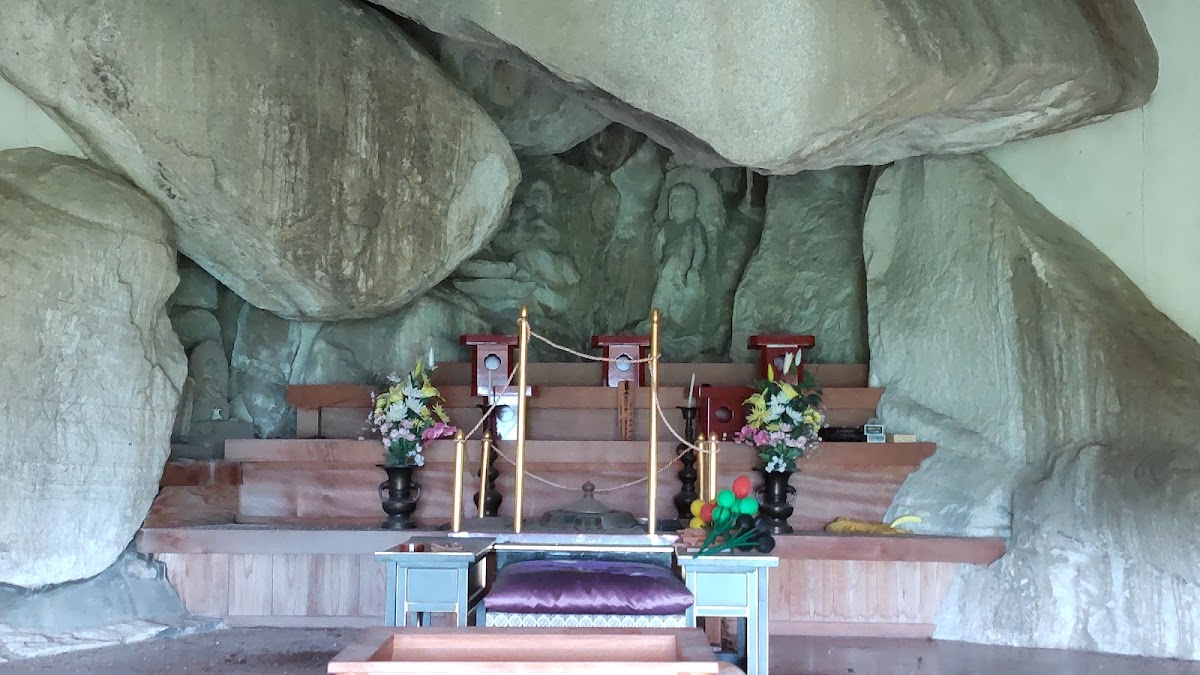
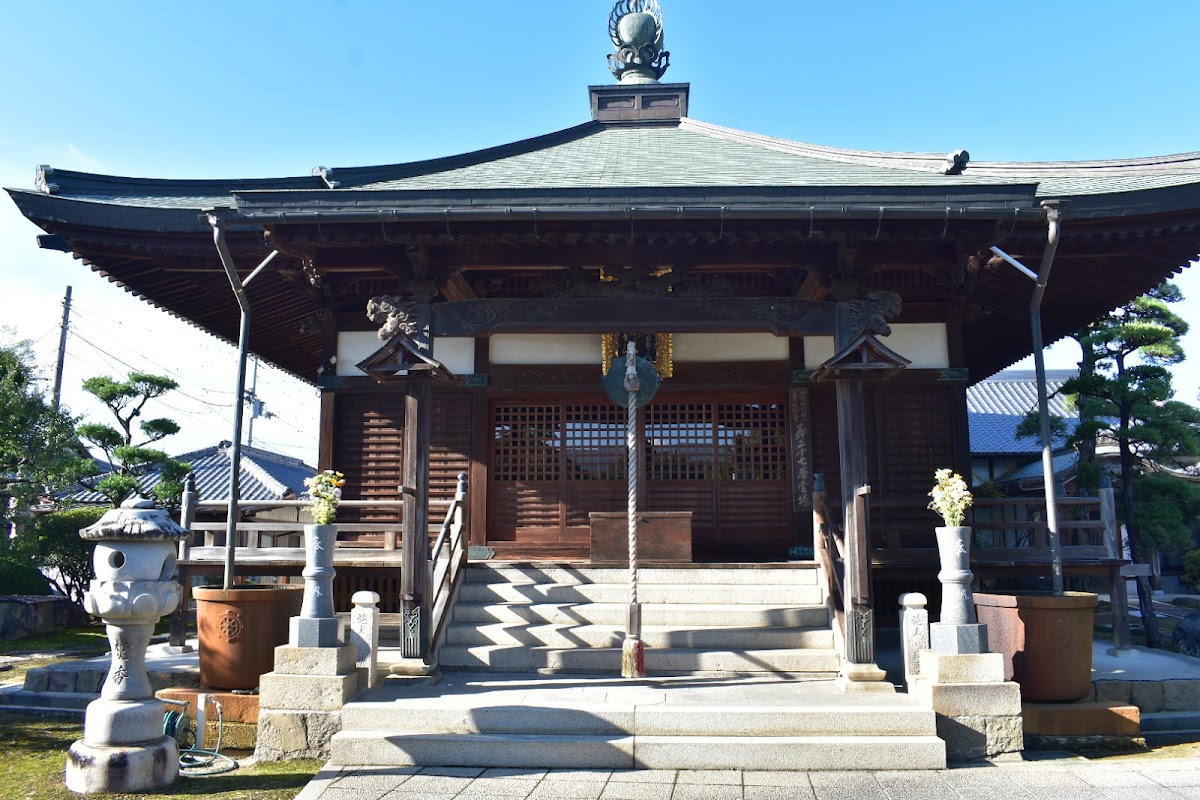
The main hall of Enmei-ji Temple is an architectural structure in the traditional style of Shingon Buddhist temples. The principal image, the Eleven-Faced Kannon Bodhisattva, is one of the manifestations of Kannon Bodhisattva. With eleven faces on its head, it is considered a symbol of compassion, not overlooking the suffering of people in all directions and offering salvation.
The Eleven-Faced Kannon is especially believed to grant blessings for healing illnesses and longevity, and is deeply connected to the temple’s name, Enmei-ji. Visitors offer prayers in the main hall, praying for health and long life.
Beautifully Maintained Gardens
Visitors to Enmei-ji Temple unanimously praise its beautifully maintained gardens. The grounds, adorned with plants that change with the seasons, offer visitors a sense of peace and tranquility.
Especially during the cherry blossom season in spring, the fresh greenery of early summer, and the vibrant autumn foliage, the grounds are adorned with rich colors, allowing visitors to enjoy the beauty of nature alongside their worship. The gardens are meticulously maintained by the head priest and parishioners, reflecting their deep affection for the temple.
A Tranquil Temple Grounds
Although located in a residential area of Kanonji City, stepping onto the grounds of Enmei-ji Temple transports you to a different world of tranquility. This peaceful environment, away from the hustle and bustle of the city, is a precious space for modern people seeking solace and prayer.
Strolling through the grounds, listening to the birdsong and the rustling of the trees in the wind, allows you to escape the busyness of everyday life and find time for self-reflection.
Facilities as a Pilgrimage Site
As a pilgrimage site for the 33 Kannon Pilgrimage of Shikoku, Enmei-ji Temple is equipped with facilities for pilgrims. You can receive a Goshuin (temple stamp) at the temple office, and many visitors come to commemorate their pilgrimage.
Stone monuments and information boards that reflect the history of the pilgrimage site are also installed, preserving the culture of pilgrimage to this day.
How to Worship at Enmei-ji Temple
Basic Worship Procedure
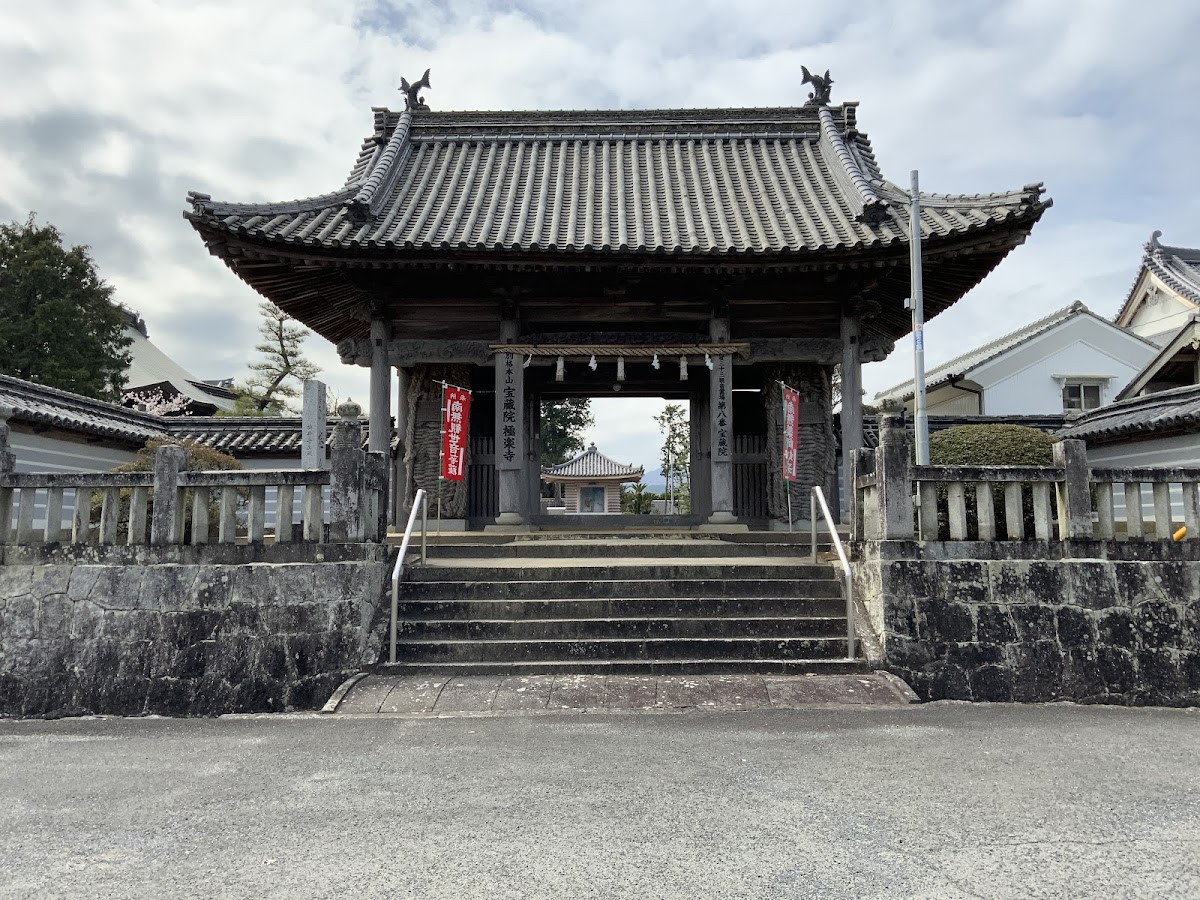
- A Bow at the Temple Gate: Before entering the temple grounds, bow at the temple gate to compose yourself.
- Purification at the Water Basin: Purify your hands and mouth at the water basin. Take the ladle with your right hand and wash your left hand, then switch the ladle to your left hand and wash your right hand. Switch the ladle back to your right hand, receive water in your left hand, and rinse your mouth.
- Visiting the Main Hall: Offer your donation in front of the main hall and ring the temple bell. Join your hands in prayer and offer your prayers to the Eleven-Faced Kannon Bodhisattva.
- Strolling the Temple Grounds: If time permits, take a leisurely stroll through the temple grounds to calm your mind.
- Receiving a Temple Stamp at the Sutra Office: Pilgrims can receive a temple stamp at the sutra office.
Precautions During Your Visit
- Please be quiet on the temple grounds and be considerate of other visitors.
- Photography is only permitted in designated areas, and please be careful not to include the main hall or other visitors in your photos.
- Please refrain from bringing pets to the temple, or check with the temple beforehand.
- Smoking is prohibited on the temple grounds. Please smoke only in designated areas.
Access Information
Location
1076, Hei, Sakuta-cho, Kanonji City, Kagawa Prefecture 768-0040
Access by Public Transportation
From JR Yosan Line “Kanonji Station”:
- Approximately 20-25 minutes on foot from Kanonji Station.
- Approximately 5 minutes by taxi, fare around 1,000 yen.
- If using a local bus, the Kanonji City Community Bus may be available. Please check with Kanonji City Hall or Kanonji Station for details.
Access by Car
From Takamatsu Expressway:
- Approximately 15 minutes from Ohnohara IC
- Approximately 20 minutes from Sanuki Toyonaka IC
From National Route 11:
- Head towards Sakuta-cho from the Kanonji city center and follow the signs.
Parking Information
Enmei-ji Temple has a parking lot for visitors. Large buses and minibuses can enter, accommodating group visits. However, it may get crowded during peak seasons and memorial services, so it is recommended to visit with plenty of time to spare.
Parking is free, but please consider making a donation as a token of your appreciation for the temple’s maintenance.
Temple Culture of Kanonji City and Enmei-ji Temple
Religious Culture of Kanonji City
As its name suggests, Kanonji City is a region where Buddhist culture has flourished since ancient times. There are 42 temples and shrines in the city, 13 of which are Shingon Buddhist temples. This number indicates that the influence of Shingon Buddhism is strong in this region of Kagawa Prefecture.
Kagawa Prefecture, the birthplace of Kobo Daishi Kukai, can be considered the heartland of Shingon Buddhism, with many sacred sites, including the Shikoku 88 Temple Pilgrimage, scattered throughout the area. Kanonji City belongs to this cultural sphere, and Enmei-ji Temple is positioned as one of its core temples.
Connections to the Community
Enmei-ji Temple is not merely a tourist or pilgrimage site; it also plays a vital role as a temple deeply integrated into the lives of local residents. Various Buddhist services and events are held throughout the year, making it a spiritual pillar of the local community.
Through the danka (parishioner) system, it has conducted Buddhist services such as funerals, memorial services, and ancestral worship, accompanying local people through important life events. It also actively participates in local cultural events and cleaning activities, contributing to society.
Attractions Around Enmei-ji Temple
Tourist Spots in Kanonji City
When visiting Enmei-ji Temple, we recommend also visiting other tourist spots in Kanonji City.
Kotohiki Park: A scenic park overlooking the Seto Inland Sea, the sand painting of “Kanei Tsuho” on Ariake Beach is a must-see. From the observation deck, you can enjoy a panoramic view of the islands of the Seto Inland Sea.
Kannonji Temple (Kankeiin Temple): A rare temple where the 68th and 69th temples of the Shikoku 88 Temple Pilgrimage are located on the same grounds.
Hōnenike Dam: A stone-built multiple arch dam designated as a National Important Cultural Property, offering a beautiful landscape reminiscent of an old European castle.
Kannonji City’s Cuisine
When visiting Kannonji City, be sure to enjoy the local cuisine.
Kannonji Manju: A famous confectionary of Kannonji City, characterized by its refined sweetness.
Sanuki Udon: Kagawa Prefecture is famous for Sanuki udon. Many udon restaurants can be found in the city, allowing you to enjoy the authentic taste.
Setouchi Seafood: Dishes using fresh seafood are another attraction of Kannonji City.
About Memorial Services and Buddhist Rites at Enmei-ji Temple
Acceptance of Various Memorial Services
Enmei-ji Temple performs various memorial services and Buddhist rites.
Ancestral Memorial Services: We accept memorial services to remember ancestors, such as annual memorial services and monthly memorial services.
Memorial Services for Stillborn Children: We also perform memorial services to comfort the spirits of stillborn children.
Pet Memorial Services: We also offer consultations regarding memorial services for pets that were part of the family.
Prayers: We accept various prayers, such as for family safety, business prosperity, academic success, and recovery from illness.
About Perpetual Memorial Services
In recent years, due to the declining birthrate, aging population, and the rise of nuclear families, the inheritance of family graves has become increasingly difficult. Enmei-ji Temple accepts consultations regarding perpetual memorial services to meet the needs of this era.
Eitai Kuyo (perpetual memorial service) is a service where the temple takes responsibility for performing memorial services in perpetuity. It is chosen by those without successors or those who do not wish to burden their descendants. For details, please contact the temple directly.
Annual Events at Enmei-ji Temple
Main Events
Enmei-ji Temple holds various Buddhist events throughout the year.
Shushō-e (New Year’s Ceremony): A memorial service held to repent for sins of the previous year and pray for peace in the new year.
Spring Equinox Ceremony: A memorial service for ancestors held around the spring equinox.
Urabon-e (Obon Festival): A memorial service for ancestors held during the Obon period.
Autumn Equinox Ceremony: An ancestor memorial service held around the autumn equinox.
New Year’s Eve Bell Ringing: The New Year’s Eve bell is rung on New Year’s Eve to welcome the new year.
For detailed dates of these events, please contact the temple directly or check the bulletin board.
About the Shikoku Thirty-Three Kannon Pilgrimage
Significance of the Pilgrimage
The Shikoku Thirty-Three Kannon Pilgrimage is a spiritual journey to experience the compassion of Kannon Bodhisattva and reflect on oneself. The number thirty-three is based on the teachings of the “Kannon Sutra,” which states that Kannon Bodhisattva transforms into thirty-three forms to save sentient beings.
Through the pilgrimage, you can step away from daily life and have time to confront yourself, gaining peace of mind and new insights.
Stamping at Enmei-ji Temple
Enmei-ji Temple, the 27th temple on the pilgrimage, accepts stamps for pilgrims. You can receive a stamp in your pilgrimage notebook or hanging scroll, which is cherished as proof of your pilgrimage.
The reception hours for stamping are generally from 8:00 AM to 5:00 PM, but these may vary depending on the season and the temple’s circumstances, so it is recommended to check in advance.
Pilgrimage Guidelines
- Humility: A pilgrimage is not sightseeing, but a journey of faith. Approach it with humility.
- Gratitude: Remember to be grateful to the temples and local people.
- Observe Manners: Observe the temple’s rules and local customs.
- Reasonable Planning: Plan a realistic itinerary that suits your physical capabilities.
Planning a Visit to Enmei-ji Temple
Best Time to Visit
Enmei-ji Temple is open year-round, but each season offers its own unique charm.
Spring (March-May): Cherry blossoms and fresh greenery are beautiful, and the mild weather makes it ideal for visiting.
Summer (June-August): The lush greenery and vibrant energy of the season are invigorating, but be prepared for the heat.
Autumn (September-November): The beautiful autumn foliage and pleasant weather make it a suitable time for visiting.
Winter (December to February): The atmosphere becomes even more tranquil, allowing for a solemn visit. Don’t forget to dress warmly.
Estimated Visit Time
If you only wish to pray within the temple grounds, it will take about 30 minutes. However, if you plan to stroll around the grounds or receive a temple stamp, allow about an hour.
Useful Items to Bring
- Nokyocho (Pilgrimage Notebook): Essential for those undertaking the Shikoku Thirty-Three Kannon Pilgrimage.
- Juzu (Prayer Beads): To hold during prayer.
- Camera: To record the beautiful scenery of the temple grounds (please observe proper photography etiquette).
- Drinks: Hydration is especially important in the summer.
- Comfortable Walking Shoes: Convenient for walking around the temple grounds.
Frequently Asked Questions about Enmei-ji Temple
Q: Is there an entrance fee?
A: There is no entrance fee to visit the grounds of Enmei-ji Temple. However, you may offer a monetary donation as a token of your appreciation.
Q: Can I get a Goshuin (temple stamp)?
A: Yes, you can get a Goshuin at the temple office. The fee is generally around 300 yen.
Q: Is there parking?
A: Yes, there is parking for visitors. Large buses and minibuses can also enter.
Q: Can I consult about memorial services and rites?
A: Yes, we accept consultations regarding various memorial services and rites. Please contact the temple directly for details. The phone number is 0875-25-3234.
Q: Is it possible to visit with a pet?
A: We recommend checking with the temple in advance regarding bringing pets.
Q: Is it possible to visit in a wheelchair?
A: We recommend checking with the temple in advance regarding the conditions of the temple grounds.
Q: Is it possible to visit in a wheelchair?
A: We recommend checking with the temple in advance regarding the conditions of the temple grounds.** ## Summary
Enmei-ji Temple in Kanonji City, Kagawa Prefecture, is a Shingon sect Daikaku-ji school temple with a long history, serving as the 27th temple on the Shikoku Thirty-Three Kannon Pilgrimage and a deeply rooted place of worship in the community.
The beautifully maintained gardens, tranquil temple grounds, and devotion to the Eleven-Faced Kannon Bodhisattva bring peace of mind and spiritual fulfillment to visitors.
When visiting Kanonji City, we highly recommend visiting Enmei-ji Temple and experiencing the atmosphere of this historic temple in quiet contemplation. Enmei-ji Temple is an ideal place not only for those on the Shikoku Thirty-Three Kannon Pilgrimage but also for anyone seeking a moment of peace away from the hustle and bustle of daily life.
We hope that your visit to Enmei-ji Temple will bring peace and new insights to your heart.