Complete Guide to Shippozan Kannonji Temple (Kagawa Prefecture) | History and Highlights of the 69th Temple of the Shikoku 88 Temple Pilgrimage
Shippozan Kannonji Temple, located in Kannonji City, Kagawa Prefecture, is a Shingon sect Daikakuji school temple that is the 69th temple of the Shikoku 88 Temple Pilgrimage and is popular with many pilgrims. This article comprehensively introduces information you should know before visiting, from the history of Kannonji Temple and its highlights within the temple grounds to access methods and visiting information.
What is Shippozan Kannonji Temple?
Shippozan Kannonji Temple is a temple located in Hachiman-cho, Kannonji City, Kagawa Prefecture, and is affectionately known as “O-Kannon-san” by locals. Its most distinctive feature is that it shares the same grounds as Jinnein Temple, the 68th temple of the Shikoku 88 Temple Pilgrimage. This is a rare occurrence nationwide, and it is known as the only example of two pilgrimage sites existing within the same temple grounds.
The temple is located on the slopes of Mount Kotohiki within Kotohiki Park, in a scenic spot overlooking the Hiuchi Sea. The principal image is the Holy Kannon Bodhisattva, and it belongs to the Daikaku-ji branch of the Shingon sect.
Basic Information
- Official Name: Shippozan Kannonji Temple
- Reading: Shippozan Kannonji
- Sect: Shingon-shu Daikakuji-ha
- Principal Image: Holy Kannon Bodhisattva
- Pilgrimage Site Number: 69th Temple of the Shikoku 88 Temple Pilgrimage
- Location: 1-2-7 Hachiman-cho, Kannonji City, Kagawa Prefecture
- Founder: Nichisho Shonin
- Established: Taiho 3 (703)
History of Shippozan Kannonji Temple
Origin of Establishment
The history of Kannonji Temple begins in Taiho 3 (703), when it was founded by Nichisho Shonin. Initially, it was called “Jinguji.” Kotohiki Hachimangu Shrine was located on this site, and during the era of syncretism of Shinto and Buddhism, it played an important role as the head temple of Hachimangu Shrine.
A Deep Connection with Kobo Daishi
The most important turning point in the history of Kannonji Temple was the visit of Kobo Daishi (Kukai) in 807 AD. When Kobo Daishi enshrined the Amida Buddha statue, the principal image of Kotohiki Hachimangu Shrine, he became the temple’s seventh head priest.
Following the example of Kofukuji Temple in Nara, Kobo Daishi constructed a magnificent temple complex on the slopes of Mount Kotohiki. He developed a seven-hall complex consisting of the Central Golden Hall, East Golden Hall, and West Golden Hall, and personally carved a statue of the Holy Kannon Bodhisattva, which he enshrined as the principal image.
The Origin of the Mountain Name “Shippozan”
The mountain name “Shippozan,” which is the origin of the temple’s name, has an interesting legend associated with it. It is said that when Kobo Daishi erected the stupa, he buried seven treasures, including lapis lazuli, coral, and agate, beneath it as a ground-breaking ritual. This story gave rise to the mountain name “Shichihōzan” (Seven Treasures Mountain), and the temple’s name was changed to “Shichihōzan Kannonji.” It is also said that at this time, Kobo Daishi designated it as one of the 88 temples of the Shikoku Pilgrimage.
History from the Early Modern Period Onward
From the medieval to the early modern period, Kannonji flourished as the head temple of Kotohiki Hachimangu Shrine. However, with the separation of Shinto and Buddhism in the early Meiji era, Kannonji and Jinkeiin were separated from Kotohiki Hachimangu Shrine. At this time, both temples relocated to their current locations, sharing the same grounds.
Highlights of the Temple Grounds
Main Hall (Important Cultural Property)
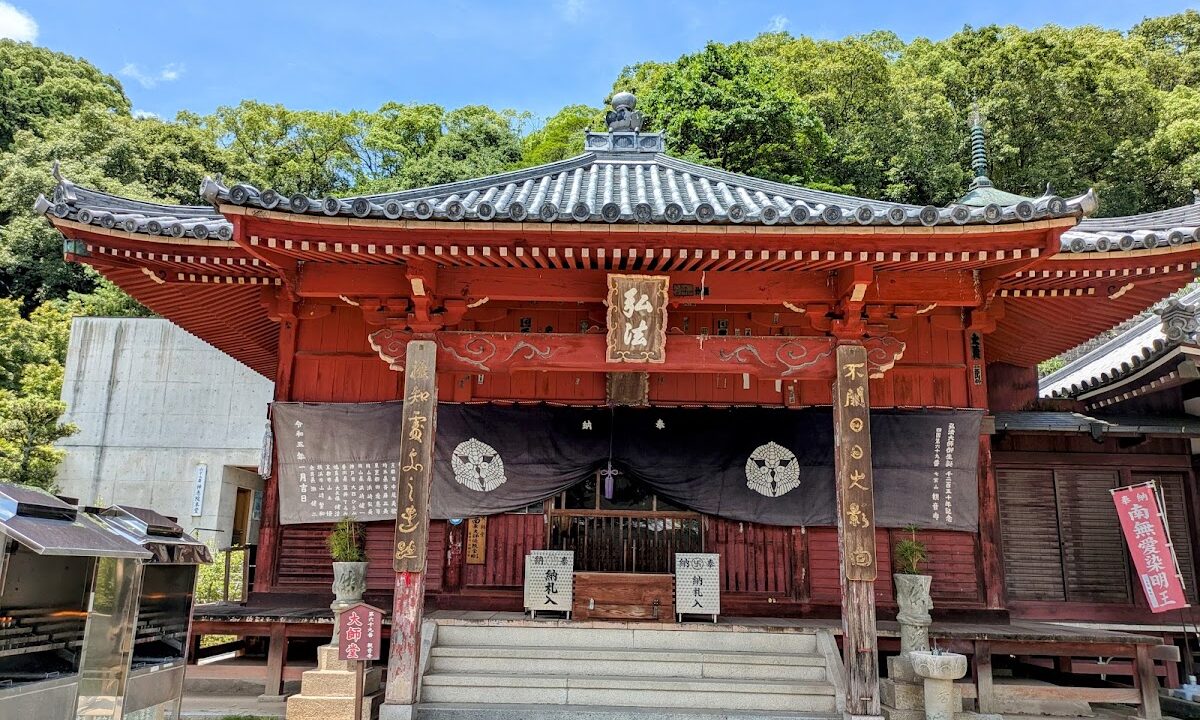
The main hall of Kannonji Temple is a valuable building designated as a National Important Cultural Property. This imposing building, characterized by its vermilion pillars, preserves the architectural style of the mid-Edo period. Inside the main hall, the principal image, the Holy Kannon Bodhisattva, is enshrined, creating a solemn atmosphere.
The architectural style of the main hall is characteristic of Shingon Buddhist temples, with meticulous decorations down to the smallest detail. Visitors can chant sutras in front of the main hall and receive a temple stamp (Goshuin) at the sutra copying office.
Daishido Hall
The Daishido Hall, dedicated to Kobo Daishi, is an important place of worship for pilgrims, alongside the main hall. Here, sutras such as the Heart Sutra are chanted with gratitude to Kobo Daishi. As a basic custom when visiting the 88 temples of Shikoku, it is recommended to visit both the main hall and the Daishido Hall.
Gigien Garden
Within the temple grounds is a beautiful dry landscape garden called “Gigien Garden.” This garden exudes a tranquil atmosphere, providing a calming space for visitors. The garden, composed of white sand and stone arrangements, embodies the spirit of Zen, offering beautiful scenery regardless of the season.
Relationship with Jin’ein Temple
As mentioned above, a major characteristic of Kannonji Temple is that it shares its grounds with Jin’ein Temple, the 68th temple on the Shikoku Pilgrimage. While the 88 temples of the Shikoku Pilgrimage are usually located in separate places, here you can visit two temples in a single visit. This makes it an efficient pilgrimage route for both Edo-period pilgrims and modern-day pilgrims.
The two temples have a deep historical relationship and were once operated as a single entity, serving as the head temple of Kotohiki Hachimangu Shrine. Even today, they share grounds but function as independent temples.
Kotohiki Park and Surrounding Attractions
Kotohiki Park
Kotohiki Park, where Kannonji Temple is located, is one of Kagawa Prefecture’s representative scenic spots. Designated as part of the Seto Inland Sea National Park, it is known as a spectacular viewpoint overlooking the Hiuchi Sea. Walking paths are maintained within the park, allowing visitors to enjoy a stroll while appreciating nature. ### The Kan’ei Tsūhō Sand Painting
A famous attraction at Kotohiki Park is the gigantic sand painting of the Kan’ei Tsūhō coin, drawn in the sand of Ariake Beach. Measuring a magnificent 122 meters east-west and 90 meters north-south, the entire painting can be viewed from the observation deck on Kotohiki Mountain. This sand painting is believed to have been created in the early Edo period and is still regularly maintained by local residents.
After visiting Kannonji Temple, extending your trip to the observation deck to view the Kan’ei Tsūhō sand painting is a classic sightseeing route in Kannonji City.
Kotohiki Hachimangu Shrine
Kotohiki Hachimangu Shrine, which has a deep historical connection to Kannonji Temple, is another place worth visiting in conjunction with the temple. This ancient shrine, dedicated to Emperor Ōjin, is located near the summit of Kotohiki Mountain. Before the separation of Shinto and Buddhism, it was integrated with Kannonji Temple and Jin’ein Temple, serving as the center of faith in this region.
Access Methods
Access by Train
Using the JR Yosan Line
- Approximately 25 minutes on foot from JR Kanonji Station
- Approximately 5 minutes by taxi from JR Kanonji Station
- Take a bus from JR Kanonji Station and get off at the “Kanonji” bus stop, then approximately 5 minutes on foot
Kanonji Station is a major station in western Kagawa Prefecture, easily accessible from both Takamatsu and Matsuyama. While the temple is some distance from the station, you can enjoy the natural beauty of Kotohiki Park on your walk.
Access by Car
Using the Expressway
- Approximately 15 minutes from the Takamatsu Expressway “Sanuki Toyonaka IC”
- Approximately 20 minutes from the Takamatsu Expressway “Oonohara IC”
Access by car is very convenient, and it’s possible to reach the temple from various locations within Kagawa Prefecture in about an hour.
Parking Information
Kanonji Temple has a free parking lot for visitors.
- Parking Capacity: Approximately 50 regular cars
- Fee: Free
- Operating Hours: Available all day
For visits by large bus, it is recommended to contact the temple in advance. It may be crowded during the pilgrimage season and on weekends, so it is recommended to allow ample time for your visit.
Visiting Information
Visiting Hours
- Opening Hours: 7:00 AM – 5:00 PM (may vary depending on the season)
- Temple Stamp Office Hours: 7:00 AM – 5:00 PM
Visiting outside of these hours is possible, but the issuance of temple stamps at the temple stamp office is limited to reception hours.
Admission Fee
Entry to the temple grounds is free. Visiting the main hall is also free.
Temple Offering Fee (Goshuin)
- Temple Book: 300 yen
- Hanging Scroll: 500 yen
- White Robe: 200 yen
You can receive the goshuin (temple stamps) for both Temple No. 68, Jin’ein, and Temple No. 69, Kannonji, at the same temple office.
Advice for Pilgrims
Those on the Shikoku 88 Temple Pilgrimage should pay attention to the following points:
- Order of Visits with Jin’ein: Officially, you should visit Temple No. 68, Jin’ein, first, before visiting Temple No. 69, Kannonji.
- Proper Worship: At both the main hall and the Daishi Hall, offer your votive slips and recite sutras.
- Attire: If you are wearing pilgrimage attire such as a white robe or straw hat, please wear it correctly within the temple grounds.
- Estimated Time Required: If visiting both Shinkeiin and Kannonji temples, please allow approximately 1 to 1.5 hours.
Nature of the Shippo Mountain Range
The mountain name of Kannonji temple, “Shippozan,” originates from the actual Shippo Mountain Range. Located near the coast in western Kagawa Prefecture, the Shippo Mountain Range is a mountain massif with peaks approximately 400 meters high running north-south.
The name originates from a legend that Kobo Daishi buried seven treasures there, and it is now a popular spot for mountain climbing and hiking. It can be reached by car via the Toyonaka-Shippo Mountain Forest Road, and the summit offers spectacular views of the Seto Inland Sea.
The entire Shippo Mountain Range area, including peaks such as Inazumiyama and Shihoyama, is also known as a hidden power spot, and the number of people visiting it in conjunction with a visit to Kannonji temple is increasing.
Annual Events
Kannonji temple holds various Buddhist events throughout the year.
Main Annual Events
- January 1st-3rd: Shusho-e (New Year’s Buddhist service)
- February 3rd: Setsubun-e (Bean-Throwing Festival)
- Spring Equinox: Higan-e Buddhist service
- August 13th-15th: Obon Festival
- Autumn Equinox: Higan-e Buddhist service
- December 31st: New Year’s Eve bell ringing
During these events, special Buddhist services are held, attracting many worshippers.
About Kanonji City
Kanonji City, where the temple is located, is a city in the western part of Kagawa Prefecture. The city’s name originates from Shichihōzan Kanonji Temple. It is a regional city with a population of approximately 60,000, characterized by a mild climate facing the Seto Inland Sea.
Kanonji City has flourished as a transportation hub since ancient times, and even today it is a conveniently located area with easy access via the JR Yosan Line and the Takamatsu Expressway. It boasts abundant tourist attractions, including Kanonji Temple, Kotohiki Park, the Hōnenike Dam (a nationally important cultural property), and the Zenigata sand painting, among many other sights.
Nearby Accommodations and Restaurants
Accommodations
Around Kanonji Temple, there are several temple lodgings for pilgrims, as well as regular hotels and inns. Many business hotels are located around JR Kanonji Station, allowing you to choose according to your budget and purpose.
There are also accommodations in and around Kotohiki Park with scenic views of the Seto Inland Sea, allowing you to enjoy a relaxing stay.
Restaurants
Kagawa Prefecture is famous for its udon noodles, and there are many delicious udon restaurants around Kanonji City. You can also enjoy dishes made with fresh seafood caught in the Seto Inland Sea.
Around Kannonji Station and along National Route 11, there are many restaurants, allowing you to enjoy a meal before or after your visit.
Manners and Precautions for Visiting the Temple
Basic Manners for Visiting the Temple
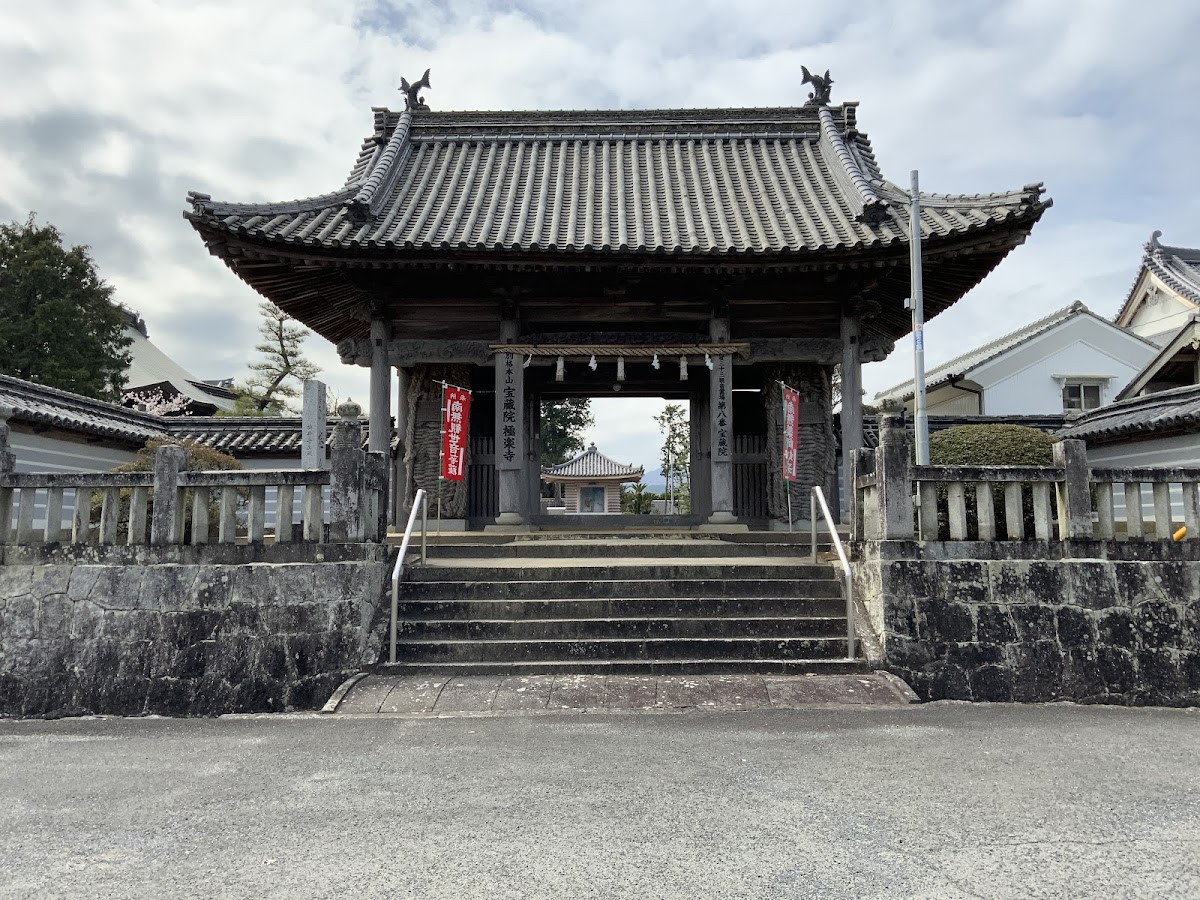
- Bow at the Temple Gate: When entering the temple grounds, bow at the temple gate before entering.
- Procedure for Washing Hands: Cleanse your hands and mouth at the water basin.
- Worship at the Main Hall: Place your offering slip, make a donation, ring the bell, and then clasp your hands together in prayer.
- Worship at the Daishi Hall: Worship in the same manner as at the main hall.
- Sutra Copying: After worshipping, receive your temple stamp at the sutra copying office.
Regarding Photography
Photography is generally permitted on the temple grounds, but consideration should be given to avoiding disturbing the inside of the main hall or other visitors. It is considered good manners to refrain from taking photos, especially during memorial services or when other worshippers are chanting.
Attire
There are no specific dress code requirements, but please wear clean clothing appropriate for visiting a temple. For those on a pilgrimage, formal attire such as a white robe and straw hat is recommended.
Summary
Shichihōzan Kannonji Temple is a venerable temple with a history of over 1300 years, and is the 69th temple on the Shikoku 88 Temple Pilgrimage, beloved by many pilgrims. It boasts numerous attractions, including the legend of Kobo Daishi burying seven treasures, the main hall designated as an Important Cultural Property, and a beautiful dry landscape garden.
It has the unique characteristic of being located within the same grounds as the 68th temple, Jin’ein, making it an efficient pilgrimage route where you can visit two temples in one visit. Combining a visit with nearby tourist spots such as the nature of Kotohiki Park and the Kan’ei Tsūhō sand painting will make for a more fulfilling sightseeing experience.
When you visit Kanonji City in Kagawa Prefecture, be sure to stop by Shichihōzan Kanonji Temple and experience its history, traditions, and beautiful scenery overlooking the Seto Inland Sea. Whether you are on a pilgrimage or just visiting as a tourist, this is a wonderful temple where you can spend a peaceful and relaxing time.