Gangoji Temple (Sanuki City, Kagawa Prefecture) Complete Guide | The National Important Cultural Property Seated Kannon Statue and History from the Nara Period
Located in Tsuda Korehiro, Nagao-cho, Sanuki City, Kagawa Prefecture, Gangoji Temple is an ancient temple of the Shingon sect, Zentsuji branch, with a history dating back to the Nara period. It houses a seated statue of Kannon made using the dry lacquer technique, designated as a National Important Cultural Property, and has a long history as a center of Buddhist culture in eastern Kagawa Prefecture. This article provides a detailed introduction to Gangoji Temple, including its history, cultural properties, highlights, and access information.
History and Origins of Gangoji Temple
Founded in the Nara Period
According to records, Gangoji Temple was founded in Tenchō 7 (830 AD) by Tetsuen. However, research on ancient roof tiles excavated from the former temple site suggests that a temple already existed there during the Nara period. This discovery reveals that Gangōji Temple has a history of over 1200 years, making it one of the oldest temples in eastern Kagawa Prefecture.
The Mountain and Temple Names of Seyakuzan Hiden-in
The official name of Gangōji Temple is Seyakuzan Hiden-in Gangōji. The names “Seyaku” and “Hiden” represent the practice of compassion in Buddhism, indicating the temple’s role in providing medicine to the sick and relief to the poor. These names reflect the social welfare functions that temples played from ancient to medieval times.
Location and Role in the Kamobe River Basin
Gangōji Temple is located in the middle reaches of the Kamobe River, which flows through Sanuki City. This region has been a vital transportation hub since ancient times and an important base for the transmission of central Buddhist culture from Nara and Kyoto to Shikoku. Multiple ancient temple ruins exist in the Kamobe River basin, indicating that this region was a place where Buddhist culture flourished from ancient times.
History of Fires and Reconstruction
Throughout its long history, Gankoji Temple has suffered several fires. Each time, after recorded destruction, it was rebuilt, leading to the current temple complex. Despite repeated disasters, the fact that important cultural properties have been preserved speaks to the deep faith of the local people and their efforts to protect cultural properties.
Relocation and Settlement at the Current Location
Because the former temple site and the current location are different, it is believed that Gankoji Temple experienced relocation in its history. The former temple site, where ancient roof tiles were unearthed, is thought to have been near the current location, and it is estimated that it was relocated to the present-day Zoda Korehiro site at some point in the medieval period. Further research is needed to determine the reasons and timing of this relocation.
The Charm of the National Important Cultural Property: Seated Kannon Statue
The Rare Technique of Dry Lacquer Construction
The Seated Kannon Statue owned by Gankoji Temple is a valuable Buddhist statue designated as a National Important Cultural Property. The most distinctive feature of this Buddha statue is that it was created using the dakkatsu kanshitsu-zukuri technique.
Dakkatsu kanshitsu-zukuri is a technique in which a clay model is created, multiple layers of hemp cloth are applied to it with lacquer, and after drying, the clay inside is removed, leaving a hollow structure. This technique was widely used during the Nara period, but due to the high cost of materials and the labor involved, it fell into disuse after the Heian period. Therefore, Buddha statues made using the dakkatsu kanshitsu technique are extremely rare throughout Japan and are extremely important resources for understanding Buddhist art of the Nara period.
The Stylistic Beauty of the Tenpyo Period
The seated statue of Sho Kannon is estimated to have been created during the late 8th century Tenpyo period. The statue is approximately 90 centimeters tall, making it a medium-sized seated statue. It strongly retains the characteristics of the Tenpyo period, considered the pinnacle of Buddhist sculpture, such as its gentle and elegant expression, well-proportioned physique, and flowing drapery.
The face is rounded, and the eyes are downcast, conveying a compassionate expression. The body is moderately full, exhibiting the ideal representation of the human form in Tenpyo-era sculpture. The folds of the robe are rendered naturally and gracefully, and a serene beauty emanates from the entire statue.
Connection to Central Buddhist Culture
The high artistic and technical level of this seated statue of Kannon suggests the possibility that it was created by a Buddhist sculptor active in Nara or Kyoto, or by an artisan who directly learned their techniques. The existence of such a masterpiece in the Shikoku region indicates that Gankoji Temple held considerable status in ancient times and had strong ties to the central government.
Special Viewing Opportunity
While the seated statue of Kannon is usually kept under strict security, it is available for special viewing on the 8th of each month, from 10:30 AM to noon. This opportunity to view national treasure-class cultural artifacts up close will be a valuable experience for Buddhist art enthusiasts and history buffs. Those wishing to visit are advised to check with the temple in advance.
Highlights and Grounds Guide of Gangoji Temple
Main Hall and Temple Layout
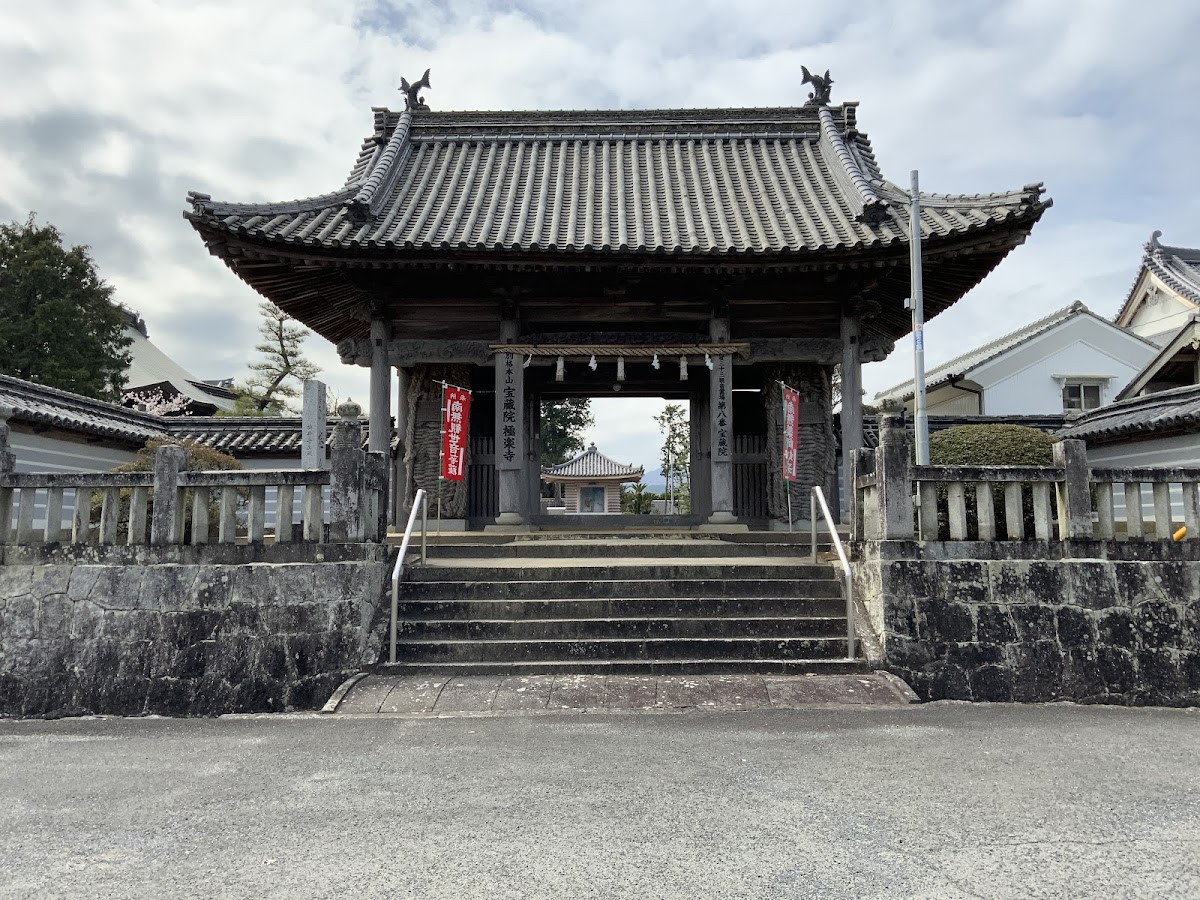
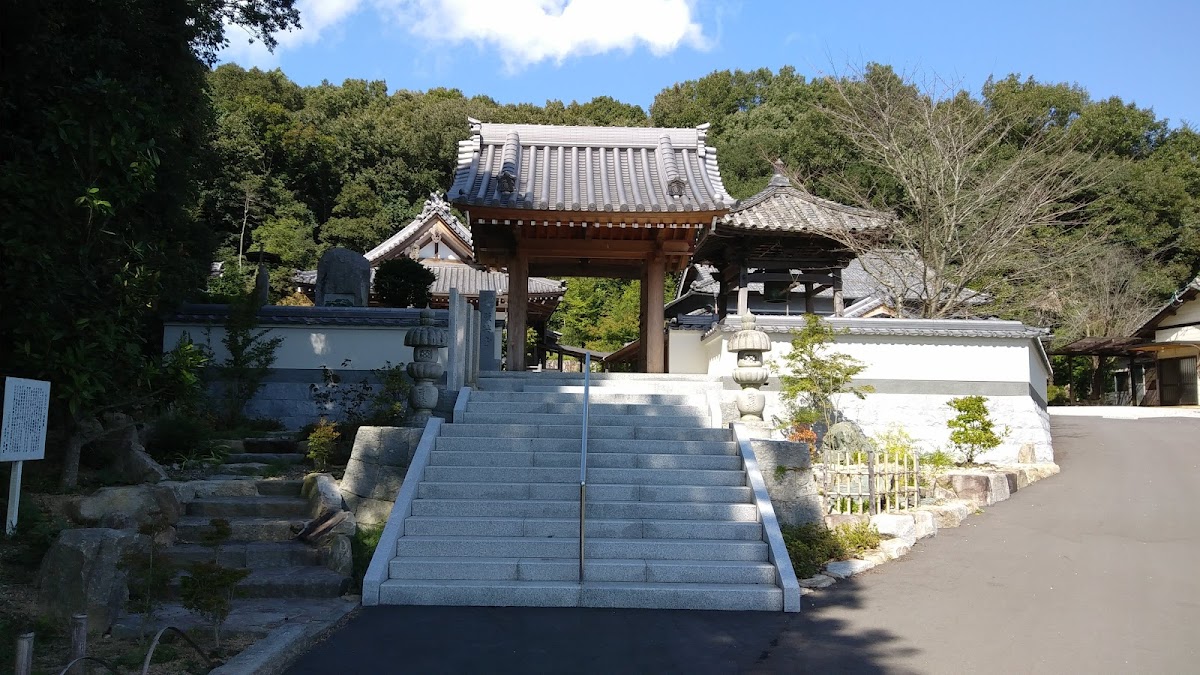
The current main hall of Gangoji Temple was rebuilt after a past fire, but it retains the traditional style of Shingon Buddhist temples. The temple grounds are located in a naturally rich environment in the middle reaches of the Kamobe River, allowing visitors to enjoy the beauty of the four seasons.
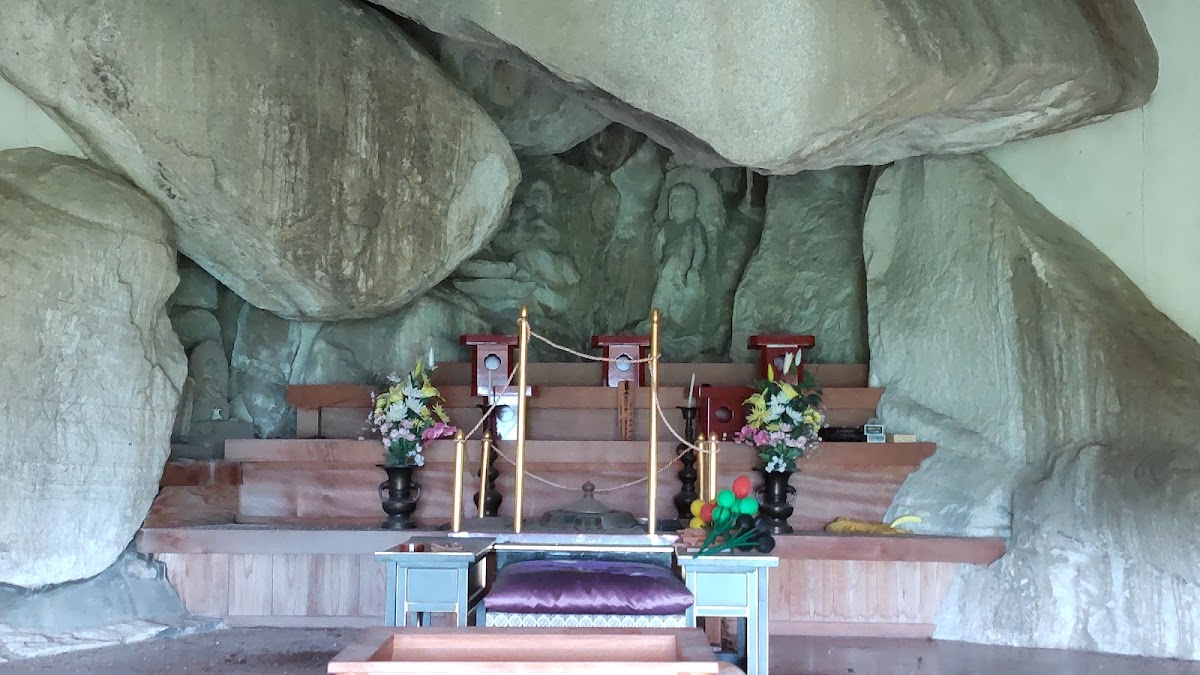
Inside the main hall, various Buddha statues, including the principal image, are enshrined, creating a solemn atmosphere characteristic of Shingon Buddhism. Visitors can find peace and tranquility in this peaceful environment to offer their prayers.
Saigoku 33 Kannon Pilgrimage
Gangoji Temple is home to the Saigoku 33 Kannon Pilgrimage. This temple, modeled after the 33 Kannon pilgrimage sites of Saigoku, houses 33 Kannon statues within its grounds, serving as a place of worship for those unable to travel to the distant sites.
It is believed that visiting these temple grounds grants the same merit as completing the Saigoku 33 pilgrimage, making it a popular destination for local worshippers. Each Kannon statue is carefully enshrined, receiving the prayers of visitors.
Former Temple Site and Excavated Artifacts
Valuable artifacts, including ancient roof tiles from the Nara period, have been unearthed from the former temple site of Gankoji Temple. These artifacts provide physical evidence confirming the founding of Gankoji Temple during the Nara period and offer important resources for the study of ancient Buddhist culture in eastern Kagawa Prefecture.
The patterns and manufacturing techniques of the excavated roof tiles share characteristics with those used in Nara temples, indicating cultural exchange with the central government. Some of these artifacts are preserved and displayed as cultural properties of Sanuki City.
The Seasonal Nature and Temple Grounds
Gangoji Temple’s grounds are surrounded by the rich natural beauty of eastern Kagawa Prefecture. Cherry blossoms bloom in spring, the greenery thrives in summer, the leaves turn vibrant colors in autumn, and a tranquil atmosphere prevails in winter. Experiencing the changing seasons while visiting is one of Gangoji Temple’s charms.
The temple grounds are home to many ancient trees, conveying the dignified atmosphere of a temple steeped in long history. Spending time in this peaceful environment, calming your mind, will be a precious moment away from the hustle and bustle of modern life.
Basic Information about Gangoji Temple
Temple Overview
- Official Name: Seyakuzan Hiden-in Gangoji Temple
- Sect: Shingon-shu Zentsuji-ha
- Principal Image: (Please contact the temple for details about the principal image)
- Founding: Nara period (Recorded as Tenchō 7, 830 AD)
- Chief Priest: Kashihara Kenchō
- Address: 1248 Zōda Korehiro, Nagao-cho, Sanuki City, Kagawa Prefecture
- Phone Number: 0879-52-3054
- Email Address: sanukigankouji@yahoo.co.jp
Cultural Properties
- Nationally Designated Important Cultural Property: Seated Kannon Statue (Dry Lacquer) (Tenpyō period, late 8th century)
Special Viewing Days
- Viewing of the Seated Kannon Statue: Every 8th of the month, 10:30 AM – 12:00 PM
- *Those wishing to view the statue are advised to contact the temple in advance.
Access Information
Access by Train
The nearest station to Gangoji Temple is JR Kotoku Line “Zoda Station”.
- From Takamatsu Station: Approximately 30 minutes on the JR Kotoku Line, alight at Zoda Station.
- From Zoda Station to Gangoji Temple: Approximately 15-20 minutes on foot, or approximately 5 minutes by taxi.
Zoda Station is a relatively small station, but it serves as the gateway to Gangoji Temple. The walk from the station to the temple offers a pleasant stroll through idyllic rural scenery.
Access by Car
- From Takamatsu City: Approximately 40 minutes via National Route 11 or prefectural roads.
- From Takamatsu Expressway Shido IC: Approximately 15 minutes.
- Parking: There is parking space for visitors on the temple grounds (please contact the temple for details).
If using a car navigation system, please search for “1248 Zoda Korehiro, Nagao-cho, Sanuki City, Kagawa Prefecture” or the phone number “0879-52-3054”.
Nearby Tourist Attractions
When visiting Gangoji Temple, we recommend also visiting other tourist attractions in Sanuki City.
- Nagaoji Temple: The 87th temple of the Shikoku 88 Temple Pilgrimage. Approximately 10 minutes by car from Gangoji Temple.
- Okuboji Temple: The 88th temple of the Shikoku 88 Temple Pilgrimage (the final temple). Approximately 20 minutes by car from Gangoji Temple.
- Tsuda no Matsubara: A beautiful pine forest facing the Seto Inland Sea. Approximately 25 minutes by car from Gangoji Temple
- Sanuki City Historical and Folk Museum: A facility where you can learn about the history and culture of the region
Sanuki City is the final stop on the Shikoku Pilgrimage and is a region rich in history and culture. Starting with a visit to Gangoji Temple, you can make your trip more fulfilling by visiting surrounding temples, shrines, and tourist attractions.
Etiquette and Manners for Visiting Gangoji Temple
Basic Manners for Visiting Temples
When visiting Gangoji Temple, please observe the following basic manners for visiting temples.
- Be Quiet: Act quietly on the temple grounds and be considerate of other visitors.
- Photography: Photography inside the main hall and of Buddha statues is prohibited in principle. Please obtain permission before taking photographs on the temple grounds, if necessary.
- Dress Code: Avoid overly revealing clothing and dress appropriately for a temple.
- Smoking and Eating: Please refrain from smoking or eating on the temple grounds.
- Offerings: Please offer your money respectfully and bow quietly with clasped hands.
Precautions When Viewing the Seated Kannon Statue
When viewing the Seated Kannon Statue, a National Important Cultural Property, please pay particular attention to the following points.
- Check Visiting Hours: Visiting is only possible on the 8th of each month from 10:30 AM to noon.
- Prior Contact: If possible, contact the temple in advance to confirm whether visiting is possible.
- No Photography: For the protection of cultural properties, photography of Buddhist statues is strictly prohibited.
- Do Not Touch: Absolutely do not touch the Buddhist statues or exhibits.
- Appreciate Quietly: Please appreciate quietly so as not to disturb other visitors.
Shingon Buddhist Etiquette
Gankoji Temple is a temple of the Shingon sect, Zentsuji branch. Knowing the basic Shingon Buddhist worship etiquette will allow for a more heartfelt visit.
- Gassho (prayer with hands clasped): Bring both hands together in front of your chest and pray with sincerity.
- How to chant the mantra: It is common to chant “Namu Daishi Henjo Kongo.”
- How to hold the prayer beads: In Shingon Buddhism, the prayer beads are placed on both hands and then joined in prayer.
The History and Culture of Sanuki City and the Position of Gangoji Temple
Buddhist Culture in Ancient Sanuki Province
Ancient Sanuki Province (present-day Kagawa Prefecture) was a key point for maritime traffic in the Seto Inland Sea, and was a region where central culture flowed in early. During the Nara period, provincial temples (Kokubunji and Kokubun-niji) were built, and Buddhist culture flourished.
The area around Sanuki City (formerly Nagao Town), where Gangoji Temple is located, has been a region where many temples were built since ancient times, and several ancient temple sites have been confirmed in the Kamobe River basin. Gangoji Temple, as one of the oldest temples among them, has played a central role in the region’s Buddhist culture.
Connection to the Shikoku Pilgrimage
While Gankoji Temple itself is not included in the Shikoku 88 Temple Pilgrimage, Sanuki City is home to Nagao-ji Temple (Temple No. 87) and Okubo-ji Temple (Temple No. 88, the final temple of the pilgrimage). Gankoji Temple is known as a temple visited by pilgrims on these pilgrimage sites, and thus has deep ties to Shikoku’s pilgrimage culture.
The Saigoku 33 Kannon Pilgrimage sites located within the temple grounds have also been cherished by local people as part of their pilgrimage faith. When visiting the Shikoku Pilgrimage, extending your visit to Gankoji Temple will allow for a deeper pilgrimage experience.
Connection to the Local Community
Gankoji Temple has been deeply connected to the local community for over 1200 years. As its name, Seyakuzan Hiden-in, suggests, it is believed to have played a social welfare role from ancient to medieval times, providing medical care to the sick and relief to the poor.
Even today, Gankoji Temple remains a center of faith for the local people and plays a vital role in the protection and preservation of cultural properties. On the 8th of each month, the special viewing day for the seated statue of Kannon, many worshippers from both within and outside the region visit, making it a hub for local culture.
Current Status and Future Challenges of Gankoji Temple Research
Results of Archaeological Investigations
Analysis of ancient roof tiles excavated from the former temple site has revealed that Gankoji Temple was founded during the Nara period. These ancient tiles were produced using techniques similar to those used in Nara temples, indicating a strong cultural connection with the central government.
Further detailed excavations of the former temple site are expected to clarify the original layout of the temple complex, the size of the temple grounds, and the historical position of Gankoji Temple.
Art Historical Study of the Seated Kannon Statue
The seated statue of Kannon, made using the dry lacquer technique, is highly regarded as a masterpiece of Tenpyo-era sculpture. However, many aspects of its creation, including the workshop, the sculptor, and the circumstances surrounding its production, remain unclear.
Research into material analysis and production techniques using the latest scientific methods could yield new insights into the background of this statue’s creation and the reception of central Buddhist culture in local temples during the Nara period.
Excavation and Analysis of Historical Documents
Many aspects of the history of Gankoji Temple remain unclear. Further excavation and detailed analysis of historical documents are needed to understand the temple’s transformation from the medieval to the early modern period, the formation of the danka system (parishioner system), and its relationship with the local community.
Investigation of local historical documents and records passed down within the temple would provide a clearer overall picture of Gankoji Temple and significantly contribute to historical research in Sanuki City.
Summary: The Value and Charm of Gankoji Temple
Gankoji Temple in Sanuki City, Kagawa Prefecture, boasts a long history dating back to the Nara period and is a representative ancient temple of eastern Kagawa Prefecture, housing a nationally important cultural property: a seated statue of the Holy Kannon made using the dry lacquer technique.
Located in a naturally rich environment in the middle reaches of the Kamobe River, it conveys the spirit of compassion indicated by its name, Seyakuzan Hiden-in. The elegant seated statue of the Holy Kannon from the Tenpyo period is available for special viewing on the 8th of each month, offering a rare opportunity to appreciate the essence of Nara period Buddhist art up close.
In Sanuki City, the final destination of the Shikoku Pilgrimage, Gankoji Temple is an important cultural asset that conveys the history and culture of the region, a place that offers visitors peace of mind and a sense of historical depth.
Its convenient access, within walking distance of JR Kotoku Line Zoda Station, is also one of its attractions. When visiting Kagawa Prefecture, be sure to stop by Gankoji Temple and spend some quiet time in a space steeped in over 1200 years of history.
For history buffs, Buddhist art enthusiasts, Shikoku pilgrims, and anyone seeking peace of mind, Gankoji Temple is a special place well worth visiting.