Gokurakuji Temple (Sanuki City, Kagawa Prefecture) Complete Guide | History, Cultural Properties, and Visiting Information
Located in Nagao-Higashi, Sanuki City, Kagawa Prefecture, Hozoin Gokurakuji Temple is a Shingon sect Daikakuji branch temple with a history of approximately 1,280 years. This temple houses several nationally important cultural properties and is also known as the eighth temple on the Sanuki Thirty-Three Kannon Pilgrimage. This guide provides a detailed overview of the temple, from its history to visiting information.
Basic Information about Gokurakuji Temple
Temple Overview
Official Name: Shiunzan Hozoin Gokurakuji
Sect: Shingon-shu Daikakuji-ha Special Head Temple
Mountain Name: Shiunzan
Temple Name: Hozoin
Principal Image: Wooden Standing Statue of Yakushi Nyorai (National Important Cultural Property)
Pilgrimage Site: Eighth Temple of the Sanuki Thirty-Three Kannon Pilgrimage
Address: 1194 Nagao Higashi, Sanuki City, Kagawa Prefecture 769-2302
Telephone: It is recommended to confirm in advance before making an inquiry.
Access Method
Access by Train:
- Approximately 19 minutes on foot (approx. 1.5 km) from JR Kotoku Line “Nagao Station”
- Accessible via the prefectural road, heading southeast from Nagao Station
Access by Car:
- Approximately 15 minutes from the Shido Interchange on the Takamatsu Expressway
- Parking available (for visitors)
Access by Bus:
- Community buses are also available from around Nagao Station (check timetable)
History of Gokuraku-ji Temple
Founding and Early Period
The history of Gokuraku-ji Temple dates back to the Tenpyo era (729-749). It is said to have been founded by Gyoki Bodhisattva in the present-day Ishida-Higashi area of Sanuki City. At the founding site, ruins believed to date back to the early Hakuhō period (late 7th century) have been discovered, and the foundation stones of the corridor confirm that it had a Shitennoji-style temple layout.
At the time of its founding, Gokuraku-ji Temple flourished as one of the centers of Buddhist culture in Sanuki Province. Gyoki was a high-ranking monk who dedicated himself to temple construction and social work throughout Japan, and Gokuraku-ji Temple was built as part of his activities.
History of Fire and Relocation
In 809 (Daido 4), Gokuraku-ji Temple was struck by a large fire, and most of its buildings were destroyed. It was subsequently rebuilt in Kamobe Higashiyama (present-day Kamobe district, Sanuki City).
It is said that Kobo Daishi Kukai was deeply involved in this reconstruction. When Kobo Daishi returned to Sanuki to repair Manno Pond, he is said to have also contributed to the reconstruction of Gokuraku-ji Temple, and since then, it has developed as a Shingon Buddhist temple.
Relocation to the Current Location
During the Kamakura and Muromachi periods, Gokuraku-ji Temple experienced another relocation. It is believed that it moved to its current location in Nagao Higashi during this time. The Nagao district has long been an important location in Sanuki Province and was an excellent location for a temple.
During the Edo period, under the patronage of the Takamatsu Domain, the temple was developed and its current appearance was formed. It holds the status of a special head temple of the Daikaku-ji branch of Shingon Buddhism and has played an important role as a center of faith in the region. ## Nationally Designated Important Cultural Property
Gokuraku-ji Temple is known for possessing several nationally designated important cultural properties.
Wooden Standing Statue of Yakushi Nyorai
The principal image, a wooden standing statue of Yakushi Nyorai, is designated as a nationally important cultural property. Believed to be a work from the late Heian period, it is an elegant Buddha statue created using the single-block carving technique.
Yakushi Nyorai, as the principal deity of the Eastern Pure Land, has attracted the faith of people praying for healing from illness and longevity. The statue is approximately 90 centimeters tall and is characterized by its serene expression and flowing drapery.
It is in excellent condition and is a valuable cultural property that conveys the style of Heian period Buddhist sculpture. It is usually enshrined in a shrine and is only unveiled on special occasions.
Silk Painting of the Ryokai Mandala
The silk painting of the Ryokai Mandala, formerly owned by Gokuraku-ji Temple, is also designated as a nationally important cultural property. It is currently on loan to the Tokyo National Museum and is occasionally on public display.
The Ryokai Mandala is a visual representation of the fundamental philosophy of Shingon Esoteric Buddhism, consisting of two scrolls: the Taizokai Mandala and the Kongokai Mandala. The mandala at Gokuraku-ji Temple is estimated to have been created during the Kamakura period and is characterized by its meticulous depiction and vibrant colors.
As a Shingon Buddhist temple, it is an important cultural asset that tells the story of Gokuraku-ji Temple’s history of possessing excellent examples of Esoteric Buddhist art.
Eighth Temple of the Sanuki Thirty-Three Kannon Pilgrimage
Gokuraku-ji Temple is the eighth temple of the Sanuki Thirty-Three Kannon Pilgrimage, attracting many pilgrims.
What is the Sanuki Thirty-Three Kannon Pilgrimage?
The Sanuki Thirty-Three Kannon Pilgrimage is a pilgrimage route visiting 33 temples in Kagawa Prefecture that enshrine Kannon Bodhisattva. Alongside the Saigoku Thirty-Three Kannon Pilgrimage and the Shikoku Eighty-Eight Temple Pilgrimage, it is one of the important pilgrimage routes in the Shikoku region.
Kannon worship has been popular in Japan since ancient times, and the number 33 originates from the teachings of the Lotus Sutra, which states that Kannon Bodhisattva transforms into 33 different forms to save sentient beings.
Role as the Eighth Temple
Gokuraku-ji Temple, as the eighth temple on the pilgrimage, has played a central role in Kannon worship in the Nagao area. Within the temple grounds is the Kannon Hall, where the Eleven-Faced Kannon Bodhisattva is enshrined.
Pilgrims can receive a Goshuin (temple stamp) at the temple office, which is cherished as proof of their pilgrimage. During the spring and autumn pilgrimage seasons, it is bustling with many visitors.
Highlights of the Temple Grounds
Main Hall
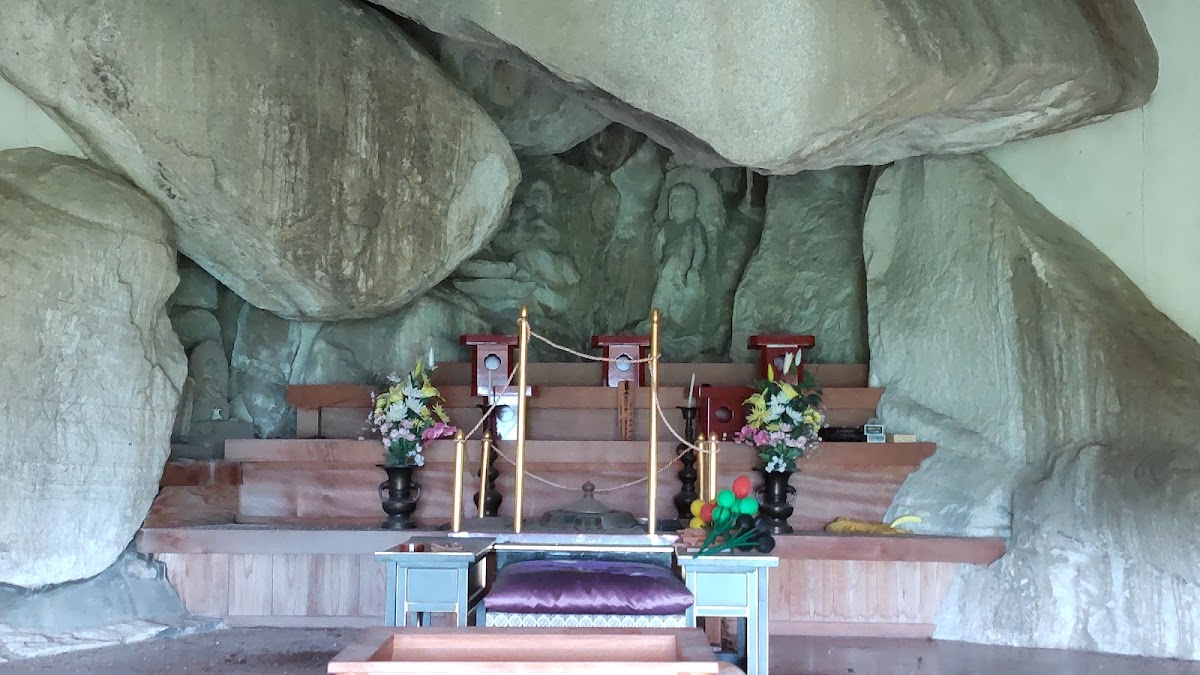
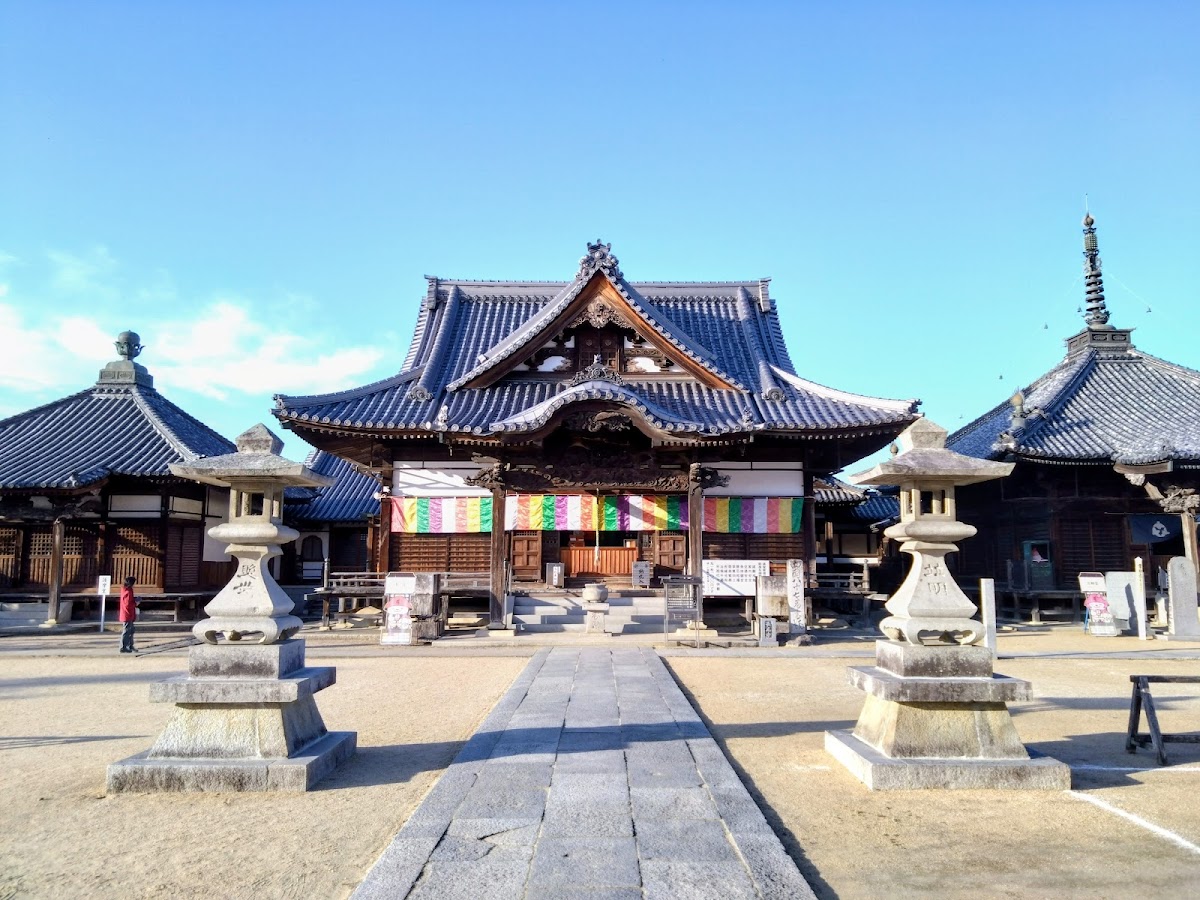
The main hall is a building that retains the architectural style of the mid-Edo period, characterized by its hip-and-gable roof with tiled roofing. The inner sanctuary houses the principal image, a standing statue of Yakushi Nyorai (Medicine Buddha), creating a solemn atmosphere.
As is typical of Shingon Buddhist temples, the hall is adorned with esoteric Buddhist implements and paintings, and esoteric Buddhist rituals such as Goma fire ceremonies are performed here.
Kannon Hall
The Kannon Hall, which enshrines the Eleven-Faced Kannon Bodhisattva, the principal image of the eighth temple of the Sanuki Thirty-Three Kannon Pilgrimage, is located beside the main hall. Though small, the meticulously crafted hall reflects the deep devotion to Kannon.
Nature of the Temple Grounds
The grounds of Gokuraku-ji Temple are blessed with nature that changes with the seasons. Cherry blossoms bloom in spring, the greenery is lush in summer, the autumn leaves are beautiful, and winter is enveloped in a tranquil atmosphere.
Especially during the autumn foliage season, the maple and ginkgo trees on the grounds change color, attracting many visitors. It is a beloved place where people can find peace of mind and pray in a quiet environment. ### Stone Sculptures
Numerous stone Buddha statues and pagodas dating from the Edo period to the modern era remain on the temple grounds. These are valuable historical materials that tell the story of the faith of the local people.
In particular, the Jizo Bodhisattva statues lining the approach to the temple convey the local faith of praying for the health and safety of children.
Goshuin (Temple Seal) Information
Types of Goshuin
At Gokuraku-ji Temple, you can receive the following goshuin:
- Main Deity Goshuin: A goshuin of Yakushi Nyorai (Medicine Buddha)
- Sanuki Thirty-Three Kannon Pilgrimage Goshuin: A goshuin as the eighth temple on the pilgrimage route
- Special Goshuin: A limited edition goshuin given out during certain seasons or special ceremonies
Electronic Goshuin
Gokuraku-ji Temple also offers electronic goshuin to keep up with the times. You can receive a digital goshuin through a dedicated app or service.
Goshuin (Temple Stamp) Reception Hours
The reception hours for Goshuin are usually from 9:00 AM to around 4:00 PM, but these may change due to religious services or events. If you wish to be sure to receive a Goshuin, we recommend confirming by phone in advance.
Annual Events
Main Annual Events
Gokuraku-ji Temple, as a Shingon Buddhist temple, holds various annual events.
Hatsumode (January 1st-3rd): The temple is bustling with New Year’s visitors, and prayers for family safety and good health are offered.
Setsubun-e (Around February 3rd): Bean-throwing and prayers for warding off evil are held, with participation from local residents.
Spring Equinox Service (March): A memorial service for ancestors is held.
Hanamatsuri (Flower Festival) (April 8th): A memorial service celebrating the birth of Buddha, with sweet tea being served.
Yakushi Nyorai Festival Day: Every 8th of the month is a festival day for Yakushi Nyorai (Medicine Buddha), and special prayers are offered.
Autumn Equinox Service (September): Similar to the spring service, a memorial service for ancestors is held.
New Year’s Eve Bell Ringing (December 31st): On New Year’s Eve, the temple bell is rung, and visitors are welcome to ring it.
Manners and Precautions for Visiting the Temple
Proper Way to Visit the Temple
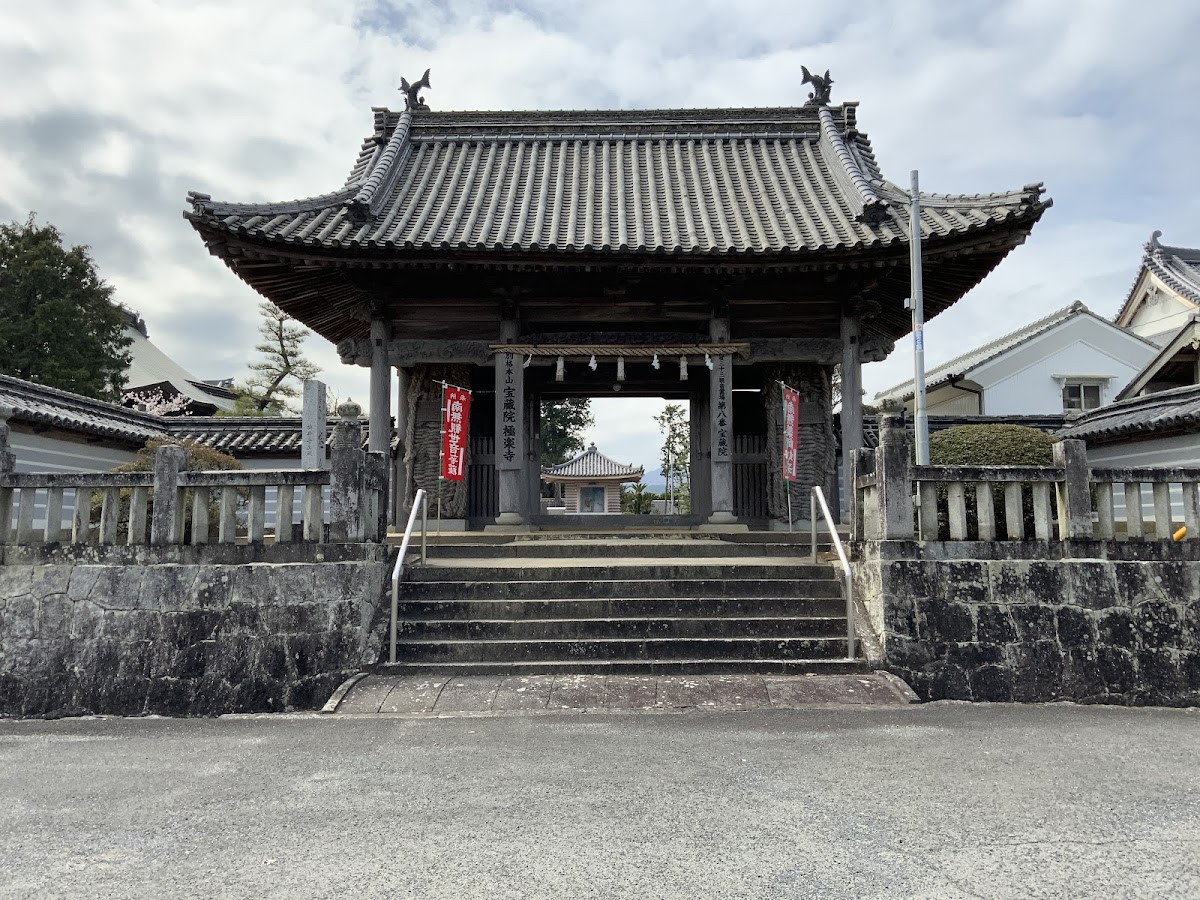
- Bow at the Temple Gate: Bow at the temple gate before entering the temple grounds.
- Purification at the Water Basin: Purify your hands and mouth before praying.
- Praying at the Main Hall: Join your hands in prayer in front of the main hall and offer your prayers quietly.
- Praying at the Kannon Hall: Those on a pilgrimage should also pray at the Kannon Hall.
Photography Guidelines
Photography is generally permitted within the temple grounds, but photography inside the main hall and of Buddha statues may be prohibited. Please be considerate of other visitors when taking photographs.
Dress Code
There are no specific dress code requirements, but please dress appropriately and respectfully, in a clean and modest manner befitting a sacred place like a temple.
Nearby Tourist Attractions
Nagao-ji Temple
Nagao-ji Temple, the 87th temple of the Shikoku 88 Temple Pilgrimage, is approximately a 5-minute drive from Gokuraku-ji Temple. Many visitors combine their visits with a visit to Gokuraku-ji Temple.
Hiraga Gennai Memorial Museum
A memorial museum for Hiraga Gennai, an Edo-period inventor born in Sanuki City, is located nearby. You can learn about Gennai’s life and achievements.
Kamezuru Park
A beautiful park located in the Nagao area, known for its cherry blossoms and irises. It is bustling with many flower viewers in the spring.
Sanuki City Historical and Folk Museum
This museum provides a glimpse into the history and culture of the Nagao district, and also exhibits materials related to Gokuraku-ji Temple.
Connections with the Community
Center of Local Faith
Gokuraku-ji Temple has been deeply rooted in the community for 1,280 years, serving as the center of faith in the Nagao district. It maintains deep ties with the local community through funerals, memorial services, and annual events.
Protection of Cultural Properties
As a temple housing nationally important cultural properties, it is committed to the protection and preservation of these cultural assets. It also plays a role in passing on the region’s history and culture to future generations.
Participation in Local Events
The temple is also used as a venue for local events such as the “A-Un Tea Ceremony,” serving as a hub for the local community. It opens its doors to the public and values interaction with local residents.
The Charm of Gokuraku-ji Temple
Layers of History
From its founding in the Tenpyo era, to its relocation due to fire, and its development at its current location, the layered history spanning 1,280 years is the greatest charm of Gokuraku-ji Temple. The forms of faith in each era are etched throughout the temple grounds.
Value of Important Cultural Properties
The possession of nationally designated Important Cultural Properties, such as the standing statue of Yakushi Nyorai from the Heian period and the Ryokai Mandala from the Kamakura period, demonstrates the temple’s prestige and historical value.
Significance as a Sacred Site
As the eighth temple on the Sanuki Thirty-Three Kannon Pilgrimage, it continues to be a center of Kannon worship. Through pilgrimage culture, connections have been forged with many people.
Tranquil Environment
Located in the quiet environment of the Nagao district, it is a place where you can escape the hustle and bustle of the city and find peace of mind. You can enjoy a leisurely visit while appreciating the changing seasons.
Summary of Visiting Information
Location: 1194 Nagao-Higashi, Sanuki City, Kagawa Prefecture 769-2302
Sect: Shingon-shu Daikakuji-ha Special Head Temple
Principal Image: Wooden Standing Statue of Yakushi Nyorai (National Important Cultural Property)
Pilgrimage Site: Eighth Temple of the Sanuki Thirty-Three Kannon Pilgrimage
Visiting Hours: Grounds are freely accessible (Please check for entry into the main hall)
Admission Fee: Free (Donations welcome)
Goshuin (Temple Stamp) Reception: Approximately 9:00 AM to 4:00 PM (Please check)
Parking: Available (Free)
Access: Approximately 19 minutes on foot from JR Nagao Station, approximately 15 minutes by car from Shido IC
Inquiries: We recommend calling ahead to confirm
Summary
Hozoin Gokurakuji Temple, located in Nagao-Higashi, Sanuki City, Kagawa Prefecture, is a prestigious temple of the Daikakuji branch of the Shingon sect, boasting a history of approximately 1,280 years since its founding during the Tenpyo era. Founded by Gyoki, it has a long history of supporting local faith, including its connection to Kobo Daishi Kukai and its relocation to its current site.
It houses valuable cultural assets, such as a wooden standing statue of Yakushi Nyorai (Medicine Buddha), a nationally designated Important Cultural Property, and a silk painting of the Ryokai Mandala. It also plays an important role as the eighth temple on the Sanuki Thirty-Three Kannon Pilgrimage.
The temple grounds are blessed with nature throughout the seasons, and its tranquil environment makes it a popular place for worship, not only for locals but also for visitors and tourists from afar. The temple offers multiple types of goshuin (temple stamps) and also supports electronic goshuin, demonstrating its commitment to adapting to modern times while preserving tradition.
Its convenient location, within walking distance of Nagao Station, is a major draw, and other tourist attractions such as Nagao-ji Temple and the Hiraga Gennai Memorial Museum are scattered throughout the surrounding area. When visiting Sanuki City, be sure to stop by Gokuraku-ji Temple and experience its history and culture.
As a temple that preserves the traditions of Shingon Esoteric Buddhism, a center of local faith, and a guardian of precious cultural assets, Gokuraku-ji Temple will undoubtedly continue to be cherished by many people for years to come.