Complete Guide to Saikyoji Okunoin (Kagawa Prefecture): Kukai’s Unfinished Cliffside Buddha and the Mystery of the Volcano
What is Saikyoji Okunoin?
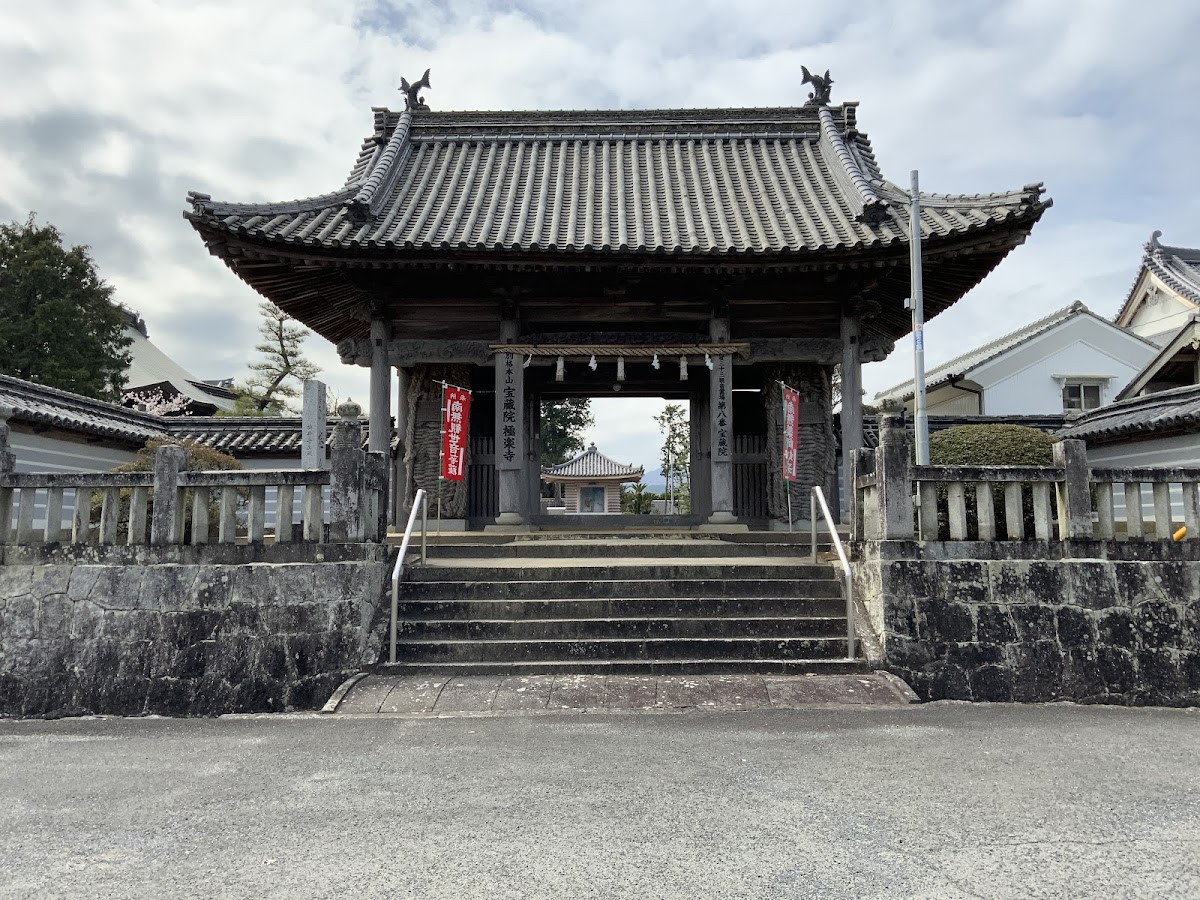
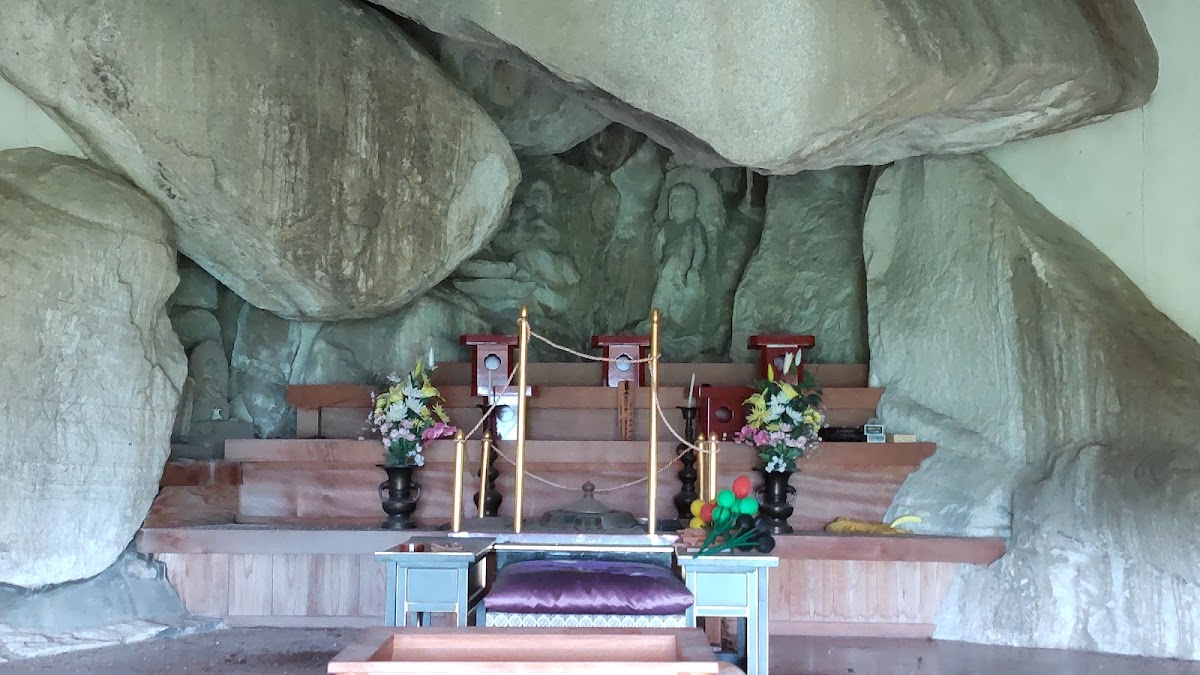
Saikyoji Okunoin is a sacred site of Saikyoji Temple, located in Okawa-cho, Sanuki City, Kagawa Prefecture. Situated on the mountainside (157.7m above sea level) of Mount Hiyama (245m above sea level), it is a mystical and sacred place. This Okunoin enshrines a cliffside Buddha carved by Kobo Daishi Kukai, which he attempted to complete in a single night but left unfinished. It forms an important part of the Shikoku Pilgrimage culture.
Saikyoji Temple itself belongs to the Shingon sect, Zentsuji branch, and its principal image is Amida Buddha. As the 8th temple on the New Shikoku Mandala Pilgrimage, it welcomes many visitors. However, the Okunoin has a unique atmosphere distinct from the main hall, offering a profound spiritual experience as a space where mountain worship and esoteric Buddhism merge.
History and Founding of Saikyo-ji Temple
Founded by Gyoki
The history of Saikyo-ji Temple dates back to the late Nara period. It is said that this temple was founded by the eminent monk Gyoki Bodhisattva, who dedicated himself to the relief of the common people. Gyoki was a representative monk of the Nara period and is known for establishing temples and social welfare facilities throughout Japan.
At the time Gyoki founded Saikyo-ji Temple, this area was located in the eastern part of Sanuki Province and was a transportation hub facing the Seto Inland Sea. It is believed that Gyoki built the temple in this location as a center of faith for the people and as a resting place for travelers.
Deep Connection with Kukai
An indispensable part of discussing the history of Saikyo-ji Temple and its inner sanctuary is its connection to Kobo Daishi Kukai. Kukai was from Sanuki Province (present-day Kagawa Prefecture), and many temples and legends associated with Kukai remain in this region.
After returning from Tang China, Kukai is said to have visited Saikyo-ji Temple during his travels through his hometown of Sanuki. It is said that he was moved by the spiritual energy of the volcano towering behind the temple and sought a place for ascetic practice in the mountains. It was at this time that Kukai attempted to carve a rock-carved Buddha, which is the origin of the present-day Okunoin (inner sanctuary).
Legend of the Okunoin: The One-Night Construction and the Mischief of the Amanojaku
Kukai’s Vow to Complete the Construction in One Night
The most famous legend associated with the Okunoin of Saikyo-ji Temple is the story of the “One-Night Construction.” Kukai climbed to the middle of the volcano and made a grand vow to complete the rock-carved Buddha in a single night. This vow to complete the construction in one night has attracted much faith as it demonstrates Kukai’s superhuman ascetic abilities and deep devotion to Buddhism.
Kukai continued carving the Buddha image into the rock face throughout the night. Under the moonlight, with only the sounds of chisels and hammers echoing through the silent mountains, the rock-carved Buddha gradually took shape. Kukai’s concentration and skill were extraordinary, and it is said that it was almost complete by dawn.
The Mischievous Demon’s Rooster Crowing
However, just as completion was imminent, an unexpected event occurred. An Amanojaku (a type of mischievous demon) attempted to sabotage Kukai’s great achievement by mimicking the crowing of a rooster before dawn.
The Amanojaku is a yokai (supernatural creature) from Japanese folklore, said to have the nature of hindering or contradicting human actions. In this legend, the Amanojaku falsely announced dawn to prevent Kukai’s feat of completing the statue in one night.
The Unfinished Rock-Carved Buddha
Hearing the rooster crowing, Kukai mistakenly believed that dawn had arrived and judged that his vow to complete the statue in one night had been broken. Kukai was deeply saddened, but since his vow could not be fulfilled, he decided he could not continue carving any further. It is said that he left the rock-carved Buddha unfinished and headed to his next destination, Okubo-ji Temple.
This unfinished rock-carved Buddha is the principal image of the inner sanctuary of Saikyo-ji Temple. Precisely because it is incomplete, it deeply moves many visitors as a sacred site that conveys Kukai’s human side and the rigor of his ascetic training.
The Rock-Carved Buddha of the Inner Sanctuary: A Crystallization of Art and Faith
Characteristics of the Rock-Carved Buddha
The rock-carved Buddha of Saikyo-ji Temple’s inner sanctuary is a Buddha statue carved directly into a natural rock face. While rock-carved Buddhas exist throughout Japan, those attributed to Kukai are treated as particularly valuable cultural assets.
Because the rock-carved Buddha of the inner sanctuary is unfinished, it is also a valuable resource for observing the carving process and techniques. From the completed parts, one can sense Kukai’s exceptional carving skills and deep understanding of Buddhism. On the other hand, the unfinished parts retain the natural rock face, creating a unique beauty where nature and artificiality coexist.
Faith in Yakushi Nyorai (Medicine Buddha)
The rock-carved Buddha at the inner sanctuary is worshipped as Yakushi Nyorai. Yakushi Nyorai has long been revered by the people as the Buddha who presides over healing illnesses and promoting health and longevity.
In the pure air and tranquility of the mountains, a constant stream of worshippers seek purification and healing of mind and body by praying before the rock-carved Buddha. In particular, people suffering from illness or injury can be seen visiting to pray, seeking the compassion of Yakushi Nyorai.
Value as a Cultural Property
The rock-carved Buddha at the inner sanctuary of Saikyoji Temple is recognized as a valuable cultural property of Kagawa Prefecture. Beyond its religious value linked to the legend of Kukai, it is also important as a historical document that conveys the carving techniques of the early Heian period.
Because rock-carved Buddhas are susceptible to weathering and natural disasters, proper preservation and management are required. Local parishioners and cultural heritage preservation groups are working together to pass on this precious cultural heritage to future generations.
Hiyama: The Sacred Mountain Embracing the Inner Sanctuary
Geography and Nature of Hiyama
Hiyama, where the inner sanctuary of Saikyoji Temple is located, is a low mountain at an altitude of 245m, but it is known as an excellent viewpoint overlooking the Sanuki Plain. The mountain’s name, “Hiyama” (火山), is said to originate from its history as a site for mountain burning and signal fires in ancient times, or from its shape resembling a burning flame.
Hiyama boasts rich vegetation, and its seasonal beauty welcomes visitors. In spring, fresh greenery covers the mountain; in summer, deep shade provides coolness; in autumn, colorful foliage colors the mountain; and in winter, a crisp silence envelops the entire mountain.
Hiyama as a Site of Mountain Worship
Hiyama has long been an object of mountain worship. The mountain itself is considered sacred, and besides the inner sanctuary, numerous small shrines and training grounds are scattered throughout the mountain. It has a history of being used as a training ground by ascetic monks and practitioners, and traces of this can still be seen everywhere.
The inner sanctuary was established at an altitude of 157.7m because its location midway between the summit and the foot of the mountain was considered ideal as a symbolic place representing the boundary between the secular world and the sacred realm. This mid-mountain location is both accessible to pilgrims and yet possesses a unique element of spiritual training.
Highlights of Saikyoji Temple’s Main Hall and Grounds
Main Hall and the Principal Image, Amida Buddha
The main hall of Saikyoji Temple is an important building that serves as the starting point for pilgrimages to the inner sanctuary. The principal image, Amida Buddha, has attracted the faith of people wishing to attain rebirth in the Pure Land. Amida Buddha is known as the Buddha of compassion, and is a Buddha who vowed to save all those who chant his name.
The main hall houses Buddhist implements and scriptures that have been preserved and passed down by successive chief priests, creating a solemn atmosphere characteristic of Shingon Buddhism. The typical pilgrimage route involves chanting sutras and offering prayers in the main hall before proceeding to the inner sanctuary.
Cultural Assets and Highlights of the Temple Grounds
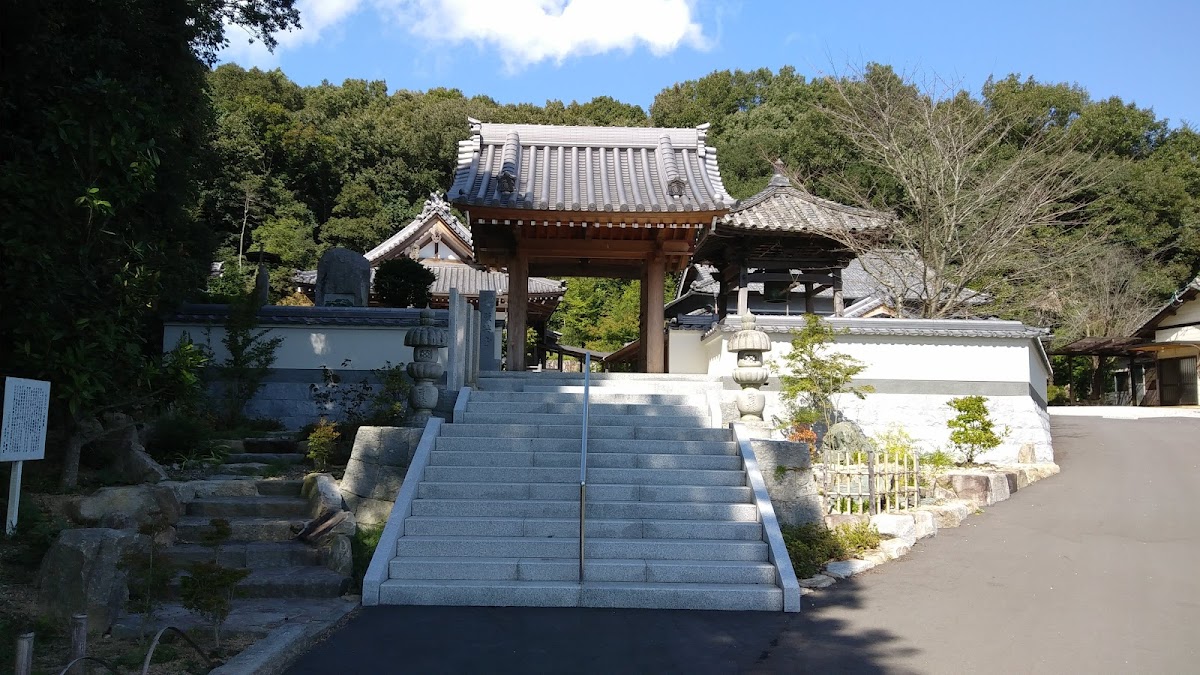
Besides the main hall, Saikyoji Temple’s grounds offer many other points of interest. The temple complex includes a bell tower, living quarters, and guest hall, providing a complete and functional temple.
Ancient stone Buddha statues and stupas are scattered throughout the grounds, telling the story of the temple’s history of faith from the Edo period to the early Showa era. The Six Jizo and Kannon statues, in particular, are precious relics that convey the simple faith of the local people.
8th Temple of the New Shikoku Mandala Pilgrimage
Saikyoji Temple welcomes pilgrims as the 8th temple of the New Shikoku Mandala Pilgrimage. The New Shikoku Mandala Pilgrimage is a separate pilgrimage route from the Shikoku 88 Temple Pilgrimage, visiting temples within Kagawa Prefecture.
At Saikyoji Temple, a designated temple on this pilgrimage, vermilion seals are given in pilgrimage notebooks, and sacred images are also available. Pilgrims are encouraged to complete their pilgrimage at the main hall and, if possible, extend their visit to the inner sanctuary to follow in the footsteps of Kukai.
Route and Access to the Inner Sanctuary
Hiking Trail from the Main Hall to the Inner Sanctuary
To reach the inner sanctuary from the main hall of Saikyoji Temple, you will need to climb a mountain path. While the trail is well-maintained, it involves an elevation gain of over 100 meters, so a certain level of physical fitness and appropriate equipment are necessary.
The hiking trail takes approximately 30 to 45 minutes one way at a normal walking pace. Since there are steep slopes and stone steps along the way, comfortable shoes and clothing are recommended. Please be especially careful during rainy weather and winter, as the ground can become slippery.
Mindset and Preparation for Visiting the Inner Sanctuary
Visiting the Inner Sanctuary should be viewed not merely as sightseeing, but as part of a spiritual practice. Climbing the mountain path itself is an act of purifying the mind and body, and the sense of accomplishment and refreshment upon reaching the Inner Sanctuary is exceptional.
We recommend the following preparations for your visit:
- Comfortable hiking boots or sneakers
- Comfortable clothing (long sleeves and long pants recommended)
- Drinking water (especially in summer)
- Towel or hand towel
- Walking stick (if needed)
- Insect repellent spray (spring to autumn)
Possible Time and Season for Visiting
Visiting the Inner Sanctuary is generally possible year-round, but the difficulty varies depending on the season. The warmer months from spring to autumn are the easiest to visit, and the scenery is particularly beautiful in spring with its fresh greenery and in autumn with its vibrant foliage, making these seasons highly recommended.
In winter, there is a possibility of snow and ice, so extreme caution is necessary. Furthermore, during typhoon season or after heavy rain, the mountain trails can become dangerous, so you should avoid attempting to visit the temple if it’s too risky.
Visiting hours are generally from sunrise to sunset. Since the mountain trails are dangerous at night, please plan to descend before dark.
Access to Saikyoji Temple
Access by Public Transportation
By Train:
The nearest station is JR Kotoku Line’s “Zoda Station.” Saikyoji Temple is approximately 3.5 km from Zoda Station, taking about 45 minutes to 1 hour on foot. A taxi from the station will get you there in about 10 minutes.
From Takamatsu Station to Zoda Station, it takes about 30 minutes by local train on the Kotoku Line. The Kotoku Line is also convenient when accessing from the Tokushima area.
By Bus:
The Sanuki City Community Bus operates, but the number of services is limited, so it is recommended to check the timetable in advance. Saikyoji Temple is within walking distance from the bus stop.
Access by Car
If using the expressway:
- Approximately 15 minutes from the Shido IC on the Takamatsu Expressway
- Approximately 20 minutes from the Sanuki-Miki IC on the Takamatsu Expressway
After exiting at the Shido IC, proceed along National Route 11 towards Tokushima and follow the signs to reach Saikyoji Temple.
Parking Information:
Saikyoji Temple has a parking lot for visitors. It can accommodate approximately 10 regular-sized cars. Parking is free, but it can get full during peak seasons, so early arrival is recommended.
Combining with Nearby Tourist Attractions
There are many other sights to see around Saikyoji Temple:
Okuboji Temple (Temple No. 88):
Okuboji Temple, where Kukai is said to have gone after leaving Okunoin, is famous as the final temple of the Shikoku 88 Temple Pilgrimage. It is about a 20-minute drive from Saikyoji Temple, and many pilgrims visit both.
Shido-ji Temple (Temple No. 86):
Located along the coast, Shido-ji Temple is also one of the Shikoku Pilgrimage sites. Easily accessible, about a 15-minute drive from Saikyo-ji Temple, it offers stunning views of the sea and mountains.
Sanuki City Tourist Attractions:
Sanuki City boasts a variety of tourist attractions, including famous Sanuki udon restaurants and scenic viewpoints overlooking the Seto Inland Sea. Combined with a visit to Saikyo-ji Temple, you can fully enjoy the region’s charm.
Manners and Precautions for Temple Visits
Basic Manners for Temple Visits
When visiting Saikyo-ji Temple and its inner sanctuary, please observe the following basic manners:
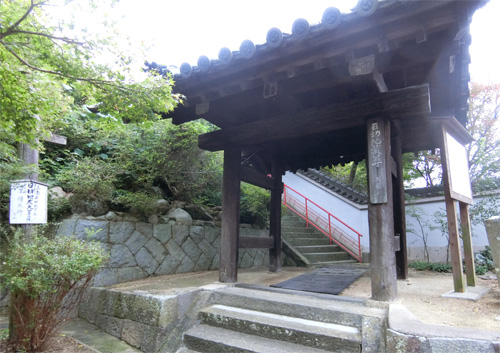
- Bow at the Temple Gate: When entering the temple, bow at the temple gate before entering the grounds.
- Purification at the Water Basin: If there is a water basin, purify your hands and mouth before praying.
- Visiting the Main Hall: At the main hall, quietly join your hands in prayer and offer your prayers with sincerity.
- Photography: Permission may be required to photograph the interior of the main hall or the rock-carved Buddha. Please check in advance.
- Silence: Avoid loud conversations and noise on the temple grounds and hiking trails; maintain silence.
Special Precautions When Visiting the Inner Sanctuary
Because the inner sanctuary is located in the mountains, different precautions are required compared to regular temple visits:
- Avoid Solo Activities: If possible, visit in groups to prepare for any accidents.
- Health Management: Avoid strenuous hiking, and if you are not feeling well, limit your visit to the main hall only.
- Nature Conservation: Always take your trash with you and be careful not to collect plants or damage the rocks.
- Wild Animals: Wild animals inhabit the mountains. Do not approach them unnecessarily or feed them.
Annual Events at Saikyoji Temple and Okunoin
Major Ceremonies and Events
Saikyoji Temple holds various ceremonies and events throughout the year:
Spring Grand Festival (Spring Equinox):
A ceremony held around the spring equinox, praying for ancestral remembrance and a bountiful harvest.
Kobo Daishi Memorial Service (Around April 21st):
A ceremony commemorating the anniversary of Kukai’s death, including a special memorial service for the cliffside Buddha in Okunoin.
Summer Segaki Ceremony:
An ancestral memorial service held during the summer.
Autumn Grand Festival (Autumn Equinox):
Held around the autumn equinox, expressing gratitude for the harvest and honoring ancestors.
New Year’s Eve Bell Ringing (December 31st):
On New Year’s Eve, the temple bell is rung, preparing for the New Year.
Special Openings and Events
Depending on the year, special openings of the main image and hidden Buddha statues may be held. Group pilgrimages to the inner sanctuary and ascetic training experiences are also sometimes planned; therefore, it is recommended to inquire directly with Saikyoji Temple for details.
Community Involvement and the Danka System
As a Center of the Local Community
Saikyoji Temple has played an important role in the local community of Okawa-cho, Sanuki City. Through the Danka system, it serves as a spiritual pillar for local residents and functions as a central figure in weddings, funerals, and annual events.
It provides opportunities for multiple generations, from the elderly to children, to visit the temple and experience Buddhist culture. In particular, local events centered around the temple, such as the summer Bon Odori dance and the autumn harvest festival, are important opportunities to strengthen community bonds.
Cultural Property Protection and Preservation Activities
Saikyoji Temple and local residents cooperate in activities to protect cultural properties, including the cliffside Buddha statues in the inner sanctuary. They are working to create an environment where visitors can safely visit through regular cleaning activities, maintenance of hiking trails, and the installation of guide signs.
Furthermore, educational activities are conducted in collaboration with local schools to convey the value of local history and cultural assets to children. Passing on the value of Saikyoji Temple and its inner sanctuary to future generations is recognized as a mission for the entire community.
Shingon-shu Zentsuji School and Saikyoji Temple
Characteristics of the Shingon-shu Zentsuji School
The Shingon-shu Zentsuji School, to which Saikyoji Temple belongs, is a sect whose head temple is Zentsuji Temple (Zentsuji City, Kagawa Prefecture), the birthplace of Kobo Daishi Kukai. It has many branch temples in the Shikoku region, particularly in Kagawa Prefecture, and is known for its particularly strong devotion to Kukai.
Shingon Buddhism is a teaching centered on esoteric Buddhism, aiming for Sokushin Jobutsu (becoming a Buddha in this very body). Through unique rituals such as Goma fire rituals and incantations, it attracts many followers as a practical form of Buddhism that prays for worldly benefits.
Relationship with Zentsu-ji Temple
Zentsu-ji Temple, the head temple of the Shikoku 88 Temple Pilgrimage, is a temple built on the birthplace of Kukai and is also the 75th temple of the Shikoku 88 Temple Pilgrimage. As a member of the Zentsu-ji sect, Saikyo-ji Temple regularly interacts with the head temple, striving for the study of teachings and the transmission of rituals.
The chief priest and parishioners of Saikyo-ji Temple participate in important religious ceremonies held at Zentsu-ji Temple, deepening the solidarity of the entire sect. Furthermore, spreading the teachings of the Zentsu-ji sect to the local community is one of Saikyo-ji Temple’s important missions.
The Shikoku Pilgrimage Culture and Saikyo-ji Temple’s Position
History and Culture of the Shikoku Pilgrimage
Shikoku has a unique pilgrimage culture called the “Shikoku Pilgrimage,” which involves visiting 88 sacred sites associated with Kobo Daishi Kukai. This pilgrimage has a history of over 1200 years and is now a cultural heritage that attracts worldwide attention.
While Saikyoji Temple itself is not included in the Shikoku 88 Temple Pilgrimage, it contributes to the local pilgrimage culture as a pilgrimage site of the New Shikoku Mandala Pilgrimage. Furthermore, its inner sanctuary, which is associated with legends of Kukai, attracts the attention of many pilgrims as a place embodying the spirituality of the Shikoku pilgrimage.
Value as an Extra-Official Pilgrimage Site
Besides the 88 temples, Shikoku has many important temples known as “extra-official pilgrimage sites.” Saikyoji Temple’s inner sanctuary is one such site that cannot be missed when tracing the footsteps of Kukai.
Many pilgrims, especially those on their way to Okuboji Temple (Temple No. 88), stop by Saikyoji Temple, and it is positioned as an important place of training before completing the pilgrimage. The message conveyed by the unfinished cliffside Buddha—”There is value even in imperfection”—resonates deeply with the spirituality of the pilgrimage.
The Significance of Saikyoji Okunoin in the Modern Age
Healing of the Mind and Restoration of Spirituality
Modern society emphasizes efficiency and results-oriented thinking, leading many to experience stress and fatigue. In this context, tranquil sacred sites like Saikyoji Okunoin are beginning to gain new value as places for healing the mind and restoring spirituality.
Climbing the mountain path and spending time reflecting on oneself amidst nature is a precious experience rarely found in daily life. Praying before the unfinished cliffside Buddha fosters a tolerance for acceptance of things as they are, a welcome change for modern people who often strive for perfection.
Potential as a Cultural Tourism Resource
Kagawa Prefecture is known as “Udon Prefecture,” but it also boasts numerous rich historical and cultural heritage sites. Saikyoji Okunoin, with its unique connection to the legend of Kukai, has the potential to attract even more attention in the future as a cultural tourism resource.
With the increase in inbound tourists, interest in Japanese spiritual culture and Buddhist culture is also growing. Properly promoting “hidden gems” like the Okunoin (inner sanctuary) can contribute to regional revitalization.
Sustainable Preservation and Utilization
On the other hand, there are concerns about the negative consequences of increased tourism. Excessive tourism development risks undermining the essence of the sacred site, such as accelerating the weathering of the cliff carvings, deterioration of hiking trails, and loss of tranquil surroundings.
To preserve and utilize the Okunoin of Saikyoji Temple in a sustainable manner, it is crucial for local residents, the temple, the government, researchers, and visitors to cooperate in formulating an appropriate management plan. A system is needed that protects its value as a cultural asset while allowing many people to benefit from it.
Summary: The Universal Message Conveyed by the Okunoin of Saikyoji Temple
The Okunoin of Saikyoji Temple is a sacred site associated with Kukai, quietly nestled on the slopes of a volcano in Sanuki City, Kagawa Prefecture. The cliffside Buddha, whose vow to be completed overnight was thwarted by a mischievous spirit and left unfinished, continues to deeply move many people even after more than 1200 years.
The message that this inner sanctuary conveys to us is an important truth that modern society often forgets: “There is value even in imperfection,” and “Beauty lies in its incompleteness.” Even a high-ranking monk like Kukai could not have all his wishes fulfilled. However, it is this unfinished work that left a great spiritual legacy for future generations.
Climbing the mountain path from the main hall of Saikyoji Temple to the inner sanctuary is not merely sightseeing, but a time for self-reflection and spiritual practice. The encounter with the cliffside Buddha awaiting you after a strenuous climb will bring different insights to each visitor.
Saikyoji Temple’s inner sanctuary, where Shikoku’s rich nature and profound spiritual culture merge, is a mystical sacred site. Please visit this place at least once, follow in Kukai’s footsteps, and listen to your own inner voice. What the unfinished rock-carved Buddha is trying to tell you is an invaluable experience that only those who actually visit can truly understand.