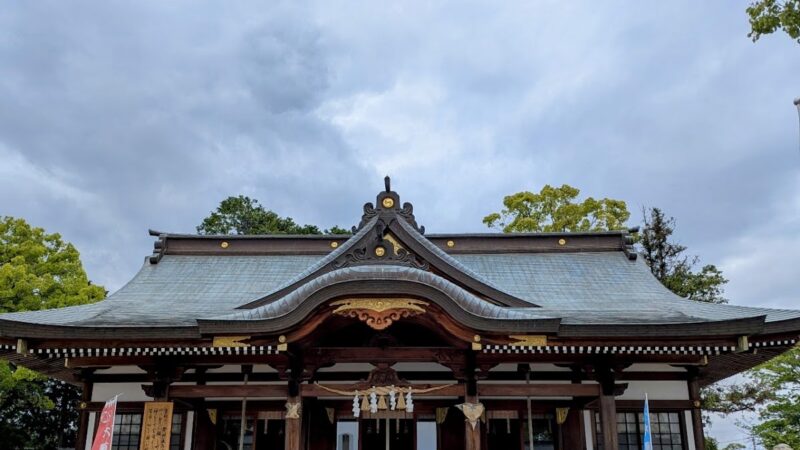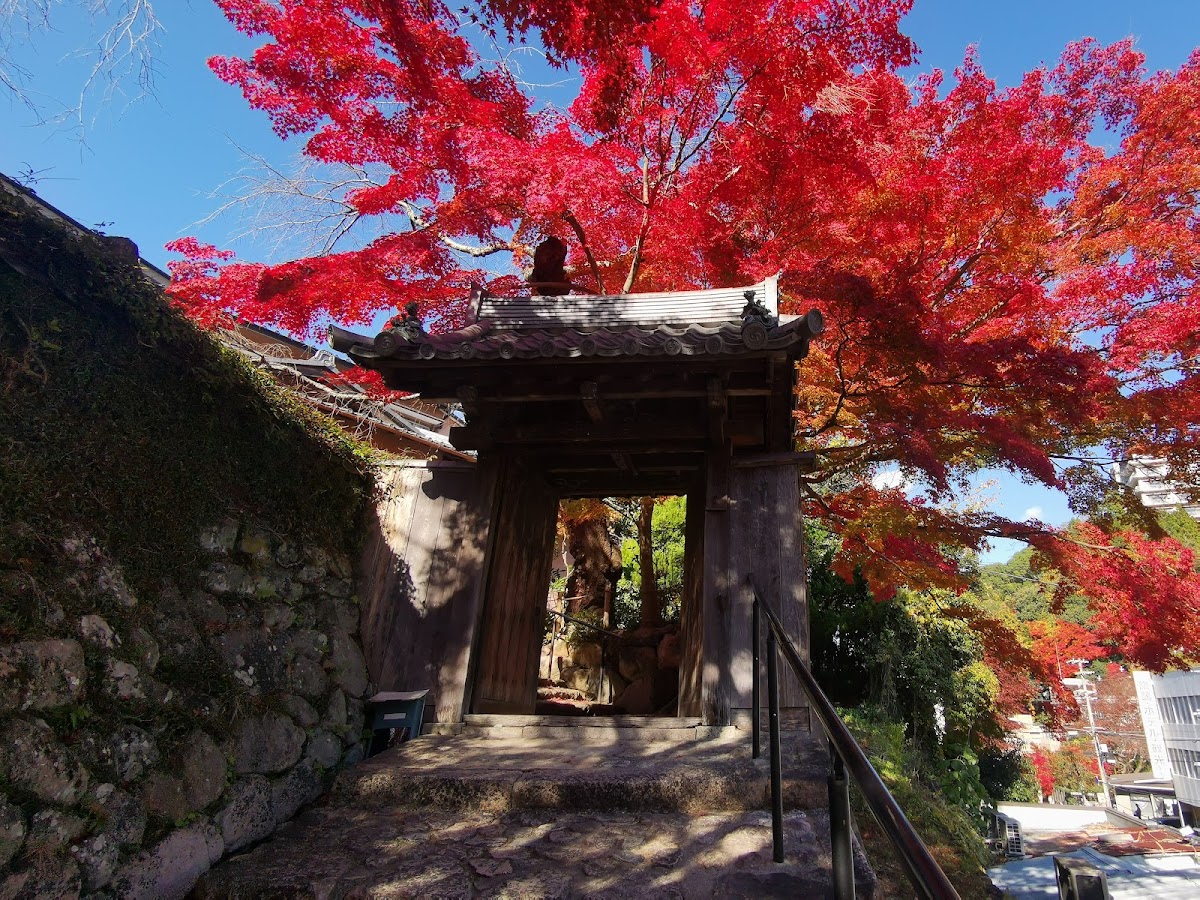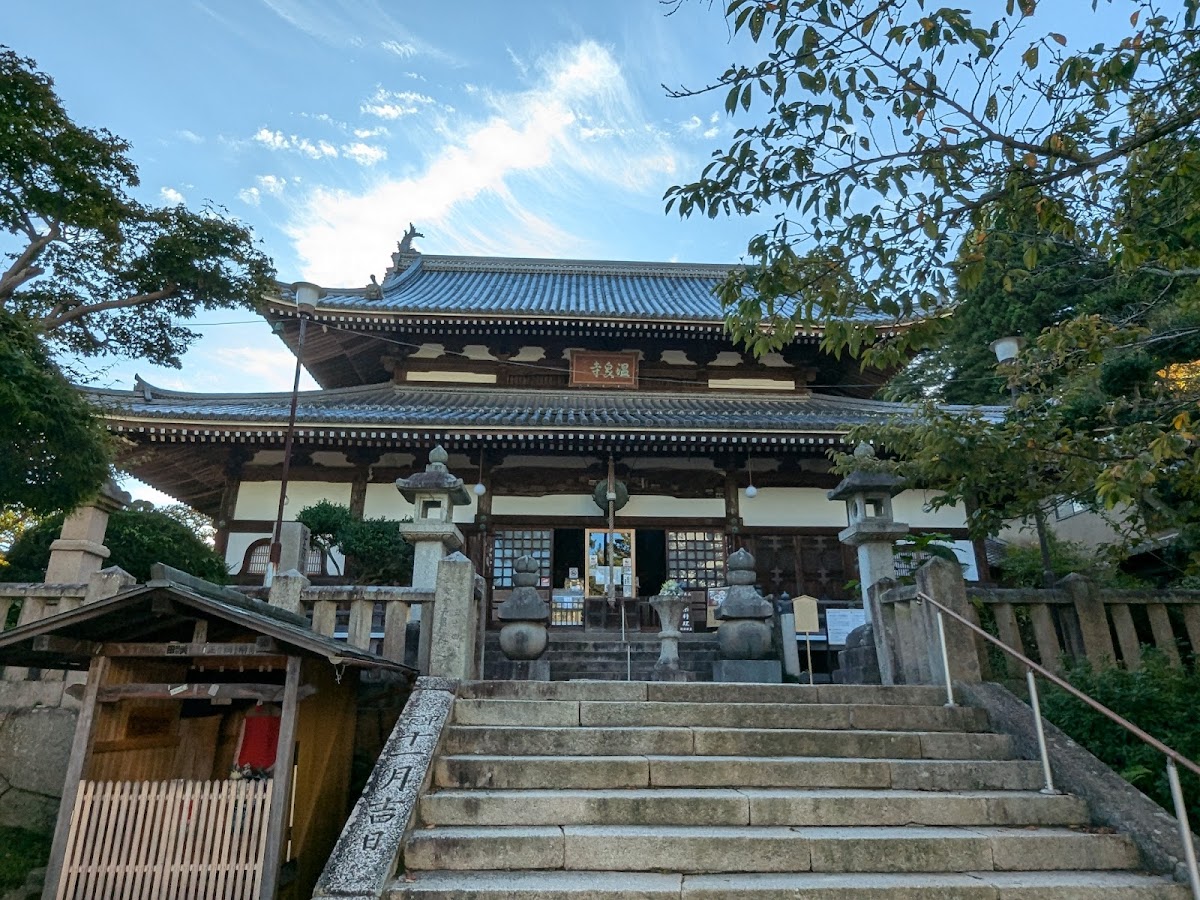
Gokurakuji Temple (Kita-ku, Kobe City, Hyogo Prefecture) Complete Guide | History, Access, Memorial Services, and Buddhist Sculpture Classes: A Thorough Explanation
Located in Kita-ku, Kobe City, Hyogo Prefecture, Gokurakuji Temple is an ancient Jodo sect temple with a history of over 1400 years. It is said to have been founded during the reign of Empress Suiko and is also known as a place associated with Toyotomi Hideyoshi. This article comprehensively explains everything you need to know before visiting Gokurakuji Temple, including its history, access methods, memorial service schedule, and unique activities such as Buddhist sculpture classes.
Basic Information about Gokurakuji Temple
Temple Overview
Official Name: Shinshozan Jodoin Gokurakuji
Sect: Jodo Sect
Head Temple: Chion-in Temple, Kyoto
Founder: Honen Shonin
Principal Image: Standing Amida Buddha Statue
Location: Suzurandai area, Kita-ku, Kobe City, Hyogo Prefecture
Gokurakuji Temple is within walking distance of Suzurandai Station on the Kobe Electric Railway, and is easily accessible, approximately 40 minutes from Sannomiya via the Kobe Electric Railway line. Despite its convenient access from urban areas, it is a temple cherished by local residents as a place where they can find peace of mind in a tranquil environment.
Location and Contact Information
Gokurakuji Temple is located in a residential area of Kita-ku, Kobe City, and serves as a spiritual center for the local community. It is an open temple where you can easily inquire about memorial services, Buddhist rituals, and consultations regarding the ossuary.
History of Gokuraku-ji Temple
Founding and the Legend of Prince Shotoku
The history of Gokuraku-ji Temple dates back to the first year of Emperor Suiko’s reign (593 AD). According to temple tradition, Prince Shotoku founded the temple in a stone storehouse east of the Tsue-sute Bridge, with a statue of Kannon Bodhisattva carved by the Buddhist sculptor Kuratsukuri no Tori as its principal image.
Kuratsukuri no Tori was a leading Buddhist sculptor of the Asuka period and a renowned craftsman known for creating the Shaka Triad at Horyu-ji Temple. The tradition that the temple was founded with a Kannon Bodhisattva statue created by this historically significant sculptor as its principal image speaks to the high status of Gokuraku-ji Temple.
Restoration in the Kamakura Period
In the second year of Kenkyu (1191 AD), Gokuraku-ji Temple was relocated and restored to its current location by Kawakami Korekiyo, who had followed the monk Ninsei, who had restored Arima Onsen. This period corresponds to the early Kamakura period, shortly after the founding of the Jodo sect by Honen Shonin.
Ninsei Shonin is known as a high-ranking priest who dedicated himself to the revival of Arima Onsen, linking the development of the hot spring resort with the propagation of Buddhism. It is believed that the restoration of Gokuraku-ji Temple also occurred within this context.
Toyotomi Hideyoshi and Yunoyama Goten
A noteworthy aspect of Gokuraku-ji Temple’s history is its deep connection with Toyotomi Hideyoshi. Hideyoshi loved Arima Onsen and frequently visited for therapeutic bathing. During this time, he constructed a private therapeutic facility called “Yunoyama Goten” next to the main hall of Gokuraku-ji Temple.
The current grounds of Gokuraku-ji Temple are located on the site of this Yunoyama Goten. The place where the warlord of the Sengoku period healed his mind and body now serves as a place of Buddhist practice and a spiritual haven for the local people. This historical continuity is one of Gokuraku-ji Temple’s greatest attractions.
From the Edo Period to the Present
Throughout the Edo period, Gokuraku-ji Temple has continuously upheld the traditions of the Jodo sect as a local temple. Having weathered the wave of anti-Buddhist movement after the Meiji Restoration, it continues to attract the faith of local people to this day.
In recent years, in addition to traditional temple activities, it has actively undertaken new initiatives to meet modern needs, such as Buddhist sculpture classes and Pilates classes. This commitment to adapting to the times, while maintaining a long history, is a defining characteristic of Gokuraku-ji Temple.
Access and Parking Information
Access by Public Transportation
Public transportation is the most convenient way to access Gokuraku-ji Temple.
Nearest Station: Kobe Electric Railway “Suzurandai Station” or “Suzurandai-Nishiguchi Station”
Access from Sannomiya:
- Take the Kobe Municipal Subway from JR Sannomiya Station or Hankyu/Hanshin Sannomiya Station.
- Transfer to the Kobe Electric Railway at Tanigami Station.
- Get off at Suzurandai Station (approximately 40 minutes from Sannomiya).
- Approximately 15-17 minute walk from Suzurandai Station.
Access from Shinkaichi:
- Take the Kobe Electric Railway train bound for Arima/Sanda from Shinkaichi Station.
- Get off at Suzurandai Station.
- Approximately 15-17 minute walk.
The route from Suzurandai Station to Gokurakuji Temple is a quiet one through a residential area. Signposts are installed along the way, so even first-time visitors can arrive without getting lost.
Access by Car and Parking
If traveling by car, you can access the temple via National Route 428 from downtown Kobe.
Parking: There is parking space on the temple grounds, but it may be crowded during events such as memorial services. It is recommended to check with the temple in advance.
Car Navigation Settings: Searching for “Gokurakuji Temple, Kobe City, Kita Ward” or the address will display the accurate location.
As it is located in a residential area, please be considerate of the surrounding residents and drive quietly when visiting by car.
Highlights of Gokurakuji Temple
Main Hall and Standing Amida Buddha Statue
The main hall of Gokurakuji Temple houses the principal image, a standing statue of Amida Buddha. Amida Buddha, the central figure in the Jodo sect of Buddhism, is the Buddha of salvation, who is believed to enable anyone to attain rebirth in the Pure Land by chanting “Namu Amida Butsu.”
Praying in the tranquil atmosphere of the main hall brings peace of mind, away from the hustle and bustle of everyday life. During memorial services, you can also listen to a sermon by the head priest, providing a valuable opportunity to experience Buddhist teachings.
Fire-Proof Kannon
Gokuraku-ji Temple is also known for its “Fire-Proof Kannon,” which protects Arima Onsen from major fires. Arima, a hot spring resort, has historically suffered numerous large fires. The Fire-Proof Kannon is revered as a guardian deity protecting the region from such disasters.
Atmosphere of the Temple Grounds
Located on the site of Toyotomi Hideyoshi’s Yuyama Palace, the temple grounds are enveloped in a tranquil atmosphere that conveys a sense of historical weight. The grounds, where visitors can experience the changing seasons, offer solace.
In spring, the cherry blossoms are beautiful, and in autumn, the autumn leaves are stunning. The temple grounds, which show different expressions with each season, offer a fresh and moving experience no matter how many times you visit.
Memorial Services and Events
Annual Memorial Service Schedule
Gokuraku-ji Temple holds various memorial services throughout the year.
Spring Equinox Memorial Service: Centered around the spring equinox in March, a memorial service for ancestors is held. The Spring Equinox memorial service on March 20, 2023, was attended by many worshippers and conducted in a solemn atmosphere.
Obon Memorial Service: During the Obon period in August, a memorial service is held to welcome and honor the spirits of ancestors.
Autumn Equinox Memorial Service: Centered around the Autumn Equinox in September, a memorial service for ancestors is held, similar to the spring service.
Year-End Events: In addition to traditional memorial services, modern events are also held, such as a special year-end event planned for 2024.
These services are often open to the general public as well as temple parishioners, so it is recommended that those interested inquire in advance.
Special Events
Bamboo Lanterns and Moon Viewing at the Uchida Residence: Gokurakuji Temple also holds moon-viewing events in collaboration with the Uchida Residence, a local cultural property. This elegant event, where participants admire the moon in the soft light of bamboo lanterns, is very popular.
Events Related to Buddhist Sculptor Masahiro Maeda: Gokurakuji Temple regularly holds events related to Buddhist sculpture, such as a celebration for Masahiro Maeda’s promotion to Grand Master Sculptor and the “My Buddha Presentation” event.
Information on these events is updated regularly on Gokurakuji Temple’s official website and social media, so it is recommended to check before your visit.
The Appeal of the Buddhist Sculpture Class
Instruction by Buddhist Sculptor Masahiro Maeda
One of Gokurakuji Temple’s distinctive activities is its Buddhist sculpture class. The instructor is Masahiro Maeda, a Buddhist sculptor who holds the title of Grand Master Sculptor.
Maeda, after many years of training and accumulated achievements, received the title of Grand Master Sculptor in 2023. A grand celebration was held at Gokurakuji Temple, attended by many students and related parties. Footage of this celebration is available on YouTube, allowing you to get a sense of Maeda’s personality and the atmosphere of the class.
Class Content and Features
The Buddhist statue carving class offers instruction tailored to each student’s level, from beginners to experienced carvers. Students can learn step-by-step, from the basics such as selecting wood and using carving tools, to advanced techniques like the styles and expressions of Buddhist statues.
The 4th “My Buddha” Exhibition showcased Buddhist statues created by the students, demonstrating their individuality and skill development. The exhibition, featuring a diverse range of works from beginners to those of long-term students, offered a profound insight into the art of Buddhist statue carving.
Cultivating the Mind Through Buddhist Statue Carving
Buddhist statue carving is not merely a hobby or artistic activity; it is also a form of spiritual practice that involves engaging with Buddhist teachings and refining the mind. The process of carving the image of Buddha, stroke by stroke, enhances concentration and calms the mind.
At Gokurakuji Temple’s Buddhist statue carving class, not only is technical skill acquisition valued, but these spiritual aspects are also emphasized. Those interested can contact Gokurakuji Temple directly to inquire about opportunities for visits and trial sessions.
Temple x Pilates Class
Fusion of Tradition and Modernity
One of Gokurakuji Temple’s unique initiatives is the “Temple x Pilates Class.” While seemingly an unexpected combination—practicing Pilates, a modern exercise, in the traditional setting of a temple—it actually possesses a deep affinity.
Similarities between Pilates and Buddhism
Pilates is an exercise that balances mind and body by harmonizing breath and body movement. These elements of “breathing” and “mind-body harmony” are also shared with Buddhist meditation and practice.
Participants have praised the deeper relaxation effects achieved by practicing Pilates in the quiet and tranquil atmosphere of the temple, which differs from that of a typical studio.
How to Participate
For information on the dates, times, and participation methods for the Temple x Pilates Class, please check the Gokurakuji Temple official website and announcements. The program is designed to be accessible even for beginners, so we recommend that those interested feel free to inquire.
Columbarium and Perpetual Memorial Service
Information on the Columbarium
Gokuraku-ji Temple has a columbarium where you can enshrine the remains of your loved one. Located in a quiet environment despite its proximity to urban areas, Gokuraku-ji Temple’s columbarium is a popular choice for those seeking a peaceful and convenient place to pay their respects.
About Perpetual Memorial Service
In modern times, more and more people are choosing perpetual memorial service due to reasons such as having no successor to the family grave or living far away and finding it difficult to visit. Gokuraku-ji Temple also offers perpetual memorial service, with the temple taking responsibility for continuing the memorial service.
The memorial service is conducted with care based on the teachings of the Jodo sect, allowing you to entrust your loved one with peace of mind. For consultations regarding the columbarium and perpetual memorial service, please contact the temple directly for detailed explanations.
Memorial Services and Rituals
Even after the remains are enshrined in the columbarium, memorial services are held during spring and autumn equinoxes and Obon (Buddhist festival). Since bereaved families can also attend, opportunities to remember the deceased are regularly provided.
Information Dissemination via Social Media and Online
Information Dissemination via Instagram
Gokurakuji Temple actively disseminates information through Instagram. A variety of content is posted, including seasonal scenes of the temple grounds, announcements of memorial services and events, and introductions to works from the Buddhist sculpture classes.
By following their Instagram account, you can learn about Gokurakuji Temple’s daily life and the latest information in real time. The ability to get a feel for the atmosphere through photos and videos before actually visiting is also a major attraction.
Videos on YouTube
Videos of important events, such as the celebration for the master sculptor Masahiro Maeda, are posted on YouTube. Through these videos, you can get a sense of the warmth of the Gokurakuji Temple community and the atmosphere of the Buddhist sculpture classes.
Information on the Official Website
The official website of Gokurakuji Temple (kobe-gokurakuji.com) contains detailed information such as the temple’s history, access information, memorial service schedule, and information on various classes. When planning a visit, it is recommended to check the official website first. ## Gokurakuji Temple and the Local Community
A Spiritual Hub for the Community
Gokurakuji Temple in the Suzurandai area of Kobe’s Kita Ward is more than just a religious facility. Beyond memorial services and Buddhist rituals, it serves as a place where local people gather and interact through various events and classes.
An Open Temple
While preserving traditional temple activities, Gokurakuji Temple actively engages in new initiatives that meet modern needs, such as Buddhist sculpture classes and Pilates classes. Its stance as an “open temple” is highly regarded.
The welcoming atmosphere, where even non-parishioners can easily seek advice, and its proactive information dissemination through social media provide opportunities for younger generations to become familiar with Buddhism and temple culture.
Cultural Inheritance and Creation
With a history spanning over 1400 years, Gokurakuji Temple is both a successor to Buddhist culture and a creator of new culture. The Buddhist sculpture class, guided by sculptor Masahiro Maeda, is a valuable opportunity to pass on traditional Buddhist sculpting techniques to the modern age.
Furthermore, by providing opportunities to enjoy traditional Japanese customs in a modern form, such as bamboo lantern events and moon-viewing, we contribute to the preservation of culture.
Visitor Etiquette and Privacy Policy
Visitor Etiquette
When visiting Gokuraku-ji Temple, please observe the following basic etiquette:
- Dress Code: There are no specific rules, but clean and subdued attire is preferred. If attending a memorial service, choose semi-formal mourning attire or clothing in subdued colors.
- Greetings: Bow when passing through the temple gate and remain quiet within the temple grounds.
- Photography: Photography is generally permitted within the temple grounds, but please refrain from taking photos inside the main hall or during memorial services, or obtain permission beforehand.
- Offering: When attending a memorial service or requesting a special prayer, prepare an offering. If you are unsure about the amount, you can consult with the temple beforehand.
Privacy Policy
Gokurakuji Temple has established an appropriate privacy policy regarding the handling of personal information, including user information for the ossuary and consultation details. Personal information provided during consultations and inquiries will not be used for purposes other than those stated.
For detailed privacy policy information, please check the official website.
Nearby Attractions
Suzurandai Area
The Suzurandai area, where Gokurakuji Temple is located, is a central residential area in Kobe City’s Kita Ward. The area around the station has shopping streets and supermarkets, making it a hub for local residents.
Relationship with Arima Onsen
The history of Gokurakuji Temple is deeply intertwined with Arima Onsen. Arima Onsen is located further north from Suzurandai via the Kobe Electric Railway and is a famous hot spring known as one of Japan’s three oldest hot springs. After visiting Gokurakuji Temple, a trip to Arima Onsen is highly recommended.
There is also a temple with the same name, Gokurakuji, in Arima Onsen. This is a Zen temple of the Rinzai sect and is known for its Dokko-sui spring, associated with the monk Dochi, who founded Kinosaki Onsen. This is an interesting example of how two temples with the same name, “Gokuraku-ji,” can have different sects and histories.
Nature in Kobe’s Kita Ward
Kobe’s Kita Ward is a particularly nature-rich area within Kobe City. Located on the northern side of the Rokko Mountains, you can enjoy the changing seasons. When visiting Gokuraku-ji Temple, you can also enjoy exploring the surrounding nature.
How to Contact Gokuraku-ji Temple
Telephone Inquiries
For various inquiries regarding Gokuraku-ji Temple, such as memorial services, the ossuary, Buddhist sculpture classes, and Pilates classes, you can contact them directly by phone. The head priest and temple staff will respond courteously.
Online Inquiries
The official website has an inquiry form, and you can also inquire by email. This is convenient for busy people as you can send questions at any time.
Information Gathering via Social Media
You can also easily ask questions through comments and direct messages on social media such as Instagram. However, for formal consultations and reservations, it is more reliable to inquire by phone or through the official website.
Summary: The Charm of Gokuraku-ji Temple
Gokuraku-ji Temple, located in Kita-ku, Kobe City, Hyogo Prefecture, boasts a long history dating back to the reign of Empress Suiko, while also being an open temple that caters to modern needs.
Historical Value: Historical background including the legend of its founding by Prince Shotoku and the site of the Yuyama Palace associated with Toyotomi Hideyoshi.
Easy Access: Conveniently located approximately 40 minutes from Sannomiya and within walking distance of Suzurandai Station.
Diverse Activities: In addition to traditional Buddhist services, it offers modern activities such as Buddhist sculpture classes and Pilates classes.
Community Connections: Hosts various events as a spiritual center for the local community.
Information Dissemination: Actively disseminates information through social media and YouTube, making it easily accessible to everyone.
Gokuraku-ji Temple is a temple that continues to evolve with the times while preserving Buddhist traditions. Visitors can come for various purposes, such as participating in Buddhist services, experiencing Buddhist sculpture or Pilates, or simply finding peace in the tranquil temple grounds.
Gokuraku-ji Temple If you have the opportunity to visit Kobe’s Kita Ward, be sure to stop by Gokuraku-ji Temple. Within its grounds, steeped in over 1400 years of history, you’ll find peace of mind and new discoveries.
Before your visit, we recommend checking the official website and social media for the latest information and planning your trip according to the schedule of religious services and events. The warm community at Gokuraku-ji Temple will surely welcome you.