Zenpuku-ji Temple (Kita-ku, Kobe City, Hyogo Prefecture) Complete Guide | Highlights and Cultural Assets of a Historic Soto Zen Temple in Arima Onsen
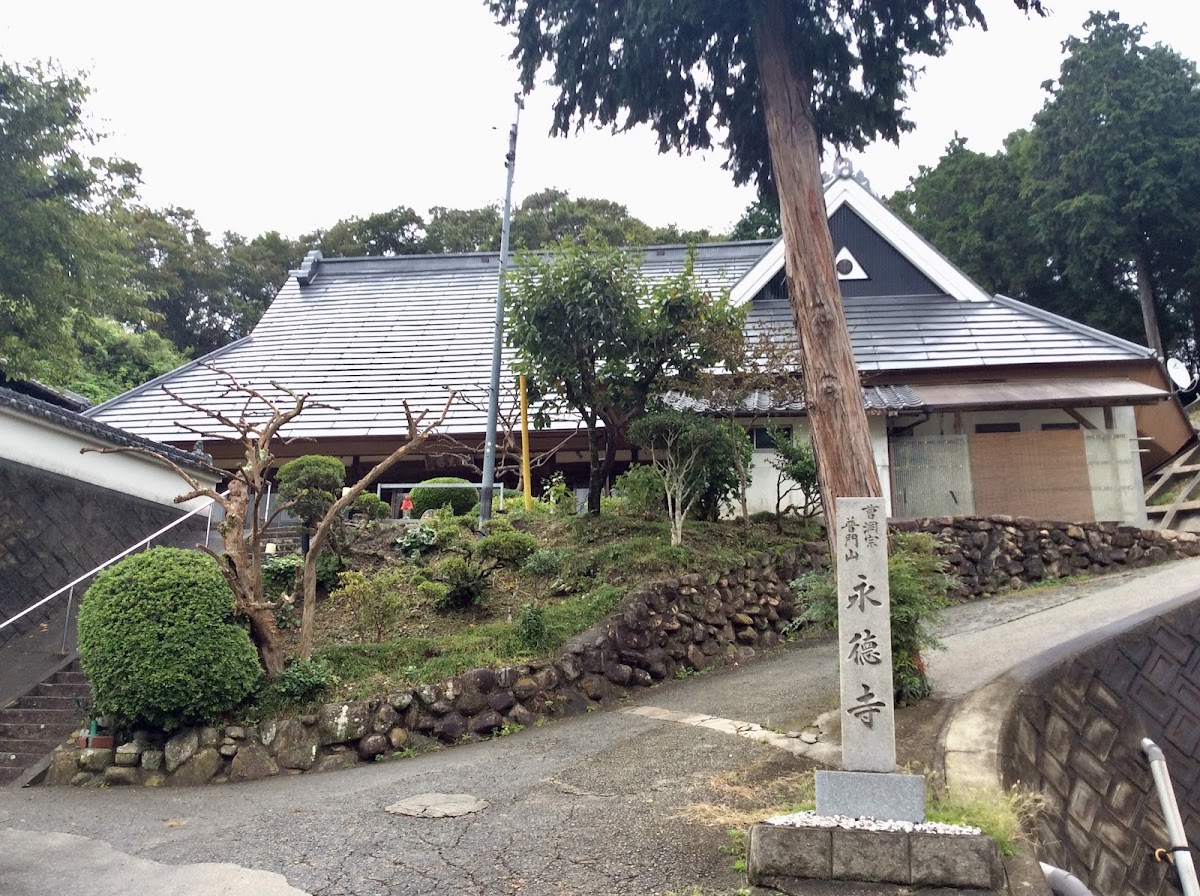
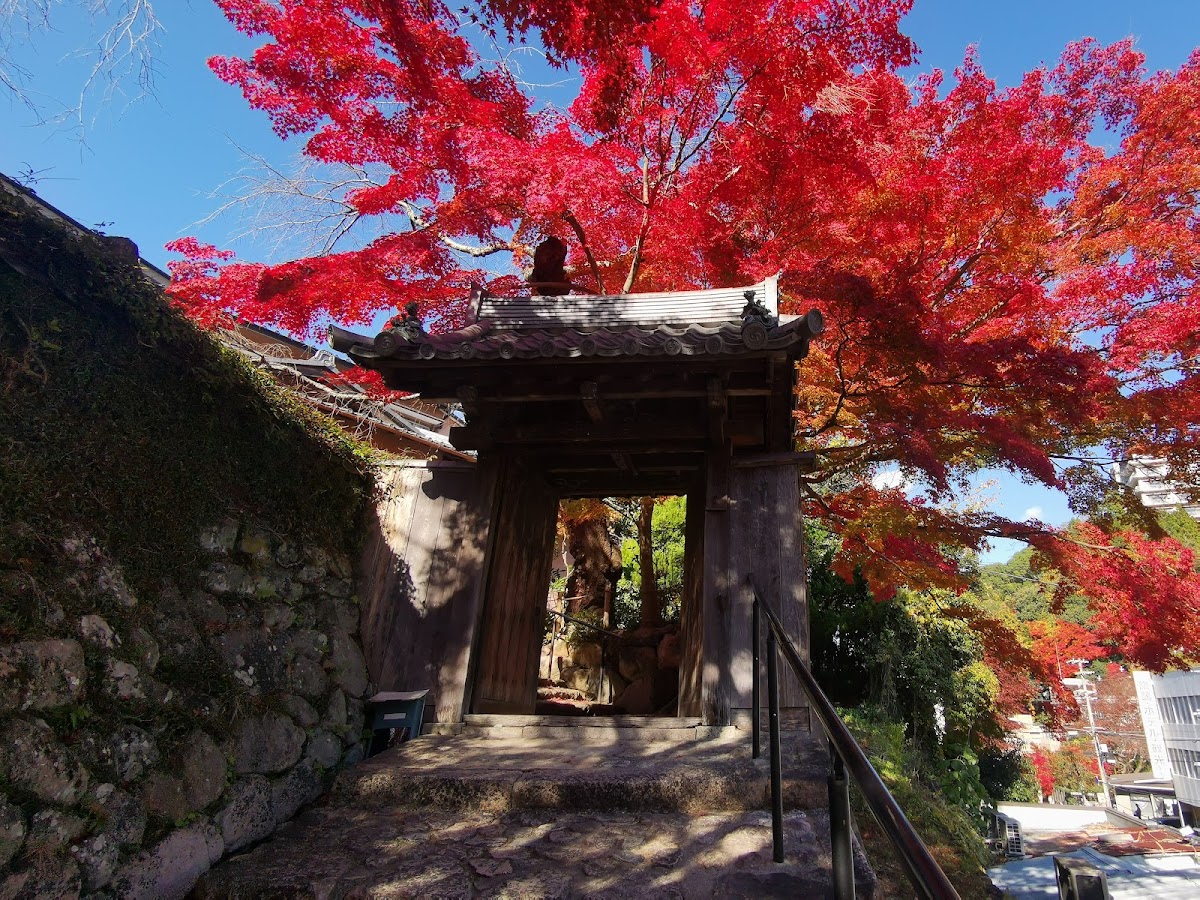
Located in Arima-cho, Kita-ku, Kobe City, Hyogo Prefecture, Zenpuku-ji Temple is an ancient Soto Zen temple nestled at the foot of Mt. Ochiba in the Arima Onsen area. Its mountain name is Kōtoku-san, and the temple, which enshrines Amida Buddha as its principal image, is said to have been founded by the renowned Nara period monk Gyōki. It boasts many attractions, including a nationally designated important cultural property, a statue of Prince Shōtoku, and a weeping cherry tree over 200 years old.
Situated in a tranquil environment on the left bank of the Arima River, it is a cherished place of peace and tranquility for both tourists visiting Arima Onsen and local Kobe residents.
History and Origins of Zenpuku-ji Temple
Founding and Establishment by Gyōki
Regarding the founding of Zenpuku-ji Temple, tradition remains that it was founded by Gyōki (668-749), a high-ranking priest of the Nara period. Gyōki was a renowned priest who was involved in the construction of the Great Buddha of Tōdai-ji Temple and is known for establishing temples and social welfare facilities throughout the country. He is also said to have been deeply involved in the development of Arima Onsen.
The “Setsu Meisho Zue” (Illustrated Guide to Famous Places in Settsu Province) describes Gyōki as the founder of Zenpuku-ji Temple and Ninsei as its restorer, suggesting that it has functioned as an important religious facility in the Arima Onsen area since ancient times.
Establishment as a Sōtō Zen Temple
Zenpuku-ji Temple as a Sōtō Zen temple is said to have been founded in 1331 (Genkō 1), but detailed historical records are limited, and many points remain unclear. It is believed that it was reorganized as a Sōtō Zen temple after its restoration by Ninsei.
The Soto Zen school is a branch of Zen Buddhism introduced to Japan during the Kamakura period by Zen Master Dogen, and is characterized by its emphasis on seated meditation (zazen). Zenpuku-ji Temple, located in Kita-ku, Kobe City, Hyogo Prefecture, has played a central role in local religious beliefs.
Connection to Arima Onsen
Arima-cho, where Zenpuku-ji Temple is located, is the heart of Arima Onsen, known as one of Japan’s three oldest hot springs. Along with the development of the hot spring resort, Zenpuku-ji Temple has played an important role as a spiritual haven for pilgrims and those seeking therapeutic bathing.
Its location at the northeastern foot of Mt. Ochiba offers a tranquil environment, slightly removed from the hustle and bustle of the hot spring town, bringing peace of mind to visitors.
National Important Cultural Property: Statue of Prince Shotoku
Overview of the Statue of Prince Shotoku
The most important cultural property owned by Zenpuku-ji Temple is the statue of Prince Shotoku, designated as a National Important Cultural Property. This Buddhist statue is highly valued as an extremely valuable work in the history of Japanese Buddhist culture.
Prince Shōtoku (574-622) was a member of the imperial family during the Asuka period. He dedicated himself to the flourishing of Buddhism and played a significant role in the formation of the Japanese nation through the enactment of the Seventeen-Article Constitution and the dispatch of envoys to the Sui Dynasty.
Form and Characteristics of the Prince Shōtoku Statue
The statue of Prince Shōtoku at Zenpuku-ji Temple is highly valued in art history as a valuable example demonstrating the spread of the Prince Shōtoku faith. While there are various forms of statues of Prince Shōtoku, the statue at Zenpuku-ji Temple is an important work that conveys a specific form.
As it is designated as an Important Cultural Property, it is recognized as outstanding in terms of its artistic value, historical value, and state of preservation, making it a particularly noteworthy cultural property in Kita Ward, Kobe City, Hyogo Prefecture.
Viewing Information
It is recommended to inquire with the temple in advance regarding viewing the statue of Prince Shōtoku. Because it is an Important Cultural Property, it may not be on permanent display for preservation and management reasons, but it may be possible to view it on special occasions.
Highlights of Zenpuku-ji Temple
Weeping Cherry Tree Over 200 Years Old
The most representative natural attraction of Zenpuku-ji Temple is its weeping cherry tree, said to be over 200 years old. This ancient tree, having matured over many years, boasts magnificent branches and abundant blossoms, beautifully adorning the temple grounds with the arrival of spring.
Best Time to See Cherry Blossoms
The best time to see the weeping cherry blossoms is usually from late March to early April. Due to the climate conditions of Arima Onsen, they tend to bloom slightly later than in Kobe city. When in full bloom, countless pale pink blossoms adorn the gracefully drooping branches, captivating visitors.
Night Cherry Blossoms and Illumination
During cherry blossom season, the weeping cherry tree at Zenpuku-ji Temple is sometimes illuminated. The fantastical sight of the cherry blossoms floating in the dark night presents a different charm from the daytime, attracting many cherry blossom viewers. Regarding the illumination, it may vary from year to year, so we recommend checking before your visit.
Cherry Blossom Festival and Related Events
During the cherry blossom season, various events are held throughout Arima Onsen. Cherry blossom festival-related events are also sometimes held around Zenpuku-ji Temple, and it is a beloved spring tradition for Kobe residents and tourists alike.
Atmosphere of the Main Hall and Temple Grounds
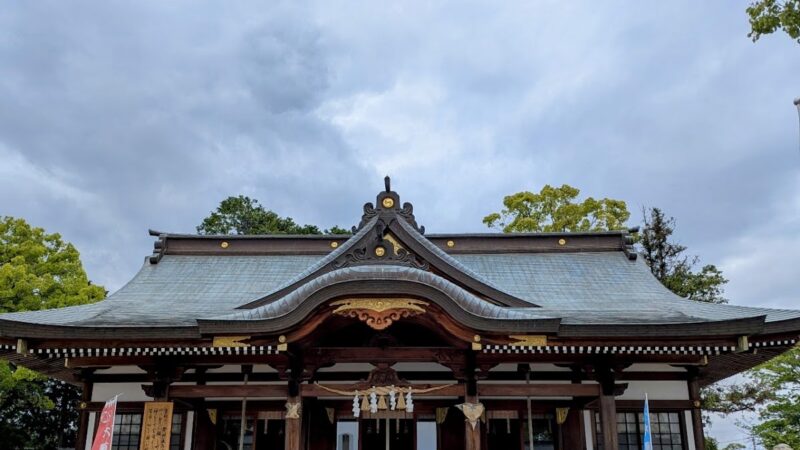
The main hall of Zenpuku-ji Temple exhibits a solemn appearance befitting a Soto Zen temple. The temple grounds are located in a naturally rich environment at the foot of Mt. Ochiba, allowing visitors to enjoy the changing scenery of the four seasons.
The tranquil temple grounds have an atmosphere suitable for Zen meditation and contemplation, providing a space to calm the mind away from the hustle and bustle of everyday life.
Amida Buddha Statue (Principal Image)
The principal image of Zenpuku-ji Temple is Amida Buddha. Amida Buddha is the principal deity of the Western Pure Land, believed to save those who chant the Nembutsu, and is widely revered in Japanese Buddhist faith.
The interior of the main hall, where the principal image of worship is enshrined, is filled with a solemn atmosphere, offering visitors deep spiritual peace.
Annual Events and Festivals at Zenpuku-ji Temple
Connection to the Arima Grand Tea Ceremony
Zenpuku-ji Temple is sometimes one of the venues for the “Arima Grand Tea Ceremony,” held in Arima Onsen. The Arima Grand Tea Ceremony is a well-established cultural event in Arima Onsen, attracting many tea ceremony enthusiasts and tourists.
The tea ceremony, held in the tranquil atmosphere of the temple, offers a valuable opportunity to experience traditional Japanese culture. For information on dates and details, please inquire with the Arima Onsen Tourism Association or Zenpuku-ji Temple.
Spring Cherry Blossom Festival
During the blooming season of the weeping cherry trees mentioned above, cherry blossom festival-related events are sometimes held on the temple grounds and in the surrounding area. This time of year, bustling with cherry blossom viewers, is one of the seasons when Zenpuku-ji Temple receives the most visitors.
Regular Buddhist Services and Zen Meditation Sessions
As a Soto Zen temple, Zenpuku-ji Temple holds regular Buddhist services and Zen meditation sessions. Zen meditation is a fundamental practice of the Soto Zen school, and the temple sometimes holds Zen meditation sessions that are open to the general public.
Those interested are advised to contact the temple directly to inquire about available events and programs.
Location and Facility Information
Basic Information
- Temple Name: Zenpuku-ji Temple
- Sect: Soto Zen
- Mountain Name: Kotoku-san
- Principal Image: Amida Buddha
- Location: Arima-cho, Kita-ku, Kobe City, Hyogo Prefecture
- Cultural Property: National Important Cultural Property, Statue of Prince Shotoku
About Visiting the Temple
Visiting the temple grounds is generally free of charge. However, special viewings of cultural properties such as the statue of Prince Shotoku may require advance reservations or an admission fee. It is recommended to check with the temple before visiting.
Transportation Access
Access by Train
Using the Kobe Electric Railway Arima Line
The nearest station is Arima Onsen Station on the Kobe Electric Railway Arima Line. Zenpukuji Temple is easily accessible, approximately a 5-minute walk from the station.
- Kobe Electric Railway Arima Line: Approximately 30 minutes from Shinkaichi Station to Arima Onsen Station
- Walking distance from Arima Onsen Station: Approximately 5 minutes
The Kobe Electric Railway is a major means of transportation from Kobe city center to Arima Onsen, making it a convenient line for both Kobe residents and tourists.
Using the Rokko Arima Ropeway
If you are visiting from the Rokko Mountain area, you can use the Rokko Arima Ropeway. Enjoy an approximately 12-minute aerial stroll from Rokko Mountain Summit Station to Arima Onsen Station.
- Rokko Arima Ropeway: Rokko Mountain Summit Station to Arima Onsen Station (approx. 12 minutes)
- Walking from Arima Onsen Station (Ropeway): Approx. 5-7 minutes
From the ropeway, you can enjoy magnificent views of the Rokko mountain range, enhancing your sightseeing experience.
Access by Bus
Express buses and local buses operate from Kobe city center and Osaka to Arima Onsen.
- Hankyu Bus: Approx. 60 minutes from Osaka/Umeda to Arima Onsen
- Kobe City Bus: Approx. 40 minutes from Sannomiya to Arima Onsen
Zenpukuji Temple is within walking distance from the “Arima Onsen” bus stop.
Access by Car
Using Expressways
- Hanshin Expressway Kita-Kobe Line: Approximately 5 minutes from “Arimaguchi” Interchange
- Chugoku Expressway: Approximately 15 minutes from “Nishinomiya-Kita” Interchange
Parking Information
Zenpukuji Temple may not have its own parking lot, so we recommend using the public parking lots in Arima Onsen. There are several paid parking lots in the Arima Onsen area, from which you can walk to Zenpukuji Temple.
During peak seasons such as cherry blossom season and long weekends, parking lots may be full, so please consider using public transportation.
Nearby Tourist Attractions
Arima Onsen Landmarks
When visiting Zenpukuji Temple, we recommend also visiting other landmarks in Arima Onsen.
Kin-no-Yu & Gin-no-Yu
These are representative public baths of Arima Onsen, where you can enjoy the brownish water containing iron, known as “Kin-sen,” and the colorless, transparent water, known as “Gin-sen.”
Onsenji Temple
This temple is deeply connected to the history of Arima Onsen and is known as a place associated with Gyoki and Ninsei. Visiting it together with Zenpukuji Temple will give you a deeper understanding of the Buddhist culture of Arima Onsen.
Zuihoji Park
This park is famous for its autumn foliage and attracts many tourists in the fall. It is also known as a place associated with Toyotomi Hideyoshi.
Nenebashi and Taikobashi Bridges
These picturesque bridges span the Arima River and are popular photo spots when strolling through the hot spring town.
Rokko Mountain Area
The Rokko Mountain area, accessible by the Rokko Arima Ropeway, has a variety of tourist facilities, including Rokko Mountain Ranch, Rokko Garden Terrace, and Rokko Music Box Museum.
Points to Note and Manners When Visiting Zenpukuji Temple
Visiting Manners
Zenpukuji Temple is a Soto Zen Buddhist temple and is still a place where religious activities are conducted. Please pay attention to the following points when visiting.
- Quietness: Please behave quietly within the temple grounds and avoid disturbing other worshippers or practitioners.
- Photography: Permission may be required to photograph the interior of the main hall or cultural artifacts.
- Dress Code: While there are no strict regulations, please dress appropriately and respectfully for a religious site.
- Smoking and Eating: Please refrain from smoking or eating within the temple grounds.
Crowds during Cherry Blossom Season
Many visitors come to enjoy the cherry blossoms during their peak blooming season. Weekends and holidays are particularly crowded, so visiting on weekdays or early in the morning is recommended.
Accessibility Information
Zenpuku-ji Temple is located at the foot of Mt. Ochiba, and there may be stairs and slopes within the temple grounds. If you are planning a visit using a wheelchair or stroller, it is recommended to contact the temple in advance to check the facility’s condition.
Historical Background of Zenpuku-ji Temple and Kobe City’s Kita Ward
Characteristics of Kobe City’s Kita Ward
Kobe City’s Kita Ward is one of the nine wards that make up Kobe City, and is a naturally rich area located in the northern part of the city. It encompasses a vast area including Arima Onsen and is characterized by its environment surrounded by the Rokko Mountains.
History of Arima Town
Arima Town has been known as a hot spring resort since ancient times, and its name appears in the *Nihon Shoki* (Chronicles of Japan). During the Nara period, Gyoki dedicated himself to the restoration of the hot springs, and during the Heian period, it flourished as a therapeutic hot spring resort for the aristocracy.
During the Sengoku period, Toyotomi Hideyoshi loved Arima Onsen and visited it many times to develop the hot springs. During the Edo period, it developed as a hot spring resort open to common people, and to this day, it remains one of Japan’s leading hot spring resorts.
The Role of Zenpuku-ji Temple in the Region
Throughout the long history of Arima Onsen, Zenpuku-ji Temple has consistently played the role of a spiritual pillar for the region. Amidst the bustling atmosphere of a hot spring resort, it continues to offer tranquility and spirituality, providing peace and solace to visitors.
Summary
Located in Arima-cho, Kita-ku, Kobe City, Hyogo Prefecture, Zenpuku-ji Temple, with its mountain name Kotoku-san, is an ancient Soto Zen temple enshrining Amida Buddha as its principal image. It is said to have been founded by Gyoki and established as a Soto Zen temple in 1331.
The statue of Prince Shotoku, a nationally designated Important Cultural Property, is a valuable work in the history of Japanese Buddhist art and one of the main reasons to visit Zenpuku-ji Temple. Furthermore, the weeping cherry tree, over 200 years old, captivates many people as a representative spring landscape of Arima Onsen.
Its convenient location, approximately a 5-minute walk from Arima Onsen Station on the Kobe Electric Railway Arima Line, makes it easy to stop by during Arima Onsen sightseeing. It is also accessible from Mount Rokko via the Rokko Arima Ropeway.
Zenpuku-ji Temple also functions as a venue for cultural events such as the Arima Grand Tea Ceremony, playing a role as a hub for regional cultural dissemination. As a Soto Zen Buddhist temple, it continues religious activities such as Zen meditation and Buddhist services, serving as a place for spiritual cultivation.
When visiting Arima Onsen, why not combine a stroll through the hot spring town with a visit to Zenpuku-ji Temple, where you can admire the nationally designated important cultural property, the statue of Prince Shotoku, and the beautiful weeping cherry blossoms? Zenpuku-ji Temple, where history, culture, and nature harmonize, is a valuable cultural heritage site in Kobe’s Kita Ward and will undoubtedly continue to be cherished by many people for years to come.