Kōtoku-ji Temple (Atsuta Ward, Nagoya City, Aichi Prefecture) Complete Guide | History, Access, and Visiting Information
Kōtoku-ji Temple, located in Suga-cho, Atsuta Ward, Nagoya City, is a historic temple belonging to the Jōdo Shinshū Ōtani sect. It is close to Atsuta Shrine and has long been a beloved place of worship rooted in the local community. This article comprehensively introduces useful information for visitors, from basic information and history to the characteristics of the temple grounds and how to visit.
Basic Information about Kōtoku-ji Temple
Kōtoku-ji Temple is a Jōdo Shinshū (Shinshū Ōtani sect) temple located at 301 Suga-cho, Atsuta Ward, Nagoya City, Aichi Prefecture. Its mountain name is Kaidōzan, and it attracts followers primarily from the local community.
Location and Contact Information
- Address: 301 Suga-cho, Atsuta-ku, Nagoya City, Aichi Prefecture 456-0042
- Phone Number: 052-671-3298
- Sect: Shinshu Otani-ha (Higashi Honganji-ha)
- Mountain Name: Kaidozan
- Chief Priest: Keishi Sakuma
Opening Hours and Visiting Hours
Kōtoku-ji Temple is a typical temple and is open for daytime visits. For Buddhist services such as memorial services and funerals, it is recommended to inquire by phone in advance. As a temple of the Shinshu Otani-ha sect, morning services and regular Dharma services are held.
Access Information
Kōtoku-ji Temple is easily accessible by public transportation. It is within walking distance of several stations and is easily accessible from Nagoya city.
Access by Train
Nagoya Municipal Subway Meijo Line
- Approximately 7 minutes on foot (approx. 545m) from Exit 3 of “Atsuta Jingu Tenmacho” Station
- Approximately 9 minutes on foot (approx. 713m) from “Atsuta Jingu Nishi” Station
Meitetsu Nagoya Main Line
- Approximately 12 minutes on foot from “Jingumae” Station
The nearest station is Atsuta Jingu Tenmacho Station. The shortest route is to exit from Exit 3 and head northeast. Since it is located in a residential area, we recommend using a map app for first-time visitors.
Access by Car
It is approximately 10 minutes from the “Hotta” exit of the Nagoya Expressway. However, it is necessary to check the temple’s parking availability in advance. Since the surrounding area is residential, please avoid street parking and consider using nearby coin-operated parking lots.
Landmarks in the Area
It is located approximately 1.5km southwest of Atsuta Jingu Shrine and is surrounded by the residential area of Suga-cho. It is also relatively close to Shiratori Garden and Atsuta Jingu Park.
History and Origins of Kōtoku-ji Temple
Kōtoku-ji Temple, belonging to the Shinshu Ōtani sect, has a long history in the Atsuta area. The Shinshu Ōtani sect is a branch of Jōdo Shinshū Buddhism, with Shinran Shōnin as its founder and Higashi Hongan-ji Temple in Kyoto as its head temple.
About the Shinshu Ōtani Sect
The Shinshu Ōtani sect inherits the teachings of Shinran Shōnin, who believed in the original vow of Amida Buddha and that everyone can be saved equally by chanting the Nembutsu (Namu Amida Butsu). Its faith centers on the Nembutsu, “Namu Amida Butsu,” and unique rituals and chanting are performed at funerals and memorial services.
Similarly, Kōtoku-ji Temple has served as a spiritual center for the local people, based on the teachings of Shinran Shōnin. In the historic Atsuta district, it continues to preserve the faith passed down through generations through the danka (parishioner) system.
Connection to Atsuta Ward
Atsuta Ward is a historical area that has flourished since ancient times as a temple town for Atsuta Shrine and is also known as “Miya-juku,” a post town on the Tokaido road. Kōtoku-ji Temple is rooted in this area, and as a Buddhist temple, it has coexisted with Atsuta Shrine, a sacred site of Shinto, while serving as a spiritual support for the local residents.
Features and Highlights of the Temple Grounds
The grounds of Kōtoku-ji Temple retain the characteristics of traditional temple architecture while also incorporating modern elements.
Main Gate and Main Hall
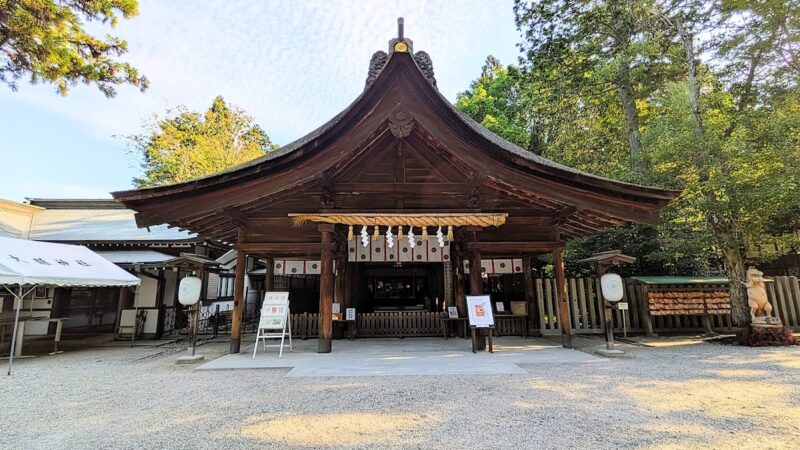
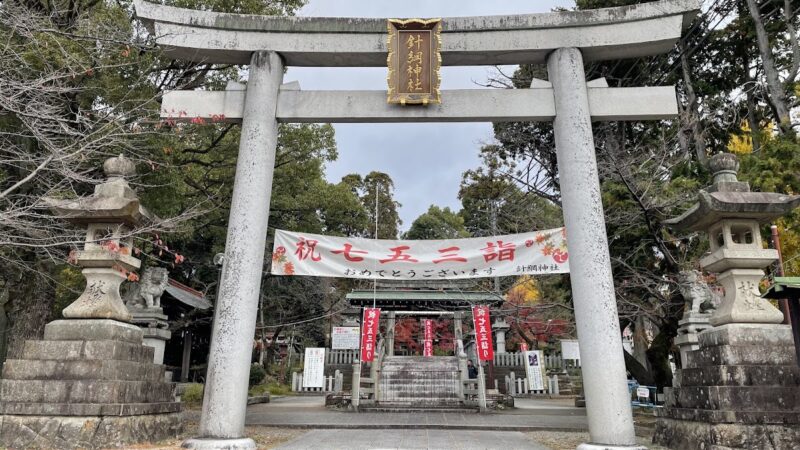
The main gate of Kōtoku-ji Temple is a magnificent gate that evokes the dignity of an ancient temple. Passing through the main gate, which welcomes visitors, the main hall comes into view.
The main hall has a unique architectural style, characterized by a modern design that differs from traditional temple architecture. As a temple of the Shinshu Otani sect, it houses the principal image, a statue of Amida Buddha, and daily services and religious ceremonies are held there.
Atmosphere of the Temple Grounds
Located in a residential area, Kōtoku-ji Temple is enveloped in a tranquil atmosphere. Despite its urban location, stepping onto the temple grounds offers a peaceful space far removed from the hustle and bustle of everyday life.
The temple grounds’ landscaping changes with the seasons, allowing visitors to experience the beauty of nature throughout the year, from cherry blossoms and fresh greenery in spring to vibrant autumn leaves.
Buddhist Services and Rituals Offered at Kōtoku-ji Temple
As a temple of the Shinshu Ōtani sect, Kōtoku-ji Temple offers a variety of Buddhist services and rituals.
Funeral and Memorial Services
Kōtoku-ji Temple primarily conducts the following Buddhist services for its parishioners:
- Funeral and Memorial Service: A funeral service conducted according to the customs of the Shinshu Otani sect.
- First Seventh Day and Forty-Ninth Day Memorial Services: Memorial services for the deceased.
- Annual Memorial Services (First Anniversary, Third Anniversary, etc.): Memorial services held on the anniversary of death.
- Obon and Higan Memorial Services: Seasonal memorial services.
- Hōonkō: The largest Shinshu memorial service commemorating the death anniversary of Shinran Shōnin.
Consultation and Inquiries
Consultations regarding funerals, memorial services, and other Buddhist services are accepted by phone (052-671-3298). Even first-time visitors will receive courteous assistance, so please feel free to inquire.
Interment and Perpetual Memorial Services
For information regarding the availability of cemeteries and columbariums, and perpetual memorial services, please contact the temple directly. As a temple of the Shinshu Otani sect, it operates primarily on the danka (parishioner) system, but it may be considering ways to accommodate modern needs.
The Teachings of the Shinshu Otani Sect and Kōtoku-ji Temple
Deepening your understanding of the teachings of the Shinshu Otani sect, to which Kōtoku-ji Temple belongs, will make the significance of temple visits and memorial services clearer.
Characteristics of Jodo Shinshu Buddhism
Jodo Shinshu Buddhism has several unique characteristics compared to other Buddhist sects:
- Teaching of Salvation by Other Power: Belief in salvation through the power of Amida Buddha’s vow, not through one’s own power.
- Centered on Nembutsu: Chanting the Nembutsu, “Namu Amida Butsu.”
- Lay Buddhism: Marriage of monks is permitted, making it a faith more rooted in daily life.
- View of Funerals: The belief that the deceased has already attained rebirth in the Pure Land.
Etiquette for Visiting Temples
The etiquette for visiting temples of the Shinshu Otani sect has the following characteristics:
- Gassho: Bringing both hands together in front of the chest (rosary may be used).
- Nembutsu: Chanting “Namu Amida Butsu.”
- Incense Offering: Dropping incense directly into the incense burner without touching the forehead (once).
When visiting Kōtoku-ji Temple, it is recommended to refer to these etiquette practices. ## The Temple Culture of Atsuta Ward and the Position of Kōtoku-ji Temple
Atsuta Ward is home to numerous shrines and temples, centered around Atsuta Jingu Shrine. Within this context, Kōtoku-ji Temple plays a unique role as a temple of the Shinshu Otani sect.
Religious Facilities in Atsuta Ward
Atsuta Ward is home to Atsuta Jingu Shrine, one of Japan’s oldest and most prominent shrines, and is known as a sacred site of Shinto. On the other hand, numerous Buddhist temples also exist, forming a unique religious culture where Shinto and Buddhism coexist.
Within this environment, Kōtoku-ji Temple upholds the teachings of Jodo Shinshu Buddhism and functions as a spiritual support for local residents.
Connections with the Community
Kōtoku-ji Temple maintains deep ties with local families through the danka system (parishioner system). The faith passed down through generations through funerals and memorial services also plays a role in strengthening the bonds of the local community.
Even in modern times, with the rise of nuclear families and urbanization, community-based temples like Kōtoku-ji Temple remain important bridges between traditional values and modern needs.
Tourist Attractions Around Kōtoku-ji Temple
When visiting Kōtoku-ji Temple, you can also explore the surrounding tourist attractions.
Atsuta Shrine
Located approximately 1.5 km northeast of Kōtoku-ji Temple, Atsuta Shrine is a historic shrine dedicated to the Kusanagi-no-Tsurugi, one of the Three Sacred Treasures of Japan. The vast grounds include the main shrine and numerous subsidiary shrines, offering opportunities for both worship and leisurely strolls.
Shiratori Garden
Shiratori Garden, one of the largest Japanese gardens in Nagoya City, is located southwest of Kōtoku-ji Temple. This pond-centered strolling garden, modeled after the topography of the Chubu region, offers beautiful scenery throughout the seasons.
Atsuta Jingu Park
Adjacent to Atsuta Jingu Shrine is a park with sports facilities such as a baseball field and tennis courts. Located in a lush green environment, it serves as a place of relaxation for local residents.
Miya-juku (The Fifty-Three Stations of the Tokaido)
Atsuta Ward has a history of flourishing as “Miya-juku,” a post town on the Tokaido Fifty-Three Stations during the Edo period. Historical sites and information boards that retain the atmosphere of that time are scattered throughout, allowing visitors to enjoy a historical walk.
Points to Consider When Planning a Visit to Kōtoku-ji Temple
We have compiled useful information to know when planning a visit to Kōtoku-ji Temple.
Suitable Time for Visiting
Kōtoku-ji Temple is open for visits throughout the year, but the following periods are particularly important for temple events:
- Obon (mid-August): A time for ancestor worship
- Ohigan (around the spring and autumn equinoxes): Higan-e memorial service
- Hōon-kō (late November): A memorial service commemorating the death anniversary of Shinran Shōnin
Since memorial services are held during these periods, it is recommended to check in advance.
Etiquette for Visiting a Temple
Please observe basic etiquette when visiting a temple:
- Pray quietly
- Obtain permission before taking photographs inside the main hall
- Keep the temple grounds clean
- Recognize that it is private property and be respectful
Attire
For regular visits, no special attire is required. However, if attending a memorial service, mourning attire or subdued clothing is appropriate.
The Danka System and Kōtoku-ji Temple
Kōtoku-ji Temple operates on the basis of the Danka system. Understanding the Danka system will clarify your relationship with the temple.
What is a Danka?
A Danka refers to a relationship where a family financially supports a specific temple and, in return, receives services such as funerals and memorial services. In most cases, this is passed down through generations within a family.
How to Become a Danka
If you wish to become a Danka of Kōtoku-ji Temple, you need to consult directly with the temple. Be sure to inquire about membership fees and annual maintenance fees.
In recent years, more temples are adopting flexible approaches that are not bound by the traditional danka (parishioner) system, so we recommend consulting with them first.
The Role of Temples in Modern Times and Kōtoku-ji Temple
In modern society, temples play diverse roles beyond being mere religious facilities. Kōtoku-ji Temple, too, contributes to the local community while adapting to the changing times.
As a Place of Spiritual Support
In today’s stressful society, temples are becoming increasingly important as places where people can find peace of mind. By praying in the quiet temple grounds, one can spend time away from daily life.
As the Core of the Local Community
Temples also play a central role as places where local residents gather. Intergenerational exchanges are fostered through memorial services and events.
Inheritance of Culture and Tradition
Buddhist temples also play a role in preserving and passing on traditional Japanese culture. Many cultural elements, such as architecture, Buddhist statues, Buddhist paintings, and the etiquette of memorial services, are inherited by temples.
Frequently Asked Questions about Kōtoku-ji Temple
Can I visit even if I’m not a danka? While the temple grounds are generally open to visitors, it is recommended to check in advance regarding entry into the main hall and participation in memorial services.
Is it possible to request funeral or memorial services?
For funerals and memorial services for non-parishioners, please consult directly with the temple. Availability depends on the circumstances.
Is there parking?
It is recommended to check parking availability by phone in advance. There are also coin-operated parking lots nearby.
Can I receive a Goshuin (temple stamp)?
Shinshu Otani-ha temples generally do not issue Goshuin. This is based on the doctrines of Jodo Shinshu Buddhism.
Summary
Kōtoku-ji Temple, located in Suga-cho, Atsuta-ku, Nagoya City, is a Shinshu Otani-ha temple that has long been a place of faith deeply rooted in the community. Its convenient location, approximately a 7-minute walk from Atsuta Jingu-Tenmacho Station, is also a major attraction.
While upholding the teachings of the Shinshu Otani sect, Kōtoku-ji Temple also caters to modern needs, providing spiritual support to local residents through Buddhist services such as funerals and memorial services. The temple grounds, characterized by their historic main gate and distinctive main hall, welcome visitors as a tranquil place of worship.
When visiting Atsuta Ward, why not also visit Kōtoku-ji Temple in conjunction with other tourist attractions such as Atsuta Shrine and Shiratori Garden? You will surely find peace of mind by offering prayers in the serene grounds.
For more information about Kōtoku-ji Temple or to inquire about funeral and memorial service arrangements, please contact us by phone at 052-671-3298.