A Complete Guide to Anichiji Temple (Kashiba City, Nara Prefecture) | The History and Benefits of the “Pokkuri Temple” Associated with Eshin Sozu
Located in Ryofukuji, Kashiba City, Nara Prefecture, Anichiji Temple is a historic temple known as the birthplace of Eshin Sozu Genshin, a high-ranking Tendai Buddhist priest of the mid-Heian period. It is nationally famous as the “Pokkuri Temple,” attracting many visitors praying for a peaceful and tranquil death. This article provides a detailed introduction to the charm of this ancient temple, including its history, benefits, important cultural properties, and access methods.
What is Anichiji Temple? | An Overview of the Ancient Temple Known as “Tanjoin”
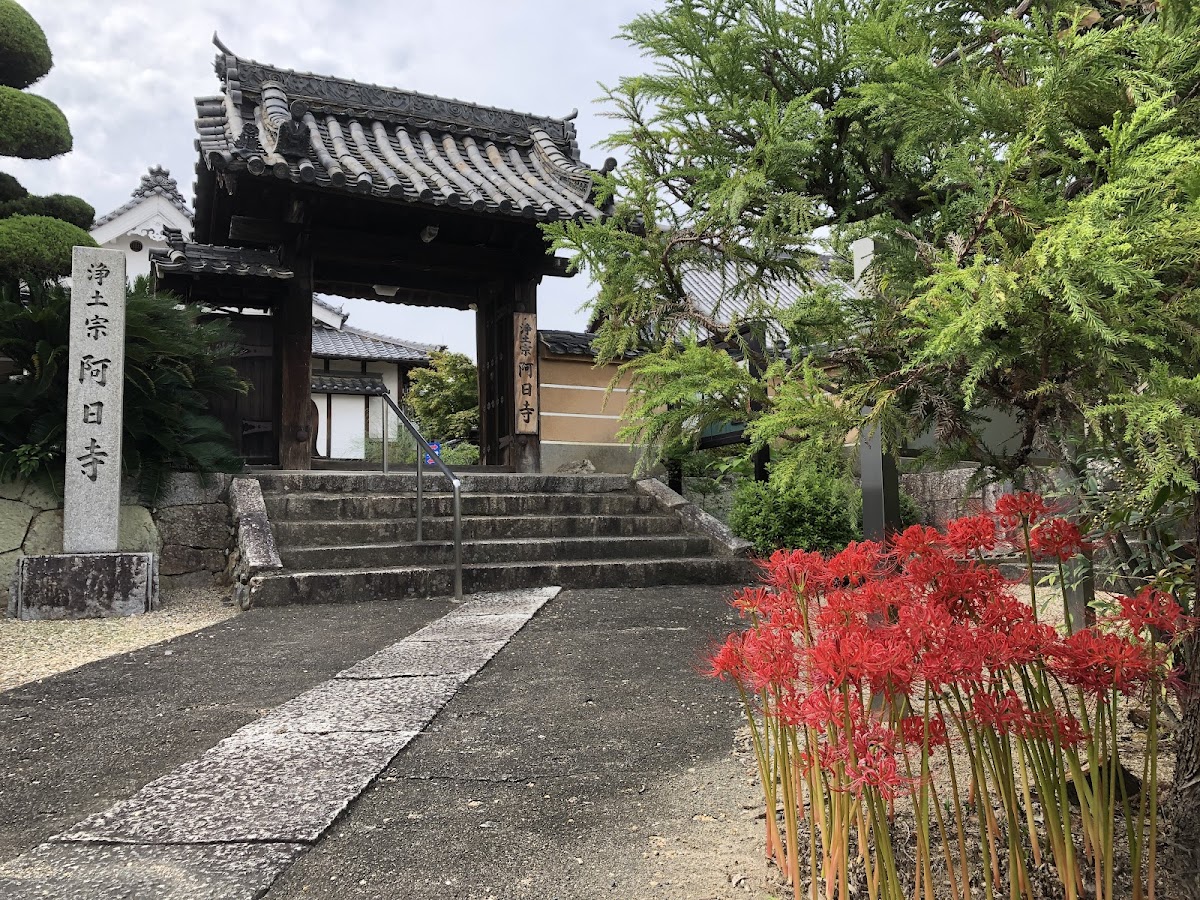
Anichiji Temple belongs to the Jodo sect and is officially called “Tanjoin Anichiji.” The temple’s name is a combination of the characters “A” from the principal image, Amida Nyorai, and “Nichi” from the other principal image, Dainichi Nyorai.
Located at 361 Ryōfukuji, Kashiba City, it is approximately a 15-minute walk (about 1.2 km) from Kintetsu Shimoda Station and about a 20-minute walk (about 1.5 km) from Kintetsu Goido Station. Situated in the Ikoma, Shigi, Ikaruga, and Katsuragi area of Nara Prefecture, it is a quiet temple nestled in a region with a long history dating back to ancient times.
The temple’s bell bears the inscription, “Ryōfukuji Village in Oka-go, Katsuragi-gun, Yamato Province, is the sacred birthplace of Eshin Sōzu,” indicating that this place has been widely believed to be the birthplace of Eshin Sōzu.
The Deep Connection Between Eshin Sōzu Genshin and Ajiji Temple
Who was Eshin Sōzu Genshin?
Eshin Sōzu Genshin (942-1017) was a prominent Tendai Buddhist priest of the mid-Heian period. He studied at Enryaku-ji Temple on Mount Hiei and later resided at Eshin-in in Yokawa, hence his name “Eshin Sōzu.” Genshin’s most famous work is the *Ōjō Yōshū* (Essentials of Rebirth in the Pure Land). This Buddhist text, which explains the method of attaining rebirth in the Pure Land, had a significant influence on the development of Pure Land Buddhism in Japan. Describing the appearances of hell and paradise in detail and expounding on rebirth through chanting the Buddha’s name, this book deeply influenced later founders of Kamakura Buddhism, such as Hōnen and Shinran.
The Legend of Genshin’s Birth at Ajiji Temple
Ajiji Temple is said to be the birthplace of Eshin Sōzu Genshin. Genshin is believed to have been from Yamato Province (present-day Nara Prefecture) and spent his childhood in this area.
According to temple tradition, Genshin himself carved the principal image of Amida Buddha during the mourning period for his mother. This Buddha statue, born from his deep filial piety towards his mother, became the origin of the belief in good health, protection from illness, and peaceful rebirth in the Pure Land. This story forms the basis for Ajiji Temple’s reputation as a “temple for peaceful death.”
Faith as a “Temple for Peaceful Death” | Benefits of a Peaceful Passing
What is a Temple for Peaceful Death?
Ajiji Temple, along with Yoshida-dera Temple in Ikaruga Town, is known nationwide as a “temple for peaceful death.” “Pokkuri” refers to a peaceful death without a long illness or suffering.
In today’s aging society, many people desire a dignified end to their lives. Ajiji Temple receives a constant stream of elderly worshippers from all over the country who share this wish. In particular, it is open to worshippers every day except Wednesdays (except the 10th of each month), attracting many believers.
Origin of the Faith for Peaceful Passing
Ajiji Temple’s faith in peaceful passing is deeply connected to the philosophy of Eshin Sozu Genshin. Genshin’s *Ojo Yoshu* (Essentials of Rebirth in the Pure Land) is a book that teaches that one can attain rebirth in the Pure Land through chanting the Buddha’s name, and its teachings form the foundation of the faith at Ajiji Temple.
The statue of Amida Buddha, said to have been carved by Genshin during his mother’s mourning period, embodies his filial piety and his wish for rebirth in the Pure Land. It has been believed that worshipping this statue brings good health and a peaceful rebirth in the Pure Land.
Main Benefits
The main benefits believed to be obtainable at Ajiji Temple are as follows:
- Peaceful Passing: To pass away peacefully without suffering
- Good Health and Protection from Illness: To live a healthy life free from illness
- Longevity and Longevity: To live a long and healthy life
- Family Safety and Security: To ensure the peaceful lives of all family members
Important Cultural Properties and Highlights of Ajiji Temple
Wooden Seated Statue of Dainichi Nyorai (Important Cultural Property)
The main hall of Ajiji Temple houses a wooden seated statue of Dainichi Nyorai, designated as a National Important Cultural Property. This statue is believed to be a work from the Heian period and is characterized by its elegant form and serene expression.
Dainichi Nyorai is the highest-ranking Buddha in Esoteric Buddhism and is considered to embody the very truth of the universe. The Dainichi Nyorai statue at Ajiji Temple is a valuable cultural property that demonstrates the high level of Buddhist art in the Heian period and is highly valued in art history.
The meticulously carved drapery and serene expression of the statue offer deep peace to the viewer. While advance reservations are required to visit the main hall, the opportunity to see this Buddha statue up close is a well worth the visit.
Amida Buddha and His retinue welcoming the deceased (Important Cultural Property)
Anichiji Temple also houses another important cultural property: the Amida Buddha and His retinue welcoming the deceased. A Raigo painting depicts Amida Buddha, accompanied by numerous bodhisattvas and holy beings, welcoming a dying person to the Pure Land.
This Raigo painting is a type of Pure Land Buddhist art that flourished from the Heian to the Kamakura periods, visually expressing the longing for rebirth in the Pure Land. The Raigo painting at Anichiji Temple is in excellent condition and is a valuable historical document that conveys the state of Pure Land faith at that time.
Half-Seated Jizo Bodhisattva Statue
Ajiji Temple houses a rare half-seated Jizo Bodhisattva statue with one leg lowered. A half-seated statue is a Buddhist statue in a seated position with one leg lowered, representing the figure about to rise to save all sentient beings.
This Jizo Bodhisattva statue is characterized by its elegant form and compassionate expression, providing peace to visitors.
Transom Carvings in the Main Hall
The main hall of Ajiji Temple features magnificent transom carvings. These intricately carved transoms are an important element that highlights the beauty of the temple architecture. The transoms, adorned with flowers, birds, and auspicious motifs, delight the eyes of visitors.
History of Ajiji Temple | A Lineage of Faith Continuing from the Heian Period
Founding and the Heian Period
While Ajiji Temple is believed to have been founded during the Heian period, the exact year of its founding is unclear. Since Eshin Sozu Genshin is believed to have been born in 942, it is thought that some kind of temple facility already existed in the area by the mid-10th century.
The tradition of Genshin’s birthplace became widely known from the medieval period onward, and the temple became a sacred site visited by many believers. The inscription on the temple bell also confirms that this place was recognized as Genshin’s birthplace.
From the Medieval to the Early Modern Period
From the medieval to the early modern period, Ajiji Temple functioned as a center of local faith. With the spread of Pure Land Buddhism, the temple was constantly visited by people seeking peaceful rebirth in paradise.
During the Edo period, it served as the guardian shrine of Ryofukuji Village, attracting the faith of local residents. It is believed that the current main hall and other buildings were constructed during this period.
From the Modern Period Onward
Despite the impact of the anti-Buddhist movement of the Meiji era, Ajiji Temple continued to protect local faith. In the Showa period, its value as a cultural property was recognized, including its designation as an Important Cultural Property.
In modern times, the temple’s reputation as a “temple for sudden death” has become nationally known, and it is positioned as an important tourist and cultural resource in Kashiba City.
Basic Information | Visiting Hours, Access, and Fees
Location and Contact Information
Location: 361 Ryofukuji, Kashiba City, Nara Prefecture 639-0235
Sect: Jodo-shu (Pure Land Buddhism)
Principal Deity: Amida Buddha, Dainichi Buddha
Visiting Hours and Closing Days
Visiting Hours: 9:00 AM – 12:00 PM (Last entry)
Closing Days: Every Wednesday, and the 10th of every month
Visiting Method: Reservations are required to visit the main hall. Please be sure to contact the temple before visiting.
Access Methods
Access by Train
- Approximately 15 minutes on foot from Kintetsu Shimoda Station (approx. 1.2 km)
- Approximately 20 minutes on foot from Kintetsu Goido Station (approx. 1.5 km)
If using the Kintetsu Osaka Line, Shimoda Station is the nearest station. From the station, it’s a walk through a residential area. Goido Station is also within walking distance, but it’s a bit further.
Access by Car
Approximately 10 minutes from the Nishimeihan Expressway “Kashiba IC”. It is recommended to check the availability and number of parking spaces in advance.
Access by Bus
If using Nara Kotsu buses, it’s possible to access the site on foot from the nearest bus stop, but since the number of buses is limited, access by train is more convenient.
Admission Fee
It is recommended to check the admission fee when making a reservation. Generally, a donation may be required to view the interior of the main hall.
Nearby Tourist Attractions | Highlights of Kashiba City and Katsuragi Area
Nearby Temples and Shrines
When visiting Ajiji Temple, you can enjoy a more fulfilling Nara sightseeing experience by also visiting the surrounding temples and shrines.
Taima-dera Temple (Katsuragi City): An ancient temple known for the legend of Princess Chujo, and a valuable temple with two national treasure pagodas (east and west). It is about a 15-minute drive from Ajiji Temple.
Ishikoji Temple (Katsuragi City): Known as a famous spot for peonies and herbaceous peonies, the temple grounds are adorned with beautiful flowers in spring.
Yoshida-dera Temple (Ikaruga Town): Known as a “temple for peaceful death,” along with Ajiji Temple, it is visited by worshippers praying for a peaceful passing.
Highlights of Kashiba City
Mt. Futakami: A mountain with an elevation of 517m straddling Kashiba City and Katsuragi City, popular as a hiking course. There are many Kofun period ruins, making it a great place for historical walks.
Tonkakumine: This area boasts a unique landscape of exposed white tuff and is designated a national natural monument.
Points and Preparations for Visiting Ajiji Temple
Preparation Before Visiting
When visiting Ajiji Temple, be sure to make a reservation in advance. Visiting hours are limited to 9:00 AM to 12:00 PM, and the temple is closed on Wednesdays and the 10th of every month. Especially if you are visiting from afar, prior contact is essential.
Manners for Visiting
As the temple is located in a quiet residential area, please be considerate of the nearby residents. Avoid loud conversations and noisy behavior.
Photography of Buddha statues may be prohibited inside the main hall. Always check whether photography is permitted before taking pictures.
About Goshuin (Temple Stamps)
You can receive a Goshuin at Ajiji Temple. Bring your Goshuincho (stamp book) and politely request one. It’s important to approach temple visits with the understanding that a Goshuin (temple stamp) is proof of your visit, not a collection.
Ajiji Temple and the Ojo Yoshu | What Genshin’s Teachings Convey to the Present
Eshin Sozu Genshin’s *Ojo Yoshu* is an important book that laid the foundation for Japanese Pure Land Buddhism. This book contrasts the suffering of hell with the joys of paradise, explaining that one can attain rebirth in paradise through chanting the Buddha’s name.
The reason Ajiji Temple attracts worshippers as a “temple for peaceful death” is precisely because of the teachings of this *Ojo Yoshu*. The desire to attain peaceful death without suffering has remained unchanged from the Heian period to the present day.
Genshin’s teachings also had a significant influence on the establishment of Honen’s Jodo sect and Shinran’s Jodo Shinshu sect. Visiting Ajiji Temple is also about touching upon an important source in the history of Japanese Buddhism.
Summary | Praying for Peaceful Passing at Ajiji Temple
Ajiji Temple in Kashiba City, Nara Prefecture, has attracted the faith of people for over a thousand years as the birthplace of Eshin Sozu Genshin and as a “temple for peaceful death.” The important cultural properties, the seated statue of Dainichi Nyorai and the Amida Buddha and Saints Welcoming the Deceased, preserve the finest Buddhist art of the Heian period.
This temple, visited by worshippers from all over Japan seeking peaceful passing, is becoming increasingly significant in today’s aging society. As we quietly clasp our hands together before the Amida Buddha statue, imbued with Genshin’s teachings, we are given an opportunity to deeply contemplate life and death.
When visiting Kashiba City or the Katsuragi area, be sure to visit Ajiji Temple, find peace in its tranquil atmosphere, and offer a prayer for peaceful passing. Don’t forget to make a reservation in advance to enjoy this precious experience at this historic temple.