Complete Guide to Kannonji Temple (Kashiba City, Nara Prefecture) | The Charm of the Substitute Kannon and Paper-Cut Goshuin Stamps Associated with Kusunoki Masashige
Kannonji Temple, located in Tajiri, Kashiba City, Nara Prefecture, is a Shingon Buddhist temple of the Koyasan sect associated with Kusunoki Masashige, a hero of the Nanboku-cho period. It is deeply revered locally as the “Substitute Kannon” and “Arrow-Repelling Kannon,” and in recent years has also attracted attention for its beautiful paper-cut goshuin stamps. This article provides detailed information useful for visiting Kannonji Temple, including its history, highlights, goshuin information, and access methods.
History and Origins of Kannonji Temple
Founding and Temple Development
The exact founding year of Kannonji Temple is unknown, but it is an ancient temple believed to have existed since the Nanboku-cho period (1331-1392). As a temple belonging to the Koyasan Shingon sect, it has a long history in a quiet environment at the foot of the northern end of the Katsuragi mountain range.
Although the temple grounds are small, their historical value and the depth of faith they hold transcend their size. Located in the northwestern part of Kashiba City, it has long been a cherished spiritual center for the local people.
The Legend of Kusunoki Masashige and the Substitute Kannon
The reason Kannonji Temple became known as the “Substitute Kannon” and “Arrow-Removing Kannon” lies in a dramatic legend involving Kusunoki Masashige.
In 1331 (Genkō 1), Kusunoki Masashige, who participated in Emperor Go-Daigo’s plan to overthrow the shogunate, fought against the Kamakura shogunate army at Akasaka Castle. However, when Akasaka Castle fell, Masashige narrowly escaped with his life to the village of Tajiri (present-day Tajiri, Kashiba City).
When the Kamakura shogunate’s pursuing army attacked Tajiri, Masashige was struck in the chest by an enemy arrow. However, miraculously, Masashige’s body remained unharmed. That night, Kannon (the Goddess of Mercy) appeared at his bedside and declared, “I have taken the arrow in your place.”
The next morning, upon inspecting the Kannon statue, the principal image of Kannon-ji Temple, it was confirmed that the arrow wound was indeed visible on the statue’s chest. Because of this miracle, the Kannon statue at Kannon-ji Temple came to be known as the “Substitute Kannon” or “Arrow-Proof Kannon,” and it became a popular object of worship for protection against misfortune and disaster.
This legend has been passed down among the local people, partly because Kusunoki Masashige continued to play an active role in the movement to overthrow the shogunate and played a crucial role in the Kenmu Restoration.
The Principal Image and Beliefs of Kannon-ji Temple
Arrow-Proof Substitute Kannon (Principal Image)
The principal image of Kannon-ji Temple is a statue of Kannon said to have taken the arrow in place of Kusunoki Masashige. It is formally called the “Arrow-Proof Substitute Kannon,” and it is said that the arrow wound from when she took the arrow in his place still remains on the statue today.
This Kannon statue is deeply revered for its power to ward off evil, and is especially believed to offer protection from disaster and act as a substitute for others. Locals and visitors from far away come to pray for safety and well-being.
Teachings of the Koyasan Shingon Sect
Kannonji Temple belongs to the Koyasan Shingon sect. Shingon Buddhism is a sect of esoteric Buddhism founded by Kobo Daishi Kukai, and preaches the doctrine of attaining Buddhahood in this lifetime. Kannonji Temple also holds religious services and events based on the teachings of Shingon Buddhism, making it one of the centers of Shingon Buddhism in the region.
Temple Grounds and Highlights
Main Hall
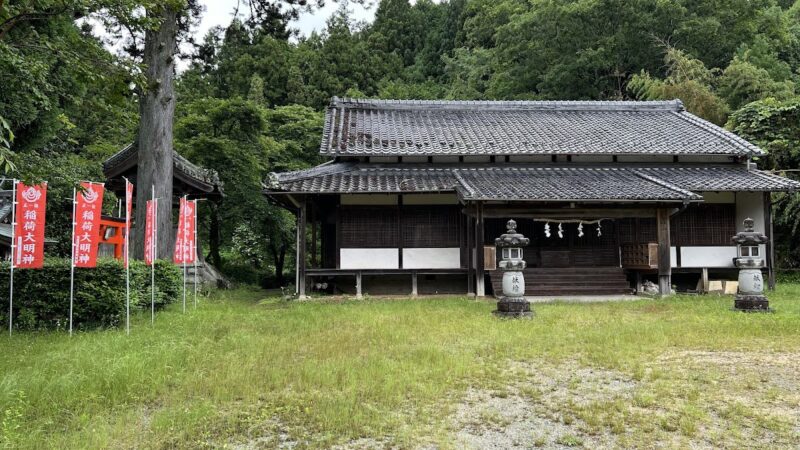
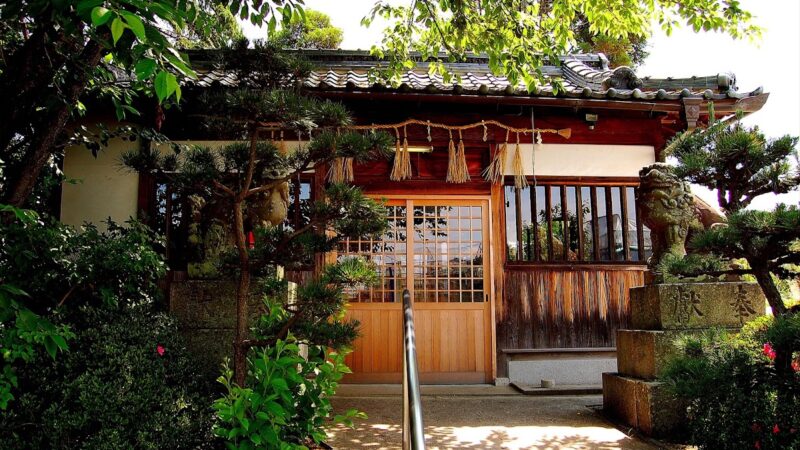
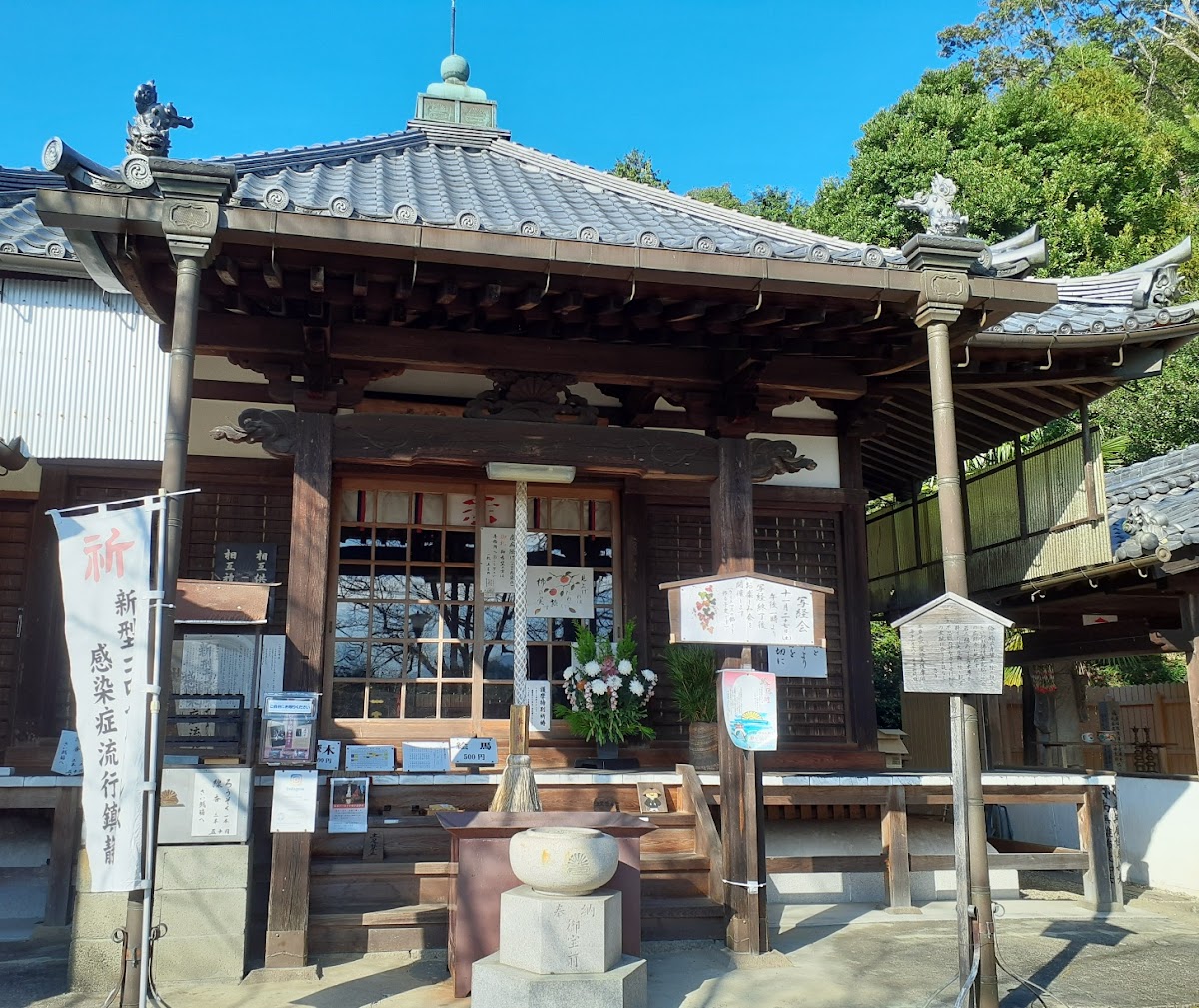
The main hall of Kannonji Temple is a tranquil building situated in a quiet environment at the foot of the mountain. Despite its small size, the meticulously maintained grounds exude the dignity befitting a temple with a long history.
Inside the main hall is the principal image, the Arrow-Proofing and Substitute Kannon, where visitors can quietly offer their prayers. The entire temple grounds are clean and well-maintained, providing visitors with a peaceful and tranquil environment.
Atmosphere of the Temple Grounds
Located at the foot of the Katsuragi Mountains, Kannonji Temple enjoys a serene environment surrounded by nature. Away from the hustle and bustle of the city, it allows for a peaceful visit and a calming atmosphere.
Seasonal flowers bloom within the temple grounds, allowing visitors to enjoy the beauty of each season. Especially during the cherry blossom season in spring and the autumn foliage season, one can appreciate the harmonious blend of natural beauty and the temple’s history.
Surrounding Environment and Access
The road leading to Kannonji Temple passes through a residential area. There is a tunnel nearby, and the location allows visitors to experience the topography of the Katsuragi Mountains while visiting the temple. Due to its quiet environment, a leisurely stroll is recommended.
Charm of the Paper-Cut Goshuin Stamp
Features of Kannonji Temple’s Goshuin Stamp
In recent years, Kannonji Temple has gained popularity for its beautiful paper-cut goshuin stamps. Kannonji Temple places great emphasis on its Goshuin (temple/shrine stamps), and its paper-cut Goshuin, in particular, are so beautiful they resemble works of art, attracting attention from many Goshuin enthusiasts.
These paper-cut Goshuin are characterized by their delicate designs and colors, and various types are available depending on the season and theme. Different designs are sometimes distributed every month, making it a popular temple with many repeat visitors.
Auspicious Paper-Cut Goshuin Pilgrimage
Kannonji Temple is part of the “Auspicious Paper-Cut Goshuin Pilgrimage,” a pilgrimage route visiting multiple temples and shrines in Nara Prefecture. The enjoyment of visiting Nara’s temples and shrines while collecting beautiful paper-cut Goshuin is popular with many visitors.
Goshuin Notebooks and Souvenirs
Kannonji Temple also offers original Goshuin notebooks. These highly designed notebooks are popular as unique souvenirs from Kannonji Temple. In addition to Goshuin, other souvenirs such as amulets are also available, which can be received as mementos of your visit.
Points to Note When Receiving a Goshuin (Temple Seal)
A Goshuin is given as proof of your visit. When visiting Kannonji Temple, please first pay your respects at the main hall, and then receive your Goshuin after offering your prayers with sincerity.
The hours and days for receiving Goshuin may change, so it is recommended to check in advance if you are visiting from afar. Also, please note that the number of paper-cut Goshuin may be limited.
Annual Events and Visiting Information
Main Annual Events
Kannonji Temple, as a Shingon Buddhist temple, holds various religious services and events. In particular, on Kannon’s festival days, local believers gather to deepen their faith.
For monthly events and special religious services, it is recommended to contact the temple directly or check the latest information on social media.
Visiting Hours and Admission Fees
Visiting Kannonji Temple is generally free, but there may be restrictions on the hours for receiving Goshuin. While visiting the temple itself is possible during the daytime, it’s advisable to check the hours in advance if you plan to view the main hall or receive a temple stamp (Goshuin).
There is no set entrance fee, but please prepare an offering and money for the temple stamp.
Access Information
Basic Information
Address: 351 Tajiri, Kashiba City, Nara Prefecture 639-0253
Phone Number: 0745-76-3469
Sect: Koyasan Shingon Buddhism
Access by Train
The nearest station is Sekiya Station on the JR Wakayama Line. Kannonji Temple is approximately an 11-12 minute walk (about 870m) from the station.
From Sekiya Station, head northwest through the residential area. Walking towards the foot of the Katsuragi Mountains will lead you to Kannonji Temple. The route is through a quiet residential area; please follow the signs.
Access by Car
If you are visiting by car, it is about a 10-minute drive from the Kashiba Interchange on the Nishi-Meihan Expressway. You can access it via National Route 165 or prefectural roads.
Regarding parking, since the temple is small, it is recommended to check in advance. Some of the surrounding roads are narrow, so please drive carefully.
Nearby Transportation
Kashiba City is located in the northwestern part of Nara Prefecture, near the border with Osaka Prefecture. It is easily accessible from the Osaka area; using the JR Wakayama Line, you can reach Sekiya Station in about 30 minutes from Tennoji Station in Osaka.
Recommended Nearby Spots
Tourist Spots in Kashiba City
When visiting Kannonji Temple, it is recommended to also visit other spots in Kashiba City. Kashiba City is a region with a long history dating back to ancient times, and many historical sites and cultural properties are scattered throughout.
Mt. Futakami: Mt. Futakami, part of the Katsuragi mountain range, is a beautiful mountain straddling Kashiba City and Katsuragi City. It’s a popular hiking trail, and from the summit you can enjoy a panoramic view of the Osaka Plain.
Donzurubo: Located in the southern part of Kashiba City, this area features a unique landscape of exposed white tuff rock. It’s a spot where you can enjoy the beauty of natural formations.
Nearby Temples and Shrines
Kashiba City and the neighboring cities of Katsuragi, Yamato-Takada, and Sango-cho have many temples and shrines. Starting from Kannonji Temple, you can enjoy a tour of temples and shrines in western Nara Prefecture.
Katsuragi City, in particular, has famous temples such as Taima-dera Temple, and visiting them together is highly recommended.
Food and Souvenirs
Kashiba City has many local restaurants and Japanese confectionery shops. After visiting the temples and shrines, enjoying local cuisine is a highlight of your trip. Nara Prefecture’s specialty products and local sake are also popular souvenirs.
Points to Note When Visiting Kannonji Temple
Manners for Visiting Temples
When visiting a temple, please observe the following basic manners:
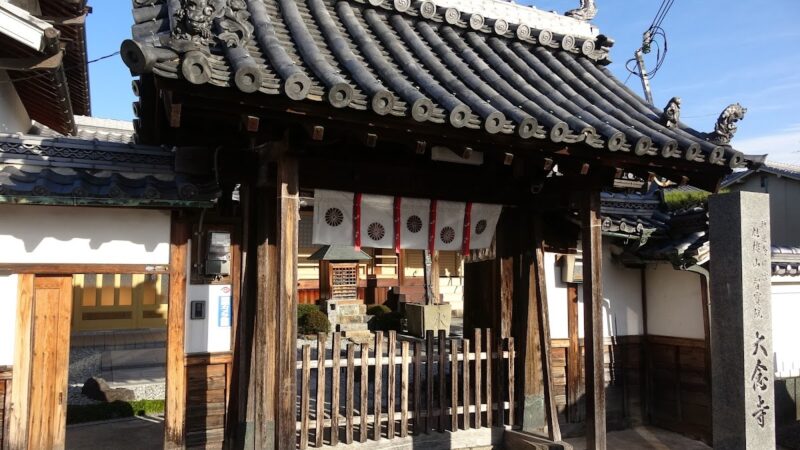
- Bow at the Temple Gate: Bow before entering the temple grounds.
- Proper Hand-Washing Etiquette: If there is a hand-washing station, cleanse your hands and mouth.
- Respect: Be quiet within the temple grounds and avoid disturbing other visitors.
- Photography: Refrain from taking photos in areas where photography is prohibited, such as inside the main hall.
- Goshuin (Temple Stamp): It is customary to receive a Goshuin after your visit.
Recommended Time to Visit
Kannonji Temple can be visited throughout the year, but the following times are particularly recommended:
Spring (March-May): Cherry blossoms and fresh greenery are beautiful, and the weather is mild, making it a pleasant time to visit.
Autumn (October-November): The autumn leaves are beautiful, and the pleasant weather makes it ideal for strolling.
Monthly Festival Days: Special memorial services are sometimes held on the festival days of Kannon (Goddess of Mercy).
Estimated Time Required
While a visit to Kannonji Temple itself only takes about 30 minutes, if you plan to receive a Goshuin (temple stamp) or stroll around the grounds at a leisurely pace, it’s best to allow about an hour.
If you plan to visit other nearby tourist attractions as well, it’s recommended to plan a half-day to full-day trip.
Summary of Kannonji Temple’s Charms
Kannonji Temple in Kashiba City, Nara Prefecture, has a long history of attracting the faith of local people as the “Substitute Kannon,” steeped in the dramatic legend of Kusunoki Masashige. The principal image, believed to offer protection against misfortune and disaster, continues to provide peace and hope to many visitors.
In recent years, it has also gained attention for its beautiful paper-cut Goshuin, and as a temple where tradition and modernity harmonize, it is loved by people of all ages. Its location at the quiet foot of the Katsuragi Mountains makes it an ideal place to escape the hustle and bustle of the city and find peace of mind.
Kannonji Temple, located in Kashiba City and easily accessible from Osaka, is a charming temple where you can enjoy historical romance, faith, and artistic goshuin (temple stamps). When visiting western Nara Prefecture, be sure to stop by. The Kannon statue, imbued with the legend of Kusunoki Masashige, will warmly welcome you.
Frequently Asked Questions (FAQ)
Q1: Can I get a goshuin at Kannonji Temple anytime?
A1: The hours for receiving goshuin may vary depending on the day. Especially for the paper-cut goshuin, quantities may be limited, so we recommend calling ahead to confirm if you are visiting from afar. Also, please note that we may not be able to provide goshuin during religious services or events.
Q2: Is there parking?
A2: Kannonji Temple is a small temple, so parking may be limited. If you are visiting by car, please inquire with the temple in advance or consider using public transportation. The surrounding roads are narrow in some places, so please drive carefully.
Q3: How much is the entrance fee to Kannonji Temple?
A3: Entry to the grounds of Kannonji Temple is generally free. However, there is a fee for receiving a temple stamp (Goshuin). Additionally, offerings and the cost of any gifts are separate.
Q4: Can I learn more about the legend of Kusunoki Masashige?
A4: The legend of Kusunoki Masashige and the substitute Kannon is passed down at Kannonji Temple. If the head priest or other related individuals are present during your visit, you may be able to hear their stories. Furthermore, there are other historical sites related to Kusunoki Masashige within Kashiba City, so visiting them together will deepen your understanding.
Q5: Are there any places to eat nearby?
A5: Since the area around Kannonji Temple is residential, there aren’t many restaurants near the temple. There are restaurants around Sekiya Station and in the center of Kashiba City, so we recommend using those. Also, if you travel a short distance by car, you’ll find restaurants scattered along National Route 165.
Q6: What is the Kichijo Kirie Goshuin Pilgrimage?
A6: The Kichijo Kirie Goshuin Pilgrimage is a pilgrimage to collect beautiful paper-cut goshuin (temple/shrine stamps) at several temples and shrines in Nara Prefecture. Kannonji Temple is one of them, and while collecting artistic goshuin, you can learn about the history and faith of each temple and shrine. Details can be found at each temple/shrine or on related websites.