Kumedera Temple (Kashihara City, Nara Prefecture) Complete Guide | History, Highlights, Access, and Benefits
Kumedera Temple, located in Kume-cho, Kashihara City, Nara Prefecture, is an ancient temple said to have been founded during the Asuka period. It is known as a temple steeped in numerous legends, including the theory that it was built by Prince Kume, the younger brother of Prince Shotoku; the legend of the fall of the Kume hermit; and its history as the “birthplace of Shingon Buddhism,” where Kobo Daishi Kukai received a revelation of the *Mahavairocana Sutra*, the fundamental scripture of Shingon Esoteric Buddhism.
Despite its convenient location just a 5-6 minute walk from Kashihara-jingumae Station, the temple grounds offer a tranquil setting where visitors can admire the important cultural property, the multi-storied pagoda, and the Yakushi Nyorai (Medicine Buddha), known for its blessings of healing eye diseases. This article comprehensively introduces everything you need to know before visiting Kumedera Temple, from its history and highlights to its benefits and access information.
History and Origin of Kume-dera Temple
Legend of Founding by Prince Kume
Several legends remain regarding the founding of Kume-dera Temple, but the most widely known is the theory that it was built by Prince Kume, son of Emperor Yomei and younger brother of Prince Shotoku, at the request of Empress Suiko.
It is said that Prince Kume suffered from an eye disease, and after praying to Yakushi Nyorai (the Medicine Buddha) for his complete recovery, his eye disease was miraculously cured. In gratitude, he is said to have built Kume-dera Temple in the late 7th century and enshrined Yakushi Nyorai as its principal image. Because of this origin, the principal image of Yakushi Nyorai at Kume-dera Temple is believed to have miraculous powers against eye diseases, and many worshippers still visit the temple today.
Legend of the Fall of Kume Sennin
Kume-dera Temple also has another, more folkloric, founding legend: the legend of Kume Sennin.
The legend of Kume Sennin tells of a hermit who, having gained supernatural powers, could fly freely through the sky. One day, while flying, he saw the white legs of a young woman washing clothes in a river. The moment he was captivated by her beauty, he lost his powers and fell to the ground. The legend then tells of Kume Sennin marrying the woman, and together they founded Kume-dera Temple.
This legend depicts the human side of even a spiritual ascetic, being moved by worldly beauty, and is passed down as a story symbolizing the approachable character of Kume-dera Temple.
Kukai and the Birthplace of Shingon Buddhism
A noteworthy aspect of Kume-dera Temple’s history is its deep connection to Kobo Daishi Kukai. It is said that Kukai stayed at Kume-dera Temple in his youth and received a revelation there, receiving the Mahavairocana Sutra, the fundamental scripture of Shingon Esoteric Buddhism.
This event led to Kume-dera Temple being positioned as the “birthplace of Shingon Buddhism” and a “sacred site of Shingon Buddhism,” and it continues to play an important role as a special head temple of the Omuro branch of Shingon Buddhism. Numerous anecdotes about Kukai remain, making it a special pilgrimage site for Shingon Buddhist followers.
Historical Changes and Restoration
It is believed that Kume-dera Temple, at the time of its founding, was a large temple boasting a vast complex located south of its current location. Archaeological excavations have confirmed the temple grounds from the Asuka to Nara periods, revealing its immense scale.
However, from the medieval period onward, the temple declined due to wars and fires. The current Kume-dera Temple was restored after the Edo period, and although it has lost some of its former grandeur, it continues to preserve its historical value and cultural assets.
Highlights of Kume-dera Temple
Tahōtō Pagoda (Important Cultural Property)
The first thing that catches the eye when visiting Kume-dera Temple is the elegant Tahōtō pagoda within the temple grounds. This pagoda is designated as a National Important Cultural Property and is a symbolic structure of Kume-dera Temple.
Originally located at Ninna-ji Temple in Kyoto, this pagoda was relocated to Kume-dera Temple during the Keicho era in the early Edo period. It retains many characteristics of the Momoyama style, and is a beautiful building with ornate decorations and a well-proportioned form.
The two-story pagoda has the unique form of a multi-story pagoda, with a square lower story and a circular upper story, and its cypress bark roof forms an elegant curve. Even after more than 400 years since its relocation, it remains a valuable cultural asset that has maintained its beauty.
Principal Image of Yakushi Nyorai and the Main Hall
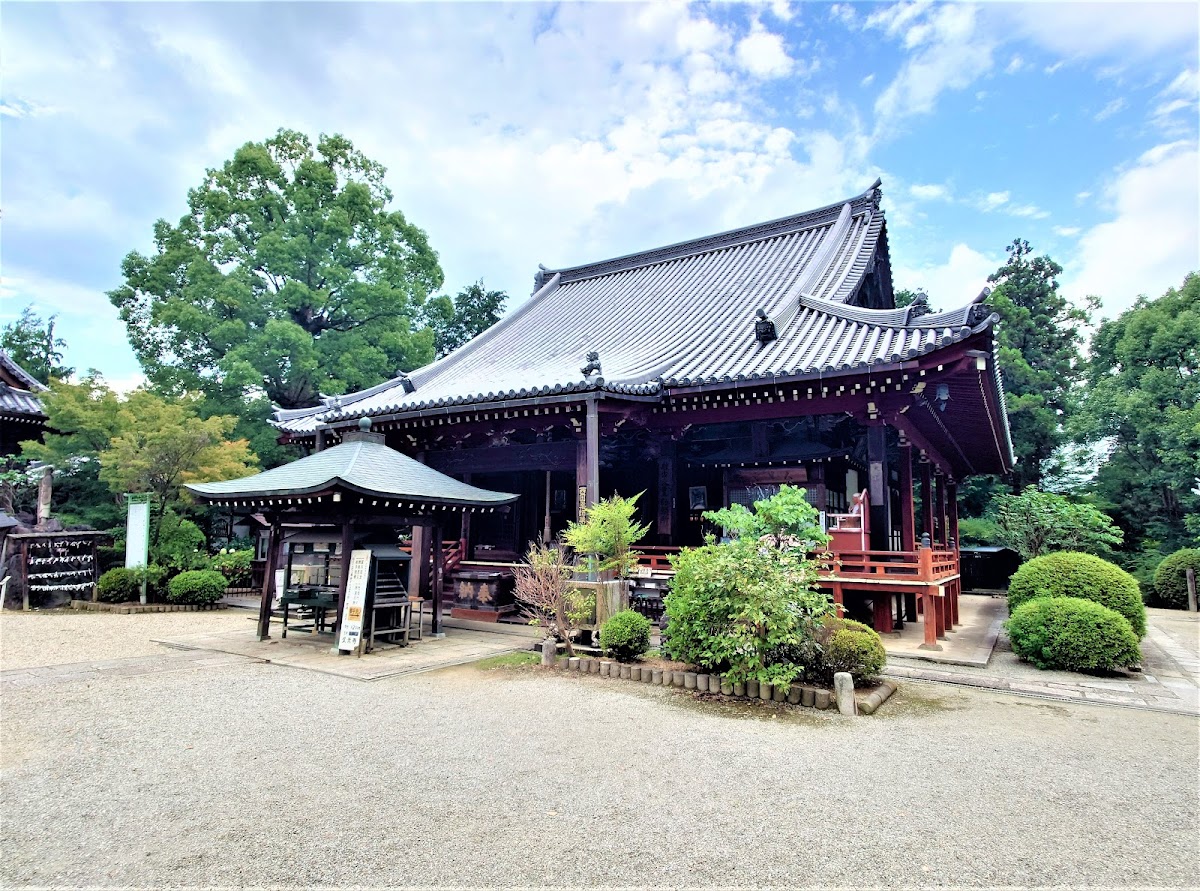
The principal image of Kume-dera Temple is a seated statue of Yakushi Nyorai (Medicine Buddha), enshrined in the Main Hall. Due to its origin in the complete recovery of Prince Kume’s eye disease, it is particularly believed to have the power to heal eye ailments and has attracted many worshippers since ancient times.
Yakushi Nyorai (the Medicine Buddha) is known as the Buddha of medicine, and a constant stream of worshippers visit to pray for healing from illness and for good health and longevity. In particular, people with eye problems come from all over Japan to offer their prayers.
Hydrangea Garden and Flower Temple
Kume-dera Temple is also known as a “flower temple,” and its hydrangea garden is especially magnificent in early summer. Numerous hydrangeas are planted on the temple grounds, and a riot of colorful blossoms blooms from June to July.
In the hydrangea garden, you can enjoy hydrangeas of various colors, including blue, purple, pink, and white, and it’s a popular photo spot with the pagoda in the background. During the rainy season, the hydrangeas, glistening with rain, harmonize with the atmosphere of the ancient temple, captivating visitors.
During the hydrangea season, a special Buddhist service called “Hydrangea Prayer” is held, attracting many worshippers.
Highlights of the Temple Grounds
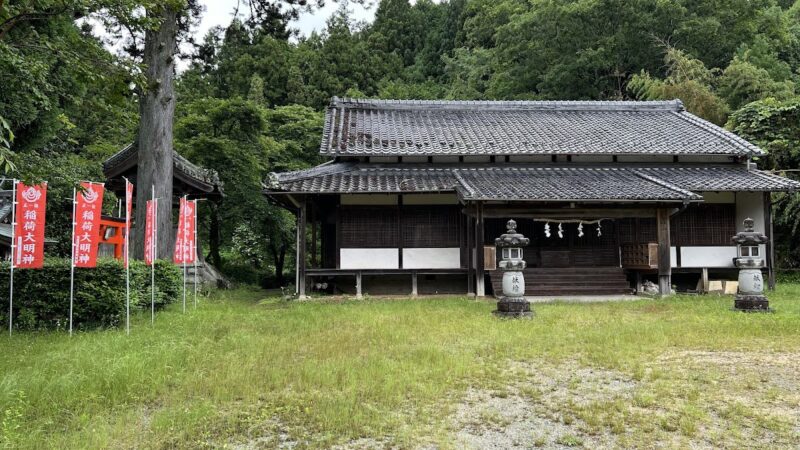
While Kume-dera Temple’s grounds are not particularly vast, they exude a tranquil atmosphere, with historical elements evident throughout.
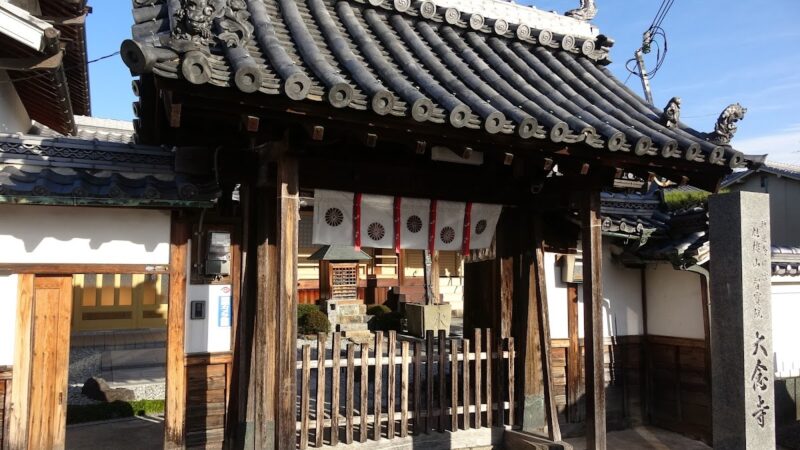
Upon passing through the main gate, the main hall (Kondo) is directly ahead, with the pagoda (Tahoto) located behind it. Despite its compact size, the temple’s layout is remarkably beautiful. Within the grounds, there are stone monuments and explanatory plaques related to Kume Sennin (the hermit), allowing visitors to immerse themselves in the world of legend.
Seasonal flowers are planted around the main hall, offering the beauty of nature throughout the year, including hydrangeas, cherry blossoms in spring, and autumn leaves.
Benefits of Kume-dera Temple
Healing of Eye Diseases
Kume-dera Temple is most famous for its healing of eye diseases. Based on the legend of Prince Kume’s complete recovery from an eye disease, the principal image, Yakushi Nyorai (Medicine Buddha), is believed to have special miraculous powers for treating eye ailments and restoring vision.
In modern times, people with various eye problems, such as cataracts, glaucoma, nearsightedness, and presbyopia, visit the temple. Furthermore, people who use their eyes for work, and students preparing for exams, sometimes visit to pray for eye health.
Healing from Illness and Longevity
Yakushi Nyorai, as the Buddha of medicine, is believed to grant blessings for healing from all kinds of illnesses, not just eye diseases, and for longevity. Those suffering from chronic illnesses or persistent ailments, in particular, visit to pray for recovery.
Benefits as a Sacred Site of Shingon Buddhism
As the birthplace of Shingon Buddhism, where Kukai received his revelation of the Mahavairocana Sutra, it is an important sacred site for those seeking Buddhist practice and spiritual enlightenment. For Shingon Buddhist followers, it is considered a sacred site where special merit can be obtained.
Annual Events and Special Viewings
Nerikuyo (Procession Ceremony)
At Kume-dera Temple, the traditional “Nerikuyo” ceremony is held every year on May 3rd. Also known as the Raigo-e (Welcome Ceremony), this is a Buddhist service that recreates the scene of Amida Buddha, accompanied by bodhisattvas and celestial beings, coming from the Pure Land to welcome the deceased.
The procession of monks and children in vibrant costumes, accompanied by the sounds of gagaku (ancient Japanese court music), parades through the temple grounds, a precious cultural heritage that conveys the elegant Buddhist rituals of the Heian period.
Hydrangea Prayer Ceremony
In late June, when hydrangeas are in full bloom, the “Hydrangea Prayer Ceremony” is held. This Buddhist service, where worshippers pray for the health and fulfillment of their wishes while admiring the beauty of the flowers, attracts many flower lovers and photography enthusiasts.
Other Annual Events
Kume-dera Temple also holds various other Buddhist events throughout the year, including the New Year’s Shushō-e ceremony, the spring and autumn equinox services, and the Obon (Buddhist festival) Segaki (feeding of hungry ghosts) ceremony. Some of these events are open to general visitors, allowing them to experience the vibrant faith of the temple.
Basic Information and Access
Location and Contact Information
Address: 502 Kume-cho, Kashihara City, Nara Prefecture 634-0063
Phone: 0744-27-2470 (Please note the inquiry hours)
Visiting Hours and Admission Fees
Visiting Hours: 9:00 AM – 5:00 PM (Open all year round)
Admission Fee: Adults 400 yen, Junior and Senior High School Students 200 yen, Elementary School Students 100 yen
*May change during special viewing periods or events
Access Method
Access by Train
Access to Kume-dera Temple is very convenient. The nearest station is Kashihara-jingumae Station on the Kintetsu Kashihara Line and Minami-Osaka Line, and it is conveniently located about a 5-6 minute walk from the station.
Route from Kintetsu Kashiharajingu-mae Station:
- Exit the station’s central exit and proceed in the opposite direction from Kashiharajingu Shrine (east).
- Turn left at the first traffic light and continue straight.
- After approximately 300 meters, you will see the main gate of Kume-dera Temple on your right.
Kashiharajingu-mae Station is easily accessible, approximately 40 minutes by limited express train from Osaka Abenobashi Station, and approximately 1 hour from Kyoto Station via the Kintetsu Kyoto Line and Kashihara Line.
Access by Car
Keinawa Expressway: Approximately 10 minutes from Kashihara Kita IC
Nishi-Meihan Expressway: Approximately 30 minutes from Koriyama IC via National Route 24
Parking: Free parking is available on the temple grounds (please note that spaces are limited, so be aware of potential congestion).
Nearby Tourist Attractions
Kume-dera Temple is located in the center of Kashihara City, and there are many tourist attractions in the surrounding area.
Kashihara Shrine
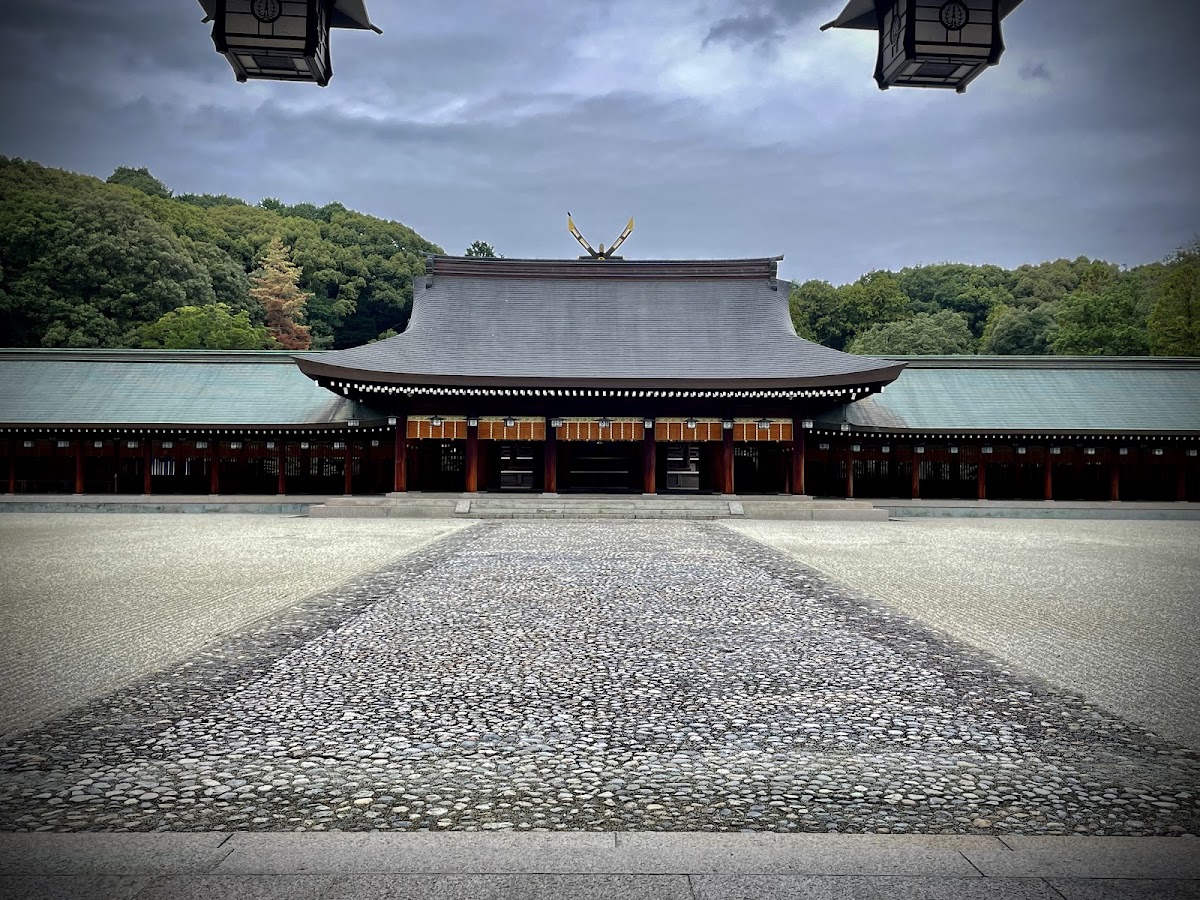
Located about a 10-minute walk from Kume-dera Temple, Kashihara Shrine is a prestigious shrine dedicated to Emperor Jimmu, the first emperor of Japan. Its vast grounds and magnificent shrine buildings are well worth seeing, and many visitors combine a visit to Kashihara Shrine with a visit to Kume-dera Temple.
At the Kashihara Shrine Treasure Museum (Reverence Hall), you can view treasures and historical materials related to the Imperial family.
Ofusa Kannon Temple
Located in Ofusa-cho, Kashihara City, Ofusa Kannon Temple is a famous flower temple known for its roses and hydrangeas. The spring rose festival and the early summer hydrangea season are particularly spectacular, and many tourists enjoy a “flower tour” combining a visit to Ofusa Kannon with a visit to the hydrangeas at Kume-dera Temple.
Kasuga Shrine (Kashihara City)
There are several Kasuga Shrines within Kashihara City, all of which are cherished as local guardian shrines. While strolling around Kume-dera Temple, we also recommend visiting the local shrines and temples.
Around Mount Unebi
To the west of Kume-dera Temple stands Mount Unebi, one of the three mountains of Yamato. Although it’s a low mountain at 199 meters, the summit offers panoramic views of Kashihara city and the Nara Basin, making it a popular hiking destination.
Goshuin (Temple Seal) at Kume-dera Temple
You can receive several types of goshuin at Kume-dera Temple.
Standard Goshuin
The standard goshuin is of the principal image, Yakushi Nyorai (Medicine Buddha). It features the words “Yakushi Nyorai” written in powerful calligraphy, and is stamped with the Kume-dera Temple seal.
Goshuin of the Saigoku Forty-Nine Yakushi Pilgrimage
Kume-dera Temple is designated as the seventh temple of the “Saigoku Forty-Nine Yakushi Pilgrimage,” and there is a special goshuin available for pilgrims. This Goshuin (temple stamp) is especially meaningful for those visiting sacred sites dedicated to the worship of Yakushi Nyorai (Medicine Buddha).
Goshuincho (Stamp Book)
Original Goshuincho are also available, featuring designs such as the Kume-dera Temple’s pagoda and hydrangeas, with different designs available depending on the season.
Goshuin Reception Hours: 9:00 AM – 5:00 PM
Donation Fee: Usually around 300-500 yen
Points to Note When Visiting Kume-dera Temple
Recommended Time to Visit
Hydrangea Season (June – Early July): This is the time when the hydrangea garden, Kume-dera Temple’s main attraction, is in full bloom. The combination of colorful hydrangeas and the pagoda is a spectacular sight.
Nerikuyo Day (May 3rd): This is a valuable opportunity to witness a traditional Buddhist ceremony. The colorful procession is perfect for photography.
Spring and Autumn: The cherry blossom and autumn foliage seasons are beautiful, making it ideal for a visit in conjunction with other sightseeing in the area, such as Kashihara Shrine.
Estimated Time Required
Kume-dera Temple’s grounds are compact, so a typical visit can be completed in 30 minutes to an hour. If you plan to visit during hydrangea season or take your time taking photos, allow 1 to 1.5 hours.
Clothing and Items to Bring
The grounds are flat and easy to walk on, but there are also cobblestone areas, so comfortable walking shoes are recommended. In summer, the sun is strong, so a hat or parasol is recommended. Also, if you plan to receive a temple stamp, please remember to bring your stamp book.
Photography
Photography is generally permitted on the temple grounds, but there are some areas where photography is prohibited, such as inside the main hall. Please be considerate of other visitors. The combination of the pagoda and hydrangeas is a perfect photo spot.
Model Itinerary Around Kume-dera Temple
This is a model half-day sightseeing itinerary for Kashihara City, centered around Kume-dera Temple.
Morning Course (approx. 3-4 hours)
- Arrive at Kintetsu Kashiharajingu-mae Station (9:00)
- Visit Kume-dera Temple (9:10-10:00) – Enjoy a peaceful visit in the quiet morning grounds
- Visit Kashihara Jingu Shrine (10:15-11:30) – Stroll through the vast grounds
- Visit Kashihara Jingu Treasure Museum (11:30-12:00) – View historical artifacts
- Lunch in the surrounding area (12:00-13:00) – Numerous restaurants around Kashiharajingu-mae Station
Full Day Course (approx. 6-7 hours)
In addition to the morning course:
- Visit Ofusa Kannon Temple (13:30-14:30) – Enjoy roses and hydrangeas
- Imai-cho Stroll (15:00-16:30) – A Preservation District for Important Traditional Buildings, preserving the townscape of the Edo period
- Return to Kashihara-jingumae Station (17:00)
This course allows you to experience the history and culture of Kashihara from ancient times to the early modern period in one day.
Summary: The Charm of Kume-dera Temple
Kume-dera Temple in Kashihara City, Nara Prefecture, is a temple with diverse attractions, including its history dating back to the Asuka period, the endearing legend of Kume Sennin, its religious significance as the birthplace of Shingon Buddhism associated with Kobo Daishi Kukai, and its important cultural property, the Tahoto pagoda and beautiful hydrangea garden.
People with various purposes visit the temple, such as worshippers seeking healing for eye diseases, tourists interested in history and cultural properties, people who appreciate the beauty of flowers, and pilgrims deepening their faith in Shingon Buddhism, and each has elements to satisfy them.
Its excellent accessibility, just a 5-6 minute walk from Kashihara-jingumae Station, is a major attraction. When visiting Kashihara City, the historical center of Nara Prefecture, be sure to visit Kume-dera Temple and experience its tranquil atmosphere and rich history.
While Kume-dera Temple is particularly beautiful during hydrangea season, it has its own unique charm throughout the year, making it a temple where you can discover something new with each visit. As a place of worship that has continued from ancient times to the present day, and as a cultural asset that tells the history of Nara, Kume-dera Temple continues to leave a deep impression on those who visit.