Muryoin Saikoji Temple (Nara Prefecture) Complete Guide | History, Access, and Highlights Explained in Detail
About Muryoin Saikoji Temple
Muryoin Saikoji Temple is a Jodo sect temple located in Imai-cho, Kashihara City, Nara Prefecture. Its official name is “Jumyozan Muryo Seijokyoin Saikoji,” and it is the sixth temple on the Yamato Twenty-Five Sacred Sites pilgrimage route and a special Nenbutsu training hall, beloved by many worshippers.
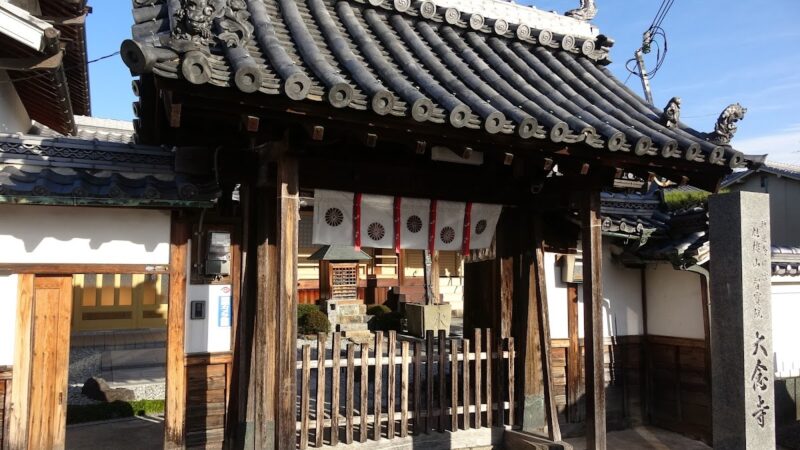
Imai-cho is known as an important traditional building preservation district, retaining much of its Edo-period townscape. Saikoji Temple, nestled within this historical landscape, has a long history as a center of local faith. A stone pillar inscribed with “Special Nenbutsu Training Hall, Yamato Twenty-Five Sacred Sites” stands in front of the temple gate, quietly welcoming visitors.
Basic Temple Information
Official Name: Jyumyozan Muryo Seijokyoin Saikoji
Sect: Jodo-shu (Pure Land Buddhism)
Mountain Name: Jyumyozan
Temple Name: Muryo Seijokyoin
Sacred Site: No. 6 of the 25 Sacred Sites of Yamato, Special Nembutsu Training Hall
Location: Imai-cho, Kashihara City, Nara Prefecture
Principal Image: Amida Buddha
History and Origins of Saikoji Temple
Founding and Development
There are various theories regarding the founding date of Saikoji Temple, but it is known as a temple that has grown alongside the development of Imai-cho. From the Sengoku period to the Edo period, Imai-cho flourished as a temple town of the Jodo Shinshu sect and prospered as a commercial city. Within this context, Saikoji Temple, as a Jodo-shu temple, served as a spiritual pillar for the local residents.
The Jodo sect, founded by Honen Shonin, teaches that anyone can attain rebirth in the Pure Land by chanting “Namu Amida Butsu.” Saiko-ji Temple has continued to uphold this teaching, providing a place for Nembutsu practice as a special Nembutsu training hall.
Connection to Imai-cho
Imai-cho was a town that prospered economically, so much so that it was said, “Seven-tenths of Yamato’s wealth is in Imai.” Many townhouses designated as important cultural properties remain. Saiko-ji Temple is located on the east side of Imai-cho, at the end of Daiku-machi Street, and plays an important role as part of the town’s historical landscape.
In Imai-cho, where the Edo period town layout remains intact, Saiko-ji Temple has functioned not merely as a religious facility, but as a core of the local community.
Highlights of the Temple Grounds
Temple Gate and Distinctive Wall
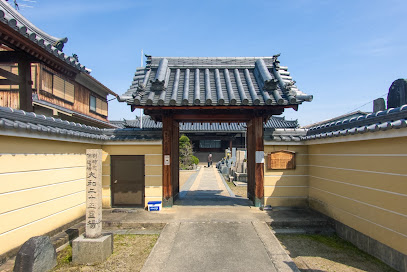
Saiko-ji Temple’s temple gate is accessed from the south, requiring visitors to walk around before entering. This layout follows the town plan of Imai-cho, reflecting the historical urban planning.
The wall surrounding the temple grounds is a distinctive cream color, standing out from the surrounding landscape. This wall reflects the traditional architectural style of Imai-cho while creating a unique beauty for Saiko-ji Temple.
Main Hall and Principal Image
The main hall houses the principal image, Amida Buddha. Amida Buddha is the most important Buddha in the Jodo sect, as the principal deity of the Western Pure Land. Visitors can find peace of mind by quietly joining their hands in prayer and chanting the Nembutsu in the main hall.
The architectural style of the main hall possesses the characteristics of traditional Buddhist architecture, combining the beauty and solemnity of wooden construction. A calm atmosphere is maintained inside the hall, allowing visitors to offer their prayers in silence.
Significance as a Sacred Site
Saiko-ji Temple is the sixth temple on the Yamato Twenty-Five Sacred Sites pilgrimage route, making it an important place of worship for pilgrims. The Yamato Twenty-Five Sacred Sites pilgrimage is a route through Jodo sect temples in Nara Prefecture, where devout believers visit each temple, accumulating merit by chanting the Nembutsu (invocation of Amida Buddha).
The stone pillar in front of the temple gate, “Betsuji Nembutsu Dojo Yamato Twenty-Five Sacred Sites,” indicates that this temple is an important base for the pilgrimage. The pilgrimage is not merely sightseeing, but a valuable opportunity for self-reflection and to engage with the teachings of Buddhism.
Access and Transportation Information
Access by Train
Nearest Station: Kintetsu Kashihara Line “Yagi-Nishiguchi Station” or “Unebi-Goryomae Station”
Travel Time: Approximately 15-20 minutes on foot from the station
If using the Kintetsu Osaka Line or Kashihara Line, it is convenient to transfer at Yamato-Yagi Station and alight at Yagi-Nishiguchi Station or Unebi-Goryomae Station. Walking from the station through the preserved townscape of Imai-cho allows you to enjoy the atmosphere of the Edo period as you reach Saiko-ji Temple.
Access by Bus
You can also use the Kashihara City Community Bus. Take a bus bound for Imai-cho, get off at the nearest bus stop, and it’s a few minutes’ walk from there. It is recommended to check the bus schedule in advance.
Access by Car
Major Roads: Take National Route 24 or 165 towards Imai-cho.
Parking: Use the Imai-cho Tourist Parking Lot (Free)
Imai-cho has a free tourist parking lot, from which you can walk to Saiko-ji Temple. However, the roads in the town are narrow and historical buildings are densely packed, so it is recommended to refrain from driving into the town and instead explore on foot from the parking lot.
Address and Map Information
Address: Imai-cho, Kashihara City, Nara Prefecture (Please contact the temple directly for the exact address)
Access Points: East side of Imai-cho, at the end of Daikumachi-suji Street, heading east.
Imai-cho is characterized by its grid-like street layout. If you proceed straight east along Daikumachi-suji Street, you will reach the main gate of Saiko-ji Temple. There are also signposts within the preserved townscape area, so even first-time visitors can arrive relatively easily.
Points and Etiquette for Worship
Jodo Sect Worship Etiquette
At Saiko-ji Temple, a Jodo Sect temple, the following etiquette is recommended for worship.
- A Bow at the Temple Gate: Bow before passing through the temple gate to compose your mind.
- Purification at the Water Basin: If there is a water basin, purify your hands and mouth.
- Worship at the Main Hall: Join your hands in prayer in front of the main hall and chant “Namu Amida Butsu.”
- Offering a Coin: Offer your coin with sincerity.
- A Bow Upon Departure: Turn back and bow as you leave the temple gate.
About Special Nembutsu Practice
Saikoji Temple is known as a “Special Nembutsu Dojo.” Special Nembutsu practice is a traditional Jodo sect practice of intensive Nembutsu practice during a special period. Its purpose is to deepen one’s connection with Amida Buddha by stepping away from daily life and chanting the Nembutsu wholeheartedly.
Even ordinary visitors can experience a part of this traditional practice by quietly chanting the Nembutsu. ## Nearby Attractions and Spots
Historic Townscape of Imai-cho
After visiting Saikoji Temple, we highly recommend taking a stroll through the entire Imai-cho area. Imai-cho boasts the following attractions:
Important Cultural Property Townhouses
- Imanishi Residence: The residence of the town’s chief elder, with a castle-like structure.
- Toyoda Residence: A typical example of Edo-period merchant architecture.
- Takagi Residence: A merchant house that operated a rice shop.
- Otomura Residence: A townhouse that operated a hardware store.
Interior tours of these buildings are sometimes possible (prior confirmation recommended), allowing you to experience Edo-period lifestyle firsthand.
Shonenji Temple
Don’t miss Shonenji Temple, a Jodo Shinshu Buddhist temple and the central temple of Imai-cho. It was the starting point for the development of Imai-cho and boasts a magnificent main hall and grounds.
Tourist Attractions in Kashihara City
Kashihara Shrine
A shrine dedicated to Emperor Jimmu, the first emperor of Japan, located about 10 minutes by car from Saikoji Temple. It features a vast precinct and magnificent shrine buildings.
Fujiwara Palace Site
The site of the palace of Fujiwara-kyo, the capital of the Asuka period. Beautiful flowers bloom in each season, making it a spot where you can feel the romance of history.
Imai Townscape Exchange Center “Hana-Iraka”
A facility where you can learn about the history and culture of Imai town. Convenient as a starting point for exploring the townscape.
Annual Events and Special Viewings
Main Annual Events
As a Jodo sect temple, Saikoji Temple holds the following annual events (please contact the temple directly for details).
Shushōe: New Year’s memorial service
Spring Equinox Service: Spring equinox memorial service
Obon Memorial Service: Memorial service for ancestors
Autumn Equinox Service: Autumn equinox memorial service
Jūya Memorial Service: Memorial service centered on chanting the Buddha’s name
These events are sometimes open not only to temple members but also to general visitors. Especially during the equinox and Obon periods, many people visit to pay respects to their ancestors.
Pilgrimage Registration
Pilgrims of the 25 sacred sites of Yamato can receive a temple seal and a sacred image at Saikoji Temple. It is recommended to check the registration hours and conditions for pilgrimages in advance.
History and Cultural Background of Imai-cho
Development as a Temple Town
Imai-cho developed as a temple town centered around Shōnenji Temple of the Jōdo Shinshū sect during the Sengoku period. A temple town (terauchi-machi) is a self-governing town formed around a temple, where merchants and artisans gathered and prospered economically.
Imai-machi was a self-governing town surrounded by moats and earthen ramparts, with a history of confronting Oda Nobunaga. Later, during the time of Toyotomi Hideyoshi, it developed into a commercial city, and in the Edo period, it became so economically powerful that it was said, “Seven-tenths of Yamato’s gold is in Imai.”
Important Preservation District for Groups of Traditional Buildings
In 1993, Imai-machi was designated a National Important Preservation District for Groups of Traditional Buildings. The Edo period town layout remains largely intact, and approximately 500 traditional buildings still exist. Of these, nine are designated as Important Cultural Properties, and it is highly regarded as one of Japan’s largest historical townscapes.
Within this historical landscape, Saiko-ji Temple has played a unique role as a Jodo sect temple. While Shonen-ji Temple of the Jodo Shinshu sect is at the center of the town, Saiko-ji Temple of the Jodo sect is thought to have played a role in maintaining religious diversity by offering alternative faith options.
Differences from Other Saikoji Temples in Nara Prefecture
Multiple “Saikoji Temples”
There are several temples named “Saikoji” in Nara Prefecture. To avoid confusion, we have summarized the main Saikoji temples below.
Muryoin Saikoji (Imai-cho, Kashihara City)
This is the temple introduced in this article. A Jodo sect temple, the sixth of the 25 sacred sites of Yamato.
Saikoji (Takaen-cho, Nara City)
A temple of the Jodo Shinshu Honganji sect. Known as Torimiyama Saikoji, it is often searched for in relation to information on ossuaries and cemeteries.
Saikoji (Ishiki-cho, Nara City)
A temple of the Jodo Shinshu Honganji sect.
Saikoji (Utahime-cho, Nara City)
A temple of the Jodo Shinshu Honganji sect.
Saikoji (Muro-Muyama, Uda City)
A temple located in Uda City.
Saikoin Temple (Takamimon-cho, Nara City)
A Kegon sect temple. It is “Saikoin” and not “Saikoji,” and is known for its nude statue of Kobo Daishi.
As such, there are several temples with similar names in Nara Prefecture, so it is important to check the location and sect before visiting. Muryoin Saikoji, which is covered in this article, is a Jodo sect temple in Imai-cho, Kashihara City, and is notable for being one of the 25 sacred sites of Yamato.
Points to Note and Manners When Visiting
Clothing and Items to Bring
When visiting a temple, please note the following:
- Clothing: Modest, understated clothing is preferable.
- Shoes: Since you may need to enter the main hall, shoes that are easy to remove are convenient.
- Hats: It is considered good manners to remove your hat on the temple grounds.
- Cameras: Some areas prohibit photography, so please check beforehand.
Points to Note When Exploring Imai-cho
Imai-cho is a residential area where people still live. Please observe the following points:
- No trespassing on private property: Do not enter townhouses that are not open to the public.
- Be mindful of noise: Stroll quietly.
- Take your trash with you: To maintain the beauty of the town, always take your trash with you.
- Photography: Be considerate of residents’ privacy.
Saikoji Temple and the Teachings of the Jodo Sect
What is the Jodo Sect?
The Jodo Sect is a Buddhist sect founded by Honen Shonin (1133-1212), who was active from the late Heian period to the early Kamakura period. It teaches that by chanting “Namu Amida Butsu,” anyone can attain rebirth in the Pure Land through the power of Amida Buddha’s original vow.
The Significance of Chanting
In the Jodo Sect, chanting is not merely a mantra, but an expression of devotion and gratitude to Amida Buddha. “Namu Amida Butsu” means “I take refuge in Amida Buddha,” and it is believed that by chanting this mantra, one can be enveloped in Amida Buddha’s compassion and attain inner peace.
At special Nembutsu training halls like Saikoji Temple, opportunities are provided to intensively practice this Nembutsu, allowing one to detach oneself from daily worldly desires and dedicate oneself to the Buddhist path.
Significance of the Yamato Twenty-Five Sacred Sites
The Yamato Twenty-Five Sacred Sites is a pilgrimage route visiting Jodo sect temples within Nara Prefecture. By visiting each temple and chanting the Nembutsu, one can accumulate merit and purify their mind.
Saikoji Temple, as the sixth temple on the pilgrimage route, occupies an important position. Pilgrims receive a Goshuin (temple stamp) at each temple as proof of their pilgrimage.
Significance of Visiting Saikoji Temple
Crossroads of History and Faith
Visiting Saikoji Temple has meaning beyond mere sightseeing. This is a place where historical streetscapes and living faith intersect, possessing the following values:
Historical Value As part of Imai-cho, a townscape that retains its Edo period streetscape, it constitutes a historical landscape.
Religious Value As a pilgrimage site of the 25 sacred sites of Yamato, it serves as a center of Jodo-shu (Pure Land Buddhism) faith.
Cultural Value As a special Nembutsu (Buddhist chanting) training hall, it provides a place for traditional Buddhist practice.
Educational Value It offers opportunities to learn about the teachings of Jodo-shu and Japanese temple culture.
Seeking Peace of Mind
In modern society, time for quiet self-reflection is precious. Chanting Nembutsu in the tranquil grounds of Saiko-ji Temple and calming the mind provides a valuable opportunity to be freed from daily stress.
By strolling through the historical streets of Imai-cho and offering quiet prayers at Saiko-ji Temple, you can experience a sense of time slowing down.
Summary: The Charm of Muryoin Saikoji Temple
Muryoin Saikoji Temple is a Jodo sect temple nestled in the historic townscape of Imai-cho, Kashihara City, Nara Prefecture. As the sixth temple on the Yamato Twenty-Five Sacred Sites pilgrimage route and a special Nembutsu training hall, it has attracted the faith of many people throughout its long history.
Visiting Saikoji Temple while strolling through Imai-cho, which retains strong traces of the Edo period, allows you to deeply appreciate the charm of Nara from both a historical and religious perspective. The temple grounds, surrounded by distinctive cream-colored walls, the main gate accessed from the south, and the main hall housing the principal image of Amida Buddha, evoke a quiet sense of awe in visitors.
Its convenient location, within walking distance of a Kintetsu Kashihara Line station, is another attractive feature. When visiting Nara Prefecture, be sure to experience the tranquil atmosphere of Muryoin Saikoji Temple along with the historic townscape of Imai-cho. By calming your mind while chanting the Nembutsu and spending time away from daily life, you may gain new insights and inner peace. Saikoji Temple is a valuable place that offers diverse value, whether you’re exploring the teachings of the Jodo sect, visiting as part of a pilgrimage to the 25 sacred sites of Yamato, or sightseeing in Imai-cho. A visit to this temple, where history, culture, and faith are intertwined, will allow you to rediscover the profound charm of Nara.