Complete Guide to Sekkoji Temple (Katsuragi City, Nara Prefecture) | Visiting the Famous Peonies, the Legend of Princess Chujo, and Japan’s Oldest Stone Buddha
Sekkoji Temple, nestled at the foot of Mt. Futakami in Katsuragi City, Nara Prefecture, is an ancient Jodo sect temple founded by the imperial decree of Emperor Tenji. In spring, 2,000 peony plants of 360 varieties and 1,000 peony plants of 150 varieties adorn the temple grounds, attracting many visitors as the 20th temple on the Kansai Twenty-Five Flower Temples pilgrimage route. It is also known as the “Dyeing Temple” associated with the legend of Princess Chujo and is a historically valuable temple housing Japan’s oldest stone Buddha of Maitreya.
History and Origin of Sekkoji Temple
Founded by the Imperial Decree of Emperor Tenji
The founding of Sekkoji Temple dates back to the reign of Emperor Tenji (668-671). According to temple tradition, a large stone emitting light was discovered in this area. Because the stone resembled the figure of Buddha, the Emperor commissioned the carving of a Maitreya Buddha and the construction of a temple, marking the beginning of the temple. This legend is the origin of the temple’s name, “Ishimitsu-ji,” and it is said that En no Gyoja founded it.
Archaeological investigations, including the discovery of unearthed artifacts, have confirmed its founding during the late Asuka period (Hakuhō period), making it one of the oldest temples in Nara Prefecture. Its mountain name is Jiunzan, and its principal image is Amida Buddha.
The Legend of Chūjōhime and the Alternate Name “Somedera”
Ishimitsu-ji is also known as “Somedera” (Dyeing Temple) due to its connection to the legend of Chūjōhime. Chūjōhime was the daughter of a nobleman during the Nara period, known for her deep faith and the legend that she wove the Taima Mandala in a single night.
Within the temple grounds remain the “Dyeing Well,” where Princess Chujo is said to have dyed threads taken from lotus stems into five colors when weaving the Lotus Thread Mandala, and the “Thread-Hanging Cherry Tree,” where the dyed threads are said to have been hung to dry. Due to this legend, Ishimitsu-ji Temple has attracted the faith of dyers and other artisans due to its deep connection to dyeing.
Princess Chujo is said to have later become a nun at Taima-dera Temple and attained rebirth in paradise, thus linking Ishimitsu-ji Temple and Taima-dera Temple as important centers of worship for Princess Chujo.
Japan’s Oldest Maitreya Stone Buddha and Cultural Heritage
Maitreya Stone Buddha from the Hakuhō Period
The greatest cultural heritage of Ishimitsu-ji Temple is the Maitreya stone Buddha from the Hakuhō period, considered to be the oldest in Japan. This stone Buddha was unearthed during an archaeological excavation on the temple grounds in 1961 (Showa 36) and is estimated to date from the Hakuhō period (late 7th century).
The Miroku Stone Buddha is made of granite and is characterized by its gentle expression and elegant form. It is remarkably well-preserved for a stone Buddha from the Asuka and Hakuhō periods, and is a valuable artifact demonstrating the high level of Buddhist art at that time, attracting many Buddhist art researchers and history enthusiasts.
Cultural Properties and Highlights on the Temple Grounds
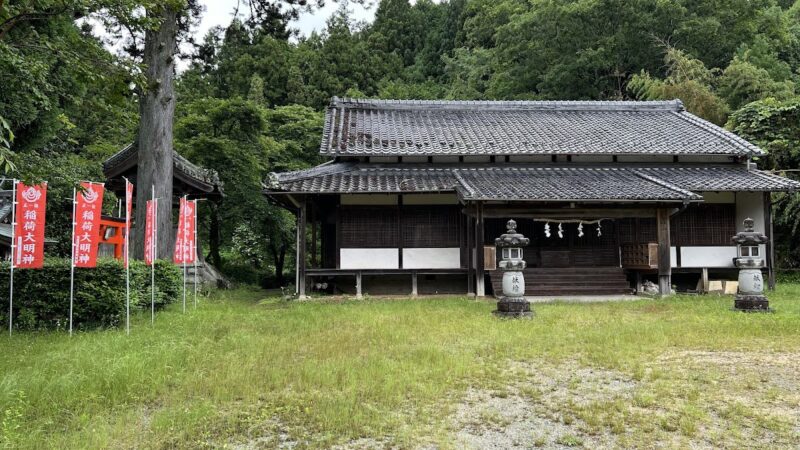
Besides the Miroku Stone Buddha, there are many other points of interest on the grounds of Ishimitsu-ji Temple. The main hall houses the principal image, a seated statue of Amida Buddha, and serves as the center of faith for this Jodo sect temple.
The “Dyeing Well” still remains on the grounds, holding pure water. The “Thread-Hanging Cherry Tree” blooms beautifully in spring, evoking the legend of Princess Chūjō. These historical sites are not merely the setting of legends, but also evidence of the temple’s devotion to those involved in dyeing from the medieval to early modern periods.
The stone structures and old gravestones on the temple grounds are also valuable historical materials that tell the story of this temple’s long history.
Seasonal Flowers | Peonies, Peony, and Winter Peonies
Spring Peonies (Early to Late April)
Ishimitsu-ji Temple became widely known as the “Kansai Flower Temple” due to its collection of peonies, which it has cherished and preserved since the Meiji era. The temple grounds are home to 2,000 peony plants of 360 varieties, which are in full bloom from early to late April.
The sight of peonies in a variety of colors—red, white, pink, yellow, purple, and more—filling the grounds is breathtaking, attracting many tourists to the temple as the “Peony Temple.” With a wide range of varieties from ancient to modern, it offers a valuable viewing opportunity for peony enthusiasts.
Peonies are also called the “King of Flowers,” and their magnificent and splendid appearance is a symbolic scene of spring at Ishimitsu-ji Temple.
Peonies (Late April to Mid-May)
Around the time the peony season ends, 1,000 peony plants of 150 varieties begin to bloom on the temple grounds. The best time to see them is from late April to mid-May, with the peak being from early to mid-May.
Peonies have a similar appearance to peony flowers, but they have a more refined and elegant impression, and are known by the saying, “Standing, she is a peony; sitting, she is a peony.” Ishikoji Temple also cultivates late-blooming peonies, and in some years, they can be enjoyed until around May 15th.
The period from late April to early May, when both peony and tree peonies can be enjoyed, is the most vibrant time at Ishikoji Temple, attracting many photography enthusiasts and flower-loving tourists.
Winter Peonies (November to January)
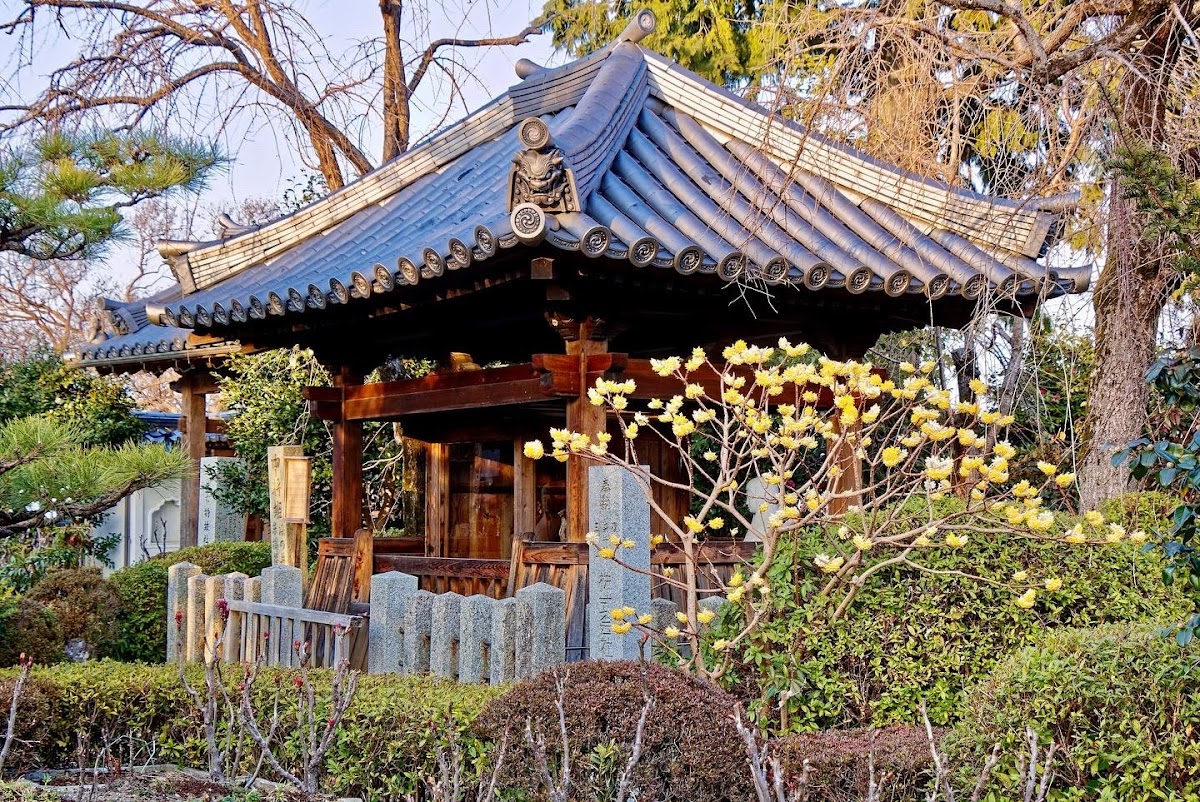
Another highlight of Ishikoji Temple is the winter peonies that bloom in winter. 36 varieties and 150 plants of winter peonies adorn the temple grounds from November to January.
Winter peonies are a different variety from spring peonies, and their resilient blooms in the winter cold touch the hearts of visitors. Protected by straw enclosures, the winter peonies are especially beautiful when blooming amidst the snowy landscape, becoming a winter spectacle at Sekkoji Temple.
In contrast to the splendor of spring, visitors can enjoy the tranquil and charming winter flower scenery.
Basic Information and Access to Ishimitsu-ji Temple
Location and Visiting Information
Location
387 Someno, Katsuragi City, Nara Prefecture 639-0273
Visiting Hours
- April to October: 8:00 AM to 5:00 PM (Some sources state 8:30 AM to 5:00 PM)
- November to March: 9:00 AM to 4:30 PM
Admission Fee
- Adults (Junior High School Students and older): 400 yen
- Elementary School Students: 200 yen
Inquiries
TEL: 0745-48-2031
The temple grounds are wheelchair accessible, making it safe and convenient for the elderly and those with disabilities. More detailed information can be obtained by contacting the temple in advance.
Access by Train
Nearest Station
Get off at Futagami-jinja-guchi Station on the Kintetsu Minami-Osaka Line, approximately 13-15 minutes on foot.
The path from the station to Ishikoji Temple takes you through a peaceful rural landscape, offering a pleasant stroll while enjoying the majestic view of Mount Futagami. The route is relatively easy to follow, and guide signs are installed.
Access by Car and Parking
Access by Car
- Approximately 10 minutes from Katsuragi IC on the Minami-Hanna Expressway
- Approximately 15 minutes from Kashiba IC on the Nishi-Meihan Expressway
Parking
Free parking available (accommodates several dozen regular cars)
During the peak flowering season, especially during Golden Week from late April to early May, congestion is expected. We recommend visiting earlier in the day.
Nearby Attractions and Tourist Spots
Taima-dera Temple and its Sub-temples
Located about 10 minutes by car or 30 minutes on foot from Sekko-ji Temple, Taima-dera Temple is another setting in the legend of Princess Chujo. Taima-dera is an ancient temple housing the national treasure, the Taima Mandala, said to have been woven by Princess Chujo, and is a valuable temple with two remaining three-story pagodas, one to the east and one to the west.
The sub-temples of Taima-dera, such as Soin-in, Seinan-in, and Senbutsu-in, each have their own history and attractions. Visiting them together with Sekko-ji Temple will deepen your understanding of the legend of Princess Chujo and the Buddhist culture of the Nara period.
Mount Futakami
Mount Futakami, towering behind Sekko-ji Temple, is a twin-peaked mountain on the border of Osaka and Nara prefectures, and has been an object of worship since ancient times. Its beautiful form, consisting of a male peak and a female peak, is mentioned in the Manyoshu (an ancient collection of Japanese poetry), and it is a popular hiking destination.
After visiting Ishikoji Temple, a recommended course is to climb Mount Futakami to enjoy the panoramic views of the Katsuragi region.
Historical Heritage of Katsuragi City
Besides Ishikoji Temple, Katsuragi City boasts numerous historical sites dating back to ancient times, including Taima-dera Temple, Fuefuki Shrine, and others. This region, the base of the ancient Katsuragi clan, is an indispensable place when discussing ancient Japanese history.
If you have ample time, exploring the entire city of Katsuragi as a historical walking tour will provide a deeper historical experience.
Points to Note and Recommended Time to Visit Ishikoji Temple
Visiting During Flowering Season
If you’re visiting Ishikoji Temple, the best time is definitely during flowering season.
- Early to Mid-April: This is when spring peonies are in full bloom. You can enjoy early-blooming to mid-blooming varieties.
- Late April to Early May: This is the most spectacular time, when both peonies and herbaceous peonies are in bloom. It will be crowded due to coinciding with Golden Week, but it’s well worth a visit.
- Mid-May: A time to enjoy late-blooming peonies. It’s relatively uncrowded, allowing for leisurely viewing.
- November-January: The season for winter peonies. Enjoy the charming floral scenery in the quiet winter temple grounds.
Photography Tips
Ishimitsu-ji Temple is also a popular photography spot. Photography is generally permitted on the temple grounds, but consideration should be given to avoiding disturbing other visitors.
- Morning Light: Photographing in the soft morning light beautifully highlights the colors of the flowers.
- Mount Futakami in the Background: Photographing flowers with Mount Futakami in the background creates a quintessential Nara landscape.
- Collaboration of Stone Buddhas and Flowers: Combining flowers with the stone Buddhas and other stone structures on the temple grounds is also recommended.
For a Quiet Visit
Outside of peak flowering seasons, or early weekday mornings, there are relatively few visitors, allowing for a peaceful stroll through the temple grounds. For those who wish to carefully explore the historical sites associated with the legend of Princess Chujo and spend time contemplating Japan’s oldest Maitreya stone Buddha, visiting during these times is highly recommended.
Ishikoji Temple and the Faith of the Jodo Sect
Ishikoji Temple is a Jodo sect temple, centering on the faith of Amida Buddha. The Jodo sect, founded by Honen Shonin, teaches that anyone can attain rebirth in the Pure Land by chanting the mantra “Namu Amida Butsu.”
The legend of Princess Chujo also demonstrates a strong desire and faith for rebirth in the Pure Land, and the history of Ishikoji Temple and the teachings of the Jodo sect are deeply intertwined. When visiting the temple grounds, consider not only its role as a tourist attraction, but also its aspect as a sacred site that has attracted the faith of people throughout its long history.
Summary | Experiencing the Full Charm of Ishikoji Temple
Ishikoji Temple in Katsuragi City, Nara Prefecture, is a temple with multifaceted charm, possessing a long history dating back to its founding by imperial decree of Emperor Tenji, a cultural background including the legend of Princess Chujo, cultural value as the oldest Miroku stone Buddha in Japan, and the appeal of being a famous flower spot with 2,000 peony plants of 360 varieties and 1,000 herbaceous peonies of 150 varieties.
As the 20th temple on the Kansai Twenty-Five Flower Temples pilgrimage route, and also known as the “Dyeing Temple,” Ishikoji Temple has welcomed many worshippers and tourists. The seasonal flowers—peony and herbaceous peonies in spring, winter peonies—the ancient beliefs told by the stone Buddha from the Hakuhō period, and the legendary well where Princess Chujo is said to have dyed thread—all of these are condensed within this small temple grounds.
When you visit Nara, be sure to visit not only famous temples like Todai-ji and Horyu-ji, but also ancient temples in the Katsuragi region, such as Sekko-ji and Taima-dera, where history and culture are deeply rooted. You’re sure to discover a new side to Nara’s charm.