Dairyu-ji Temple (Katsuragi City, Nara Prefecture) Complete Guide | History, Highlights, and Access Information
Located in Katsuragi City, Nara Prefecture, Dairyu-ji Temple is a historic temple nestled in a quiet mountain valley. Unlike the large temples in Nara City that are bustling with tourists, it has recently gained attention as a hidden gem where visitors can worship in a tranquil atmosphere. This article provides a detailed introduction to Dairyu-ji Temple, including its history, highlights, visiting information, and access methods.
About Dairyu-ji Temple
Dairyu-ji Temple is a Buddhist temple located in Katsuragi City, Nara Prefecture. Situated in a naturally rich environment at the foot of Mount Katsuragi, it has long been a center of local faith. The temple grounds are enveloped in silence, and it is a beloved place for visitors to find peace of mind away from the hustle and bustle of the city.
Basic Temple Information
Dairyu-ji Temple is one of the important temples that conveys the Buddhist culture of the Katsuragi region to the present day. The Katsuragi Ancient Road runs through the surrounding area, which retains a strong historical atmosphere from ancient to medieval times.
Location: Katsuragi City, Nara Prefecture
Sect: (Varies by temple; please check before visiting)
Founding: Ancient to medieval period (There are various theories regarding the exact founding date)
History of Dairyu-ji Temple
Origin of Founding
There are several local legends regarding the founding of Dairyu-ji Temple. The Katsuragi region has been a center of Shugendo (mountain asceticism) and mountain worship since ancient times, and Dairyu-ji Temple is thought to have developed as one of the centers of this faith.
The Katsuragi mountain range is also known as a place associated with En no Gyoja (En no Ozunu), and many practitioners visited it as a sacred site of Shugendo. It is presumed that Dairyu-ji Temple was established within this religious background, attracting the faith of the local people.
History from the Medieval to Early Modern Periods
During the medieval period, the Katsuragi region flourished as an important area of Yamato Province. During this period, it is thought that Dairyu-ji Temple solidified its foundation as a temple under the patronage of local influential figures and the samurai class. During the Sengoku period (Warring States period), many temples were engulfed in warfare, and Dairyu-ji Temple was no exception, reportedly experiencing several hardships. However, supported by the fervent faith of the local residents, it was rebuilt during the Edo period.
Developments since the Modern Era
The anti-Buddhist movement of the Meiji era had a significant impact on temples throughout Japan, and Dairyu-ji Temple was also affected to some extent. However, thanks to the efforts of the local people, the temple was maintained and continues to preserve its Buddhist teachings to this day.
In recent years, the number of hikers and history buffs visiting the Katsuragi Ancient Road has increased, and Dairyu-ji Temple has also begun to welcome new visitors.
Highlights of Dairyu-ji Temple
Main Hall and Buddhist Statues
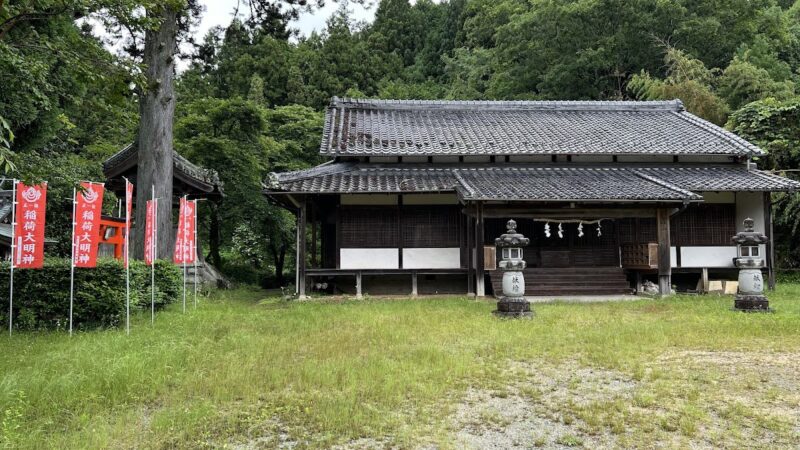
The main hall of Dairyu-ji Temple is a simple yet solemn building. The principal image is enshrined inside, allowing visitors to quietly offer their prayers.
The Buddhist statues exhibit distinctive styles that reflect the local faith, making them worthwhile for those interested in Buddhist art. However, some cultural properties are not open to the public, so it is recommended to check in advance if you wish to visit them.
Natural Environment of the Temple Grounds
One of the greatest attractions of Dairyu-ji Temple is its natural environment. The temple grounds are surrounded by lush greenery, allowing visitors to enjoy the scenery of each season.
Spring: Cherry blossoms and wildflowers adorn the grounds, highlighting the beauty of the fresh greenery.
Summer: Surrounded by deep green, the cool breeze feels refreshing.
Autumn: The autumn leaves paint the grounds in vibrant colors, making it one of the most beautiful seasons.
Winter: The temple grounds, enveloped in silence, exude a solemn atmosphere in a crisp, serene air.
Stone Structures and Historical Remains
The temple grounds contain ancient stone structures such as stone Buddha statues and stone pagodas. These are believed to have been dedicated from the medieval to early modern periods, and are valuable cultural properties that convey the state of faith at that time.
While some structures show signs of weathering, their simple appearance evokes a sense of the weight of a long history.
Visiting Information
Visiting Hours and Admission Fee
Dairyuji Temple is generally open to visitors, but if you wish to view the interior of the main hall or participate in special ceremonies, it is recommended to contact the temple in advance.
Visiting Hours: Daytime (Please contact the temple for details)
Admission Fee: Free entry to the grounds (Separate fees apply for special viewings)
About Goshuin (Temple Seals)
Goshuin may be available at Dairyuji Temple. However, since there may not always be a resident monk, it is recommended to check in advance if you wish to receive a goshuin.
Goshuin are important symbols of connection with the temple. They can be received as a memento of your visit and as proof of your faith.
Annual Events
Dairyuji Temple holds various Buddhist events throughout the year. Many events are primarily organized by local parishioners and followers, but general visitors may also be able to participate.
For information on major events, it is recommended to inquire with the temple or the Katsuragi City Tourism Association in advance.
Access Methods
Access by Train
When visiting Dairyuji Temple by public transport, the nearest stations are on the Kintetsu Gosho Line or Kintetsu Minami-Osaka Line.
Access from the Nearest Station:
- Walk or take a taxi from Kintetsu Gosho Line “Oshiumi Station” or “Kintetsu Shinjo Station”
- Walk or take a taxi from Kintetsu Minami-Osaka Line “Shakudo Station”
Since the temple is some distance from the stations, it is recommended to plan your walk with ample time. Taxis can be boarded from in front of the stations.
Access by Bus
Community buses operating within Katsuragi City may be available. However, since the number of services is limited, it is important to check the timetable in advance.
Please check the latest bus information on the Katsuragi City Hall or Tourism Association website.
Access by Car
Visiting by private car is the most convenient option.
Access from Major Roads:
- Approximately 10-15 minutes from the Minami-Hanna Expressway “Katsuragi IC”
- Via prefectural road from National Route 24 or National Route 165
If using a car navigation system, please search for “Dairyuji Katsuragi City”. However, as it is located in a mountainous area, there are narrow sections of road. Please drive with caution.
Parking Information
Some temples have their own parking lots, but space may be limited. We recommend checking the availability and capacity of parking before your visit.
Especially during peak seasons such as autumn foliage season, please try to arrive early.
Nearby Tourist Attractions
Katsuragi Ancient Road
The Katsuragi Ancient Road, which has existed since ancient times, runs through the area around Dairyuji Temple. This ancient road is a historical route running north-south along the foothills of Mt. Katsuragi in the western part of the Nara Basin, and is dotted with many ancient shrines and temples.
Walking the Katsuragi Ancient Road allows you to visit not only Dairyu-ji Temple but also other historical temples and shrines in the surrounding area. It’s a popular hiking course, offering a chance to explore history while enjoying the changing seasons.
Taima-dera Temple
Located in the south of Katsuragi City, Taima-dera Temple is one of Nara Prefecture’s most representative ancient temples. Known for its national treasure eastern and western pagodas and the Taima Mandala, it attracts many visitors. Visiting it along with Dairyu-ji Temple allows for a deeper understanding of the Buddhist culture of the Katsuragi region.
Mount Katsuragi
Mount Katsuragi is a 959-meter-high mountain, offering panoramic views of the Osaka Plain and the Nara Basin from its summit. A ropeway is also in operation, making it easy to enjoy hiking.
In spring, the vast azalea fields are magnificent, creating a breathtaking spectacle often described as “a million azaleas at a glance.”
Sekko-ji Temple
Sekko-ji Temple, located within Katsuragi City, is known as a famous spot for peonies and tree peonies. From spring to early summer, the temple grounds are adorned with a variety of colorful flowers. The temple also houses the oldest stone Buddha statue in Japan, a statue of Miroku Nyorai (Maitreya Buddha).
Points to Note When Visiting Dairyu-ji Temple
Clothing and Items to Bring
Since Dairyu-ji Temple is located in a mountainous area, it is recommended to wear comfortable clothing and shoes. Particular caution is needed during rainy weather and winter, as the ground can be slippery.
Recommended Items to Bring:
- Comfortable walking shoes (such as trekking shoes)
- Drinks (there may not be vending machines nearby)
- Rain gear (mountain weather is unpredictable)
- Camera (you can photograph the beautiful natural scenery)
- Goshuincho (stamp book) (if you wish to receive a temple stamp)
Visiting Manners
When visiting a temple, please observe basic visiting manners.
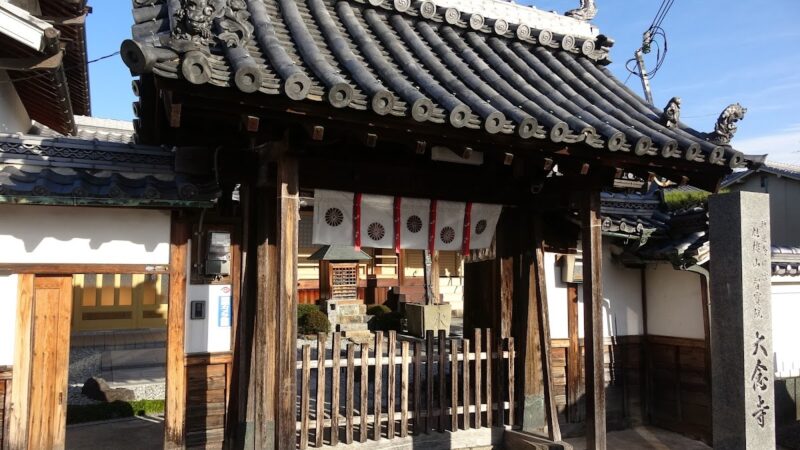
- Bow at the Temple Gate: Before entering the temple grounds, bow at the temple gate.
- Quiet Worship: Please behave quietly within the temple grounds and be considerate of other worshippers.
- Consideration Regarding Photography: Please only take photographs in designated areas and refrain from taking pictures in prohibited areas such as inside the main hall.
- Offering Money: Please quietly place your offering in the offering box.
- Praying with Clasped Hands: Please clasp your hands together in prayer before the Buddha and offer your prayers with sincerity.
Best Season
While Dairyu-ji Temple can be visited throughout the year, there are particularly recommended seasons.
Spring (March-May): The fresh greenery is beautiful, and wildflowers begin to bloom. The weather is mild and ideal for worship.
Autumn (October-November): The autumn leaves are beautiful, and the temple grounds are at their most vibrant during this season. It is perfect for combining a visit with a hike along the Katsuragi Ancient Road.
Summer (June-August): The temple grounds, enveloped in lush greenery, are cool, allowing visitors to avoid the heat. However, don’t forget insect repellent.
Winter (December-February): The temple grounds, enveloped in silence during winter, exude a solemn atmosphere. Snow sometimes accumulates, and the temple in a snowy landscape is also beautiful.
History and Culture of Katsuragi City
Historical Importance of the Katsuragi Region
The Katsuragi region, including Katsuragi City, played a significant role in ancient Japan. It was the base of the Katsuragi clan, who appear in the Kojiki and Nihon Shoki, and were deeply involved in the establishment of the Yamato court.
The Katsuragi clan was a powerful ancient clan, holding a politically important position, including forming marital ties with the imperial family (later the Japanese imperial family). Many ancient burial mounds remain in this region, conveying the prosperity of ancient times.
Shugendo and the Katsuragi Mountain Range
The Katsuragi mountain range is known as a sacred site for Shugendo (Japanese mountain asceticism). This area is said to be the place where En no Gyoja (En no Ozunu) practiced asceticism, and many Shugendo practitioners visited for training. Dairyu-ji Temple is one of the temples that developed within this religious context.
Shugendo is a unique Japanese religious form that fuses mountain worship and Buddhism, and the Katsuragi region was one of its centers. Even today, temples and shrines associated with Shugendo are scattered throughout the Katsuragi mountain range.
Cultural Properties of Katsuragi City
Besides Dairyu-ji Temple, Katsuragi City boasts many other cultural properties. Ancient tombs, temples and shrines, Buddhist statues, and ancient documents—valuable cultural heritage from ancient to medieval times—are preserved, making it an attractive region for history enthusiasts.
At the Katsuragi City History Museum, you can learn in detail about the region’s history and cultural properties. Visiting it in conjunction with a visit to Dairyu-ji Temple will allow you to understand the region’s history more deeply.
Mental Healing at Dairyu-ji Temple
Meditation in Silence
One of the greatest charms of Dairyu-ji Temple is its tranquility. Spending time in the temple grounds, surrounded by nature and away from the hustle and bustle of the city, offers a precious opportunity to calm your mind and reflect on yourself.
Simply sitting on a bench in the temple grounds and listening to the birdsong and the sound of the wind can give you a sense of spiritual cleansing. By escaping from your busy daily life and spending time at a leisurely pace, you can gain new insights and renewed energy.
A Sense of Oneness with Nature
The grounds of Dairyu-ji Temple are surrounded by abundant nature, allowing you to feel the changes of the seasons firsthand. The fresh green of spring, the deep green of summer, the vibrant autumn leaves, the tranquility of winter—each season reveals its own unique beauty.
By immersing yourself in nature, you can realize that you are a part of nature and regain a sense of humility. This experience awakens an important sense that is often lost in modern society.
Points to Note When Visiting
Contacting the Temple
Dairyu-ji Temple is a small temple, so there may not always be a resident monk. If you wish to request special viewings or a temple stamp, it is recommended to contact the temple in advance.
Contact information can be found at the Katsuragi City Tourism Association or City Hall. Contacting them in advance will likely lead to a more fulfilling pilgrimage experience.
Weather and Road Conditions
Due to its mountainous location, road conditions may deteriorate depending on the weather. Particular caution is needed during rainy weather and winter, as roads can become slippery.
Please check the weather forecast before visiting and consider postponing your visit if bad weather is expected.
Insect Repellent Measures
In summer, there may be many insects such as mosquitoes and horseflies. Please take thorough insect repellent measures, such as using insect repellent spray and wearing long-sleeved clothing.
Consideration for Privacy
As the temple is located close to the living areas of local residents, consideration should be given to avoiding disturbing them with noise or trespassing on private property.
Summary
Dairyuji Temple in Katsuragi City, Nara Prefecture, is a quiet temple surrounded by abundant nature. Its charm lies in its simple and tranquil atmosphere, unlike that of famous tourist temples. Walking along the Katsuragi Ancient Road, or visiting the surrounding temples and shrines, allows you to experience the rich history and culture of the Katsuragi region.
For those seeking solace away from the hustle and bustle of city life, or those interested in history and nature, Dairyu-ji Temple is a worthwhile place to visit. Why not spend some peaceful time amidst the beautiful scenery of each season?
When visiting, we recommend checking the temple’s status beforehand and dressing and bringing appropriate items. Enjoy a peaceful time in the land of Katsuragi.