Daitakuji Temple (Gojo City, Nara Prefecture) Complete Guide | History, Goshuin (Temple Seal), and Access Information
Located in Gojo City, Nara Prefecture, Daitakuji Temple is known as a tranquil ancient temple surrounded by abundant nature. This article provides detailed information useful for those considering a visit, from the historical background of Daitakuji Temple to its highlights, goshuin information, and access methods.
About Daitakuji Temple
Daitakuji Temple is a Buddhist temple located in Gojo City, Nara Prefecture. Situated in a historical area along the Yoshino River basin, it has long been cherished as a center of local faith. Gojo City is located in the southwestern part of Nara Prefecture, a naturally rich area surrounded by the mountains of the Kii Mountains.
Basic Temple Information
Daitakuji Temple is situated in a quiet environment, a place where one can escape the hustle and bustle of everyday life and find peace of mind. It attracts not only locals but also visitors from afar. The temple grounds offer a space where visitors can appreciate the beauty of nature throughout the seasons, and are especially bustling with worshippers during the cherry blossom season in spring and the autumn foliage season.
History of Osawa-ji Temple
Founding and Origin
There are various theories regarding the founding date of Osawa-ji Temple, but it has played an important role as a center of Buddhist culture in the Gojo region since ancient times. Gojo City has flourished as a transportation hub since ancient times, and has a history of many temples being built there.
Regarding the origin of the temple name, Osawa-ji, one theory is that it was named after the place name “Osawa,” which is related to the region’s topography and water sources. This region is blessed with abundant water resources, which formed the basis of agriculture and daily life.
Historical Changes
Throughout its long history, Osawa-ji Temple has undergone several reconstructions and repairs. Although it suffered damage from fire during the Sengoku period, it has a history of being restored through the faith of the local people.
During the Edo period, it continued to operate stably as a local temple under the patronage of the Gojo Domain. Some parts of the temple grounds, which were renovated during this period, still retain their original appearance.
Even during the anti-Buddhist movement of the Meiji era, the temple was protected through the efforts of the local people, and its Buddhist traditions have been passed down to the present day.
Historical Background of Gojo City
Geography and History of Gojo City
Gojo City is located in the southwestern part of Nara Prefecture, bordering Wakayama Prefecture. The Yoshino River (Kinokawa River) flows through the city, and it has flourished since ancient times as a key point for water and land transportation.
In ancient times, it was called “Uchi District” and was an important region from the time of the Yamato court. During the Heian period, it was known as a route for pilgrimages to Kumano, and many nobles and monks passed through the area.
Gojo and Buddhist Culture
Many ancient temples are scattered throughout the Gojo region, and Buddhist culture is deeply rooted there. Osawa-ji Temple is one such temple, and has served as a spiritual support for the region.
Especially since the Middle Ages, the temple has had deep ties with the Shugendo (mountain asceticism) of Mount Yoshino, and a unique religious culture was formed that fused mountain worship and Buddhism.
Highlights of the Temple Grounds
Main Hall
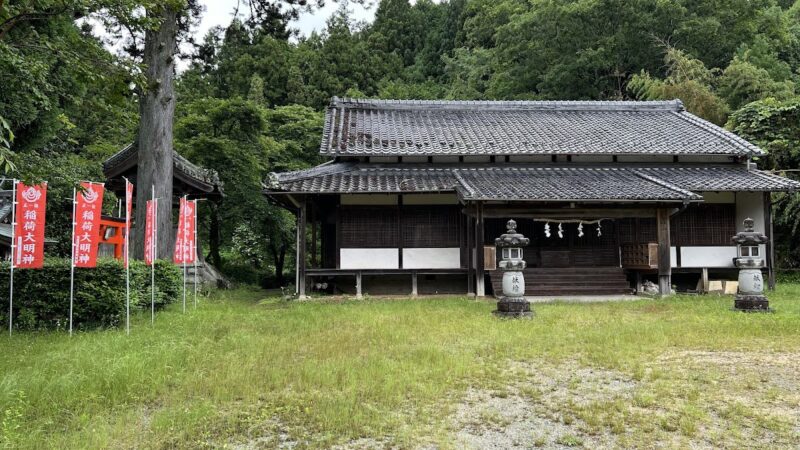
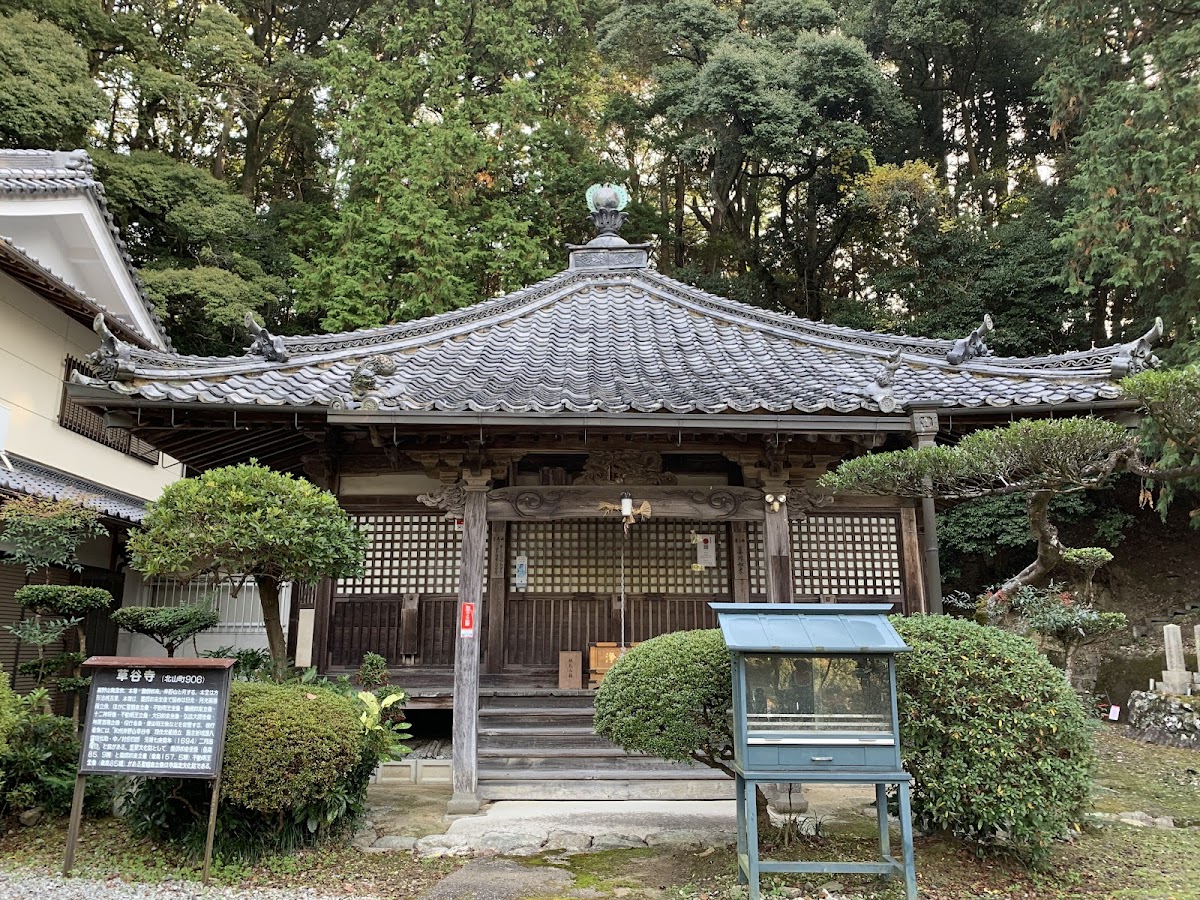
The main hall of Osawa-ji Temple has a solemn atmosphere that quietly welcomes visitors. The principal image is enshrined here, and daily religious services are performed. The architectural style exhibits characteristics of traditional Buddhist architecture, giving it a historical feel.
Natural Environment of the Temple Grounds
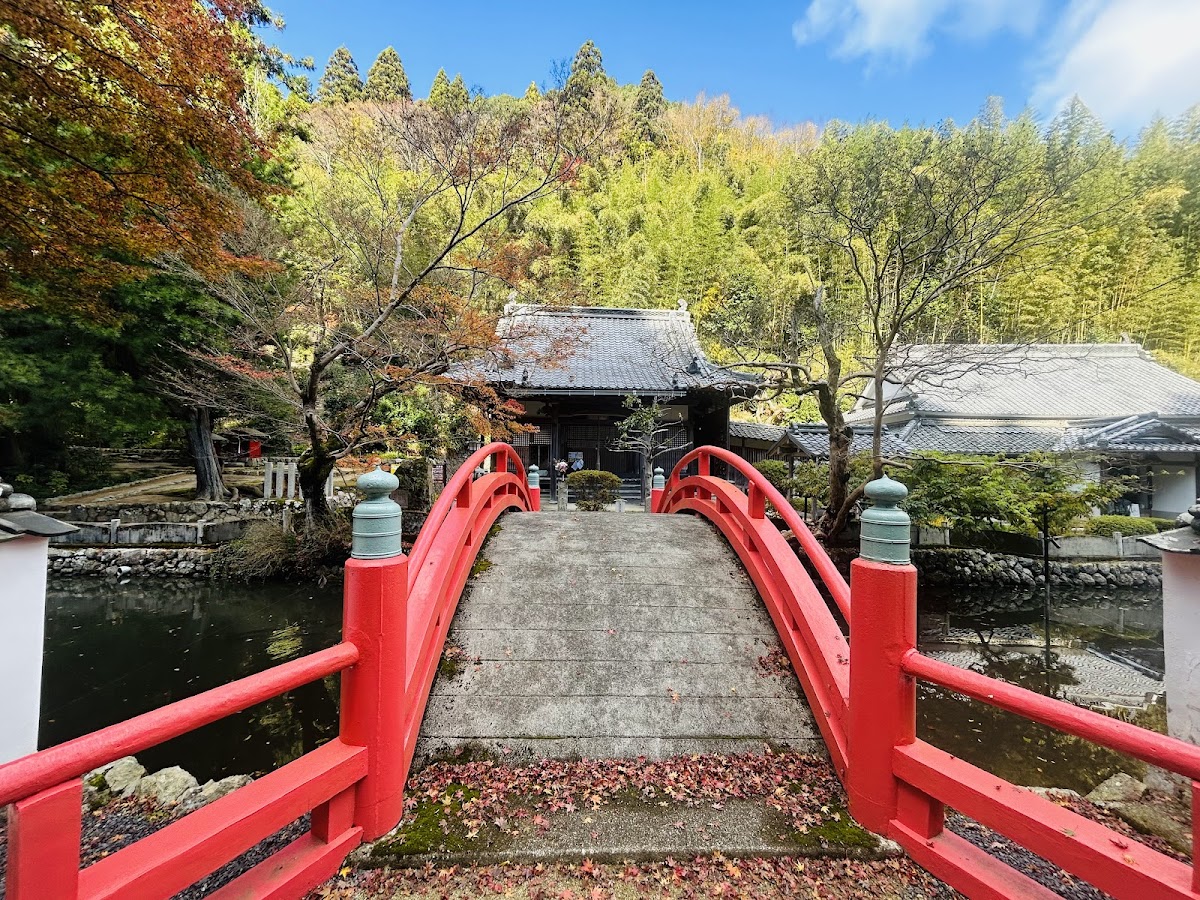
The grounds of Osawa-ji Temple are surrounded by abundant nature, allowing visitors to enjoy the scenery of each season.
Spring: Cherry trees are planted on the temple grounds and in the surrounding area, and they bloom beautifully in spring. During the cherry blossom season, visitors come to enjoy the blossoms.
Summer: The lush green trees create cool shade, making it a relatively comfortable environment even during the hot summer. Visiting the temple amidst the sound of cicadas evokes the atmosphere of a Japanese summer.
Autumn: During the autumn foliage season, the temple grounds are dyed in red and yellow, offering a beautiful landscape. The autumn leaves are especially stunning in the morning and evening light.
Winter: Snow sometimes falls, and the temple grounds, enveloped in silence during winter, have a special charm. Because there are fewer visitors during this time, it’s a chance to find peace and tranquility.
Stone Structures and Cultural Assets
The temple grounds contain stone structures that tell the story of history. Stone lanterns and stone Buddha statues, though weathered by the passage of time, convey the form of faith of that era.
Goshuin (Temple Seal) Information
Regarding the Issuance of Goshuin
While it may be possible to receive a Goshuin at Osawa-ji Temple, it is recommended to check in advance. Smaller temples may not have a resident monk, or may only offer Goshuin on specific dates and times.
Those wishing to receive a Goshuin are advised to inquire by phone in advance or check with the Gojo City Tourism Association.
Manners for Visiting a Temple and Receiving a Goshuin (Temple Stamp)
When receiving a Goshuin, please observe the following manners:
- Pray First: The Goshuin is proof of your visit. First, offer your prayers at the main hall before requesting the Goshuin.
- Prepare Your Goshuin Book: Open your Goshuin book and prepare the page for the stamp.
- Offering: Prepare the offering for the Goshuin (usually around 300-500 yen).
- Wait Quietly: Wait quietly while the stamp is being written.
- Express Gratitude: After receiving the stamp, say “Thank you very much.”
Etiquette and Points for Visiting a Temple
Basic Etiquette for Visiting a Temple
The etiquette for visiting a Buddhist temple differs from that of a Shinto shrine. Here are the basic manners for visiting Osawa-ji Temple.
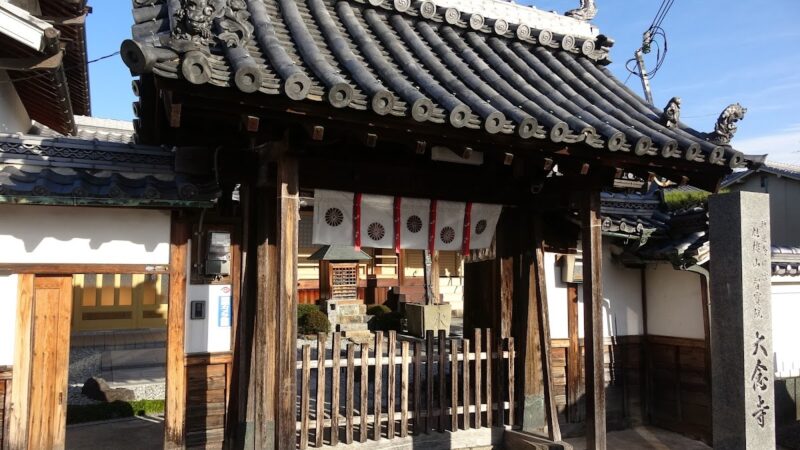
A Bow at the Temple Gate: Before entering through the temple gate, bow once.
Procedure for Washing Hands: If there is a water basin, wash your hands and mouth.
Worship at the Main Hall:
- Stand up straight in front of the main hall.
- Gently place your offering.
- If there is a bell, ring it gently (some temples do not ring the bell).
- Join your hands in prayer, bow once, and pray sincerely.
- Bow once more.
Appropriate Attire for Worship
There are no specific dress code requirements, but it is desirable to wear clothing that reflects the sacred nature of the place.
- Avoid revealing clothing
- Wear clean and presentable clothing
- Wear comfortable shoes (there may be steps on the temple grounds)
Photography
Photography is generally permitted on the temple grounds, but please note the following:
- Photography is often prohibited inside the main hall
- Be considerate of other visitors
- Avoid using flash
- Obtain permission in advance for commercial use
Access Information
Location
The temple is located in Gojo City, Nara Prefecture, but it is recommended to confirm the exact address in advance. You can obtain accurate information by contacting the Gojo City Tourism Association or the city hall.
Access by Public Transportation
By Train:
- The nearest station is JR Wakayama Line “Gojo Station”.
- From Osaka, take the JR Osaka Loop Line or Yamatoji Line to Oji Station, then transfer to the Wakayama Line.
- From Nara, take the JR Sakurai Line to Takada Station, then transfer to the Wakayama Line.
- From Gojo Station to Osawa-ji Temple, take a taxi or bus.
By Bus:
For bus routes from Gojo Station, please check the Nara Kotsu bus information. Community buses may also operate in some areas.
Access by Car
Access from Major Roads:
- Keinawa Expressway: From Gojo Kita IC or Gojo IC to the city center
- National Route 24: A major national highway passing through Gojo city
- National Route 168: A national highway traversing the Kii Peninsula
Parking: We recommend checking in advance whether there is parking space on the temple grounds or nearby.
Notes on Access
- Gojo city is located in a mountainous area, so there is a possibility of icy roads or snow in winter.
- When searching with a car navigation system, please enter the exact address or phone number.
- Public transportation may be limited, so please check the timetable in advance.
Nearby Tourist Attractions
Major Tourist Attractions in Gojo City
When visiting Osawa-ji Temple, why not also visit other tourist attractions in Gojo city?
Gojo Shinmachi Street: A historical townscape with Edo-period townhouses remaining. It has been designated as an Important Preservation District for Groups of Traditional Buildings.
Eizanji Temple: An ancient temple known for its National Treasure octagonal hall. It is a historical temple said to have been founded by Fujiwara Muchimaro.
Kano Plum Grove: A famous spot for plum blossoms, with approximately 20,000 plum trees. In spring, the entire area is covered in plum blossoms.
Yoshino River (Kinokawa River): Known for its clear waters and beautiful scenery along the river. It is also famous as a spot for ayu (sweetfish) fishing.
Sightseeing in the Yoshino Area
Gojo City is relatively close to the Yoshino area, making it possible to extend your trip there.
- Mount Yoshino: World-famous as a cherry blossom viewing spot. Part of the World Heritage Site “Sacred Sites and Pilgrimage Routes in the Kii Mountain Range”
- Kinpusen-ji Temple: Head Temple of Shugendo
- Yoshimizu Shrine: Site of the Southern Court’s Imperial Palace
Best Season for Visiting Osawa-ji Temple
Spring (March-May)
Recommendation Level: ★★★★★
Spring is a beautiful season with cherry blossoms and lush greenery. Especially from early to mid-April, coinciding with the cherry blossom season, the temple grounds are enveloped in a vibrant atmosphere. The weather is mild, making it ideal for visiting.
Summer (June-August)
Recommendation Level: ★★★☆☆
The lush green temple grounds are cool, but heat precautions are necessary. Visiting in the early morning or evening is recommended. Don’t forget to bring rain gear during the rainy season.
Autumn (September – November)
Recommendation: ★★★★★
This is a beautiful season for autumn foliage, and along with spring, it’s an ideal time to visit. The autumn leaves are especially at their peak from mid- to late November. The weather is stable, allowing for a leisurely stroll through the temple grounds.
Winter (December – February)
Recommendation: ★★★☆☆
With fewer visitors, you can enjoy a peaceful atmosphere. The snow-covered temple grounds are exceptionally beautiful, but be sure to dress warmly and check the road conditions.
History and Culture of Gojo City
Ancient to Medieval Period
The Gojo City area has been known as “Uchi District” since ancient times and was an important region from the era of the Yamato regime. It developed as a key point for transporting goods using the Yoshino River and as a land route to Kii Province.
During the Heian period, many nobles passed through as part of their pilgrimage to Kumano. Especially during pilgrimages to Kumano by retired emperors and nobles, this region served as a resting and lodging area.
During the Nanboku-cho period, when Emperor Go-Daigo established the Southern Court in Yoshino, the Gojo region became an important base for the Southern Court. A temporary palace was established in Anou, playing a historically significant role.
Development in the Early Modern Period
During the Edo period, the Gojo Domain was established, and it developed as a castle town. Commerce flourished at the intersection of the Yoshino River’s water transport and the Kishu Highway’s land transport, and the townhouses that still remain on Shinmachi Street attest to the prosperity of this era.
Forestry was also thriving, and the area was known as a center for the collection and distribution of Yoshino cedar and Yoshino cypress. The timber was transported downstream via the Yoshino River and supplied to urban areas such as Osaka.
Modern Era
Even after the Meiji era, Gojo City continued to develop as a central city in the Nanwa region. The opening of the railway improved transportation access.
Currently, while preserving the historical townscape, efforts are also being made to promote tourism. Traditional festivals and events are also being passed down, and the local culture is being cherished.
Osawa-ji Temple and Local Faith
Role in the Community
Throughout its long history, Osawa-ji Temple has played an important role as a spiritual center for local residents. Through the danka system (parishioner system), it has been deeply connected to the local community, and has been a part of people’s lives through funerals, memorial services, and annual events.
Annual Events
Various events are held at the temple throughout the year. Typical annual events at Buddhist temples include the following:
- Shōshō-e (January): A Buddhist service held to welcome the New Year
- Nirvana-e (February): A Buddhist service commemorating the passing of Buddha
- Higan-e (March & September): Ancestor memorial service centered around the spring and autumn equinoxes
- Hanamatsuri (April): A Buddhist service celebrating the birth of Buddha
- Obon (August): A ceremony to welcome the spirits of ancestors
- Jōdō-e (December): A Buddhist service commemorating the day Buddha attained enlightenment
For specific events at Ōsawa-ji Temple, we recommend contacting the temple directly.
Notes on Visiting
Visiting Hours
Visiting hours vary depending on the temple. Generally, visiting hours are during the daytime (around 9:00 AM to 5:00 PM), but please check the specific hours for Osawa-ji Temple in advance.
Admission Fee
Normally, entry to the temple grounds is free, but an admission fee may be required for viewing special cultural artifacts.
Contact Information
For detailed information, we recommend contacting the following:
- Gojo City Tourism Association
- Gojo City Hall Tourism Promotion Division
- Nara Prefecture Tourism Bureau
Access and Accommodation in Gojo City
Access from Major Cities
From Osaka:
- Train: Approximately 1 hour 30 minutes to 2 hours (using JR Yamatoji Line and Wakayama Line)
- Car: Approximately 1 hour 30 minutes (using Hanwa Expressway and Keina-Wa Expressway)
From Nara:
- Train: Approximately 1 hour 30 minutes (using JR Sakurai Line and Wakayama Line)
- Car: Approximately 1 hour (using National Route 24)
From Kyoto:
- Train: Approximately 2 hours to 2 hours 30 minutes (using Kintetsu Line and JR Line)
- Car: Approximately 1 hour 30 minutes (using Keina-Wa Expressway)
Accommodation
The following accommodations are available in Gojo City:
- Business Hotels: Several around Gojo Station
- Guesthouses/Pensions: Scattered throughout the area rich in nature
- Hot Spring Inns: Nearby hot spring resorts (such as Totsukawa Onsen)
For those who want to enjoy sightseeing at a leisurely pace, we recommend considering accommodation.
Summary
Osawa-ji Temple is a temple blessed with history and nature, located in Gojo City, Nara Prefecture. You can calm your mind in the tranquil grounds and visit the temple while feeling the history.
Gojo City is a historical area with a history dating back to ancient times, and there are many sights to see besides Osawa-ji Temple. The townscape of Shinmachi Street, the national treasure architecture of Eizan-ji Temple, and the beautiful scenery of Kano Plum Grove are just some of the many attractions that you can’t see in a single day.
When visiting, please check the opening hours and the times for receiving Goshuin (temple stamps) in advance, and observe proper etiquette. Why not spend some quiet time away from everyday life at Osawa-ji Temple, where you can enjoy the beauty of the four seasons?
Gojo City, where you can discover the hidden charms of southern Nara Prefecture. Take this opportunity to visit Osawa-ji Temple and enjoy a journey that allows you to experience the history and culture of this region.