Kongoji Temple (Gojo City, Nara Prefecture) Complete Guide | History, Highlights, and Access Information
While there are several Kongoji Temples in Gojo City, Nara Prefecture, this article provides detailed information about the historically significant Kongoji Temple deeply rooted in the local community. Gojo City has long flourished as a transportation hub and is a historically rich area with many temples and shrines scattered throughout.
Basic Information about Kongoji Temple
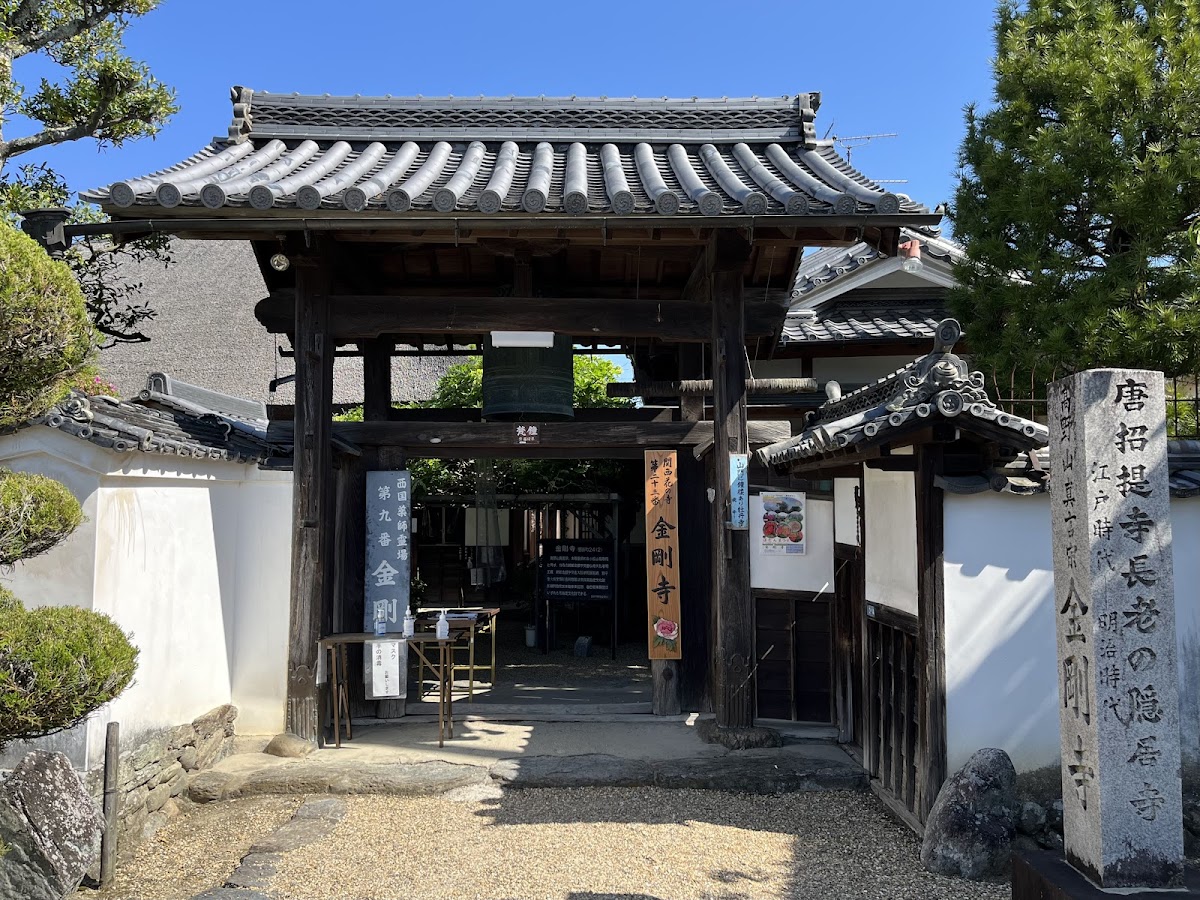
Kongoji Temple is a Buddhist temple located in Gojo City, Nara Prefecture. Since there are several temples with the same name in Gojo City, it is recommended to confirm the location before visiting.
Location and Contact Information
When planning your visit to Kongoji Temple, it is important to confirm the exact address and contact information. Gojo City is a region that stretches along the Yoshino River, and many temples are scattered throughout the mountainous areas.
History and Origin of Kongoji Temple
Background of Founding
The temple name Kongoji derives from “Kongō,” which represents the Vajradhatu Mandala in Buddhism. Numerous temples bearing the name “Kongoji” exist throughout Japan, each playing a vital role as a center of local faith.
Gojo City in Nara Prefecture is a region that developed along the Kii Road, an important transportation route from ancient to medieval times. Many ascetic monks and priests frequented this area, and Buddhist culture flourished. It is believed that Kongoji temples also developed within this historical context, becoming temples that attracted the faith of local residents.
Sect and Principal Deity
The sect and principal deity of Kongoji temples vary from temple to temple. Generally, temples bearing the name Kongoji belong to esoteric Buddhist sects such as Shingon and Tendai. This stems from the fact that the word “Kongō” is an important concept in esoteric Buddhism.
The principal deities often enshrined are Dainichi Nyorai, Fudō Myōō, and Yakushi Nyorai, reflecting the history of each temple and the local religious practices.
Historical Background of Gojo City
A Key Transportation Hub Since Ancient Times
Gojo City is located in the southwestern part of the Nara Basin and has long been situated on an important transportation route connecting Yamato Province and Kii Province. As a point where water transport on the Yoshino River (Kinokawa River) and land routes intersected, it was a bustling hub for the movement of goods and people.
Development in the Middle Ages
During the Middle Ages, powerful clans and samurai groups based in Gojo flourished, and many temples and shrines were built. It also played an important role as a gateway to Yoshino and Omine, sacred sites of Shugendo (mountain asceticism).
Changes Since the Early Modern Period
During the Edo period, it was under the influence of the Kishu Domain and developed as a post town. Many temples were established during this period, forming the foundation of its current appearance.
Kongoji Temple Grounds and Highlights
Main Hall
Daily services and religious ceremonies are held in the main hall, the heart of Kongoji Temple. The architectural style and interior grandeur of the main hall are important elements that tell the story of the temple’s history and the characteristics of its sect.
Buddhist Statues and Cultural Assets on the Temple Grounds
Many temples house Buddhist statues and cultural assets that have been preserved and passed down through a long history. These are valuable resources that convey the history of local faith to the present day.
Gardens and Natural Environment
Many temples in Gojo City are blessed with a rich natural environment. The temple gardens and surrounding forests offer beautiful scenery throughout the seasons.
Annual Events and Memorial Services
Main Annual Events
Buddhist temples hold various events and memorial services throughout the year.
- New Year’s Events: Shusho-e (New Year’s Ceremony), Hatsumode (First Shrine Visit of the Year)
- Spring Events: Spring Equinox Memorial Service, Hanamatsuri (Buddha’s Birthday Festival)
- Summer Events: Obon Festival
- Autumn Events: Autumn Equinox Memorial Service
- Winter Events: New Year’s Eve Bell Ringing
Special Memorial Services
Each temple has its own unique memorial services, such as the anniversary of the principal deity’s festival or the anniversary of the temple’s founder. These events are important opportunities to deepen ties with local residents.
About Goshuin (Temple Seals)
Significance of Goshuin
Goshuin are given as proof of visiting a temple. They are not merely commemorative stamps, but are considered important for forging a connection with Buddha or the principal deity.
Manners for Receiving Goshuin
When receiving a Goshuin, please observe the following manners.
- First, offer your prayers at the main hall.
- Politely request a Goshuin (temple stamp) at the Goshuin office.
- Prepare a Goshuincho (stamp book) (avoid notebooks or colored paper).
- Wait quietly while your Goshuin is being written.
- Prepare the Goshuin fee (please have the exact amount).
Access Information
Access by Public Transportation
By Train
The nearest station to Gojo City is Gojo Station on the JR Wakayama Line.
- Approximately 50 minutes from JR Nara Station on the Wakayama Line
- Approximately 30 minutes from JR Oji Station on the Wakayama Line
From the station, you will need to take a local bus or taxi. Some temples may not be within walking distance of the station, so it is necessary to check in advance.
By Bus
Nara Kotsu bus routes operate within Gojo City. However, some routes have limited service, so it is recommended to check the timetable in advance.
Access by Car
Travel Time from Major Cities
- From Osaka City: Approximately 1 hour 30 minutes
- From Nara City: Approximately 1 hour
- From Wakayama City: Approximately 1 hour
Major Roads
- National Route 24: From Nara City, via Gojo City to Wakayama City
- National Route 168: From Gojo City towards Totsukawa
- Keina-Wa Expressway: Use Gojo-Kita IC or Gojo IC
Parking Information
Some temples may have parking available for visitors. However, space may be limited, so consider using public transportation, especially during events.
Nearby Tourist Attractions
Historical Sites in Gojo City
Shinmachi Street
This is a historical streetscape with Edo-period townhouses remaining. It has been designated as an Important Preservation District for Groups of Traditional Buildings, and it conveys the atmosphere of that time to the present day.
Eizanji Temple
This ancient temple is known for its National Treasure, the Octagonal Hall. It is said to have been founded by Fujiwara no Muchimaro and houses numerous valuable cultural artifacts.
Kano Plum Grove
This famous spot boasts approximately 20,000 plum trees in bloom during the spring. It is also a historical site where the Southern Court’s temporary palace was located during the Nanboku-cho period.
Gateway to the Yoshino Area
Gojo City is located at the entrance to Mount Yoshino and Mount Omine. It is a convenient base for visiting Mount Yoshino, famous for its cherry blossoms, and Mount Omine, a sacred site of Shugendo (mountain asceticism).
Manners and Precautions for Visiting a Temple
Basic Manners for Visiting a Temple
- Attire: Avoid revealing clothing and wear clean attire when visiting a temple.
- Greetings: Bow before entering the temple gate and main hall.
- Photography: Refrain from taking photographs inside the temple without permission.
- Quietness: Be quiet on the temple grounds and avoid disturbing other visitors.
- Offering Money: Do not throw money; gently place it in the offering box.
Proper Etiquette for Visiting a Temple
The basic etiquette for visiting a Buddhist temple is as follows:
- Stand up straight in front of the main hall.
- Clasp your hands together and bow.
- Offer your donation.
- Ring the bell if there is one.
- Clasp your hands together again and pray wholeheartedly.
- Bow and leave.
Temple Culture of Gojo City
Faith Rooted in the Community
Temples in Gojo City are not merely tourist spots, but places of faith deeply rooted in the lives of local residents. Through funerals, memorial services, and annual events, bonds are passed down across generations.
Preservation of Cultural Assets
Many temples preserve valuable cultural assets that convey the history of the region. These have been protected through the cooperation of parishioners and local residents.
Role in Modern Times
Even in modern times, temples play a central role in local communities. Through Dharma talks, sutra copying sessions, and Zen meditation sessions, they serve as places for people seeking peace of mind.
Practical Information for Visitors
Visiting Hours and Admission Fees
Generally, temple visiting hours are from sunrise to sunset, but this varies by temple. Special viewings or visits to treasure halls may have set hours and admission fees.
How to Inquire
If you have any questions before visiting, calling is the most reliable method. However, it is important to be considerate and avoid calling during morning and evening services or religious ceremonies.
Seasonal Highlights
Spring (March-May)
This is a beautiful season with cherry blossoms and fresh greenery. Events such as the Flower Festival are also held.
Summer (June-August)
The greenery becomes lush, and you can find peace of mind in the cool temple grounds. The Obon festival is a major event.
Autumn (September-November)
This is a beautiful season with autumn leaves. Memorial services for the autumn equinox are held.
Winter (December-February)
Experience a solemn atmosphere in the tranquil temple grounds. It’s the season for New Year’s Eve bell ringing and the first shrine visit of the year.
To Enhance Your Kongoji Temple Visit
Prior Research
Researching the temple’s history and origins before your visit will make it more meaningful. Checking for events and special viewing schedules is also recommended.
Allow Plenty of Time
Taking your time to stroll through the temple grounds and quietly calm your mind will allow you to truly appreciate the meaning of visiting a temple.
Experience Local History
Visiting not only the temple but also the surrounding historical streets and other temples and shrines will give you a deeper understanding of Gojo City’s history and culture.
Gojo City Accommodation and Dining Information
Accommodation
There are inns and business hotels within Gojo City. Accommodation options are also abundant in the surrounding Yoshino and Totsukawa areas.
Local Cuisine
Gojo City is known as a persimmon producing area. You can also enjoy local cuisine using ayu (sweetfish) from the Yoshino River and mountain delicacies.
- Persimmon Leaf Sushi: A local dish of Nara
- Ayu Dishes: Ayu raised in the clear waters of the Yoshino River
- Mountain Vegetable Dishes: Seasonal mountain delicacies
Summary
Kongoji Temple in Gojo City, Nara Prefecture, is an important temple that conveys the history and faith of the region to the present day. Gojo City has flourished as a transportation hub since ancient times and is a historically rich area with many temples and shrines scattered throughout.
When visiting Kongoji Temple, be sure to check the exact location and visiting information in advance and observe appropriate manners during your visit. Furthermore, by visiting the surrounding historical townscape, other temples and shrines, and natural landscapes, you can experience the charm of Gojo City more deeply.
Visiting a temple is not merely sightseeing; it is a valuable opportunity to quiet your mind and connect with history and culture. Please take your time to slowly explore the temple grounds and feel the rich history and culture of Gojo City.
When visiting, please be mindful of the local residents and strive to worship in a quiet and respectful manner. Doing so will make your experience at Kongoji Temple more meaningful.