Complete Guide to Jizo-ji Temple (Gojo City, Nara Prefecture) | History, Access, Goshuin (Temple Seal), and Perpetual Memorial Services
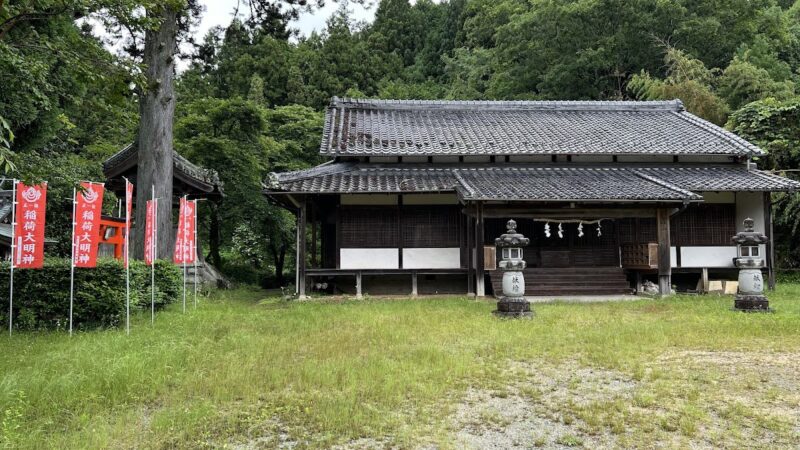
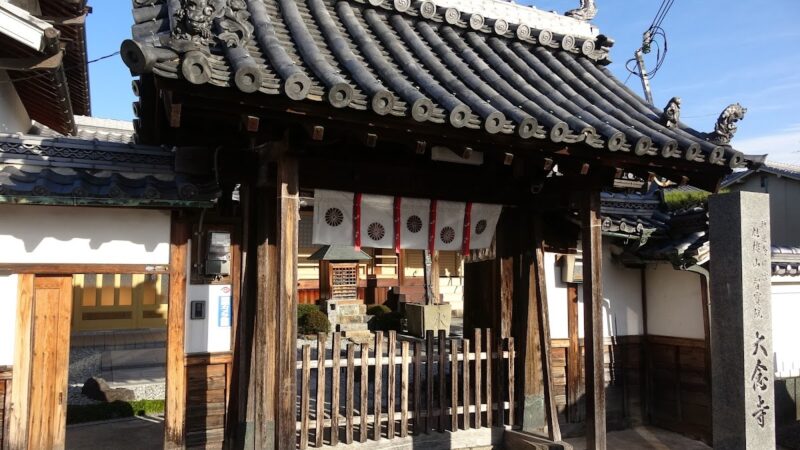
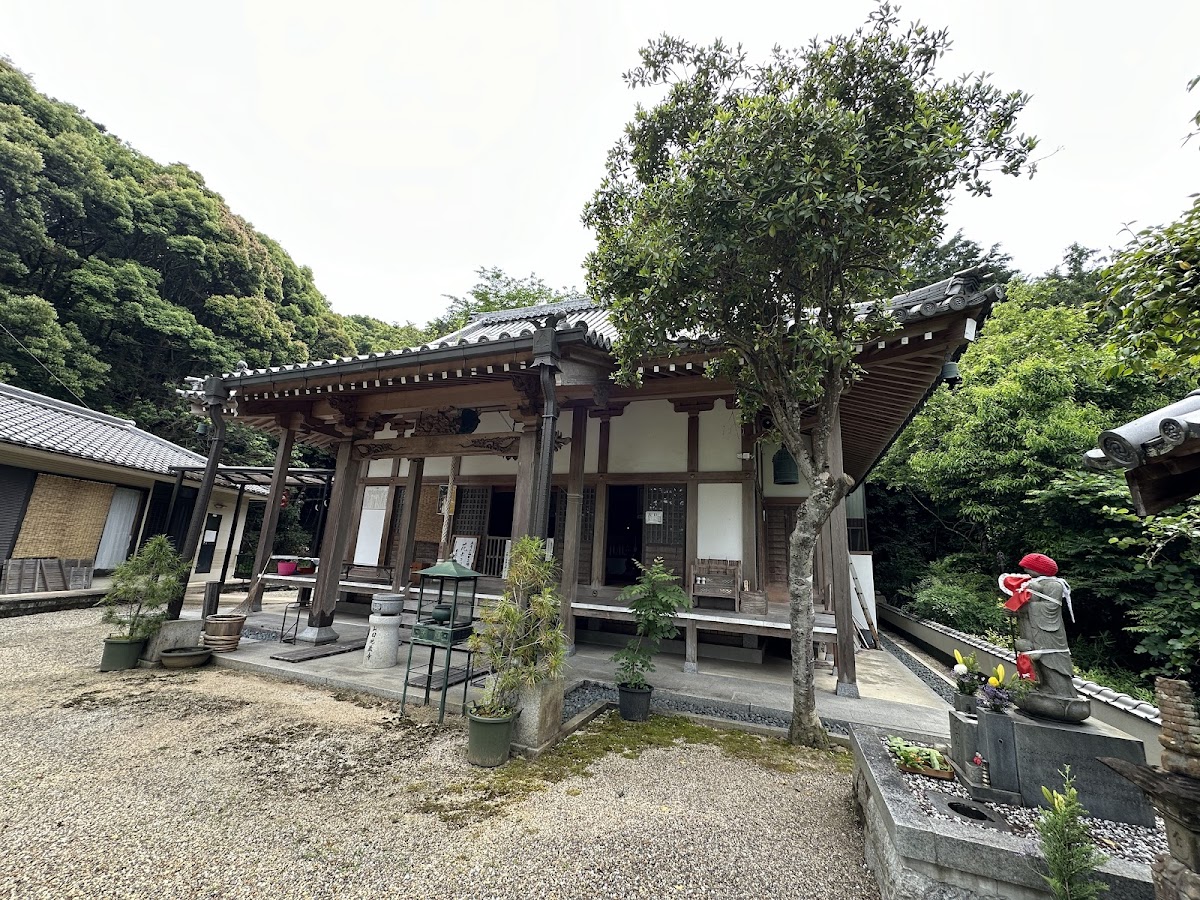
Gojo City, Nara Prefecture, has several “Jizo-ji” temples, each a Shingon Buddhist temple with its own unique history and characteristics. This article provides detailed, locally-rooted information on the major Jizo-ji temples in Gojo City, from basic information and historical background to methods of worship, perpetual memorial services, and cemetery information.
About Jizo-ji Temples in Gojo City
At least four Jizo-ji temples have been identified in Gojo City, each located in a different area. The main Jizo-ji temples are as follows:
Enmei-in Jizo-ji Temple (Yamada-cho)
Located at 289 Yamada-cho, this is a Koyasan Shingon Buddhist temple, also known as Shinmon-zan. This Jizo-ji temple is particularly known in Gojo City for its emphasis on history and tradition.
Jizo-ji Temple (Reianji-cho)
Located at 1754 Reianji-cho, this is a Koyasan Shingon Buddhist temple. It is located in a relatively easily accessible location from Yamato-Futami Station, Gojo Station, and Sumida Station on the JR Wakayama Line.
Jizo-ji Temple (Deyashiki-cho)
Located at 413 Deyashiki-cho, this is a Shingon Buddhist temple, with the head priest being Matoba Daisōshi. It is known as a temple that attracts the faith of the local people.
Jizo-ji Temple (Imai)
Located at 1-6 Imai, Jizo-ji Temple is also one of the historical temples in Gojo City.
Detailed Information on Enmei-in Jizo-ji Temple (Yamada-cho)
Basic Information
Location: 289 Yamada-cho, Gojo City, Nara Prefecture
Sect: Koyasan Shingon Buddhism
Mountain Name: Shinmon-zan
Nearest Station: Fukujin Station, Kintetsu Yoshino Line
Goshuin (Temple Seal): Available
History and Origin
Enmei-in Jizo-ji Temple is a temple belonging to the Koyasan Shingon sect, preserving the teachings of Kobo Daishi Kukai. With Jizo Bodhisattva as its principal deity, it has long been a place of worship for the peace and longevity of the local people.
As a Shingon Buddhist temple, it practices and performs prayers based on the teachings of Esoteric Buddhism. In particular, as a center of Jizo worship, it attracts many visitors praying for the healthy growth of their children and the safety of their families.
Flower Festival (Hanamatsuri)
Enmei-in Jizo-ji Temple holds its “Flower Festival” every year on May 24th, starting at 2 PM. This Buddhist event celebrates the birth of Buddha, and Jizo-ji Temple holds special events.
Features of the Flower Festival:
- Date and Time: Every year on May 24th, starting at 2 PM
- Special Offering: Sweet tea grown naturally on the temple grounds is served to visitors
- Origin of Sweet Tea: A traditional drink made from sweet tea trees grown on the temple grounds
Sweet tea is a traditional drink used in the Flower Festival, based on the legend that sweet dew rained down from heaven at the time of Buddha’s birth. Jizo-ji Temple uses naturally grown sweet tea, providing a valuable opportunity to share the blessings of the local nature with visitors.
About Goshuin (Temple Seals)
Enmei-in Jizo-ji Temple offers Goshuin (temple seals). A Goshuin (temple stamp) is a precious memento that serves as proof of visiting a temple and forging a connection with Buddha.
How to receive a Goshuin:
- Complete your prayers at the main hall.
- Request a Goshuin at the temple office or the main hall.
- Bring your Goshuincho (stamp book) or receive a pre-written one.
- Offer a donation (hatsuho-ryo).
When receiving a Goshuin, it is important to first pray with sincerity. Approach the Goshuin not as a stamp rally, but as a tangible representation of your connection with Buddha.
Detailed Information on Jizo-ji Temple (Reianji-cho)
Basic Information
Location: 1754 Reianji-cho, Gojo City, Nara Prefecture
Sect: Koyasan Shingon Buddhism
Nearest Station: JR Wakayama Line, Yamato-Futami Station, Gojo Station, Sumida Station
Access: Approximately 1.9km from JR Wakayama Line Gojo Station
Location and Environment
Jizo-ji Temple in Reianji-cho is located in a quiet environment somewhat away from the center of Gojo City. The place name “Reianji” itself indicates a deep connection with Buddhist temples, and the area has played an important role as a place of worship since ancient times.
Perpetual Memorial Service and Cemetery Information
Jizo-ji Temple (Reianji-cho) offers perpetual memorial services and cemetery plots. It provides memorial service forms that meet modern needs and is used by many people.
Available Memorial Service Options:
- Perpetual Memorial Grave
- Traditional Cemetery
- Columbarium (Confirmation Required)
- Tree Burial (Confirmation Required)
Benefits of Perpetual Memorial Service
Perpetual memorial service is a suitable option for those without successors or those who do not wish to burden their descendants with grave maintenance. The temple takes responsibility for continuing the memorial service in perpetuity, providing peace of mind.
Characteristics of Perpetual Memorial Services:
- The temple provides perpetual memorial services and management.
- No successor required.
- No or low annual management fees.
- Often open to all denominations.
Detailed Information on Jizo-ji Temple (Deyashiki-cho)
Basic Information
Location: 413 Deyashiki-cho, Gojo City, Nara Prefecture
Denomination: Shingon Buddhism
Chief Priest: Matoba Daisōshi
Temple Characteristics
Jizo-ji Temple in Deyashiki-cho is a Shingon Buddhist temple deeply rooted in the local community. Under the leadership of Chief Priest Matoba Daisōshi, it upholds the traditional teachings of Shingon Buddhism while fulfilling the role of a temple in modern society.
Main Activities of the Temple
As a Shingon Buddhist temple, the temple conducts the following activities and memorial services:
Main Memorial Services and Events:
- Monthly Memorial Services
- Annual Memorial Services (First Anniversary, Third Anniversary, Seventh Anniversary, etc.)
- Ancestor Memorial Services
- Memorial Services for Stillborn Children
- Funeral and Memorial Service Execution
Access Information
Access to Enmei-in Jizo-ji Temple (Yamada-cho)
Access by Train:
- Get off at Fukujin Station on the Kintetsu Yoshino Line
- Access from the station on foot or by car
Access by Car:
- Approximately 15 minutes by car from Gojo IC on the Keina-Wa Expressway
- Via National Route 24 and National Route 168
- It is recommended to check the availability of parking in advance
Access to Jizo-ji Temple (Reianji-cho)
Access by Train:
- Get off at Gojo Station on the JR Wakayama Line, approximately 1.9km (approximately 25 minutes on foot, approximately 5 minutes by taxi)
- Accessible from JR Wakayama Line’s “Yamato-Futami Station” or “Sumida Station”
Access by Car:
- Approximately 10 minutes by car from the Keina-Wa Expressway’s “Gojo IC”
- Easily accessible from National Route 24
Access to Jizo-ji Temple (Deyashiki-cho)
Access by Train:
- The nearest station is JR Wakayama Line’s “Gojo Station”
- Walk or take a taxi from the station
Access by Car:
- Approximately 5 minutes by car from the Keina-Wa Expressway’s “Gojo IC”
- Close to Gojo city center, easily accessible
Etiquette and Manners for Visiting a Temple
Basic Etiquette for Visiting a Temple
When visiting Jizo-ji Temple, please observe the following etiquette.
Etiquette at the Temple Gate:
- Bow before the temple gate.
- Enter carefully, being careful not to step on the threshold.
- Walk quietly within the temple grounds.
How to Purify at the Water Basin:
- Take the ladle with your right hand and purify your left hand.
- Switch the ladle to your left hand and purify your right hand.
- Switch the ladle back to your right hand, receive water in your left hand, and rinse your mouth.
- Purify your left hand once more.
- Cleanse the handle of the ladle by holding it upright, and return it to its original place.
Worship at the Main Hall:
- Bow slightly before the offering box.
- Place your offering quietly.
- Ring the bell if there is one.
- Join your hands in prayer and pray sincerely.
- Bow and leave.
Attire for Visiting the Temple
There are no specific rules, but please dress appropriately as this is a sacred place.
- Avoid revealing clothing.
- Wear clean and presentable attire.
- If attending a memorial service, wear semi-formal attire or black clothing.
About Shingon Buddhism
All Jizo-ji temples in Gojo City belong to the Shingon sect (including Koyasan Shingon Buddhism). Having basic knowledge of Shingon Buddhism will allow you to understand the temples more deeply.
Characteristics of Shingon Buddhism
Founder: Kobo Daishi Kukai (774-835)
Head Temple: Koyasan Kongobu-ji Temple (Wakayama Prefecture)
Doctrine: Esoteric Buddhism (Shingon Esoteric Buddhism)
Principal Deity: Dainichi Nyorai
Teachings of Shingon Buddhism
Shingon Buddhism teaches “Sokushin Jobutsu,” that is, the ability to become a Buddha in this very body. It is believed that through the practice of Esoteric Buddhism, everyone can awaken the Buddha-nature they inherently possess.
Main Practices:
- Sanmitsu Kaji (Unifying the three functions of body, speech, and mind with the Buddha)
- Goma Kuyo (Fire ritual)
- Shomyo (Buddhist music)
- Sutra copying
Jizo Bodhisattva Worship
Jizo Bodhisattva, the principal image of Jizo-ji Temple, is one of the most beloved Buddhist deities in Japan.
About Jizo Bodhisattva
Jizo Bodhisattva (Sanskrit: Ksitigarbha) is considered a Bodhisattva who saves sentient beings in all six realms (hell, hungry ghosts, animals, asuras, humans, and heaven) after the death of Shakyamuni Buddha until the appearance of Maitreya Bodhisattva.
Characteristics of Jizo Worship
Forms of Worship in Japan:
- Worship as a Guardian Deity of Children
- Syncretism with Dōsojin (Roadside Deities)
- Six Jizo Worship
- Mizuko Jizo (Jizo for Stillborn Children)
- Enmei Jizo (Jizo for Longevity)
Jizo Bodhisattva is especially worshipped as a protector of children and is enshrined in various places as “Child-Rearing Jizo” and “Safe Childbirth Jizo.” Furthermore, due to the legend of saving children suffering at Sai no Kawara (the riverbed of souls), it is also deeply involved in the memorial service for children who died young.
History and Culture of Gojo City
Gojo City, where Jizo-ji Temple is located, is situated in the southwestern part of Nara Prefecture and has flourished as a transportation hub since ancient times.
History of Gojo City
Gojo has been known as “Uchi District” since ancient times and was an important region during the Asuka period. In the Middle Ages, it became one of the bases of the Southern Court and is also known as a transit point for Emperor Go-Daigo on his way to Yoshino.
Major Historical Events:
- Nanboku-chō Period: An important base for the Southern Court
- Sengoku Period: The stage for power struggles between clans such as the Tsutsui and Matsunaga
- Edo Period: Developed as part of the Kishu Domain
- Late Edo Period: The site of the Tenchūgumi Incident (1863)
Cultural Properties and Tourist Spots in Gojō City
When visiting Jizōji Temple, we recommend also visiting the surrounding cultural properties and tourist spots.
Major Tourist Spots:
- Eizanji Temple (home to the National Treasure Octagonal Hall)
- Shinmachi Street (preserving the Edo period townscape)
- Kanō Plum Grove
- Yoshino River (Kinokawa River)
- Kongōji Temple (with the Important Cultural Property, the Tahōtō Pagoda)
Annual Events and Festivals
Major Buddhist Events
Jizōji Temple holds various Buddhist events throughout the year.
January:
- Shushōe (New Year’s service): A memorial service for the new year
Spring Equinox (March):
- Spring Equinox Service: A memorial service for ancestors
May 24th:
- Ohana Matsuri (Flower Festival) (Enmei-in Jizo-ji Temple): Sweet tea served
August:
- Obon Segaki Memorial Service: A memorial service for the spirits of ancestors
Autumn Equinox (September):
- Autumn Equinox Service: A memorial service for ancestors
December:
- Joya no Kane (New Year’s Eve bell): A New Year’s Eve event
About Jizo Bon
Around August 23rd and 24th, the “Jizo Bon” festival, dedicated to Jizo Bodhisattva, is sometimes held. Jizo Bon is a particularly popular event in the Kansai region, where prayers are offered for the healthy growth of children.
How to Request a Memorial Service
Available Memorial Services
Jizo-ji Temple offers a variety of memorial services and ceremonies.
Annual Memorial Services:
- 7th day, 49th day
- 1st anniversary, 3rd anniversary, 7th anniversary
- 13th anniversary, 17th anniversary, 23rd anniversary
- 27th anniversary, 33rd anniversary, 50th anniversary
Other Memorial Services:
- Funeral
- Ancestor Memorial Service
- Memorial Service for Stillborn Children
- Pet Memorial Service (varies by temple)
- Prayer/Supplication
How to Apply for a Memorial Service
- Advance Contact: Contact by phone or visit in person to discuss the date.
- Schedule Adjustment: Adjust the desired date and time with the temple’s availability.
- Confirmation of Offering: Confirm the estimated amount (if it’s difficult to ask directly, they may say “whatever you feel is appropriate”).
- Preparation on the Day: Prepare the memorial tablet, portrait, offerings, etc.
Estimated Offerings
Offerings for Memorial Services:
- 49th Day Memorial Service: 30,000 to 50,000 yen
- First anniversary of death: 30,000 to 50,000 yen
- Third anniversary and beyond: 30,000 yen and up
- Memorial services during Obon and Higan: 5,000 to 10,000 yen
Other:
- Transportation fee: 5,000 to 10,000 yen (for memorial services held outside the temple)
- Meal allowance: 5,000 to 10,000 yen (if not participating in the meal)
*Please note that these amounts vary depending on the region, temple, and scale of the memorial service. These are only estimates.
Details on Perpetual Memorial Services and Cemeteries
Types of Perpetual Memorial Graves
Jizo-ji Temple (Reianji-cho), etc., offers various forms of perpetual memorial services tailored to modern needs.
Communal Burial:
- A form of burial where you are interred together with others.
- Relatively inexpensive.
- No individual tombstone is provided.
Individual Interment:
- Individual interment for a set period (e.g., 13, 33 years).
- After the period ends, the remains are moved to a communal burial.
- There is an individual memorial service period.
Tree Burial:
- A tree serves as the grave marker instead of a tombstone.
- Popular with those who desire a return to nature.
- An environmentally friendly burial method.
Points to Note When Visiting a Cemetery
When considering perpetual memorial services or purchasing a burial plot, we strongly recommend visiting the site in person.
Checkpoints for Visiting:
- Location & Access: Transportation access, availability of parking
- Environment: Sunlight, drainage, cleanliness
- Facilities: Memorial service facilities, rest area, toilets
- Management: Well-maintained grounds, overall management
- Personality of the Chief Priest: Is he approachable and easy to talk to?
- Costs: Perpetual memorial service fee, annual maintenance fee, other fees
- Sect: Is it open to all sects, or is membership required?
Regarding Grave Closure
You may be able to consult with Jizo-ji Temple about “grave closure,” which involves removing an existing grave and transferring the remains to a perpetual memorial grave, etc.
The Process of Closing a Grave:
- Reaching an agreement among relatives
- Consulting with the current cemetery administrator
- Deciding on a new burial site
- Applying for a reburial permit (at the municipal office)
- Closing ceremony (removing the spirit)
- Removing the remains
- Removing the tombstone and clearing the site
- Opening ceremony (inserting the spirit) at the new burial site
Nearby Temples and Shrines
Besides Jizo-ji Temple, Gojo City has many other historical temples and shrines.
Shoren-ji Temple
Shoren-ji Temple, located in Gojo City, is a temple famous for its Jizo statue for safe childbirth and its lotus flowers.
Features:
- Known for prayers for safe childbirth
- Enjoy 107 varieties and 254 pots of lotus flowers from mid-June to mid-September
- “Teru Teru Bozu” (weather charms) adorn the temple grounds
- Popular as a temple for praying for fine weather
Eizanji Temple
An ancient Shingon Buddhist temple known for its National Treasure Octagonal Hall.
Features:
- National Treasure Octagonal Hall (built during the Nara period)
- Important Cultural Property Bronze Bell
- A temple associated with Fujiwara Muchimaro
Kongoji Temple
A temple possessing an Important Cultural Property Pagoda.
Notes for Visitors
Regarding Photography
Photography is generally permitted on the temple grounds, but please note the following points.
- Photography is often prohibited inside the main hall.
- Refrain from taking photos during religious services.
- Be considerate and avoid including other worshippers in your photos.
- Refrain from using flash photography.
- When posting on social media, be careful not to damage the dignity of the temple.
Visiting Hours
While some temples may not have clearly defined opening and closing times, the following times are generally appropriate:
- Visiting Hours: From sunrise to sunset
- Temple Office Hours: Approximately 9:00 AM to 5:00 PM
- Goshuin (temple stamp) Reception: Approximately 9:00 AM to 4:00 PM
If you wish to attend a religious service or obtain a Goshuin, it is recommended to confirm by phone in advance.
Parking and Manners
- Use designated parking areas.
- Avoid street parking as it inconveniences neighbors.
- Walk quietly within the temple grounds.
- Always take your trash with you.
- Smoking is only permitted in designated areas.
How to Contact
You can contact various temples using the following methods.
Examples of Inquiries
- Consultation regarding memorial service dates
- Reception hours for Goshuin (temple stamps)
- Reservation for perpetual memorial service and cemetery viewing
- Confirmation of annual event dates
- Detailed access information
- Availability of parking
Etiquette for Inquiries
- Consider the time of day: Avoid early mornings and late nights
- Be concise: Clearly state your requirements
- Use polite language: Strive for polite language
- Prepare a memo: Be prepared to record the date, time, and content of your inquiry
Summary
Jizo-ji temples in Gojo City, Nara Prefecture, are Shingon Buddhist temples, each with its own unique history and characteristics. Enmei-in Jizo-ji (Yamada-cho) holds an annual flower festival on May 24th with sweet tea service, and Goshuin stamps are also available. Jizo-ji in Reianji-cho offers perpetual memorial services and cemetery plots, providing services that meet modern needs.
Gojo City has flourished as a transportation hub since ancient times and has been the stage for historical events during the Nanboku-cho period and the end of the Edo period. When visiting Jizo-ji Temple, you can gain a deeper understanding of Gojo City’s rich history and culture by also visiting nearby tourist spots such as Eizan-ji Temple, Shoren-ji Temple, and Shinmachi Street.
When visiting the temple, please observe basic etiquette and manners, and pray quietly and with sincerity. For inquiries regarding memorial services, perpetual memorial services, and cemeteries, it is recommended to contact the temple by phone in advance. Jizo-ji Temple in Gojo City is open to many people as a place where they can experience the compassionate teachings of Jizo Bodhisattva and find peace of mind.