Complete Guide to Saihoji Temple (Gojo City, Nara Prefecture) | Detailed Information, Access, and History of the Four Saihoji Temples
There are several temples with the same name, “Saihoji,” in Gojo City, Nara Prefecture. This is because “Saihoji” is a very common temple name, ranking highly in nationwide temple name rankings. This article provides detailed information on the four Saihoji temples located in Gojo City, including their basic information, sect, historical background, and access methods.
Overview of Saihoji Temples in Gojo City
Gojo City, Nara Prefecture, is located in the southwestern part of Nara Prefecture and is a historical region that developed along the Yoshino River. This region is dotted with Saihoji temples of different sects, including the Koyasan Shingon sect, the Jodo sect, and the Jodo Shinshu Honganji sect, each playing an important role as a center of local faith.
A survey of temples and shrines nationwide reveals that the name “Saihoji” ranks highly in the nationwide ranking of identical temple names and is widely used, mainly by Jodo sects. This is based on the Buddhist belief that Amida Buddha’s Pure Land is located in the “West.”
Basic Information on Saihoji Temple
Saihoji Temple (Shinmachi) | Koyasan Shingon Sect
Location and Contact Information
- Address: 2-6-10 Shinmachi, Gojo City, Nara Prefecture
- Postal Code: 637-0043
- Sect: Koyasan Shingon Sect
Features and History
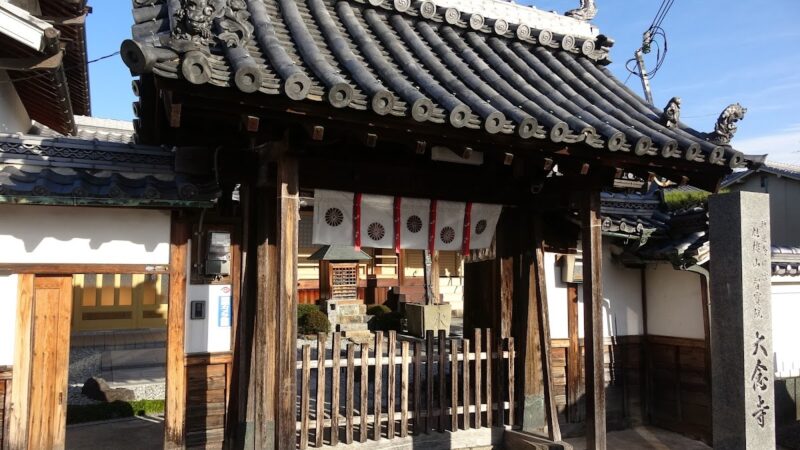
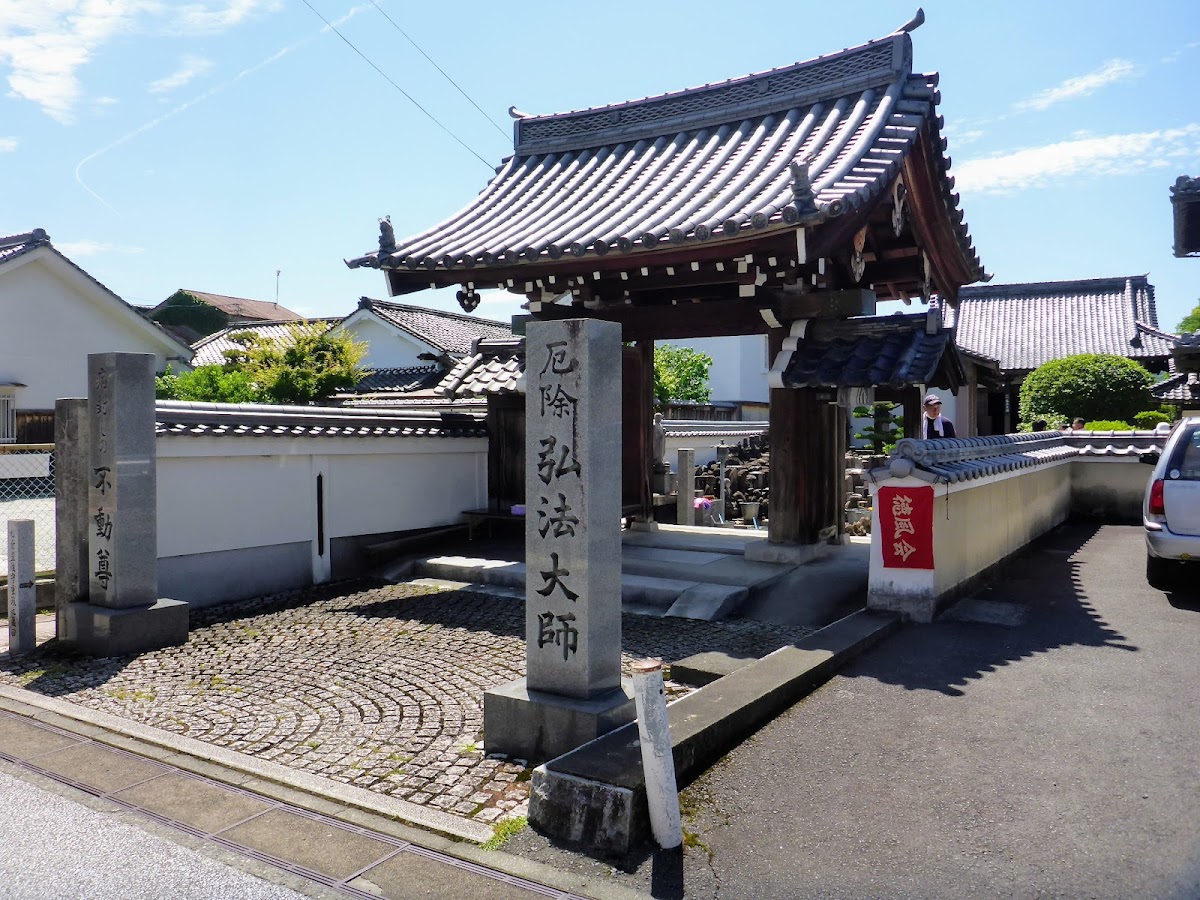
Located in Shinmachi, Gojo City, Saihoji Temple is a Koyasan Shingon sect temple deeply rooted in the local community. The Shinmachi area is designated as an Important Preservation District for Groups of Traditional Buildings, and is a historical area where the Edo period townscape still remains.
A statue of Kobo Daishi, the warding off evil, is enshrined beside the temple gate, demonstrating its characteristics as a Shingon sect temple. Within the temple grounds stands a monument commemorating Matsukura Shigemasa, who contributed to the development of the Gojo Shinmachi area, making it an important historical site in the region’s history.
This Saihoji Temple is also known as one of the “24 Jizo Bodhisattva Sacred Sites for Preventing Dementia,” and is unique among the 24 sites in that the Jizo statue is enshrined inside the main hall. It enjoys deep faith from local residents, and is a temple particularly popular with elderly people praying for good health.
Access
- Approximately 15 minutes on foot from JR Wakayama Line “Gojo Station”
- Approximately 10 minutes by car from Kintetsu Yoshino Line “Yamato-Futami Station”
Saihoji Temple (Kamino, Nishiyoshino-cho) | Jodo Sect
Location and Contact Information
- Address: 487 Kamino, Nishiyoshino-cho, Gojo City, Nara Prefecture
- Postal Code: 637-0113
- Sect: Jodo Sect
Features and History
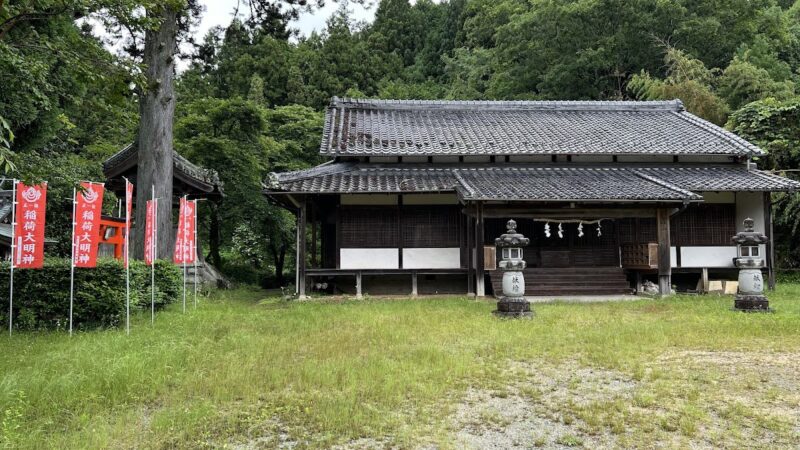
Located in Kamino, Nishiyoshino-cho, Saihoji Temple is a Jodo Sect temple with Amida Buddha as its principal deity, and serves as a center of Nembutsu faith. The Nishiyoshino region is located in a mountainous area and is supported by parishioners who lead a quiet life of faith amidst a rich natural environment.
The Jodo sect, founded by Honen Shonin, teaches that anyone can attain rebirth in the Pure Land through the recitation of “Namu Amida Butsu.” This Seihōji Temple also holds regular memorial services and chanting gatherings, playing a central role in the local religious community.
Access Information
- Access via Prefectural Road from National Route 168
- Approximately 30 minutes by car from the center of Gojo City
- Access by private car is recommended due to limited public transportation options.
Saihoji Temple (Nakanomachi) | Koyasan Shingon Sect
Location and Contact Information
- Address: 1693 Nakanomachi, Gojo City, Nara Prefecture
- Postal Code: 637-0082
- Sect: Koyasan Shingon Sect
Features and History
Saihoji Temple, located in Nakanomachi, is also a temple of the Koyasan Shingon sect. Several Koyasan Shingon sect temples exist within Gojo City, reflecting the historical regional background where Shingon Buddhism had a strong influence due to Koyasan’s location in southern Nara Prefecture.
The Koyasan Shingon sect considers Kobo Daishi Kukai as its founder and is based on the teachings of Esoteric Buddhism. In Shingon Esoteric Buddhism, emphasis is placed on the practice of achieving Buddhahood in this very body, and rituals such as the Goma fire ritual are characteristic of the practice.
The Nakanomachi district is located near the center of Gojo City and has functioned as a spiritual pillar of the local community. Under the danka system (parishioner system), it handles all aspects of Buddhist services, including funerals and memorial services, supporting the religious lives of the local residents.
Access Information
- Approximately 10 minutes by car from JR Wakayama Line “Gojo Station”
- Accessible from National Route 24
Saihoji Temple (Kawamata, Nishiyoshino-cho) | Jodo Shinshu Honganji School
Location and Contact Information
- Address: 1 Kawamata, Nishiyoshino-cho, Gojo City, Nara Prefecture
- Postal Code: 637-0225
- Sect: Jodo Shinshu Honganji School
Features and History
Located in Kawamata, Nishiyoshino-cho, Saihoji Temple is a temple of the Jodo Shinshu Honganji School (Nishi Honganji School). Jodo Shinshu considers Shinran Shonin as its founder and preaches the doctrine of salvation through the power of Amida Buddha’s original vow.
The Jodo Shinshu Honganji School is one of the largest Buddhist sects in Japan, with temples located throughout the country. This Seihōji Temple, too, serves as a center of faith for Shinshu Buddhist followers in the region, spreading its teachings through annual events such as the Hōonkō (memorial service).
The Kawamata district is located in a mountainous area of Nishiyoshino Town, where a long-established farming community has been formed. This Seihōji Temple has been cherished by local residents across generations as a spiritual anchor for this mountain village.
Access Information
- Via prefectural road from National Route 168
- Approximately 40 minutes by car from the center of Gojō City
- Due to its mountainous location, caution is needed regarding road conditions during winter.
Map of the area around Seihōji Temple
Area around Seihōji Temple in Shinmachi
Seihōji Temple in Shinmachi is located in the central urban area of Gojō City, and the surrounding area retains Edo-period townscapes designated as an Important Preservation District for Groups of Traditional Buildings. Public facilities such as the Gojō City Hall and the Gojō Cultural Museum are nearby, making it a popular tourist spot.
Major Nearby Facilities
- Gojo Shinmachi Street (Important Preservation District for Groups of Traditional Buildings)
- Machiya-kan (Tourist Information Center)
- Gojo Cultural Museum
- Yoshino River Riverbed
Around Seihōji Temple in Nishiyoshino-cho
The two Seihōji temples, located in Kanno and Kawamata in Nishiyoshino-cho, are both situated in a naturally rich mountainous area. A tributary of the Yoshino River flows nearby, allowing visitors to enjoy beautiful scenery throughout the seasons.
Nearby Natural and Tourist Resources
- Nishiyoshino Onsen (Nishiyoshino-cho, Gojo City)
- Kanō Plum Grove
- Clear Waters of the Yoshino River
- Mountain Forest Walking Trails
Around Seihōji Temple in Nakano-cho
Seifūji Temple in Nakano-cho is located in the urban area of Gojo City and is easily accessible from National Route 24. Surrounded by residential areas, it functions as a community-oriented temple.
List of Nearby Temples
Besides Saihoji Temple, there are numerous other Buddhist temples in Gojo City, Nara Prefecture. Nara Prefecture ranks highly in the number of temples per municipality, and has a high density of temples per capita and per area.
Major Temples in Gojo City
Koyasan Shingon Sect Temples
- Eizanji Temple (An ancient temple known for its National Treasure, the Octagonal Hall)
- Kongoji Temple
- Nenbutsuji Temple
Jodo Sect/Jodo Shinshu Sect Temples
- Saikyoji Temple
- Shogakuji Temple
- Sennenji Temple
Other Sects
- Tendai Sect Temples
- Soto Sect Temples
These temples are also included in the complete list of Buddhist temples and contribute to the rich religious culture of Gojo City.
Buddhist Culture and Historical Background of Gojo City
Spread of Buddhism in the Yoshino River Basin
Gojo City, Nara Prefecture, has developed since ancient times as a transportation hub utilizing the Yoshino River’s water transport. During the Nara period, Gojo was located on the route connecting Heijo-kyo (the capital) and Kii Province, playing a crucial role in the spread of Buddhist culture.
The abundance of Shingon Buddhist temples, particularly those of the Koyasan sect, is deeply connected to the nearby location of Mount Koya, founded by Kobo Daishi Kukai. Many people passed through Gojo City on their pilgrimage routes to Mount Koya, and the area flourished as a post town.
Matsukura Shigemasa and the Development of Gojo Shinmachi
In the early Edo period, Matsukura Shigemasa, who became the lord of the Gojo domain, laid out the town of Gojo Shinmachi, establishing its foundation as a commercial city. The monument commemorating Matsukura Shigemasa, located within the grounds of Saihoji Temple in Shinmachi, is an important historical site that conveys this history to the present day.
Matsukura Shigemasa later became the lord of the Shimabara domain and is known for the construction of Shimabara Castle, but his contributions to the development of Gojo are still highly regarded today.
Mountain Worship in the Nishiyoshino Region
Nishiyoshino Town is located in the mountainous area of the Yoshino mountain range, and since ancient times, a unique form of worship has been observed, blending mountain worship and Buddhism. The influence of Shugendo (mountain asceticism) was strong, and religious activities by mountain ascetics were also prevalent.
Even today, the temples of Nishiyoshino Town maintain a simple and devout faith characteristic of mountainous regions, presenting a different aspect of Buddhist culture from urban areas.
Points to Note When Visiting Saihoji Temple
Temple Visiting Manners
When visiting a temple, please observe the following basic manners.
- Attire: Please wear clean, understated clothing.
- Photography: Obtain permission in advance before taking photographs inside the main hall or of the Buddha statues.
- Worship: Please pray quietly with clasped hands and offer your prayers with sincerity.
- Offering: If requesting a memorial service or prayer, please prepare an appropriate offering.
Access and Parking
Shinmachi’s Saihoji Temple is located in the city center and is accessible by public transport, but parking space is limited. We recommend using nearby public parking lots.
The two Saihoji Temples in Nishiyoshino-cho are located in mountainous areas, so access by private car is essential. Some roads are narrow, so please drive carefully. In winter, there is a possibility of snow and ice, so we recommend checking road conditions in advance.
Nakano-cho’s Saihoji Temple is located near the city center and is relatively easy to access.
Visiting Hours
Each Saihoji temple operates as a family temple, and unlike typical tourist temples, there are no set visiting hours. It is advisable to contact the temple in advance if you wish to visit.
During memorial services and annual events, general visitors may be accepted, so it is recommended to check in advance.
Basic Knowledge for Understanding the Temple Culture of Gojo City
What is the Koyasan Shingon Sect?
The Koyasan Shingon Sect is a sect of Shingon Esoteric Buddhism founded by Kobo Daishi Kukai. Its head temple is Koyasan Kongobu-ji Temple in Wakayama Prefecture, and it has approximately 3,600 branch temples throughout Japan.
Main Characteristics
- Teaching of attaining Buddhahood in this lifetime
- Esoteric Buddhist rituals such as the Goma fire ritual
- Dedication to Dainichi Nyorai (Vairocana Buddha) as the principal deity
- Practice of chanting mantras
What is the Jodo Sect?
The Jodo Sect, founded by Honen Shonin, teaches that one can attain rebirth in the Pure Land by chanting the Nembutsu, “Namu Amida Butsu.” Its head temple is Chion-in in Kyoto.
Main Characteristics
- Teaching of exclusive Nembutsu practice
- Dedication to Amida Buddha as the principal deity
- Equality ideology that anyone can be saved
- Faith in rebirth through Nembutsu
What is the Jodo Shinshu Honganji Sect?
The Jodo Shinshu Honganji Sect, founded by Shinran Shonin, preaches salvation through the power of Amida Buddha’s vow. Its head temple is Nishi Honganji (Ryukokuzan Honganji) in Kyoto.
Main Characteristics
- The teaching of reliance on the power of others
- The doctrine of salvation even for wicked people
- A tradition of lay Buddhism
- Annual events such as the Hoonko (memorial service)
Saihoji Temples Nationwide and Saihoji Temple in Gojo City
In the nationwide ranking of temples with the same name, “Saihoji” ranks highly, with temples of the same name existing throughout Japan. This is because “Saiho” (西方) indicates the direction of Amida Buddha’s Pure Land, and the name was widely used, mainly by Pure Land Buddhist sects.
Within Nara Prefecture, in addition to Gojo City, there are also Saihoji temples in Nara City, Kashiba City, and other areas. For example, “Nanto Sōbosho Warajiyama Saihoji” in Aburasaka-cho, Nara City, is known as a temple of the Seizan Jodo sect, and Saihoji in Ryōfukuji, Kashiba City, is also a center of local faith.
The four Saihoji temples in Gojo City each belong to different sects and have carved out their own unique histories in different regions. This diversity demonstrates the richness of Japanese Buddhist culture. ## Gojo City Sightseeing and Temple Visits
Gojo Shinmachi, Important Preservation District for Groups of Traditional Buildings
When visiting Saihoji Temple in Shinmachi, be sure to also enjoy strolling through the townscape of Gojo Shinmachi, designated as an Important Preservation District for Groups of Traditional Buildings. Edo-period merchant buildings still remain, offering a time-traveling atmosphere.
Highlights
- Traditional townhouse architecture
- Machiya-kan (tourist information and rest facility)
- Kuriyama Residence (Important Cultural Property)
- Yoshino River scenery
Nature and Plum Groves of Nishiyoshino
When visiting Saihoji Temple in Nishiyoshino town, we also recommend viewing the plum blossoms at Kano Plum Grove. Every year from late February to March, approximately 20,000 plum trees color the mountain slopes.
You can also relax and unwind at Nishiyoshino Onsen (hot spring). Bathing in the hot springs amidst the rich natural environment is a truly special experience.
Eizanji Temple and National Treasure Architecture
Eizanji Temple, a representative ancient temple of Gojo City, houses an octagonal hall designated as a National Treasure. This valuable cultural asset preserves the architectural style of the Nara period and is a must-see spot for anyone interested in Buddhist architecture.
Temple Visits and Modern Society
The Danka System and Local Communities
Many temples in Gojo City, including Saihoji Temple, are maintained through the Danka system. A Danka is a family that belongs to a specific temple and provides financial support in exchange for having Buddhist services such as funerals and memorial services performed.
While the Danka system has changed due to urbanization and the rise of nuclear families, temples in rural areas still play an important role as the center of their local communities.
Modern Forms of Funerals and Memorial Services
In recent years, the forms of funerals and memorial services have diversified. While smaller-scale funeral formats such as family funerals and one-day funerals are increasing, the essence of remembering the deceased and performing memorial services based on Buddhist teachings remains unchanged.
At Saihoji Temple in Gojo City, traditional Buddhist rituals are preserved while flexibly adapting to the needs of the times.
New Forms of Memorial Service, such as Tree Burial
Some temples are considering offering new forms of memorial service, such as tree burial, which have gained attention in recent years. The idea of returning to nature resonates with the Buddhist concept of impermanence, and there is growing interest in this method of memorial service as it aligns with modern values.
Summary
There are four temples named “Saihoji” in Gojo City, Nara Prefecture, each belonging to a different sect: Koyasan Shingon Buddhism, Jodo Buddhism, and Jodo Shinshu Honganji Buddhism.
- Seihoji Temple in Shinmachi (Koyasan Shingon sect): Located within a designated Important Preservation District for Groups of Traditional Buildings, and one of the 24 sacred sites of Jizo Bodhisattva believed to ward off dementia.
- Seihoji Temple in Kanno, Nishiyoshino-cho (Jodo sect): A Buddhist chanting hall located in a naturally rich mountainous area.
- Seihoji Temple in Nakano-cho (Koyasan Shingon sect): A community-oriented temple located near the city center.
- Seihoji Temple in Kawamata, Nishiyoshino-cho (Jodo Shinshu Honganji sect): A spiritual center for a mountain village.
These temples reflect the common trend of the name “Seihoji” being found among temples and shrines nationwide, demonstrating faith in the “Western Pure Land” within the Pure Land philosophy.
When visiting Gojo City, you can experience the diversity and depth of Japanese Buddhist culture by visiting these Seihoji temples and learning about the characteristics of each sect and the history of the region. Enjoy the charms of Gojo City to the fullest, including the townscape of the Important Preservation District for Groups of Traditional Buildings, the natural beauty of the Kano Plum Grove, and the national treasure architecture of Eizanji Temple, along with a tour of temples.