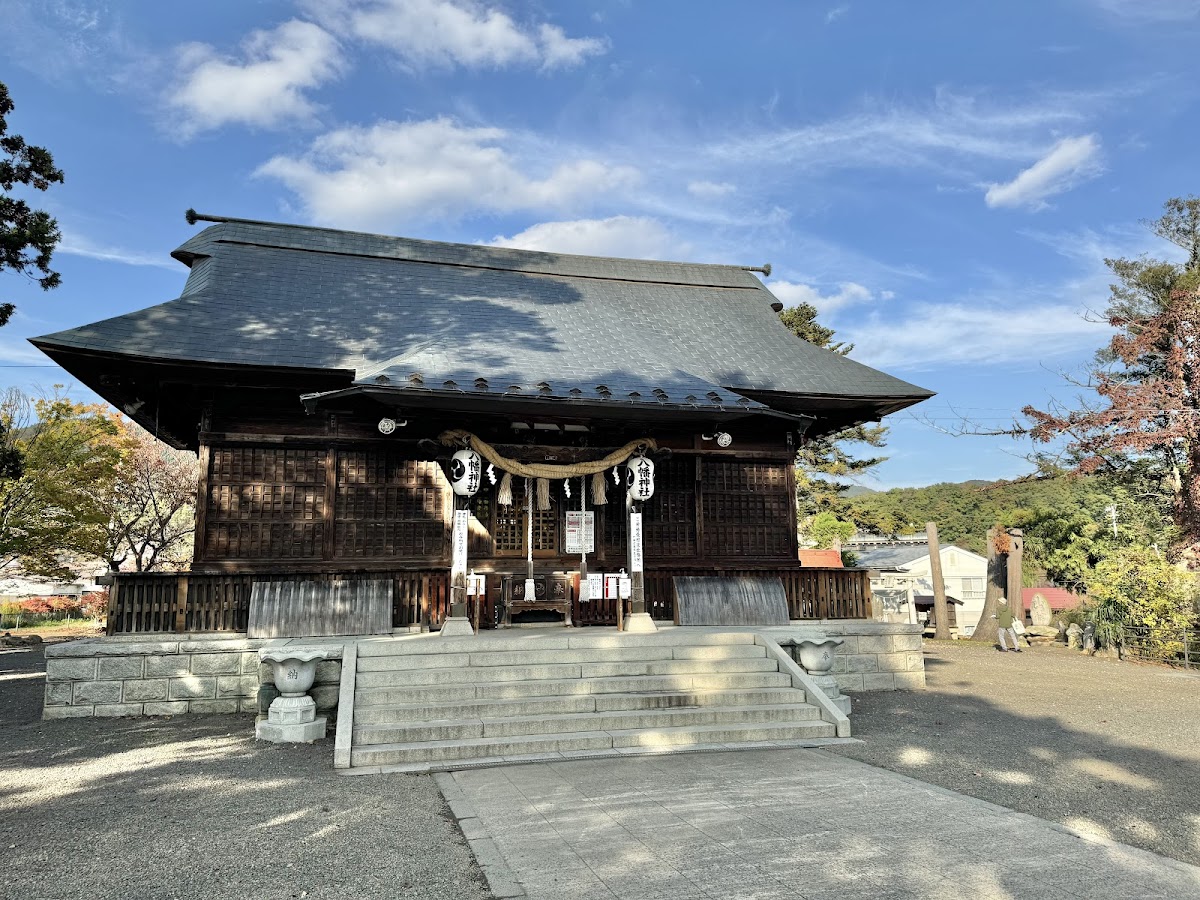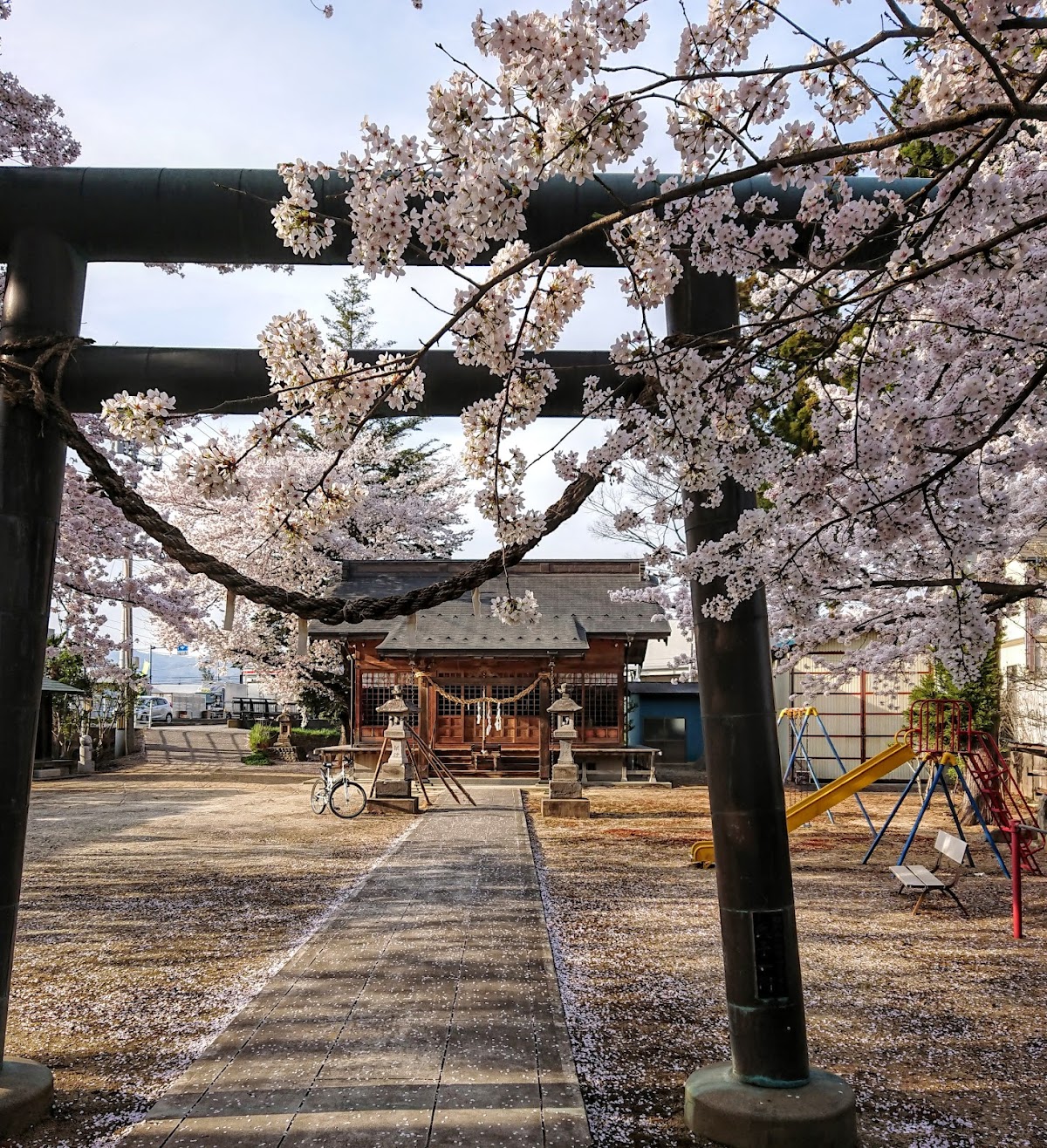
Suwa Shrine (Kamata, Fukushima City, Fukushima Prefecture) Complete Guide
Suwa Shrine, located in Kamata, Fukushima City, Fukushima Prefecture, is a historical shrine deeply rooted in the local community. Easily accessible from Fukushima Station, it is a well-loved shrine among locals. This article comprehensively covers everything you need to know before visiting, from detailed information about Suwa Shrine to nearby tourist spots and points to consider when praying.
About Suwa Shrine
Shrine Overview and Characteristics
Suwa Shrine is located at 21 Kamata, Fukushima City, Fukushima Prefecture, and its corporate number is registered as 5380005000787. As one of the Suwa Shrines, with Suwa Grand Shrine in Shinano Province (present-day Nagano Prefecture) as its head shrine, it enshrines Takeminakata-no-kami as its main deity.
While several shrines are scattered throughout Fukushima City, it has served as the center of faith in the Kamata area and a spiritual pillar of the local community. The shrine grounds are enveloped in a tranquil atmosphere, making it a place where one can escape the hustle and bustle of everyday life and find peace of mind. It is cherished not only by locals but also by tourists visiting Fukushima.
History and Origins of Suwa Shrine
Many Suwa shrines were established during the medieval and early modern periods by inviting deities from Suwa Grand Shrine in Shinano Province. The Suwa Shrine in Kamata, Fukushima City, is believed to have a similar history. Because Suwa worship is associated with war and military deities, it was widely practiced among the samurai class, and numerous Suwa shrines were established in the Tohoku region.
Within Fukushima Prefecture, Suwa worship is deeply rooted in various locations, including the Suwa Shrine in Aizuwakamatsu City, the Onahama Suwa Shrine in Iwaki City, and the Suwa Shrine in Date City. The Suwa Shrine in Kamata also has a history of attracting worshippers alongside the development and cultivation of this region.
Deities and Divine Virtues
The main deity, Takeminakata-no-kami, is a god who appears in the Kojiki and Nihon Shoki, and is known as the deity of Suwa Grand Shrine. He is considered a child deity of Ōkuninushi-no-Mikoto and has been revered as a symbol of strength and courage.
The divine blessings offered at this shrine include the following:
- Long-lasting military fortune and success in competitions: As a god of war, prayers are offered for success in competitions and contests.
- Abundant harvests: Also worshipped as a god of agriculture, prayers are offered for bountiful harvests.
- Good fortune and prosperity: Prayers are offered for various kinds of good fortune in life.
- Family safety: Protection of family safety and prosperity.
- Exorcism: Protection from misfortune and ensuring peaceful days.
Basic Information about Suwa Shrine
Location and Contact Information
Address: 21 Funato, Kamata, Fukushima City, Fukushima Prefecture 960-0102
Postal Code: 960-0102
Corporate Number: 5380005000787
For the shrine’s official website and contact information, it is recommended to check directly at the site or obtain the latest information from the Fukushima City Tourist Information Center.
Access Methods
Access by Train
The nearest station is Fukushima Station. From Fukushima Station, you can access the shrine using the following methods:
- Walking: Approximately 5 minutes on foot from Fukushima Station (Some information may confuse this with Suwa Shrine near Fukushima Station, so please confirm the actual distance).
- Bus: Take a Fukushima Kotsu bus bound for Kamata, then walk from the nearest bus stop.
Access by Car
- Tohoku Expressway: Approximately 15-20 minutes from Fukushima Nishi IC or Fukushima Iizaka IC.
- National Route 4: Head south from Fukushima city center towards the Kamata area.
Parking Information
Regarding parking at the shrine, it is recommended to check on-site. Smaller local shrines may have limited dedicated parking, so it’s a good idea to check nearby parking spaces in advance before visiting.
Visiting Hours and Admission Fee
Visiting Hours: Generally, visits are possible all day (the grounds are usually open 24 hours, but please be mindful of safety when visiting at night).
Admission Fee: Free
Shrine Office Hours: For those wishing to obtain Goshuin (temple/shrine stamps) or other items, the general guideline is 9:00 AM to 5:00 PM, but staff may not always be present, so it is recommended to check in advance.
Points to Note When Visiting a Shrine
Etiquette for Visiting a Shrine
Here are some basic etiquette rules for visiting a shrine:
- Bow before passing through the torii gate: Bow before entering the sacred area, in front of the torii gate.
- Purify yourself at the water basin: Purify your left hand, then your right hand, then your mouth.
- Walk along the edge of the path: The center is considered the path for the gods.
- Etiquette in front of the main hall: The basic procedure is two bows, two claps, and one bow.
About Goshuin (Shrine Seals)
Regarding the issuance of Goshuin at Suwa Shrine, it depends on the availability at the shrine office. Smaller shrines may not have a resident priest, so please note the following if you wish to receive a Goshuin (shrine stamp):
- Prior Confirmation: Please confirm by phone or other means before visiting whether Goshuin are available.
- Reception Hours: Generally, 9:00 AM to 5:00 PM is a good guideline.
- Offering Fee: Usually around 300-500 yen (please confirm at the shrine).
If you do not have a Goshuincho (stamp book), you may be able to purchase one at the shrine, but it is recommended to prepare one in advance.
Annual Events and Festivals
Suwa Shrine holds various festivals and events throughout the year. The main annual events at Suwa Shrine generally include the following:
- New Year’s Day Festival (January 1st): Prayers for happiness and peace in the new year
- Setsubun Festival (around February 3rd): Prayers for protection from evil and for good fortune
- Spring Grand Festival (around April): A grand spring festival praying for a bountiful harvest
- Summer Purification Ceremony (June 30th): Purification of impurities accumulated over the past six months
- Autumn Grand Festival (around September-October): A grand autumn festival expressing gratitude for the harvest
- Year-End Purification Ceremony (December 31st): Purification of impurities accumulated over the year and preparation for the new year
Specific dates and details may vary from year to year, so please contact the shrine directly for more information.
Recommended Tourist Spots Around Suwa Shrine
Major Tourist Attractions in Fukushima City
Fukushima Inari Shrine
Fukushima Inari Shrine, located within walking distance of Fukushima Station, is known as the guardian shrine of Fukushima City. It is revered by locals for its divine blessings of business prosperity and abundant harvests. Visiting it along with Suwa Shrine is also recommended.
Shinobu-yama Mountain
Shinobu-yama Mountain, a symbol of Fukushima City, is a low mountain at 275m above sea level, yet offers a spectacular panoramic view of the city. Shinobu-yama Park is located at the summit and is famous for its cherry blossoms. In spring, approximately 2,000 cherry trees bloom, attracting many visitors.
Hanami-yama Park
Hanami-yama Park, praised by the late photographer Shotaro Akiyama as “a paradise in Fukushima,” is a beautiful tourist spot known for its spring flowers. Plum blossoms, cherry blossoms, forsythia, and flowering peach blossoms all bloom at once, creating a truly “paradise” landscape.
Hot Spring Facilities
Iizaka Onsen
Known as the inner sanctuary of Fukushima City, Iizaka Onsen is a historic hot spring resort counted among the “Three Famous Hot Springs of Oshu,” along with Naruko Onsen and Akiu Onsen. Located about 20 minutes by car from Suwa Shrine, it’s perfect for relaxing after a visit to the shrine.
Tsuchiyu Onsen
Located in the western part of Fukushima City, Tsuchiyu Onsen is characterized by its abundant hot spring water and diverse spring qualities. It’s also known as a production area for kokeshi dolls, with kokeshi workshops scattered throughout the hot spring town.
Gourmet Spots
Fukushima Enban Gyoza
Enban gyoza, a famous local delicacy of Fukushima City, are dumplings arranged in a circle in a frying pan and cooked. Many gyoza specialty restaurants exist in the city, each competing with its own unique flavor.
Fukushima Ramen
Fukushima City is a ramen hotspot known to those in the know. Fukushima ramen, with its light soy sauce-based broth and curly noodles, is a beloved local dish.
Hotels and Accommodations near Suwa Shrine
Hotels near Fukushima Station
The area around Fukushima Station has many business hotels and city hotels, making it a convenient base for sightseeing:
- Fukushima Station Area: Many hotels within a 5-minute walk from the station
- Business Hotels: Reasonably priced accommodations available
- City Hotels: For those seeking more comprehensive facilities and services
Hot Spring Inns
Iizaka Onsen and Tsuchiyu Onsen offer a variety of accommodations, from traditional hot spring inns to modern hotels. Recommended for those who want to enjoy both sightseeing and hot springs.
Other Suwa Shrines in Fukushima Prefecture
Besides the Suwa Shrine in Kamata, there are many other Suwa Shrines in Fukushima Prefecture. Each has its own unique characteristics, making a pilgrimage to them all an interesting experience.
Suwa Shrine (Aizuwakamatsu City)
A representative Suwa Shrine of the Aizu region, boasting a rich history and prestige.
Onahama Suwa Shrine (Iwaki City)
As the guardian shrine of the Onahama district in Iwaki City, it is a center of local faith. The annual autumn festival attracts many worshippers.
Suwa Shrine (Ono Town)
The “Old Man Cedar” and “Old Woman Cedar” within the shrine grounds are nationally designated natural monuments, boasting an age of 1,200 years, and are affectionately known as the “Married Couple Cedars.”
Kitamiya Suwa Shrine (Kitakata City)
A historic Suwa Shrine located in Kitakata City, it holds an important position as a regional cultural asset.
Suwa Shrine (Date City)
This ancient shrine is said to have been established in 1191 by Date Tomomune, who invited the deity from Suwa in Shinshu. Within the shrine grounds are a group of 800-year-old cedar trees (a city-designated natural monument).
Notes and Manners for Visiting the Shrine
Regarding Clothing
While there are no specific dress code requirements for visiting the shrine, please dress appropriately as it is a sacred place:
- Clean and presentable clothing
- Avoid excessive exposure
- Remove hats and sunglasses in front of the main hall
Regarding Photography
Photography is generally permitted on the shrine grounds, but please note the following:
- Do not take photos in areas where photography is prohibited, such as inside the main hall
- Be considerate of other visitors
- Avoid using flash photography
- When posting on social media, accurately include the location and name of the shrine
Regarding Pets
Pet policies vary by shrine. Generally, entry to the temple grounds is permitted, but in most cases, dogs are not allowed inside the main hall. Always keep your dog on a leash and observe proper etiquette, including cleaning up after your dog.
Seasonal Highlights
Spring (March-May)
Spring is the season of fresh greenery, with the trees on the temple grounds beginning to bud. If cherry trees are planted, you can enjoy cherry blossom viewing. It’s also the time of the Spring Grand Festival, where you can feel the vibrancy of the community.
Summer (June-August)
The lush green temple grounds provide a cool space to alleviate the summer heat. During the Summer Purification Ceremony, there may be a ritual of passing through a ring of reeds, purifying oneself of the impurities accumulated over the past six months and praying for good health for the remaining half of the year.
Autumn (September-November)
Autumn is the season for the Autumn Grand Festival, a time of gratitude for the harvest. The trees on the temple grounds change color, and you may be able to enjoy the autumn foliage. Visiting the shrine in the crisp, clear air is a refreshing experience for both mind and body.
Winter (December-February)
Visiting the shrine amidst a snowy landscape offers a special, serene experience. Events celebrating the New Year and the start of a new season, such as the New Year’s Day Festival and the Setsubun Festival, are held during this time.
Visitor Trends at Suwa Shrine
Characteristics of Visitors
Suwa Shrine (Kamata, Fukushima City) is primarily visited by the following types of people:
- Local Residents: Daily visits, New Year’s visits, and participation in festivals
- Tourists from Fukushima City: Visits as part of sightseeing in the city
- Reverents of Suwa Faith: Those who visit Suwa Shrines throughout Japan
- Goshuin (Shrine Stamp) Collectors: As part of a shrine pilgrimage within Fukushima Prefecture
Recommended Time to Visit
For those who wish to visit in peace and quiet, weekday mornings are recommended. While weekends and festival days can be bustling with locals, this also presents a wonderful opportunity to experience the vibrant atmosphere of the shrine.
During the New Year’s visit period (January 1st to 3rd), crowds are expected, so we recommend visiting with plenty of time to spare.
Connection with the Community
As the Center of the Local Community
Suwa Shrine has played an important role in the formation of the local community as a spiritual center in the Kamata district. Through festivals and events, it serves as a place for intergenerational exchange.
Inheritance of Local Culture
Shrine festivals and traditional events are important opportunities to pass on local culture to the next generation. Children carrying the portable shrine and performing shrine maiden dances deepen their understanding of traditional culture.
Summary: The Charm of Visiting Suwa Shrine
Located in Funato, Kamata, Fukushima City, Fukushima Prefecture, Suwa Shrine is a historical shrine deeply rooted in the community and cherished by many. Its convenient location, easily accessible from Fukushima Station, makes it an attractive stop during Fukushima sightseeing.
Suwa Shrine plays a vital role in the Suwa faith, which has its head shrine at Suwa Grand Shrine in Shinano Province. Through the divine virtues of Takeminakata-no-kami, visitors can receive various blessings, including lasting military success, abundant harvests, and good fortune. The tranquil grounds offer a chance to calm the mind and find time to reflect on oneself, away from the hustle and bustle of daily life.
The surrounding area boasts many tourist attractions in Fukushima City, including hot spring resorts such as Iizaka Onsen and Tsuchiyu Onsen, natural spots like Hanamiyama Park, and local cuisine such as Enban Gyoza. Why not use a visit to Suwa Shrine as a starting point to fully experience the charms of Fukushima?
When visiting, please observe proper shrine etiquette and approach the deities with reverence. If you wish to receive a Goshuin (shrine stamp) or other items, it is recommended to check the shrine office’s availability in advance.
There are many other Suwa Shrines in Fukushima Prefecture, so those interested in the Suwa faith might consider a tour of the Suwa Shrines throughout the prefecture. By learning about the history and characteristics of each shrine, you can gain a deeper understanding of Suwa faith.
Suwa Shrine (Kamata, Funato, Fukushima City) is a valuable place that conveys the history and culture of the region to the present day. Please visit it at least once and experience its charm firsthand.