Kumano Shrine (Kumano, Shimo-Iizaka, Fukushima City, Fukushima Prefecture) Complete Guide | History, Deities, and Access Information
Kumano Shrine, located in Kumano, Shimo-Iizaka, Fukushima City, Fukushima Prefecture, is a historic shrine that was established by inviting a deity from Kii Province (present-day Wakayama Prefecture). It is located approximately 1.7 km northwest of Higashi-Fukushima Station on the Tohoku Main Line and has long been cherished by the local community. This article provides a detailed guide to Kumano Shrine, including its history, enshrined deities, highlights within the grounds, access information, and surrounding area information.
Basic Information about Kumano Shrine
Location and Contact Information
Address: 15 Kumano, Shimo-Iizaka, Fukushima City, Fukushima Prefecture 960-0115
Corporate Number: 1380005000725 (Date of Corporate Number Assignment: October 5, 2015)
Nearest Station: Higashi-Fukushima Station, Tohoku Main Line (Approx. 29 minutes on foot, approx. 5 minutes by car)
Opening Hours and Visiting Hours
Kumano Shrine is generally open for worship all day. However, since the shrine office may not always be staffed, it is recommended to check in advance if you wish to receive a Goshuin (shrine stamp) or prayer. The shrine grounds are properly maintained and can be visited in a clean condition at any time.
Parking Information
There is parking space for visitors around the shrine. A park is also located within the shrine grounds and is used as a place of relaxation for the local community.
History and Origins of Kumano Shrine
Invitation from Kii Province
Regarding the founding of Kumano Shrine, it is said that in the medieval period, a man named Kurotsu Shōhachi invited and enshrined a divided spirit of the Kumano deity from Kii Province (present-day Wakayama Prefecture). Kumano faith spread throughout Japan from the Heian period to the Kamakura period, and many Kumano shrines were built in the Tohoku region.
The Kumano Sanzan (Kumano Hongū Taisha, Kumano Hayatama Taisha, and Kumano Nachi Taisha) in Kii Province have been known as sacred sites since ancient times, and many people, from royalty to commoners, visited them. This faith spread to the Tohoku region, and Kumano Shrine was founded in Shimo-Iizaka, Fukushima City.
Kurotsu Shōhachi and Local Beliefs
Although detailed records of Kurotsu Shōhachi, who invited the deity, do not remain, it is believed that he was an influential figure in the region. At that time, bringing Kumano faith to a region meant establishing a spiritual foundation for that land. Thanks to the efforts of Shohachi Kurotsu, Kumano faith took root in the Shimo-Iizaka area, laying the foundation for the faith that continues to this day.
From the Edo Period to the Present
Throughout the Edo period, Kumano Shrine served as the guardian shrine of the Shimo-Iizaka area, attracting the faith of local residents. Even after the Meiji-era separation of Shinto and Buddhism and the turmoil of the post-war period, it was carefully preserved by the local people and continues to this day.
In recent years, the shrine building has been newly rebuilt, resulting in a large and beautiful shrine. Visitors appreciate it as a “new and large shrine,” and it continues to function as the center of local faith.
Deities and Blessings
Three Deities
Kumano Shrine enshrines the following three deities of the Kumano Sanzan (Three Grand Shrines of Kumano):
Kushimikenu-no-Mikoto
Known as the god of food, this deity is believed to bring blessings of abundant harvests and business prosperity. Also known as Ukanomitama-no-kami, this deity is deeply connected to Inari worship.
Hayatamao-no-mikoto
The principal deity of Kumano Hayatama Taisha Shrine, sometimes considered another name for Izanagi-no-mikoto. Believed to offer blessings for purification, protection from evil, and matchmaking.
Izanami-no-mikoto
The goddess of creation in Japanese mythology, revered as the god of all creation. Believed to offer blessings for safe childbirth, child-rearing, matchmaking, and family safety.
Characteristics of Kumano Faith
Kumano faith is a form of belief that strongly retains the idea of syncretism of Shinto and Buddhism. Based on the theory of Honji Suijaku (original essence and manifested form of Buddhist deities), the gods of Kumano are considered incarnations of various Buddhist Buddhas, forming a unique world of faith where Shinto and Buddhism merge. Therefore, Kumano shrines sometimes include not only Shinto rituals but also Buddhist elements.
Highlights of the Shrine Grounds
Features of the Shrine Buildings
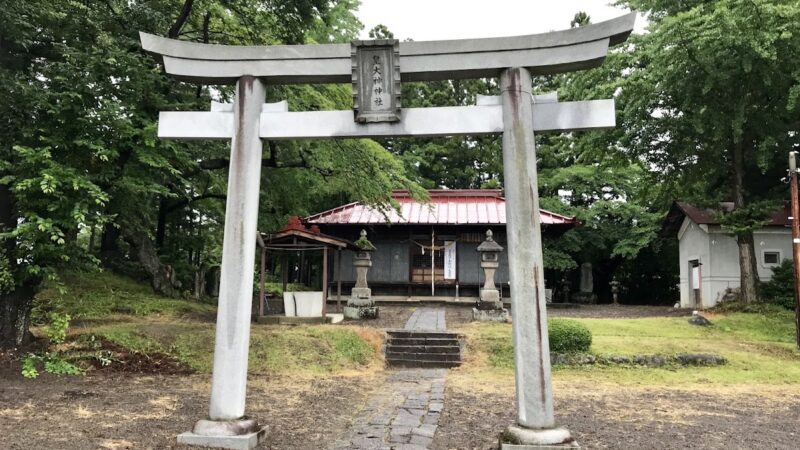
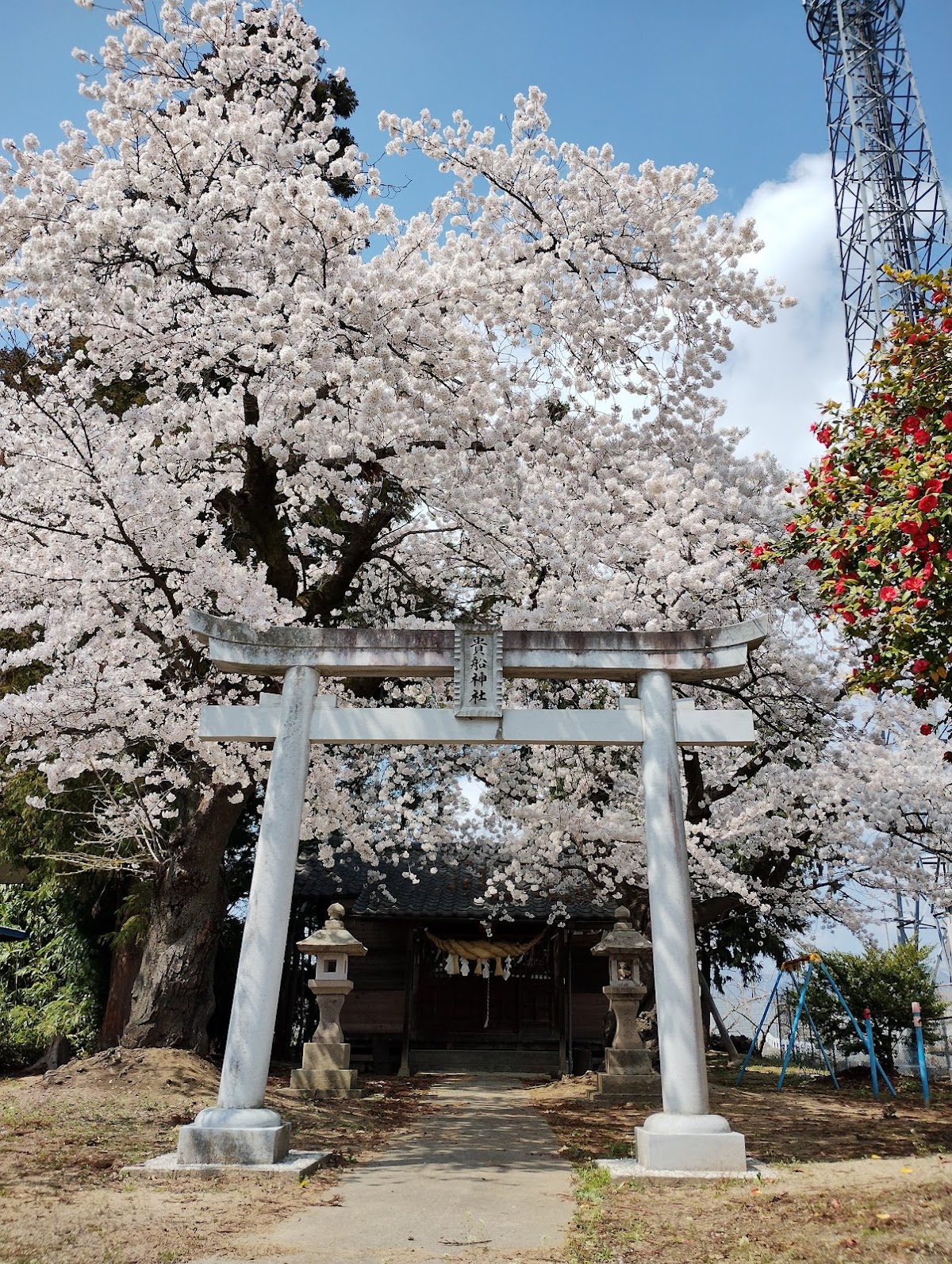
The shrine buildings of Kumano Shrine are relatively new, beautifully and impressively constructed. Visitors appreciate it as a “new and large shrine,” and it offers a glimpse into the best aspects of modern shrine architecture.
The worship hall has an open design to welcome visitors, while the main hall maintains the style of traditional shrine architecture. The entire grounds are well-maintained, maintaining a clean and pleasant atmosphere.
Park Facilities on the Shrine Grounds
One of the features of Kumano Shrine is that it has a park adjacent to the shrine. This park is used as a place of relaxation for local residents and is popular not only for worship but also for strolling and recreation.
The park has playground equipment and rest areas, making it a space that families can enjoy. Combining shrine visits with park use allows for a more fulfilling experience.
Atmosphere and Nature on the Shrine Grounds
The shrine grounds are surrounded by trees, allowing visitors to experience the changing seasons. In spring, the fresh green leaves; in summer, the deep green; in autumn, the vibrant autumn foliage; and in winter, the snowy landscape—each season offers a different and beautiful sight.
The tranquil environment allows for peaceful worship, providing a time to calmly connect with the deities. Its appeal lies in its proximity to urban areas while maintaining a rich natural environment.
Access Method
Access by Train
Nearest Station: JR Tohoku Main Line, Higashi-Fukushima Station
Travel Time: Approximately 29 minutes on foot from the station (approximately 1.7 km)
From Higashi-Fukushima Station, head northwest, passing through a residential area. While walking is possible, the distance is considerable, so it’s recommended to plan accordingly.
Access by Car
From Fukushima Station: Approximately 15 minutes (approx. 6 km)
From Tohoku Expressway, Fukushima-Nishi IC: Approximately 20 minutes (approx. 10 km)
From Tohoku Expressway, Fukushima-Iizaka IC: Approximately 15 minutes (approx. 7 km)
When using a car navigation system, please search for “15 Kumano, Shimo-Iizaka, Fukushima City, Fukushima Prefecture” or “Kumano Shrine, Fukushima City.” Parking is available around the shrine grounds.
By Taxi
From Higashi-Fukushima Station, it takes approximately 5 minutes by taxi. From Fukushima Station, it takes approximately 15 minutes. The estimated fare is around 1,000 yen from Higashi-Fukushima Station and around 2,000 yen from Fukushima Station.
By Bus
Fukushima Kotsu bus routes pass nearby, but a short walk is required from the nearest bus stop to the shrine. We recommend checking the latest bus timetables and route information on the Fukushima Kotsu official website.
Nearby Tourist Attractions and Shrines
Iizaka Onsen
Located about a 10-minute drive from Kumano Shrine, Iizaka Onsen is a historic hot spring resort, considered one of the three most famous hot springs in Oshu. It’s an ancient hot spring said to have been visited by Matsuo Basho, and boasts numerous hot spring inns and public baths. A sightseeing plan combining shrine visits and hot springs is highly recommended.
Other Kumano Shrines in Fukushima City
Several Kumano Shrines exist within Fukushima Prefecture. Shingu Kumano Shrine in Kitakata City is known for its Nagatoko (worship hall), a nationally designated important cultural property, and its famous ginkgo tree over 800 years old. Kumano Shrine in Iwaki City is said to have been established around 1240 years ago, in the second year of Enryaku (783 AD), and its 500-year-old Japanese evergreen oak tree is known as a power spot.
A “Kumano Shrine Pilgrimage” visiting these shrines would also make for an interesting sightseeing plan.
Tourist Attractions in Fukushima City
Hanamiyama Park: A representative flower viewing spot in Fukushima City, where peach blossoms, plum blossoms, and cherry blossoms bloom all at once in spring.
Fukushima Racecourse: A JRA (Japan Racing Association) racecourse, bustling with many horse racing fans on race days.
Azuma General Sports Park: A comprehensive park with various sports facilities on a vast site.
Manners and Etiquette for Visiting Shrines
Basic Etiquette for Visiting Shrines
There are basic manners for visiting shrines. When visiting Kumano Shrine, please observe the following etiquette.
How to Pass Through the Torii Gate: Bow before passing through the torii gate. Since the center of the path is considered the path of the gods, it is polite to walk along the side.
How to purify yourself at the water basin:
- Take the ladle with your right hand and purify your left hand.
- Switch the ladle to your left hand and purify your right hand.
- Switch the ladle back to your right hand, receive water in your left hand, and rinse your mouth.
- Purify your left hand once more.
- Stand the ladle upright, purify the handle, and return it to its original position.
How to pray at the main hall:
- Place your offering in the offering box.
- If there is a bell, ring it.
- Perform two bows, two claps, and one bow (two deep bows, two claps, one deep bow).
Photography Etiquette
Photography is generally permitted on the temple grounds, but please observe the following points.
- Do not take photos in areas where photography is prohibited, such as inside the main shrine.
- Be considerate of other worshippers.
- Remember that this is a sacred place and take photos with respect.
- Use flash photography sparingly.
You can take photos of the beautiful scenery within the shrine grounds and of the shrine buildings as a memento of your visit. The changing seasons and natural scenery are especially worth photographing.
Annual Events and Festivals
Main Annual Events
Kumano Shrine holds various Shinto rituals and festivals throughout the year. Since detailed schedules may change, it is recommended that those wishing to participate check in advance.
New Year’s Day Festival: The most important festival welcoming the new year, attracting many first-time visitors.
Annual Grand Festival: The most important festival of the shrine, where local residents gather and perform Shinto rituals.
Autumn Grand Festival: A festival of gratitude for the harvest, praying for a bountiful harvest.
Connection with the Community
Kumano Shrine has played a central role in the local community as the guardian shrine of the Shimo-Iizaka area. During festivals, local residents cooperate in preparations, and events such as portable shrine processions and dedication ceremonies are held.
It is a beloved shrine visited at important life events, such as children’s Shichi-Go-San (a traditional rite of passage for children) and prayers for protection against misfortune during unlucky years.
Charms and Characteristics of Kumano Shrine
New and Beautiful Shrine Building
A major characteristic of Kumano Shrine is its beautifully rebuilt, relatively new shrine building. Visitors have commented that it is a “new and large shrine,” and you can appreciate the beauty of modern shrine architecture.
While it differs from the atmosphere of older shrines, its cleanliness and bright atmosphere make it appealing for worshippers. It is especially welcoming for first-time visitors and families with young children.
Integration with the Park
Another major characteristic of Kumano Shrine is its integration with a park. This park can be used in various ways, not just for worship, but also for playing and relaxing.
This park functions as a place of relaxation for local residents, and many people visit it daily. It is a good example of a shrine functioning as the center of a local community.
Easy Access
Located relatively close to Higashi-Fukushima Station on the Tohoku Main Line, and only about a 15-minute drive from the center of Fukushima City, it offers excellent access. Despite its proximity to an urban area, it maintains a quiet and peaceful environment, which is a major attraction.
Parking is also available, making it convenient for those visiting by car. Its location makes it easy to combine with sightseeing plans that include Iizaka Onsen and other tourist spots in Fukushima City.
Kumano Faith in Fukushima Prefecture
Spread of Kumano Faith to the Tohoku Region
Kumano faith spread throughout Japan from the Heian period to the Kamakura period, when pilgrimages to Kumano by members of the imperial family and nobility became popular. Many Kumano shrines were established in the Tohoku region, becoming centers of local faith.
Within Fukushima Prefecture, there are several Kumano Shrines, including the Kumano Shrine in Shimo-Iizaka, Fukushima City, the Shingu Kumano Shrine in Kitakata City, and the Kumano Shrine in Iwaki City. Each has its own unique history and characteristics, and attracts the faith of its local community.
Relationship with the Kumano Sanzan
The Kumano Shrine in Shimo-Iizaka, Fukushima City, is a shrine that was established by inviting deities from the Kumano Sanzan in Kii Province. The Kumano Sanzan is a collective term for Kumano Hongu Taisha, Kumano Hayatama Taisha, and Kumano Nachi Taisha, and has been revered as a sacred site since ancient times.
The three deities enshrined at the Kumano Shrine originate from the principal deities of the Kumano Sanzan. Even in Fukushima, far away, a spiritual connection with the Kumano Sanzan is maintained.
Visitor Voices and Reviews
Reviews and Reputation
The following are some of the reviews received from visitors who have come to the Kumano Shrine:
“There’s a park next to the shrine. This is my first time here, and it’s a new and large shrine,” is one comment, highlighting the well-maintained grounds and the presence of the park.
The overall rating is also high at 4.0, indicating that it’s a shrine beloved by the community. The cleanliness of the grounds and the welcoming atmosphere are particularly praised.
Recommended Time to Visit
While Kumano Shrine is open year-round, here are some particularly recommended times to visit:
Spring (April-May): Beautiful fresh greenery and mild weather for worship.
Autumn (October-November): Beautiful autumn foliage and pleasant weather.
New Year’s Visit (January 1st-3rd): Many worshippers visit to pray for the New Year.
Grand Festival Day: Experience the shrine’s most important festival.
Information on Goshuin (Shrine Seals) and Other Items
About Goshuin
Regarding the issuance of Goshuin at Kumano Shrine, it is recommended to check in advance, as the shrine office may not always be staffed. Those wishing to receive a Goshuin should inquire before visiting or check local information.
Bringing your Goshuincho (stamp book) and receiving a Goshuin carefully will serve as a memento of your visit.
Amulets and Other Items
Shrines often offer various amulets and other items. Amulets for various blessings, such as traffic safety, family safety, academic success, and protection from evil, may be available.
For details on available items, it is recommended to check during your visit or inquire in advance.
Precautions When Visiting
Regarding Clothing
While there are no specific dress code requirements for visiting a shrine, it is desirable to dress appropriately, as it is a sacred place. It is best to avoid overly revealing clothing and overly casual footwear such as sandals.
For formal prayers, more formal attire (suits for men, suits or dresses for women, etc.) is appropriate.
Pet Policy
Regarding bringing pets to shrines, policies vary by shrine. Generally, it is advisable to keep pets to a minimum on the shrine grounds or to carry them. It is recommended to check directly with the shrine for details.
Accessibility Information
It is recommended to check the accessibility of the shrine grounds in advance. Those wishing to visit in a wheelchair should check the route from the parking lot to the main hall and whether there are any steps.
Summary
Kumano Shrine, located in Kumano, Shimo-Iizaka, Fukushima City, Fukushima Prefecture, is a historically significant shrine that was established by inviting deities from Kii Province and has long been a center of local faith. It enshrines three deities: Kushimikenu-no-Mikoto, Hayatamao-no-Mikoto, and Izanami-no-Mikoto, and is believed to offer various blessings, including abundant harvests, protection from evil, matchmaking, and safe childbirth.
This shrine features a beautifully rebuilt, relatively new shrine building and an adjacent park, and is highly regarded by visitors as a “new and large shrine.” Its convenient location, approximately 29 minutes on foot or 5 minutes by car from Higashi-Fukushima Station, is also a major draw.
Combining a visit with sightseeing in Iizaka Onsen or other attractions in Fukushima City is highly recommended. Please visit Kumano Shrine, where you can worship in a tranquil environment while experiencing the beauty of nature throughout the seasons.
The shrine grounds are well-maintained and always in pristine condition for worship. As a center of the local community and a place of faith, it will undoubtedly continue to be cherished by many people for years to come.