Complete Guide to Kōtaijinja Shrine (Fukushima Prefecture) | Thorough Explanation of Deities, Blessings, Access, and History
Kōtaijinja Shrine, located in Fukushima Prefecture, is a venerable shrine that attracts the faith of the local community. This article provides a detailed explanation of everything you need to know before visiting, including the history of Kōtaijinja Shrine, its enshrined deities, blessings, highlights of the grounds, and access methods.
What is Kōtaijinja Shrine?
While there are several shrines named Kōtaijinja in Fukushima Prefecture, the one located in Miharu-machi, Tamura-gun, Fukushima Prefecture is the most well-known. It has been revered as the local guardian deity since ancient times and has served as a spiritual anchor for local residents.
The name “Kōtaijin” is often found in shrines that enshrine Amaterasu Ōmikami as their main deity, suggesting a deep connection with Ise Grand Shrine. There are several shrines with the same name in Fukushima Prefecture, each preserving the history and culture of its region.
Basic Information about the Shrine
The basic information about Kōtaijin Shrine is as follows:
- Location: Miharu-machi, Tamura-gun, Fukushima Prefecture (Major Shrine)
- Deities Enshrined: Gods, primarily Amaterasu Ōmikami
- Shrine Rank: Village shrine class
- Annual Festival Date: Varies by region (mostly in autumn)
- Shrine Facilities: Main hall, worship hall, torii gate, purification fountain, etc.
History of Kōtaijin Shrine
Origin of Founding
While there are limited reliable historical records regarding the founding date of Kōtaijin Shrine, local traditions suggest it was established sometime between the medieval and early modern periods.
Many Kōtaijin Shrines in Fukushima Prefecture were established along with the spread of Ise faith. During the Edo period, “pilgrimages to Ise” became popular among common people, and shrines dedicated to the gods of Ise were built in various locations for those who could not travel to the distant shrines.
Historical Changes
During the Edo period, the shrine was revered by villagers as the local tutelary deity and played an important role as a place to pray for abundant harvests and family safety.
With the Meiji Restoration’s separation of Shinto and Buddhism, many shrines were reorganized, and the Kōtaijin Shrine was officially designated as a village shrine. Records show that the shrine buildings were renovated and the grounds were improved during this period.
From the Showa to the Heisei era, despite the effects of depopulation and urbanization, the shrine was maintained through the efforts of local residents. Various festivals and rituals are still held throughout the year.
Deities and Divine Virtues
Main Deity: Amaterasu Ōmikami
The main deity of Kōtaijin Shrine is Amaterasu Ōmikami. She is the supreme deity in Japanese mythology and is known as the goddess who personifies the sun.
Amaterasu Omikami is considered the ancestral deity of the Imperial Family and is enshrined in the Inner Shrine of Ise Grand Shrine. Her divine blessings include:
- National Peace and Security
- Good Fortune and Prosperity
- Protection from Evil
- Abundant Harvest
- Family Safety
and many other blessings.
Enshrined Deities
Some shrines enshrine the following deities alongside Amaterasu Omikami:
- Toyouke-no-Omikami: Deity of food and grains
- Sarutahiko-no-Okami: Deity of opening paths
- Local Guardian Deity: Guardian deity specific to the area
Divine Blessings and Virtues
The main blessings you can receive at Kōtaijin Shrine are as follows:
Good Fortune and Prosperity
Through the divine virtues of Amaterasu Omikami, it is believed that you can receive blessings such as improved luck in all aspects of life, successful relationships, and business prosperity. It is also suitable for those starting something new.
Protection from Misfortune and Disaster
Through the divine power of Amaterasu Omikami, the sun goddess, it is believed that you can be purified and warded off all kinds of disasters. Many people in their unlucky years or those facing a turning point in their lives visit the shrine.
Abundant Harvest and Industrial Development
As the guardian deity of agriculture and other industries, many people visit to pray for a bountiful harvest and business prosperity.
Family Safety and Prosperity of Descendants
Many visitors pray for the health and happiness of their families and the prosperity of their descendants. The shrine is also used for life-changing rituals such as the first shrine visit for a newborn and Shichi-Go-San (a traditional rite of passage for children).
Highlights of the Shrine Grounds
Main Hall and Worship Hall
The main hall of Kōdaijin Shrine is built in the traditional style of shrine architecture. Although relatively small, the carefully maintained shrine reflects the faith of the local people.
The worship hall is where daily prayers and rituals are performed, and it serves as a place of relaxation for local residents.
Torii Gate and Approach
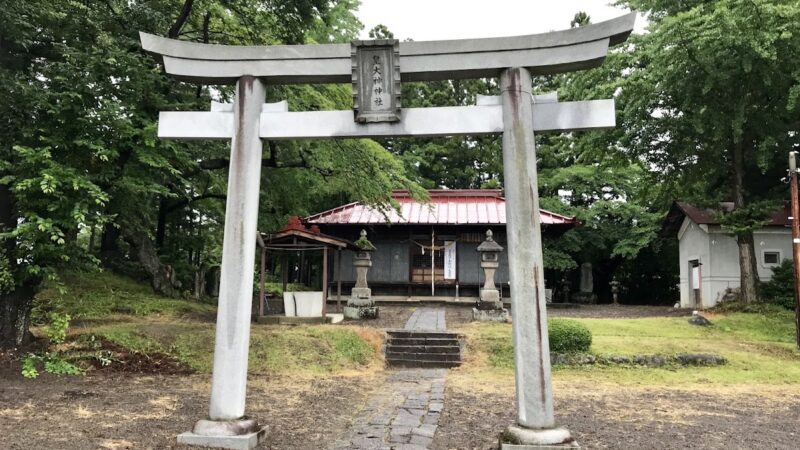
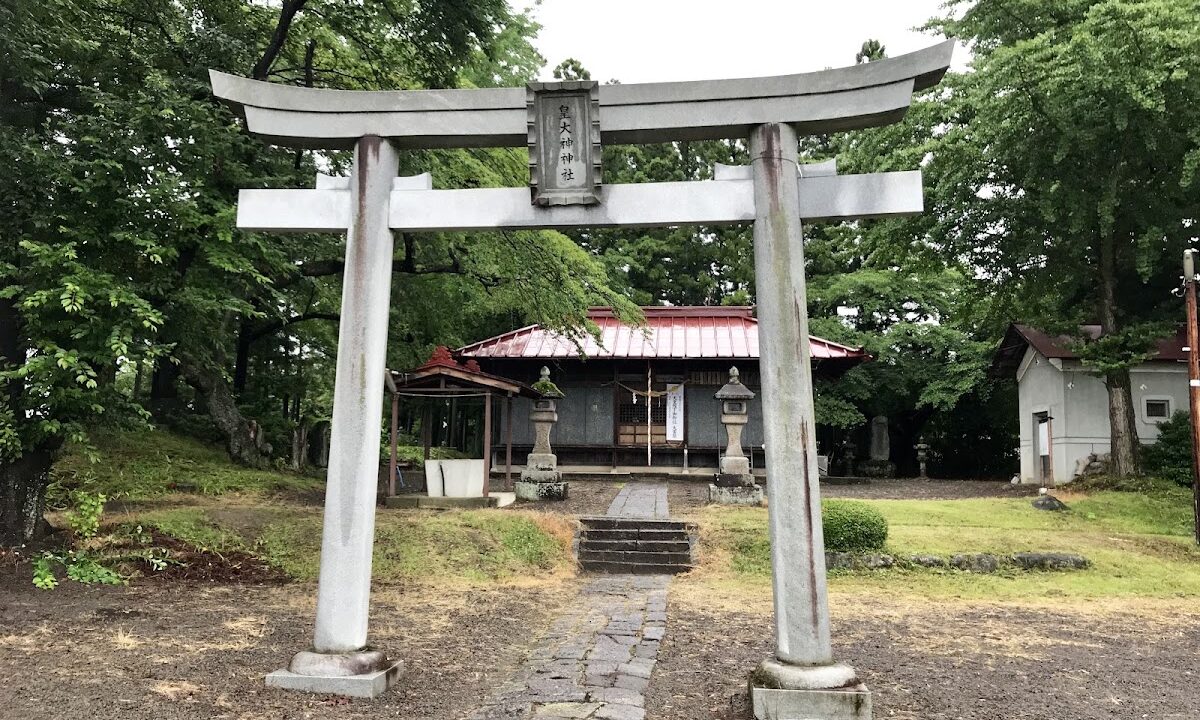
A torii gate stands at the entrance to the shrine, and a well-maintained approach leads from there to the main hall. Walking along the approach allows one to shift their mind from everyday life to a sacred space.
Water Basin
A water basin is provided for purifying the body and mind before worship. Please purify your hands and mouth using the correct etiquette before worshipping.
Shrine Precincts
Sometimes, small shrines dedicated to deities other than the main deity are located within the shrine grounds. By worshipping these as well, you can receive even greater divine blessings.
Sacred Trees and Nature
The sacred trees, having stood for many years, and the changing seasons of nature adorn the shrine grounds. The scenery is particularly beautiful during the fresh greenery of spring and the vibrant autumn foliage.
Annual Events and Festivals
Grand Festival
The Grand Festival, held every autumn (around September-October), is the most important festival for the shrine. Local residents gather, and there may be a procession of portable shrines and offerings.
New Year’s Visit
Many worshippers visit the shrine in the New Year to pray for safety and prosperity throughout the year. The area is especially lively from New Year’s Day through the third day of the year.
Monthly Festival
A monthly festival (tsukinami-sai) is held on a specific day each month to express gratitude and pray for peace.
Other Festivals
- Spring Festival (April-May): Prayers for a bountiful harvest
- Summer Purification Ceremony (end of June): Purification of impurities accumulated over the past six months
- Autumn Festival (September-October): Gratitude for the harvest
- Year-End Purification Ceremony (end of December): Purification of impurities accumulated over the past year
Etiquette and Manners for Worship
Basic Worship Etiquette
Worship at Kōtaishin Shrine follows general shrine worship etiquette:
- Bow before passing through the torii gate: A greeting before entering the sacred area
- Walk along the edge of the path: The center is the path for the gods
- Purify yourself at the water basin: Right hand → Left hand → Mouth → Handle of the ladle
- Worship in front of the main hall: Two bows, two claps, one bow is the basic method
- Bow upon leaving: Express your gratitude.
Attire for Visiting the Shrine
There are no specific dress code requirements, but please dress in clean, respectful clothing. For formal worship or prayers, more formal attire is recommended.
Photography Etiquette
Photography is generally permitted on the shrine grounds, but please note the following:
- Photography inside the main hall is often prohibited.
- Be considerate of other worshippers.
- Refrain from taking photos during festivals.
- Avoid using flash photography.
Access Information
Access to Kōdaijinja Shrine in Miharu Town
Using Public Transportation:
- From JR Ban’etsu East Line “Miharu Station”:
- By Taxi: Approximately 10-15 minutes
- By Bus: Walk from the nearest bus stop
Using a Car:
- Approximately 15-20 minutes from Ban’etsu Expressway “Funabiki-Miharu IC”
- Approximately 30-40 minutes from Tohoku Expressway “Koriyama IC”
When setting your car navigation system, please enter the shrine name or address.
Parking Information
There are usually several parking spaces on or near the shrine grounds, but congestion is expected during events such as the annual festival. Consider using public transportation.
Other Access to Kōtaijinja Shrine
Since there are several Kōtaijinja Shrines in Fukushima Prefecture, it is important to confirm the exact location of the shrine you wish to visit in advance.
Nearby Tourist Attractions
Miharu Takizakura
Known as one of Japan’s three greatest cherry trees, the Miharu Takizakura is a weeping cherry tree over 1000 years old. Many tourists visit in spring.
Miharu Town Historical and Folk Museum
A facility where you can learn about the history and culture of Miharu. Materials related to local shrines and temples are also on display.
Miharu Dam (Sakura Lake)
A beautiful artificial lake where you can enjoy the scenery of each season. Walking paths are also maintained around the dam.
Fukuju-ji Temple
The family temple of the Akita clan, the lords of the Miharu domain. Its beautiful gardens and historical buildings are highlights.
Items Offered and Amulets
Amulets
At Kōtaijin Shrine, various amulets are offered for different blessings:
- Good Fortune Amulet: For general good fortune
- Exorcism Amulet: For protection from misfortune
- Traffic Safety Amulet: For safe driving
- Academic Success Amulet: For students and those taking exams
- Family Safety Amulet: For the happiness of the family
Goshuin (Shrine Seals)
Some shrines offer goshuin. Bring your goshuincho (seal book) and receive it at the shrine office after your visit. Remember that goshuin are proof of your visit, not for collection.
Divine Talismans
Divine talismans for enshrining in your home shrine are also offered. Even if you don’t have a shrine, you can respectfully enshrine them in a clean place.
Best Time to Visit
Spring (March-May)
The fresh greenery is beautiful, and the weather is mild, making it ideal for visiting. Visiting during cherry blossom season is highly recommended, especially when combined with sightseeing in the surrounding area.
Summer (June-August)
The greenery is lush, and the tranquil grounds offer a peaceful retreat. Participating in the Summer Purification Ceremony (end of June) is also a good idea.
Autumn (September-November)
This is the time of the annual festival, making the shrine the most vibrant. The autumn foliage is beautiful, making it ideal for photography.
Winter (December-February)
You can participate in year-end and New Year’s events such as the first shrine visit of the year and the Year-End Purification Ceremony. The snow-covered grounds also have a charming atmosphere.
About Prayers and Exorcisms
Various Prayers
At Kōtaijinja Shrine, the following types of prayers may be accepted:
- Exorcism Prayer: For those in their unlucky year
- Family Safety Prayer: Prayers for the health and happiness of the family
- Business Prosperity Prayer: Prayers for the development of the business
- Traffic Safety Prayer: Blessing of the car, etc.
- First Shrine Visit for a Newborn: Prayers for the healthy growth of the baby
- Shichi-Go-San (7-5-3 Festival): Celebrating the growth of a child
How to Apply for a Prayer
If you wish to have a prayer, it is recommended that you contact the shrine in advance to confirm the date and time. Same-day registration may be possible, but there may be a waiting time during busy periods.
Offering Fee
The offering fee (tamagushi fee) for receiving a prayer varies depending on the content of the prayer. Generally, it is around 5,000 yen, but please contact the shrine directly for details.
Connection with the Community
Parishioner Organization
Kōtaijin Shrine is supported by a parishioner organization as the local guardian shrine. The parishioners cooperate in the maintenance and management of the shrine and the operation of festivals, passing on traditions to future generations.
Participation in Local Events
Shrine events, including the annual festival, serve as important gathering places for the local community. Intergenerational exchanges are fostered through the portable shrine procession and dedication ceremonies.
Value as a Cultural Asset
The shrine’s buildings and festivals also serve as valuable cultural assets that convey the history and culture of the region. They are important for learning about the region’s history.
Points to Note When Visiting
Shrine Office Opening Hours
If you wish to receive a Goshuin (shrine stamp) or amulet, please check the shrine office’s opening hours in advance. Smaller shrines may not have offices open all the time.
Consideration of Weather
The shrine grounds are outdoors, so the ground may become slippery depending on the weather. In rainy weather, bring an umbrella or rain gear; in winter, don’t forget to take precautions against the cold.
Regarding Pets
Pet policies vary by shrine. If you wish to bring a pet, it is recommended to check in advance.
Emergency Procedures
If you feel unwell during your visit, please do not push yourself and inform the shrine office.
Other Kōtaijinja Shrines in Fukushima Prefecture
There are several “Kōtaijinja Shrines” in Fukushima Prefecture. The main ones include:
Kōtaijinja Shrines in Various Locations
- Kōtaijinja Shrine in Miharu-machi, Tamura-gun
- Shrines with the same name are scattered throughout other municipalities
Each shrine has its own unique history and characteristics, and different forms of worship can be seen in each region. A “shrine pilgrimage” visiting multiple Kōtaijinja Shrines would be an interesting experience.
The Future of Kōtaijin Shrine
Challenges of Preservation and Succession
Due to depopulation and the aging population, local shrines face the challenge of a shortage of people to maintain and manage them. Kōtaijin Shrine is no exception, and passing it on to the next generation is a crucial issue.
Collaboration with Regional Development
In recent years, there have been efforts to utilize shrines as local resources to promote tourism and revitalize the region. While preserving its historical value, new forms of regional contribution are expected.
The Modern Significance of Faith
In modern society, shrines are finding new value as places to find peace of mind and experience traditional culture. Kōtaijin Shrine will continue to exist as a spiritual haven not only for local residents but for people of all ages.
Summary
Kōtaijin Shrine (Fukushima Prefecture) is a historic shrine with Amaterasu Ōmikami as its principal deity. It has a long history as the local guardian shrine and is believed to offer various blessings, including good fortune, protection from evil, and abundant harvests.
Though small, the shrine grounds are meticulously maintained, creating a sacred space where the faith of the local residents can be felt. Traditional rituals are performed during annual events, including the Grand Festival, playing a central role in the local community.
When visiting Fukushima Prefecture, we highly recommend visiting Kōtaijin Shrine. Find peace in its tranquil grounds and offer your gratitude and prayers to the deities. It will be a valuable experience to connect with the region’s history and culture.
When visiting, please observe proper etiquette and manners, and be considerate of other worshippers. We hope that Kōtaijin Shrine will become a spiritual haven for you and bring you good guidance in life.