A Thorough Explanation of the History, Deities, and Blessings of Yasaka Shrine (Shingo, Kitakawazoe-cho, Saga City, Saga Prefecture)
Located in Shingo, Kitakawazoe-cho, Saga City, Saga Prefecture, Yasaka Shrine boasts a long history, dating back to its founding in 1281. With Susanoo-no-Mikoto as its principal deity, it has been revered by local residents for over 700 years as a center of faith, praying for abundant harvests and protection from epidemics. This article comprehensively explains the detailed history, enshrined deities, subsidiary shrines, annual events, and access methods of Yasaka Shrine, providing all the information you need for a visit.
Basic Information about Yasaka Shrine
Location and Contact Information
Location: 787 (or 788) Shingo, Kitakawazoe-cho, Saga City, Saga Prefecture
Postal Code: 840-0013
Corporate Number: 8300005000858
Yasaka Shrine is located in the Shingo district of Kitakawazoe-cho, Saga City, and has played an important role since ancient times as a guardian shrine for both Yoga-go and Kawazoe-go (Kitagawazoe-go).
Deities Enshrined
Yasaka Shrine enshrines the following three deities:
- Susanoo-no-Mikoto: The principal deity. A heroic god in Japanese mythology, worshipped at Yasaka Shrines throughout Japan as a god of protection against misfortune, disaster, and epidemics. He is a god of martial prowess who defeated Yamata no Orochi, and also possesses characteristics of an agricultural god.
- Sugawara no Michizane: A Heian period nobleman and scholar known as the god of learning. He is believed to grant blessings for academic success and passing exams.
- Takemikazuchi no Mikoto: A god known as a warrior and thunder god. He is believed to grant blessings for good fortune in competitions and protection from evil.
History and Origins of Yasaka Shrine
Established in the Kamakura Period (Koan 4, 1281)
The history of Yasaka Shrine dates back to Koan 4 (1281), during the reign of Emperor Go-Uda. This year was the second Mongol invasion (Genko), the Koan War, a time of national crisis. This period marks the beginning of our shrine, where Susanoo-no-Mikoto was invited and enshrined as the guardian deity of the region.
“Kanjo” means to transfer and enshrine a divided spirit of a deity or Buddha to another location. In the case of Yasaka Shrine, it is believed that the divine spirit of Susanoo-no-Mikoto was obtained from Yasaka Shrine (Gion Shrine) in Kyoto or another influential center of Yasaka worship, and a new shrine was established in Kitagawa-so.
Construction of the Shrine Buildings in the Edo Period (Kanei 19, 1642)
A noteworthy aspect of Yasaka Shrine’s history is the construction of the shrine buildings in Kanei 19 (1642), during the early Edo period. This construction was ordered by Nabeshima Katsushige, the first lord of the Hizen Saga Domain.
Nabeshima Katsushige (1580-1657) was born the eldest son of Nabeshima Naoshige. While siding with the Western Army alongside his father at the Battle of Sekigahara, he maintained a relationship with Tokugawa Ieyasu and was recognized as the lord of the Saga Domain with a 357,000 koku stipend. Lord Katsushige was enthusiastic about protecting the shrines and temples within his territory, and the construction of the Yasaka Shrine was part of this effort.
After its construction, the lord occasionally prayed at Yasaka Shrine for a bountiful harvest and protection against epidemics for both the Yoga and Kawazoe (Kitagawazoe) regions. This reflects the belief that Susanoo-no-Mikoto was a god who repelled disease, and the social conditions of the time, where agriculture was the main industry.
Ranking as a Village Shrine in the Meiji Era (Meiji 6, 1873)
After the Meiji Restoration, the new government promoted the development of the shrine system. In November 1873 (Meiji 6), Yasaka Shrine was designated a “village shrine.” A village shrine was a rank within the Meiji-era shrine ranking system, referring to a shrine officially recognized as the guardian deity of each village.
This designation recognized Yasaka Shrine as an official local shrine, establishing its position as the spiritual center of the local community. Since the Meiji era, Yasaka Shrine has continued to attract the faith of local residents, a legacy that continues to this day.
Shrines and Points of Interest within the Precincts
Inari Shrine (Shrine within the Precincts)
Within the grounds of Yasaka Shrine, the Inari Shrine is enshrined as a subsidiary shrine. Inari shrines are worshipped nationwide as deities of abundant harvests and business prosperity, and are an important object of worship within the grounds of Yasaka Shrine.
The deity enshrined at the Inari Shrine is Ukanomitama-no-kami, who has been revered since ancient times as a god of agriculture and commerce. Along with Susanoo-no-Mikoto, the principal deity of the main Yasaka Shrine, it is worshipped as a guardian deity protecting the prosperity of the region.
Atmosphere and Characteristics of the Shrine Grounds
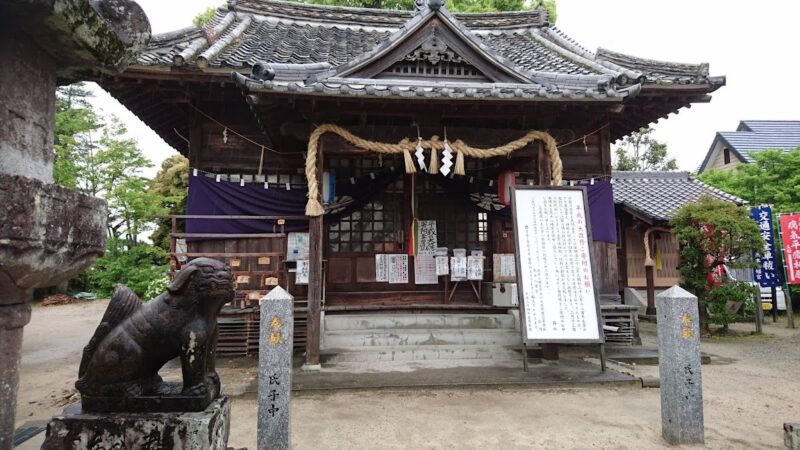
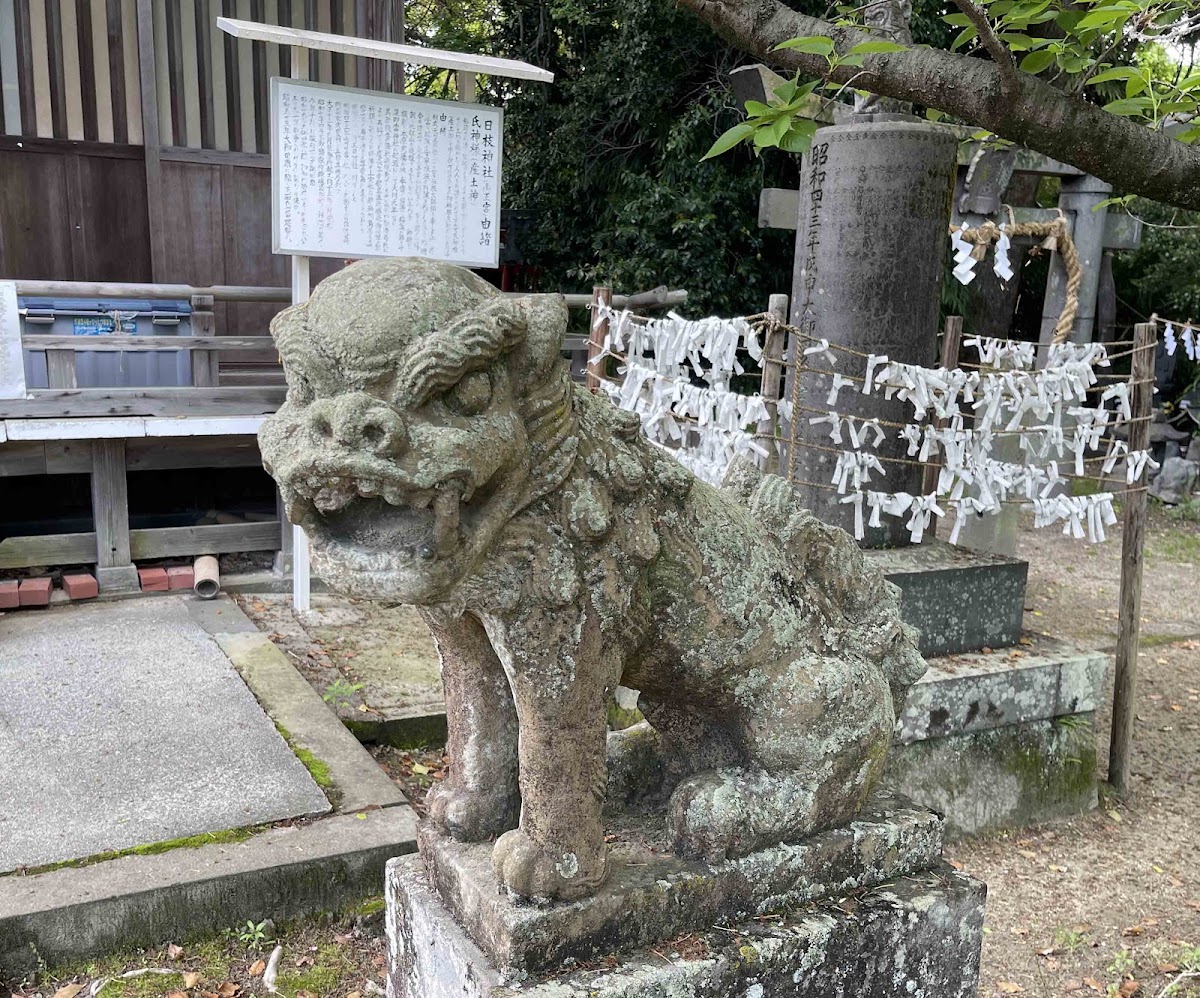
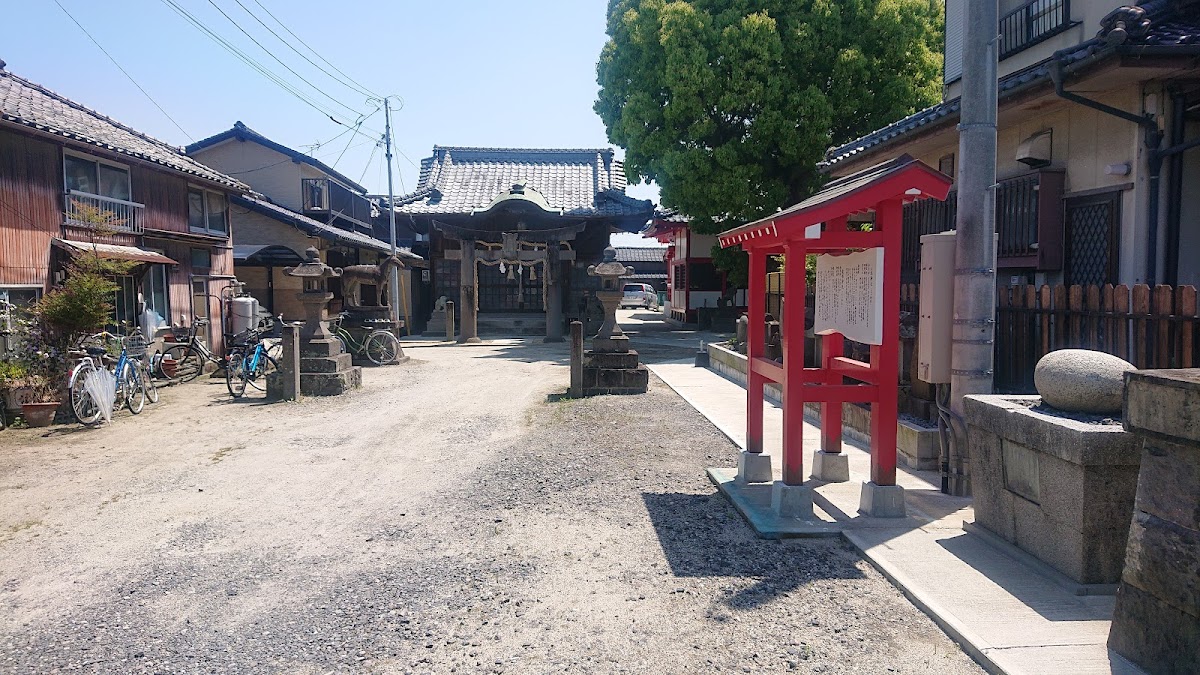
Yasaka Shrine in Shingo, Kitagawazoe-cho, is a quiet shrine deeply rooted in the community. While boasting a long history dating back to the Kamakura period, it remains a beloved place of daily worship for local residents.
The shrine grounds are well-maintained and bustle with many worshippers during local festivals and annual events. It is also an important place visited by local residents during life-changing ceremonies such as Hatsumode (first shrine visit of the year) and Shichi-Go-San (a traditional rite of passage for children).
Benefits and Faith of Yasaka Shrine
Protection from Evil and Disease
Susanoo-no-Mikoto, the principal deity, is worshipped as a god of protection from evil and disease at Yasaka Shrines throughout Japan. Similarly, Yasaka Shrine in Kitagawazoe-cho, Saga City, has long been a place where prayers for protection from disease have been offered.
Especially during the Edo period, there are records of Lord Nabeshima Katsushige praying for the “warding off of epidemics,” and when epidemics broke out, local residents visited Yasaka Shrine to pray for the gods’ protection. Even today, people visit the shrine to pray for good health and recovery from illness.
Abundant Harvest and Agricultural Protection
Yasaka Shrine played an important role in the Kitakawazoe region, which was an agricultural area, as a shrine praying for abundant harvests in Yoga and Kawazoe villages. Susanoo-no-Mikoto also had the characteristics of an agricultural god, and attracted the faith of farmers praying for a bountiful harvest.
Although the number of agricultural workers has decreased in modern times, the faith in the prosperity of the region and abundant harvests continues.
Academic Success and Prayer for Passing Exams
Sugawara no Michizane, one of the enshrined deities, is worshipped throughout Japan as the god of learning. At Yasaka Shrine, students preparing for exams and their families visit to pray for success.
Sugawara no Michizane was a distinguished scholar and politician of the Heian period, and his knowledge and integrity led to his reverence as “Tenjin-sama” (God of Heaven). For worshippers praying for academic success, passing exams, and improving their academic abilities, Yasaka Shrine is an important place of prayer.
Good Fortune in Competitions and Protection from Evil
Takemikazuchi-no-Mikoto is known as a god of war and thunder, and is believed to grant blessings for success in competitions and protection from evil. Worshippers praying for success in sports matches and work also visit the shrine.
Annual Events and Festivals
Yasaka Shrine holds various festivals and events throughout the year. As a local shrine, seasonal festivals are important events for the community.
Grand Festival
The Grand Festival, the most important festival of Yasaka Shrine, involves solemn Shinto rituals and is attended by local residents. It is a traditional festival praying for a bountiful harvest, family safety, and regional prosperity.
New Year’s Visit and Festival
Many worshippers visit Yasaka Shrine for their first shrine visit of the year, praying for safety and happiness throughout the year. For local residents, visiting Yasaka Shrine for the first shrine visit of the year is a traditional New Year’s event.
Summer Festival (Gion Festival)
Susanoo-no-Mikoto, the principal deity of Yasaka Shrine, is a central figure in the Gion faith, known for the Gion Festival in Kyoto. It is possible that Yasaka Shrine in Kitagawafuku also holds festivals based on the Gion faith during the summer.
Comparison with Other Yasaka Shrines in Saga Prefecture
There are several Yasaka Shrines in Saga Prefecture, each with its own unique history and characteristics.
Yasaka Shrine in the Center of Saga City
A Yasaka Shrine is also located in the center of Saga City (south of the former Koga Bank and Saga City Historical and Folk Museum). This Yasaka Shrine is famous for its large camphor tree, said to be 600 years old, and enshrines the auspicious Ebisu deity, “Yasaka Joju Ebisu,” which is said to bring good fortune in lottery winnings.
This is a different shrine from the Yasaka Shrine in Kitagawazoe-cho, and each has a different history and characteristics.
Yasaka Shrine in Minato-cho, Karatsu City (Minato Ekijingu)
Located in Minato-cho, Karatsu City, the Yasaka Shrine (Minato Ekijingu) is known as one of the leading shrines for warding off evil in Saga Prefecture. Its Hizen-style torii gate and guardian lion-dogs are designated as city cultural properties, and traditional events such as the Gion Festival’s Yamakasa floats and the Shishi-fukuri ritual are still practiced here.
It is also highly regarded as one of the nation’s leading power spots and is a famous shrine visited by many worshippers.
Yasaka Shrine in Imari City
There is also a Yasaka Shrine in Imari City, and its stone structures are protected as cultural properties. Each Yasaka Shrine in different locations has its own unique characteristics that reflect the history and culture of the region.
Access and Visiting Information
Location
Address: 787 (788) Shingo, Kitakawazoe-cho, Saga City, Saga Prefecture
Postal Code: 840-0013
Transportation Access
Access by Car:
- Approximately 15 minutes by car from the center of Saga City
- Approximately 20 minutes by car from Saga Station
- Accessible from National Route 34 or National Route 208
- It is recommended to check in advance whether parking is available.
Access by Public Transportation:
- Buses are available from Saga Station, but the number of buses may be limited.
- For the nearest bus stop and timetable, please check the route information for Saga City Bus or Showa Bus.
Visiting Hours
Yasaka Shrine is generally open for worship all day, but the hours of operation for the shrine office may be limited. If you wish to receive a Goshuin (temple/shrine stamp) or amulet, it is recommended to contact the shrine in advance to confirm availability.
Manners for Visiting a Shrine
Please observe basic manners when visiting a shrine:
- When passing through the torii gate: Bow before entering the shrine grounds.
- Purifying yourself at the water basin: Purify your left hand, right hand, and mouth in that order.
- Worship at the main hall: Two bows, two claps, and one bow are the basic rituals.
- Behavior within the shrine grounds: Worship quietly and with respect.
Yasaka Shrine and the Local Community
Center of the Local Community
Yasaka Shrine has functioned as the spiritual center of the Shingo district of Kitagawazoe-cho for over 700 years. Festivals and annual events provide opportunities for local residents to gather, strengthening community bonds.
Even today, it remains an important place visited by local residents for life rituals such as Hatsumode (first shrine visit of the year), Shichi-Go-San (a traditional rite of passage for children), and exorcism, and faith is passed down through generations. ### Cultural Value
Yasaka Shrine is a valuable shrine with clear historical records, including its founding in 1281 (Kōan 4) and the construction of its main hall by Lord Nabeshima Katsushige in 1642 (Kan’ei 19). These records are important resources for studying the religious and social history of the Saga region from the medieval to early modern periods.
It is registered in the “Saga History and Culture Treasures” and the records of the Saga Prefectural Shrine Association, and is protected and preserved as a regional historical heritage.
Summary
Located in Shingo, Kitakawazoe-cho, Saga City, Saga Prefecture, Yasaka Shrine has a long history, dating back to its founding in 1281 (Kōan 4), and is a venerable shrine that enshrines three deities: Susanoo-no-Mikoto, Sugawara no Michizane, and Takemikazuchi-no-Mikoto.
During the Edo period, Lord Nabeshima Katsushige, the feudal lord of the Saga domain, constructed the shrine buildings, and it has functioned as an important place of worship for the Yoga and Kawazoe districts, where prayers were offered for abundant harvests and protection from disease. In 1873 (Meiji 6), it was designated a village shrine, officially recognized as a local shrine.
Even today, many worshippers visit the shrine seeking blessings for protection from misfortune, eradication of disease, abundant harvests, academic success, and good fortune in competitions, and it is cherished as a spiritual pillar of the local community.
When visiting Saga City, or if you are interested in the history and culture of the region, please visit Yasaka Shrine and experience its history of faith that has continued for over 700 years. You can find peace of mind in the tranquil grounds and offer your daily gratitude and prayers to the gods.