Sugawara Shrine (Saga City, Saga Prefecture) Complete Guide | Deity, Blessings, Access, and Amulet Information
Located in Saga City, Saga Prefecture, Sugawara Shrine is a historic shrine dedicated to Sugawara no Michizane, known as the god of learning. Affectionately called “Tenjin-san” by locals, it is bustling with worshippers during exam season. This article provides detailed information you should know before visiting, including the history of Sugawara Shrine, its blessings, how to worship, and access information.
Basic Information on Sugawara Shrine
Location and Access
Address: Saga City, Saga Prefecture (※Specific addresses are required as there are multiple Sugawara Shrines; please confirm before visiting)
Several shrines in Saga City enshrine Sugawara no Michizane, and are known as “Sugawara Shrine” or “Tenmangu” depending on the region. The main access methods to Sugawara Shrines are as follows:
Access by Public Transportation:
- Approximately 10-20 minutes by bus from JR Saga Station (varies depending on the shrine’s location)
- Approximately 5-10 minutes on foot from the nearest bus stop
Access by Car:
- Approximately 15-20 minutes from Nagasaki Expressway Saga Yamato IC
- Parking availability varies by shrine; prior confirmation is recommended.
Visiting Hours and Shrine Office Hours
- Visiting Hours: Generally open 24 hours (lighting may be limited at night)
- Shrine Office Hours: Usually 9:00 AM to 5:00 PM (times for receiving Goshuin stamps and amulets)
- Prayer Request: Advance reservations are recommended.
Deity and History
About Sugawara no Michizane
The deity enshrined at Sugawara Shrine is Sugawara no Michizane. Sugawara no Michizane was a prominent aristocrat, scholar, and politician during the Heian period, and is revered throughout Japan as the “God of Learning” due to his outstanding scholarship.
Life of Sugawara no Michizane:
- Born in Kyoto in 845 (Jōwa 12)
- Excelled in academics from a young age and displayed exceptional talent in poetry and song
- Rising to the position of Minister of the Right, but was demoted to Dazaifu due to political infighting
- Died in Dazaifu in 903 (Engi 3)
- After his death, he was enshrined as Tenjin (a Shinto deity).
History and Origins of Sugawara Shrine
Saga’s Sugawara Shrine is said to have been founded during the late Heian period to the Kamakura period, when Sugawara no Michizane passed through Kyushu on his way to Dazaifu, and when the worship of Michizane spread throughout Japan.
The local people have long revered Sugawara no Michizane as the god of academic achievement, literary improvement, and protection from disaster. Especially during the Edo period, in Saga, where domain schools and private academies flourished, he was deeply revered as the guardian deity of learning.
Even after the Meiji era, he continued to attract many worshippers as the local guardian deity and god of learning, and remains a spiritual anchor for the citizens of Saga to this day.
Benefits and Divine Virtues
At Sugawara Shrine, you can receive various benefits through the divine virtues of Sugawara no Michizane.
Academic Achievement and Passing Exams
The most famous benefits are academic achievement and passing exams. Many worshippers visit with the following wishes, seeking to benefit from Michizane’s outstanding scholarship:
- Prayer for success in university and high school entrance exams
- Prayer for success in qualification exams
- Improvement of academic ability and grades
- Improvement of concentration and memory
During exam season (January to March), many students and their families visit to pray for success, and many can be seen writing their wishes for admission to their desired schools on ema (votive tablets).
Other Benefits
Besides academic success, the following benefits are also believed to be offered:
- Improvement in Writing: For those pursuing professions such as writers, journalists, and scholars.
- Improvement in Performing Arts: For improvement in artistic fields such as poetry and calligraphy.
- Protection from Misfortune and Disaster: Protection through the powerful spiritual energy of Sugawara no Michizane.
- Sincerity: Receive the virtue of honesty and integrity.
- Career Advancement and Good Fortune: Share in the legacy of Sugawara no Michizane’s rise to the rank of Minister of the Right.
Highlights of the Shrine Grounds
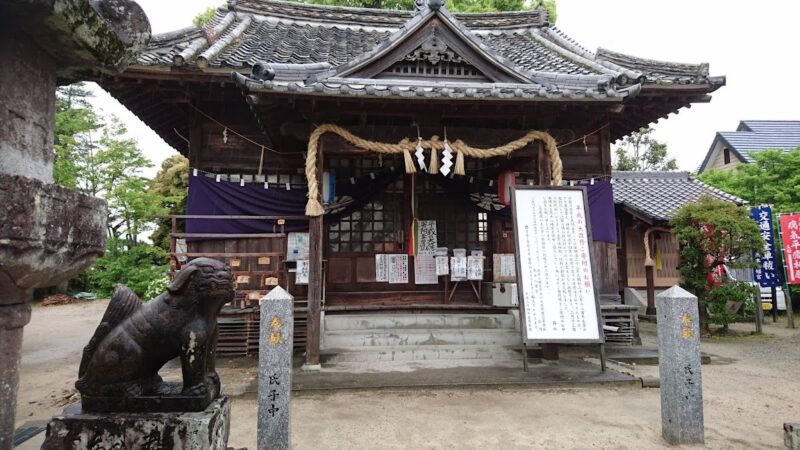
Main Hall
The main hall of Sugawara Shrine is built in the traditional style of shrine architecture, creating a solemn atmosphere. When praying in front of the main hall, please follow the proper etiquette of two bows, two claps, and one bow.
Sacred Ox (Nadeushi)
Like many Tenjin and Tenmangu shrines, Sugawara Shrine sometimes enshrines a sacred ox (shingyu). Cows are considered messengers of Sugawara no Michizane, and there is a legend that stroking the head of a sacred cow will grant wisdom, and stroking the part of the body that is ailing will bring healing.
Plum Trees
Michizane was known to love plum trees, and left behind the famous waka poem, “When the east wind blows, send forth your fragrance, O plum blossoms, do not forget spring, even though your master is absent.” Plum trees are planted on the shrine grounds, and you can enjoy the beautiful plum blossoms from February to March.
Ema Hanging Area
The ema hanging area, where many ema (votive tablets) for passing exams are dedicated, is a place filled with the earnest wishes of students. You can dedicate an ema on which you have written your own wish.
Amulets and Souvenirs
At Sugawara Shrine, you can receive various amulets and souvenirs.
Amulets for Academic Success and Passing Exams
- Passing Exam Amulet: A classic amulet for wishing success in exams.
- Academic Achievement Amulet: An amulet for wishing for daily academic improvement.
- Academic Pencil: A pencil blessed for use in exams and tests.
- Passing Exam Ema: An ema (votive tablet) on which to write the name of your desired school or goal and offer it to the shrine.
Other Amulets
- Exorcism Amulet: An amulet to protect you from misfortune.
- Health Amulet: An amulet for wishing for good health and longevity.
- Good Fortune Amulet: An amulet for wishing for improved luck.
- Traffic Safety Amulet: An amulet for wishing for safe travel.
Goshuin (Shrine Seal)
At Sugawara Shrine, you can receive a Goshuin as proof of your visit.
- Offering Fee: Usually around 300-500 yen
- Reception Hours: During shrine office hours (usually 9:00-17:00)
- Goshuincho (Shrine Stamp Book): Original goshuincho may be available.
Goshuin (shrine stamps) are given at the shrine office after your visit. You can bring your own goshuincho or receive a pre-written goshuin.
Annual Events and Festivals
Sugawara Shrine holds various festivals throughout the year.
New Year’s Visit (January 1st-3rd)
The shrine is bustling with visitors praying for happiness and academic success in the new year. Students preparing for exams and families are particularly popular.
Plum Blossom Festival (February-March)
This festival is held around February 25th, the anniversary of the death of Sugawara no Michizane. During the plum blossom season, we commemorate Sugawara no Michizane and pray for academic success.
Tenjin Festival (June 25th or July 25th)
This is a major summer festival widely held at shrines dedicated to Sugawara no Michizane. Shinto rituals and offerings are performed, and people from the community gather.
Exam Success Prayer Festival (January-February)
During exam season, special prayers for success are offered. Reservations may be required, so it is recommended to inquire with the shrine if you wish to participate.
Shichi-Go-San (November)
We also accept prayers for the healthy growth of children during the Shichi-Go-San festival.
Etiquette and Manners for Visiting a Shrine
Basic Shrine Visit Etiquette
By observing the correct shrine visit etiquette, you can offer a more heartfelt prayer.
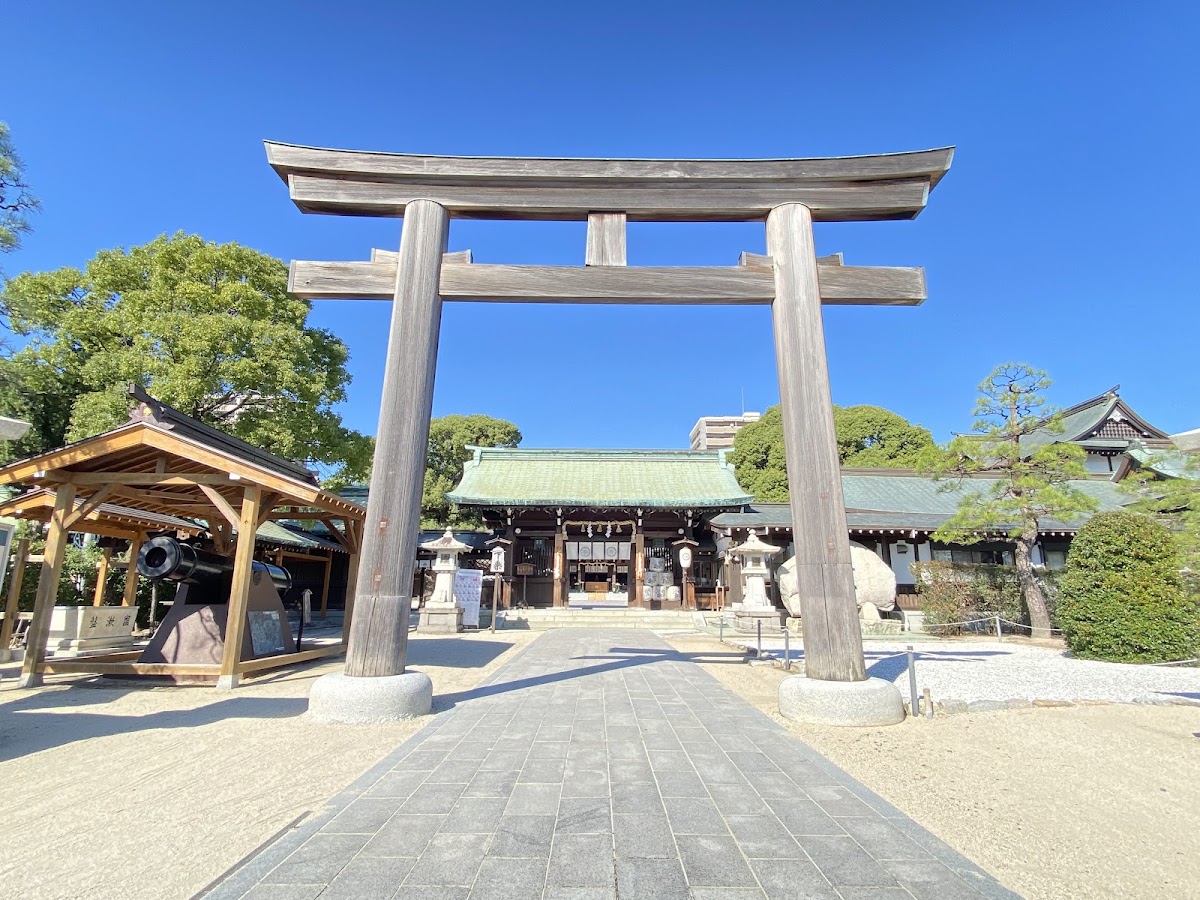
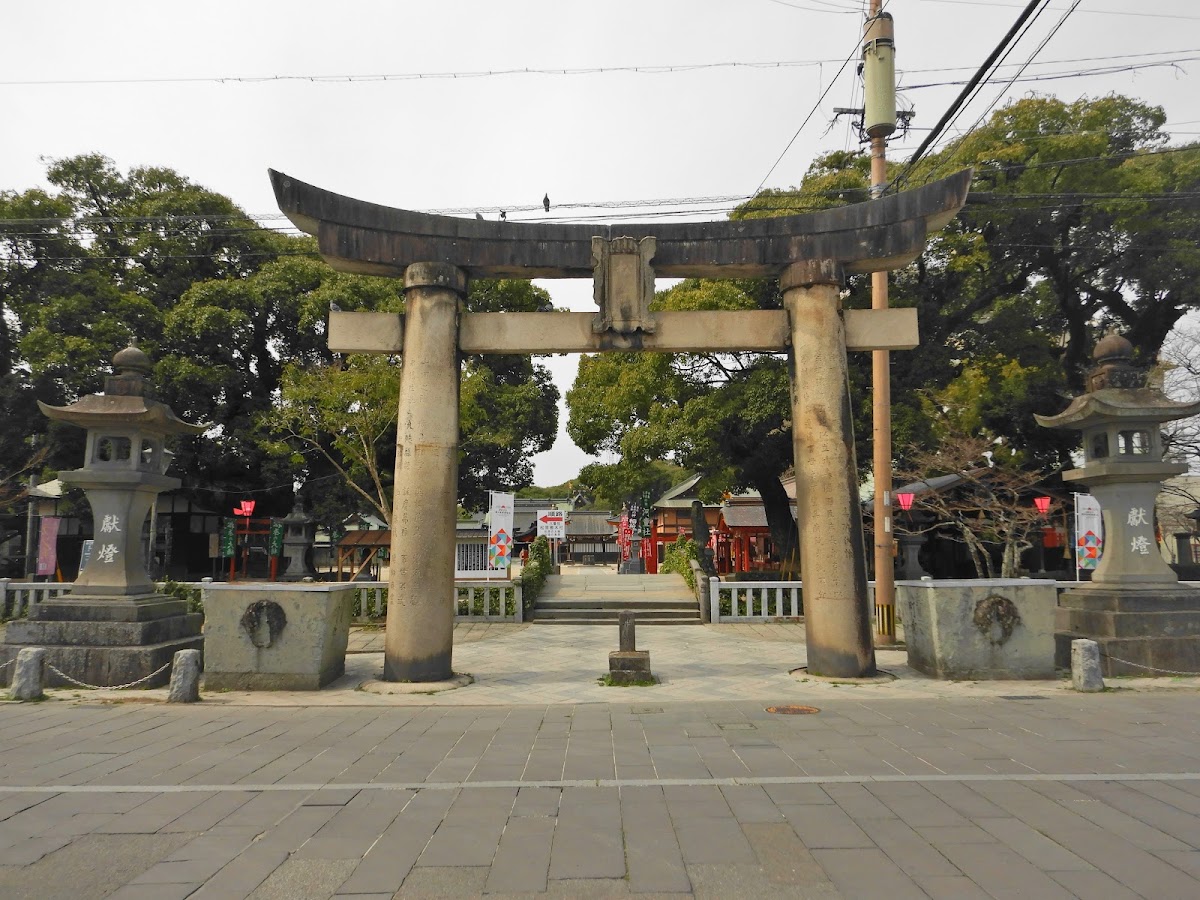
How to pass through the torii gate:
- Bow before the torii gate.
- Walk along the edge of the path, as the center is the path for the gods.
How to purify yourself at the water basin:
- Hold the ladle in your right hand and purify your left hand.
- Switch the ladle to your left hand and purify your right hand.
- Hold the ladle in your right hand again, receive water in your left hand, and rinse your mouth.
- Purify your left hand once more.
- Hold the ladle upright, purify the handle, and return it to its original place.
Worship at the main hall:
- Place your offering in the offering box.
- Ring the bell if there is one.
- Bow twice (bowing deeply twice).
- Clap your hands twice.
- Make your wish sincerely.
- Bow once (bowing deeply once).
Manners when visiting a shrine
- Attire: Clean and understated attire is preferred (especially if receiving prayers).
- Photography: Photography is generally permitted on the temple grounds, but please refrain from taking pictures inside the main hall or during religious ceremonies.
- Quietness: Please remain quiet on the temple grounds and refrain from loud conversations.
- Smoking and Eating: Please refrain from smoking and drinking outside of designated areas.
- Pets: Please check in advance whether pets are allowed.
Effective Ways to Visit a Shrine for Exam Success
For those praying for success in exams, we introduce more effective ways to visit a shrine.
Timing of Visiting the Shrine
- Early Morning Visit: Visiting the shrine in the refreshing morning air will refresh both your mind and body.
- Milestone Before Exams: Visit the shrine at milestones such as before submitting your application or one week before the exam.
- Regular Visits: Strengthening your wish by visiting regularly, not just once.
How to Write on an Ema (Votive Tablet)
Points to remember when writing your wish on an ema:
- Write Specifically: Write a specific goal, such as “Pass the entrance exam for XX University.”
- Write in a Definitive Form: Write “I will pass” rather than “May I pass.”
- Include a Message of Gratitude: For example, “I am grateful for my daily studies and will aim to pass.”
- Write Your Name: Write your name so that it reaches the gods.
Thank You Visit After Passing the Exam
After your wish is granted, be sure to visit the shrine to express your gratitude. It is important to convey your gratitude.
Nearby Tourist Attractions
Here are some tourist attractions in Saga City that you might want to visit before or after visiting Sugawara Shrine.
Saga Castle Honmaru History Museum
This facility allows you to learn about the history of the Saga Domain, including the achievements of Nabeshima Naomasa, a renowned lord of the late Edo period. It’s about a 10-minute drive from Sugawara Shrine.
Okuma Shigenobu Memorial Museum
A memorial museum built on the site of the birthplace of Okuma Shigenobu, the founder of Waseda University and former Prime Minister. Recommended for those interested in academics.
Saga Shrine
A shrine dedicated to the Nabeshima family, the lords of the Saga Domain, and one of Saga City’s representative shrines.
Yodohime Shrine
Located in Yamato-cho, Saga City, this is the Ichinomiya (first-ranked shrine) of Hizen Province, known for its blessings of matchmaking and safe childbirth.
Other Tenjin Shrines and Sugawara Shrines in Saga City
There are several shrines dedicated to Sugawara no Michizane in Saga City.
- Matsubara Tenmangu Shrine: A Tenmangu shrine located in Matsubara, Saga City.
- Tenjin Shrines in Various Districts: Small Tenjin shrines are scattered throughout the city.
Each has its own unique characteristics and is cherished by the local people. A “Tenjin Pilgrimage,” visiting several shrines, is also recommended.
Message to Students Taking Exams
Visiting Sugawara Shrine can be a source of emotional support for students taking exams. However, it is said that the gods help those who strive. Along with visiting the shrine, it is most important to diligently continue your daily studies and do your best.
Sugawara no Michizane was a man who dedicated himself to learning through extraordinary effort from a young age. By learning from his attitude and continuing your own efforts, you will surely find your way.
We hope that your visit to Sugawara Shrine will be a source of emotional support and empower you to achieve your goals.
Summary
Sugawara Shrine in Saga City, Saga Prefecture, is a historic shrine dedicated to Sugawara no Michizane, the god of learning. Many worshippers visit the shrine to pray for success in exams and academic achievement, and it is deeply revered by the local community.
Points to remember when visiting Sugawara Shrine:
- Receive the divine blessings of Sugawara no Michizane, the god of learning
- Obtain amulets and votive tablets for passing exams
- Pray sincerely using the correct worship etiquette
- Receive a Goshuin (shrine stamp) as a memento of your visit
- Enjoy the beautiful flowers during plum blossom season
- Don’t forget to offer thanks after passing your exams
When visiting Saga City, be sure to visit Sugawara Shrine and receive the blessings of the god of learning. Your sincere efforts and prayers to the gods will surely help you achieve your goals.
Before visiting, we recommend checking the latest information (opening hours, festival schedule, access methods, etc.) directly with the shrine. May your heartfelt worship bring good guidance to your life.