Complete Guide to Hokokuji Temple (Gose City, Nara Prefecture) | History, Goshuin (temple stamp), and Access Information for this Ancient Temple Associated with Kobo Daishi
Hokokuji Temple, located in Gose City, Nara Prefecture, is an ancient temple of the Koyasan Shingon sect, associated with Kobo Daishi Kukai and En no Gyoja, the founder of Shugendo. Affectionately known as “Muro Daishi” by locals, this temple has a history spanning over a thousand years in the tranquil environment at the foot of Mt. Katsuragi. This article comprehensively introduces information useful for visiting Hokokuji Temple, from its historical background and principal image to its annual events, goshuin information, and detailed access methods.
Basic Information about Hokokuji Temple
Hokokuji Temple is a Koyasan Shingon sect temple located in Muromachi, Gose City, Nara Prefecture. The temple’s mountain name is Katsuragi-san, its temple name is Hōkoku-ji, and it is widely known locally by the nickname “Muro Daishi.”
Location and Contact Information
- Address: 1 Muromachi, Gose City, Nara Prefecture 639-2312
- Phone: 0745-62-3531
- Sect: Koyasan Shingon Buddhism
- Mountain Name: Katsuragi-san
- Principal Image: Kokuzō Bosatsu (hidden Buddha), Kōbō Daishi
- Chief Priest: Nagata Kakuhan
Hōkoku-ji is located at the foot of Mount Katsuragi, in an area long known as a sacred site for Katsuragi Shugendō (mountain asceticism). The surrounding area retains a strong sense of ancient history, making it a temple where one can worship in a tranquil environment.
History and Origins of Hokokuji Temple
Footsteps of Kobo Daishi and En no Gyoja
The origins of Hokokuji Temple date back to the time when Kobo Daishi Kukai traveled and practiced asceticism throughout the country. According to temple tradition, Kobo Daishi’s visit to this area to trace the footsteps of En no Gyoja, the founder of Shugendo (mountain asceticism), was the impetus for the temple’s founding.
En no Gyoja was the founder of Shugendo, active from the late 7th to the early 8th century, and is known for his rigorous training in the mountains of Yamato, centered around Mount Katsuragi. Kobo Daishi’s retracement of his footsteps demonstrates the deep connection between Shingon Esoteric Buddhism and Shugendo, and indicates that Hokokuji Temple is a temple that inherits the traditions of both.
Regional Character Indicated by the Name Katsunariyama
The mountain name “Katsunagayama” originates from the fact that this region belonged to the ancient Katsuragi region. The Katsuragi region is a historical area mentioned in the Kojiki and Nihon Shoki, and was once the land where the ancient Katsuragi clan wielded considerable power. Furthermore, Mount Katsuragi is known as a sacred site for Shugendo (mountain asceticism), fostering a unique religious culture that blended mountain worship and Buddhism.
Hokokuji Temple was built in this region with its rich historical and religious background, and has long been cherished by the people as a center of local faith.
Faith as Muro Daishi
Hokokuji Temple, known locally as “Muro Daishi,” has long been a center of Kobo Daishi worship, attracting fervent devotion from local residents. Kobo Daishi, the founder of Shingon Buddhism, is revered throughout Japan, but especially in places associated with him, he is affectionately known as “Odaishi-san” and is an object of popular faith.
The name “Muro Daishi,” which combines the place name Muro with the worship of Kobo Daishi, demonstrates the temple’s deep roots in the community.
Principal Image and Buddhist Statue
Kokuzo Bodhisattva (Secret Buddha)
The principal image of Hokokuji Temple is Kokuzo Bodhisattva. Kokuzo Bodhisattva is worshipped as a bodhisattva possessing boundless wisdom and good fortune, and is believed to bring benefits such as improved memory and the bestowal of wisdom. Kobo Daishi (Kukai) is known to have had a deep faith in this bodhisattva, having practiced the Kokuzo Gumonji ritual in his youth.
The Kokuzo Bodhisattva at Hokokuji Temple is carefully preserved as a secret Buddha and is not usually open to the public. This secret status maintains the tradition of preserving its sacredness and miraculous power.
Statue of Kobo Daishi
Along with Kokuzo Bodhisattva, a statue of Kobo Daishi is also enshrined as a principal image. Enshrining Kobo Daishi as one of the principal images is a common practice in Shingon Buddhist temples, especially those with a strong devotion to Kobo Daishi.
Visitors can pray before the statue of Kobo Daishi, seeking his protection and wisdom. Many devotees visit the temple, especially on the 21st of each month, which is Daishi’s memorial day.
Annual Events and Seasonal Customs
At Hokokuji Temple, annual events are held based on the traditions of the Shingon sect.
Main Annual Events
- First Three Days of the New Year: Many worshippers visit for their first shrine visit of the new year.
- Setsubun Festival: Around February 3rd, bean-throwing ceremonies and prayers for warding off evil are held.
- Spring Equinox Festival: Memorial services for ancestors are held around the spring equinox.
- Kobo Daishi Memorial Service: A grand memorial service is held on March 21st, the anniversary of Kobo Daishi’s death.
- Obon Festival: Memorial services for ancestors are held during the Obon festival in August.
- Autumn Equinox Festival: Memorial services are held around the autumn equinox.
- 21st of Every Month: Memorial services are held on the 21st of every month, which is a special day for Kobo Daishi.
Especially on the 21st of every month, which is a special day for Kobo Daishi, local believers who follow Kobo Daishi gather for goma fire rituals and chanting of sutras.
Connections to the Community
Hokokuji Temple, as the family temple of the Muro district in Gose City, has supported the local residents’ ceremonies, including weddings, funerals, and ancestral worship. It is deeply involved in local traditional events and festivals, serving as a spiritual pillar of the community.
Goshuin (Temple Seal) Information
Hokokuji Temple offers Goshuin.
Features of the Goshuin
- Ink Inscription: Writes either “Muro Daishi” or “Hokokuji”
- Red Seal: The temple’s seal is stamped
- Issuance Hours: During visiting hours (prior contact recommended)
- Offering Fee: Typical amount (around 300-500 yen)
If you wish to receive a Goshuin, please speak to the temple office during your visit. Since the head priest may not always be present, it is recommended to call ahead to ensure you receive one.
About the Goshuincho (Stamp Book)
Please inquire directly with Hokokuji Temple regarding the availability of their original goshuincho. Many Shingon Buddhist temples offer goshuincho with designs related to Kobo Daishi or Shingon Buddhism.
Highlights of the Temple Grounds
Main Hall
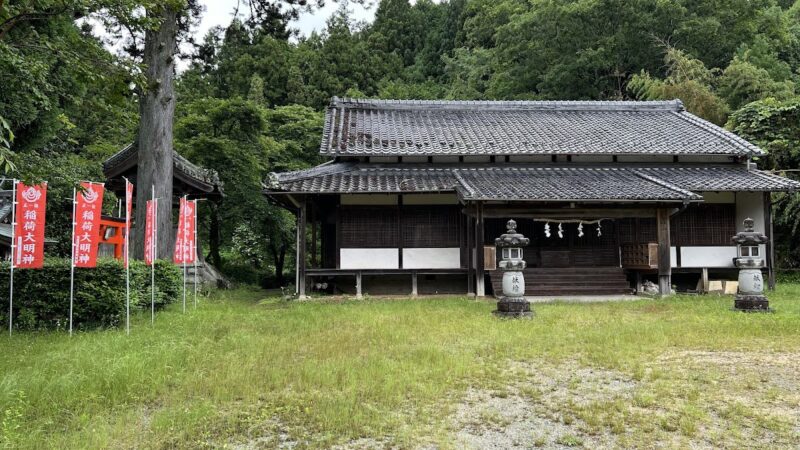
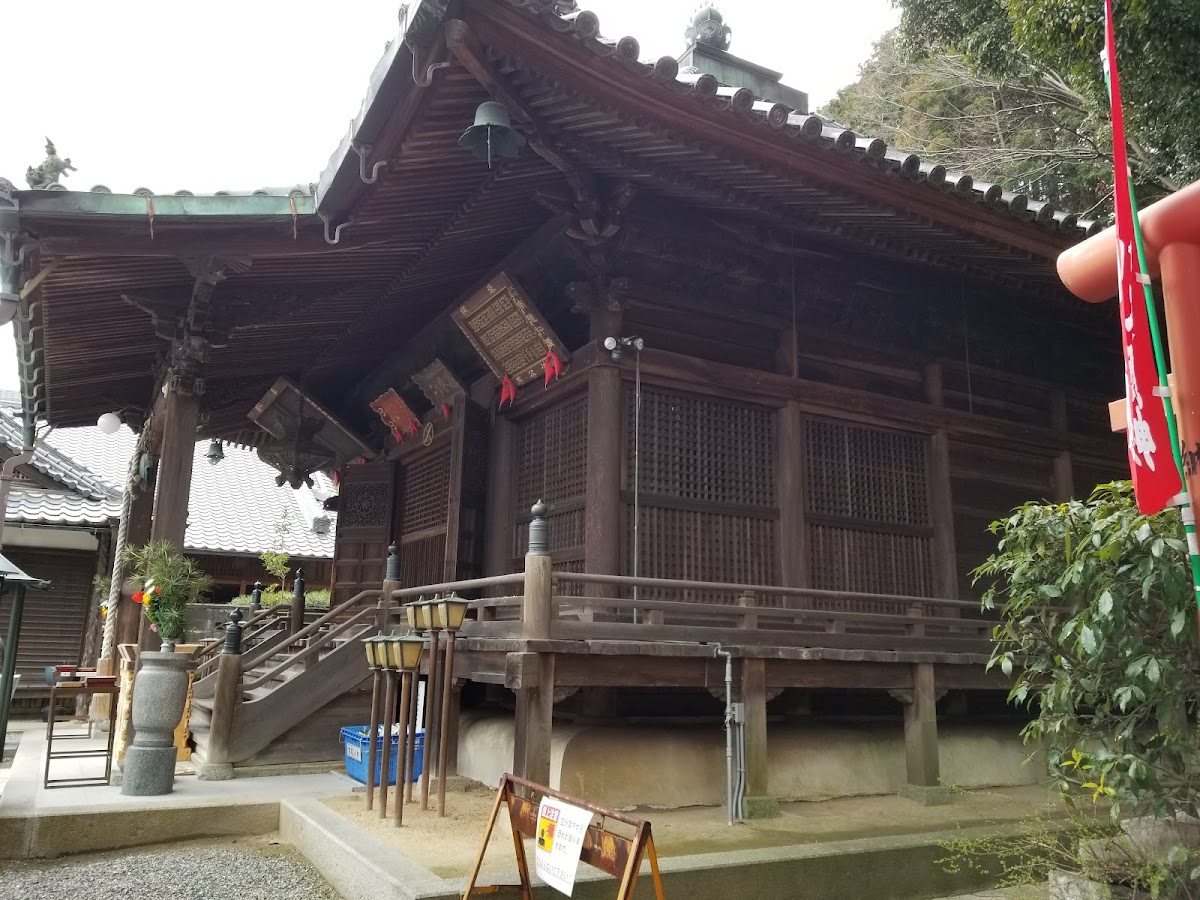
The main hall of Hokokuji Temple is the central building housing the principal image, Kokuzo Bosatsu (Akasagarbha Bodhisattva), and a statue of Kobo Daishi. It possesses a solemn atmosphere characteristic of Shingon Buddhist temples, allowing visitors to quietly offer their prayers.
Atmosphere of the Temple Grounds
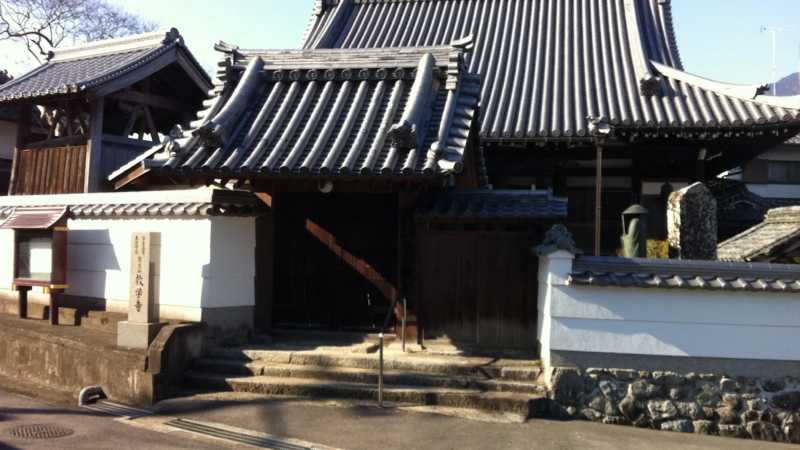
Despite being located in a residential area, the temple maintains a tranquil environment. The grounds are meticulously maintained, allowing visitors to experience the beauty of nature throughout the seasons. The scenery is particularly beautiful during the cherry blossom season in spring and the autumn foliage season.
Stone Buddhas and Monuments
The temple grounds contain stone Buddhas and monuments that tell the story of its long history. These are valuable cultural assets that convey the history of local faith.
Access to Hokokuji Temple
Access by Train
Hokokuji Temple is accessible from several stations.
From Kintetsu Gose Line “Oshiumi Station”
- Distance: Approximately 0.5km
- Estimated Time: Approximately 6-8 minutes on foot
- Route: Exit the station and head northeast. After passing through the residential area, you will arrive at Hokokuji Temple.
The closest station is Oshiumi Station, which is within walking distance.
From Kintetsu Gose Line “Kintetsu Gose Station”
- Distance: Approximately 2.5km
- Estimated Time: Approximately 30 minutes on foot, approximately 7 minutes by taxi
- Bus: Nara Kotsu buses are available (may vary depending on the route).
It is also accessible from the central station of Gose City, but it is a bit further away.
From JR Wakayama Line “Tamate Station”
- Distance: Approximately 3km
- Estimated Time: Approximately 40 minutes on foot, approximately 10 minutes by taxi
If using the JR line, Tamate Station is the closest, but due to the distance, taking a taxi is recommended.
From Kintetsu Yoshino Line “Kuzu Station”
- Distance: Approximately 3.5km
- Estimated Time: Approximately 10 minutes by taxi
Access is also possible from Kuzu Station, but taking a taxi is recommended here as well.
Access by Car
From Expressways
- Minami-Hanna Expressway “Katsuragi IC”: Approximately 10 minutes
- Nishi-Meihan Expressway “Kashiba IC”: Approximately 20 minutes
- Keinawa Expressway “Gosho IC”: Approximately 10 minutes
Parking
There is parking space at the temple, but the number of spaces is limited. During memorial services and events, the temple may be crowded, so please consider using public transportation.
Address and Navigation
When searching using a car navigation system or smartphone map app, please enter the following information:
- Address: 1 Muromachi, Gose City, Nara Prefecture
- Phone Number: 0745-62-3531
- Facility Name: Hokokuji Temple, Muro Daishi
Manners and Precautions for Visiting
Visiting Hours
Hokokuji Temple is a temple for temple parishioners and is not open all the time. Those wishing to visit are advised to confirm by phone in advance.
- Contact Information: 0745-62-3531
- Recommended Hours: 9:00 AM to 4:00 PM
Manners for Visiting
- Please be quiet and considerate of other visitors and nearby residents while on the temple grounds.
- Please take photographs only within permitted areas; refrain from photographing inside the main hall or of Buddha statues.
- Please offer your donation respectfully and bow with clasped hands.
- Please take all your trash with you.
Dress Code
There are no specific dress code requirements, but please dress appropriately and respectfully for a temple visit.
Nearby Tourist Attractions
When visiting Hokokuji Temple, you can also visit other tourist attractions around Gose City.
Katsuragi Ancient Road
The Katsuragi Ancient Road, which passes near Hokokuji Temple, is a hiking course where you can experience ancient history. You can enjoy walking while admiring ancient temples, shrines, and rural scenery.
Takakamo Shrine
This ancient shrine is considered the head shrine of all Kamo (or Kamo) shrines nationwide and is a representative tourist spot in Gose City. It is approximately a 15-minute drive from Hokokuji Temple.
Hitokotonushi Shrine
This shrine is revered for granting even a single wish. It is approximately a 10-minute drive from Hokokuji Temple.
Mount Katsuragi
Mount Katsuragi, at an altitude of 959m, is accessible by ropeway, and from the summit you can enjoy a spectacular view stretching from the Osaka Plain to Osaka Bay. It is particularly famous for its azaleas in spring.
Perpetual Memorial Service and Cemetery Information
Hokokuji Temple also accepts consultations regarding perpetual memorial services and cemeteries.
About Perpetual Memorial Services
For those without successors or those worried about future grave maintenance, there is a perpetual memorial service system. Please contact the temple directly for details.
Cemeteries and Burial Grounds
Hokokuji Temple has a cemetery, and consultations regarding the acquisition of new burial plots are available. However, availability and conditions must be confirmed in advance.
Inquiries
For consultations regarding perpetual memorial services, cemeteries, and other memorial services, please contact the temple directly.
- Phone: 0745-62-3531
- Address: 1 Muromachi, Gose City, Nara Prefecture
History and Culture of Gose City
History from Ancient Times
Gose City is located in the southwestern part of the Nara Basin and is a region with a long history dating back to ancient times. It is the center of the Katsuragi region, which appears in the Kojiki and Nihon Shoki, and is also the land where the ancient Katsuragi clan wielded considerable power.
Sacred Site of Katsuragi Shugendo
The area centered around Mount Katsuragi is known as an important sacred site of Shugendo (mountain asceticism). The Katsuragi Shugendo, said to have been founded by En no Gyoja, was one of the two major centers of Shugendo, alongside the Omine Shugendo centered around Kinpusen-ji Temple.
Hokoku-ji Temple, while deeply intertwined with this Shugendo tradition, has supported local faith as a Shingon Esoteric Buddhism temple.
About the Koyasan Shingon Sect
The Koyasan Shingon Sect, to which Hokoku-ji Temple belongs, is the largest sect within the Shingon sect founded by Kobo Daishi Kukai.
Teachings of the Shingon Sect
The Shingon sect is a Buddhist sect centered on Esoteric Buddhism, preaching Sokushin Jobutsu (the ability to become a Buddha in this very body). It is characterized by esoteric Buddhist practices using mantras, mudras (hand gestures), and mandalas.
Relationship with Koyasan
The head temple of the Koyasan Shingon sect is Koyasan Kongobu-ji Temple in Wakayama Prefecture. With approximately 3,600 branch temples throughout Japan, Hokokuji Temple is one of them, maintaining a deep connection with Mount Koya.
Etiquette for Visiting a Temple
Buddhist Temple Visiting Etiquette
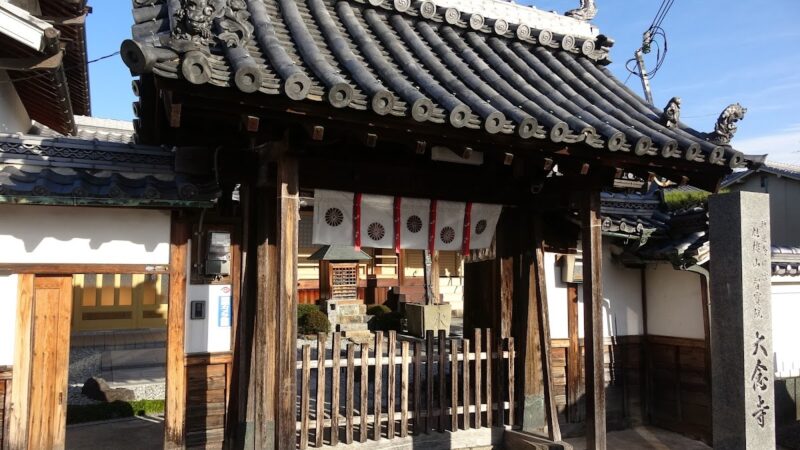
- Bow at the Temple Gate: Bow before entering the temple grounds.
- Water Purification: If there is a water basin, purify your hands and mouth.
- Worship at the Main Hall: Join your hands in prayer in front of the main hall and offer your prayers quietly.
- Offering a Coin: Quietly place your offering in the offering box.
- Bow Upon Exit: Turn around and bow as you leave the temple grounds.
Gassho in Shingon Buddhism
In Shingon Buddhism, the basic gesture is “gassho,” where you join both hands in front of your chest. Bring your fingers together and pray with sincerity.
Summary
Hokokuji Temple in Gose City, Nara Prefecture, is a historic temple that tells the story of two great religious figures: Kobo Daishi and En no Gyoja. Belonging to the Koyasan Shingon sect, it has been affectionately known as “Muro Daishi” by the local people and has maintained the flame of faith for over a thousand years.
The main hall, which enshrines Kokuzo Bosatsu and Kobo Daishi as its principal deities, the tranquil temple grounds, and the rich natural environment at the foot of Mt. Katsuragi offer peace of mind to visitors. It is an open temple that welcomes a variety of people, including worshippers seeking Goshuin (temple stamps), parishioners visiting for ancestral memorial services, and tourists enjoying historical exploration.
When visiting Gose City, be sure to visit Hokokuji Temple and experience the teachings of Kobo Daishi and the history of Katsuragi. The time spent praying in the serene temple grounds will be a precious experience that allows you to forget the hustle and bustle of everyday life.
It is recommended to call ahead to confirm and visit at an appropriate time. Let’s remember to show respect to the temple staff and observe proper etiquette when visiting.