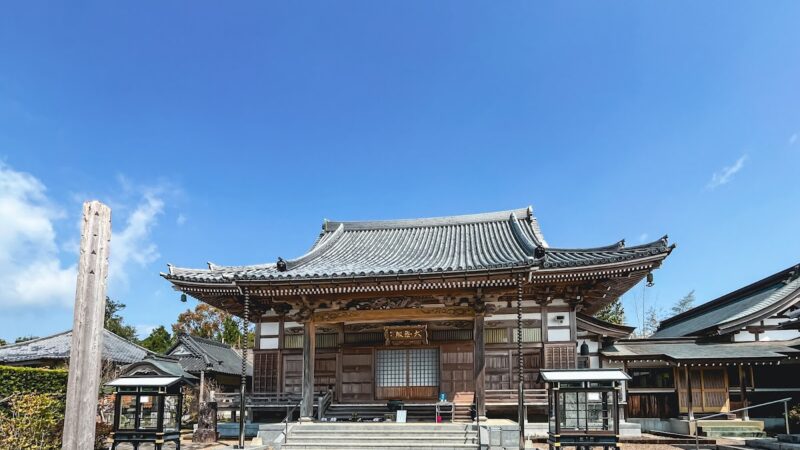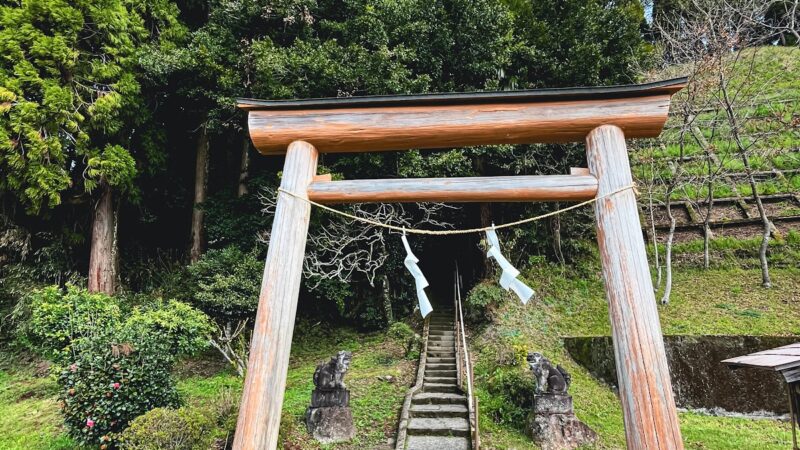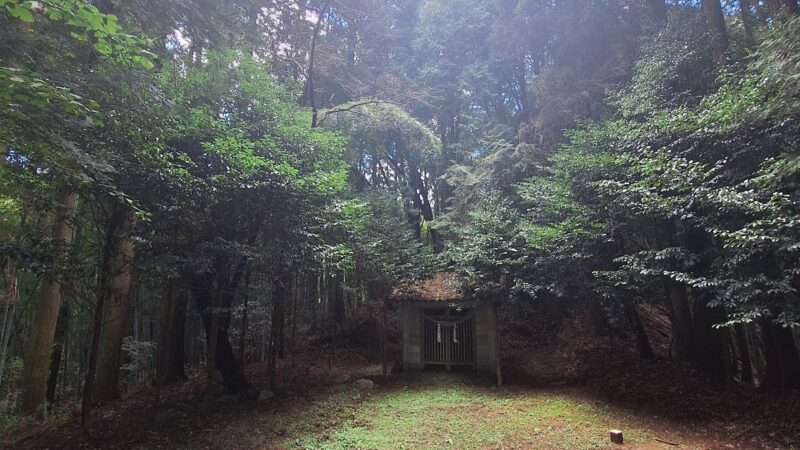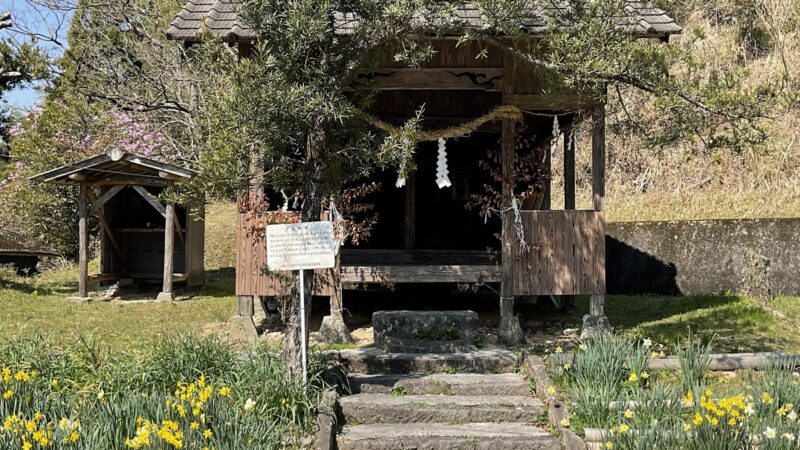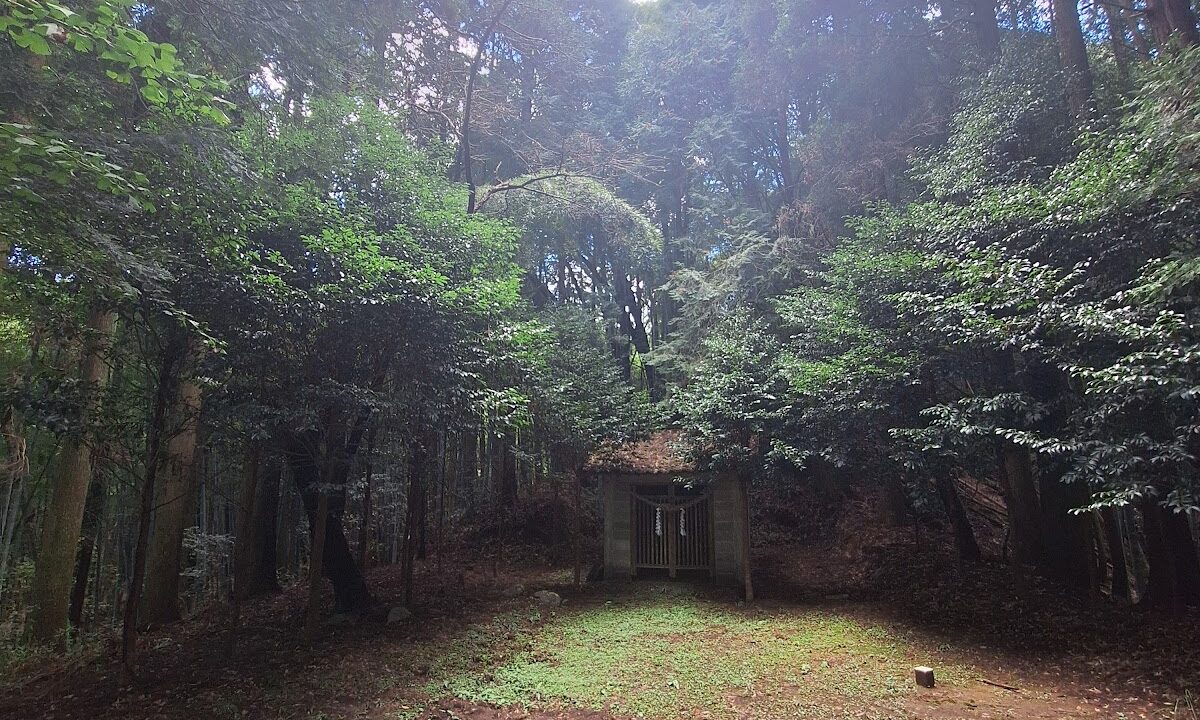
Complete Guide to Jōgū Shrine (Satsuma-cho, Satsuma-gun, Kagoshima Prefecture)
Jōgū Shrine, located in Hirakawa, Satsuma-cho, Satsuma-gun, Kagoshima Prefecture, is a shrine affectionately known locally as “Jōgudon.” It enshrines the gods appearing in the myth of the descent of the heavenly grandchild and continues to attract the faith of the local community. This article comprehensively introduces detailed information useful for visiting Jōgū Shrine, including its enshrined deities, history, annual festivals, and access methods.
Basic Information on Jōgū Shrine
Location
Jōgū Shrine is located at 3386 Hirakawa, Satsuma-cho, Satsuma-gun, Kagoshima Prefecture. Satsuma-cho is located in the inland region of northwestern Kagoshima Prefecture, and is a naturally rich area where the Sendai River, the largest river in southern Kyushu, flows through almost the center of the town. To the north stands Mount Shibio, rising to an elevation of 1,067 meters, and the total area covers 303.90 square kilometers.
The Hirakawa district is a naturally rich area within the town, known for its numerous fireflies that can be observed from May to June. Kamimiya Shrine is situated in a quiet location surrounded by this natural environment, offering peace of mind to visitors.
Shrine Name and Common Name
The official name is “Kamimiya Shrine (Jōgū Jinja),” but it is affectionately called “Jōgūdon (Jōgūdon)” by locals. This common name speaks to the deep-rooted faith in the community and is proof that it has been cherished by local residents for generations.
Former Shrine Rank
Kamimiya Shrine’s former shrine rank was “unranked.” While it was classified as an unranked shrine under the modern shrine ranking system of the Meiji era, this was merely an administrative classification and did not indicate the shrine’s value or importance. It continues to play an important role as a center of faith in the region.
Deities Enshrined
Kamimiya Shrine enshrines two deities who appear in the myth of the descent of the heavenly grandchild.
Ninigi-no-Mikoto
Ninigi-no-Mikoto is the grandson of Amaterasu-Omikami and holds an extremely important position in Japanese mythology as the main character in the descent of the heavenly grandchild. He is known as the god who descended from Takamagahara to Takachiho-no-Mine on earth and was sent to rule the land of Japan.
Kagoshima Prefecture, where Takachiho-no-Mine is located in the Kirishima mountain range and is considered the site of the descent of the heavenly grandchild, is a region where the worship of Ninigi-no-Mikoto is particularly strong. He is revered as the god of agriculture and national peace, and is believed to bestow blessings such as abundant harvests, family safety, and business prosperity.
Hikohodemi-no-Mikoto
Hikohodemi-no-Mikoto is the son of Ninigi-no-Mikoto and is known as “Yamasachihiko.” The story of him visiting the sea god’s palace, marrying Toyotama-hime, the sea god’s daughter, and retrieving his fishing hook is one of the most famous tales in Japanese mythology.
Hikohodemi-no-Mikoto is worshipped as a god who brings blessings from the sea and mountains, and as a god of family harmony and matchmaking. Enshrined alongside his father, Ninigi-no-Mikoto, the shrine symbolizes the lineage of the imperial family that has continued since the descent of the heavenly grandchild.
History and Origins of Kamimiya Shrine
While there are no clear records of the founding date of Kamimiya Shrine, local oral tradition indicates that it has been revered as the tutelary deity of the Hirakawa district since ancient times.
The Satsuma region has a deep connection to mythology since ancient times, and is particularly known for its strong devotion to the gods appearing in the myth of the descent of the heavenly grandchild. Within this tradition of faith, Kamimiya Shrine has functioned as a spiritual pillar of the community.
The name “Kamimiya” is thought to reflect the shrine’s location on high ground and its status as a shrine dedicated to revered deities. The local nickname, “Kamimiya-den,” reflects the deep reverence of the local residents.
During the Edo period, under the rule of the Satsuma Domain, it was maintained as a shrine that attracted the faith of the community. Even after the separation of Shinto and Buddhism in the Meiji era and the introduction of the modern shrine ranking system, it continues to attract the faith of the local people to this day.
Annual Festival and Rituals
Annual Festival Date
The annual festival of Kamimiya Shrine is held every year on December 5th. The annual festival is the most important annual event for the shrine, a Shinto ritual to express gratitude to the enshrined deities and pray for the peace and prosperity of the community.
The fact that the festival is held in December, at the end of the year, is thought to symbolize giving thanks for the year’s harvest and preparing for the new year. It is an important opportunity for local people to gather, express gratitude to the gods, and pray for a bountiful harvest in the coming year. ### Annual Festivals
Besides the annual festival, it is presumed that various festivals are held throughout the year at Kamimiya Shrine. Typical annual festivals at shrines include the New Year’s Day Festival (January 1st), Spring Festival, and Autumn Festival. However, for specific dates and details, it is recommended to check local information before visiting.
Access Information
Nearest Bus Stop and Public Transportation
The nearest bus stop to Kamimiya Shrine is “Mogano Bus Stop,” which is approximately a 6-minute walk (about 480 meters) from the bus stop to the shrine.
Within Satsuma Town, there are bus routes operated by Iwasaki Bus Network and Nangoku Kotsu, among others. However, since bus routes in rural areas often have limited service, it is strongly recommended to check the timetable in advance.
Access by Car
Access by car is the most convenient. Satsuma Town has well-maintained roads such as National Route 267 and Kagoshima Prefectural Road 50, making car travel the primary mode of transportation.
- From Kagoshima City: Approximately 1 hour 30 minutes via National Route 3 and National Route 267
- From Satsumasendai City: Approximately 40 minutes via National Route 267
- Access from Kyushu Expressway: Via National Route 267 from Kurino IC or Hitoyoshi IC
We recommend checking parking availability in advance. It is common for local shrines to have parking spaces for visitors on the grounds or nearby.
Address and Contact Information
- Address: 3386 Hirakawa, Satsuma-cho, Satsuma-gun, Kagoshima Prefecture 895-1807
- Jurisdiction: Kagoshima Prefectural Shrine Association
For detailed information and questions regarding visits, you can contact the Kagoshima Prefectural Shrine Association or the local Satsuma Town Hall.
About Satsuma Town
Overview of Satsuma Town
Satsuma Town is an inland town located in the northwestern part of Kagoshima Prefecture, bordering Satsumasendai City, Isa City, Izumi City, and others. Satsuma Town was formed in 2005 through the merger of three towns: Miyanojo, Tsuruta, and Satsuma.
The town covers an area of 303.90 square kilometers. Mount Shibio (1,067 meters above sea level) rises in the north, and the Sendai River, the largest river in southern Kyushu, flows through its center. Blessed with a rich natural environment, it is particularly known for its spectacular firefly displays from May to June.
Satsuma Town’s Sightseeing and Attractions
Besides Kamimiya Shrine, Satsuma Town has many other attractions:
Miyanojo Onsen: A representative hot spring resort in the town, known for its skin-beautifying properties. The spring water is of high quality, and numerous hot spring facilities are scattered throughout the area.
Shibio Shrine: An ancient shrine situated on the slopes of Mount Shibio, it is a popular destination for visitors, often in conjunction with Shibio Onsen.
Otsuru Lake and Tsuruta Dam: This artificial lake, formed by a dam on the Sendai River, offers beautiful scenery throughout the seasons.
Bamboo Grove: A lush bamboo grove stretches out, perfect for nature walks.
Specialty Products of Satsuma Town
Satsuma Town boasts an abundance of agricultural products nurtured by its rich land, with rice, meat, and vegetables being particularly famous. The clear waters of the Sendai River and fertile soil produce high-quality agricultural products.
Manners and Etiquette for Visiting Shrines
Etiquette for Visiting Shrines
By observing the basic etiquette for visiting shrines, you can have a more heartfelt visit:
- Bow Before Passing Through the Torii Gate: As a sign of respect before entering the sacred area, bow before the torii gate.
- How to Walk Along the Approach: The center of the approach is considered the path of the gods, so it is desirable to walk along the sides.
- Procedure for Washing Hands: If there is a water basin for washing hands, wash your left hand, then your right hand, and then your mouth.
- Worship at the Main Hall: The basic procedure is two bows, two claps, and one bow. Bow deeply twice, clap your hands twice, and finally bow deeply once.
Appropriate Attire for Visiting
No special attire is required, but modest clothing that reflects the sacred nature of the place is desirable. Since the shrine is located in a mountainous area, we recommend wearing comfortable clothing appropriate for the season and broken-in shoes.
Nearby Shrines and Temples
There are many other shrines and temples in Satsuma Town and the surrounding area. When visiting Kamimiya Shrine, visiting these other shrines as well will allow for a deeper religious experience.
Shio Shrine is particularly famous, preserving ancient faith amidst the sacred atmosphere of Mount Shio. A trip combining hot springs and shrine visits is also popular.
Living Information in Satsuma Town
Population and Number of Households
Satsuma Town’s population is approximately 20,000, and the number of households is around 9,000 (this fluctuates depending on the time of year). Amidst population decline and an aging society, the town is implementing various measures to encourage permanent residency.
Disaster Prevention and Administrative Services
Satsuma Town has established a disaster prevention radio system, creating a robust information transmission system during disasters. The town’s official website provides information on disaster prevention, events, and various administrative services.
Support for Relocation and Permanent Residency
With its rich natural environment, hot springs, and agricultural products, Satsuma Town is attracting attention as a place to relocate. The town implements support measures for relocation and permanent residency; details can be found at the town hall or on relocation information websites such as Tabisumu.
The Charm of Visiting Kamimiya Shrine
The greatest charm of Kamimiya Shrine is the opportunity to worship the deities associated with the myth of the descent of the heavenly grandchild in a tranquil natural setting. In a simple atmosphere unspoiled by tourism, you can experience the faith of the local people.
The surrounding environment, which displays different expressions in each season—from the firefly season from spring to early summer, to the beautiful greenery of early summer, the vibrant autumn foliage, and the tranquil winter—is one of its charms. Especially in December, when the annual festival is held, visitors can worship in a solemn atmosphere befitting the end of the year.
For those who wish to escape the hustle and bustle of the city and spend time quietly contemplating the gods, a visit to Kamimiya Shrine is highly recommended. It is a precious place where you can experience the region’s history and faith, as well as the rich natural beauty of Kagoshima, all at once.
Summary
Kamimiya Shrine is a shrine located in Hirakawa, Satsuma-cho, Satsuma-gun, Kagoshima Prefecture, dedicated to the gods of the Tenson Korin myth. It enshrines the important deities Ninigi-no-Mikoto and Hikohohodemi-no-Mikoto, and is affectionately known locally as “Kamimiya-no-Miya.”
The annual festival is held on December 5th every year, continuing to attract the faith of the local people. While access is most convenient by car, it’s also accessible by public transport, being about a 6-minute walk from the Momogano bus stop.
Satsuma Town is a region rich in nature, with many attractions including Miyanojo Onsen, Shio Shrine, and Otsuru Lake. Visiting these spots in conjunction with a visit to Kamimiya Shrine will make your trip to northern Kagoshima Prefecture even more fulfilling.
Spending time quietly praying at this place of faith, which has continued since the age of mythology, will be a precious experience that allows you to forget the hustle and bustle of everyday life.