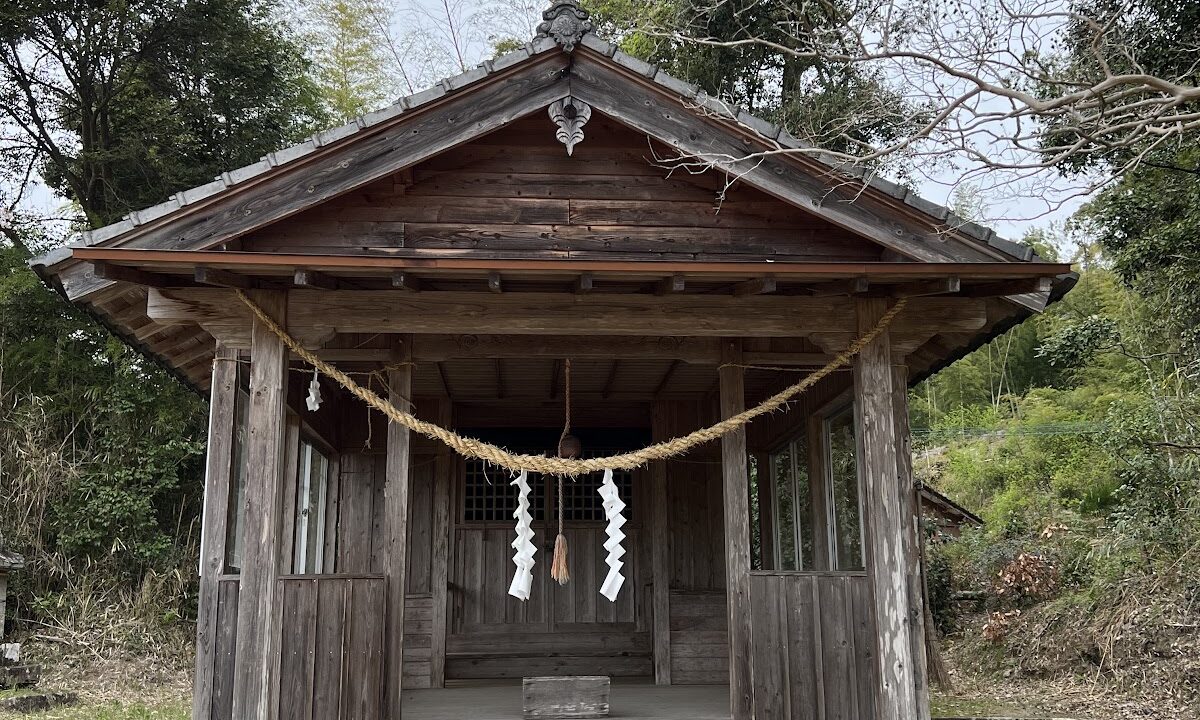
Hachiman Shrine (Torai, Satsuma-cho, Kagoshima Prefecture) Complete Guide | History, Access, and Festival Information
Hachiman Shrine, located in Torai, Satsuma-cho, Satsuma-gun, Kagoshima Prefecture, is an important shrine that conveys the history and culture of the region to the present day. This article provides detailed information useful for visitors, from the history of the shrine to its festivals and access methods.
Overview of Hachiman Shrine (Torai)
Hachiman Shrine is located in the Torai district of Satsuma-cho, Satsuma-gun, Kagoshima Prefecture, and has long been cherished as a center of faith for the local residents. The Torai district is located in the basin of the Sendai River and is a historical area surrounded by rich nature.
Location and Basic Information
Location: Torai, Satsuma-cho, Satsuma-gun, Kagoshima Prefecture
The Torai district is located northeast of Miyanojo, the center of Satsuma-cho, and is a quiet settlement along the Sendai River. The shrine is located in the center of the area and serves as a spiritual pillar for the local community.
History and Origins of Hachiman Shrine
Founding and Changes
While detailed records regarding the founding date of Hachiman Shrine are limited, it is believed to have developed in close connection with the settlement of the region. The Satsuma town area was under the control of the Satsuma Domain from the medieval to the early modern period, and local shrines were maintained under the protection of the domain.
The place name Torai is believed to have been derived from the topography and historical background, indicating that people have lived in this area since ancient times. Hachiman Shrine is a shrine that has walked hand in hand with the history of this region.
Characteristics of Hachiman Faith
Hachiman, whose principal deity is Emperor Ojin, is worshipped nationwide as a god of war and agriculture. Many Hachiman shrines exist in Kagoshima Prefecture, each revered as a guardian deity of its region.
Torai’s Hachiman Shrine also functioned as a place of prayer for abundant harvests, family safety, and protection from evil. In the agriculturally prosperous Torai district, the shrine was a place where various festivals were held throughout the year. ## Deities and Divine Virtues
Main Deities
The main deities enshrined at Hachiman Shrines are generally the following:
- Emperor Ōjin: The 15th Emperor, worshipped as Hachiman-sama
- Empress Jingū: Mother of Emperor Ōjin
- Hime Ōkami: Also known as one of the Munakata Three Goddesses
Divine Virtues
The main divine virtues that can be prayed for at Hachiman Shrines:
- Long-lasting military fortune and victory: Due to his nature as a god of war
- Family safety: Peace and health of the family
- Abundant harvest: As the guardian deity of agriculture
- Protection from misfortune and good fortune: To ward off disaster and invite good fortune
- Traffic safety: Prayers for safe travels
Annual Festivals and Traditional Events
Major Festivals
Hachiman Shrine holds various festivals throughout the year. These are important events in which residents participate while preserving local traditions.
Spring Festival
Held with the arrival of spring, the Spring Festival is an important event praying for a bountiful harvest and the prosperity of the community. It is held to coincide with the start of farming work, and local residents gather for the occasion.
Autumn Festival (Grand Festival)
The Autumn Festival, which expresses gratitude for the harvest, is one of the most important festivals of the year. Participants give thanks for the abundant harvest and pray for a good harvest in the following year.
New Year’s Visit and New Year’s Eve Events
Many local residents visit the shrine for their first shrine visit of the year. They give thanks for a safe year and pray for peace in the new year.
Local Traditions
The Torai district has its own unique culture and traditions, and Hachiman Shrine plays a central role in them. During festivals, local youth groups and women’s associations cooperate in preparations, creating a place for intergenerational exchange.
Highlights of the Shrine Grounds
Shrine Building
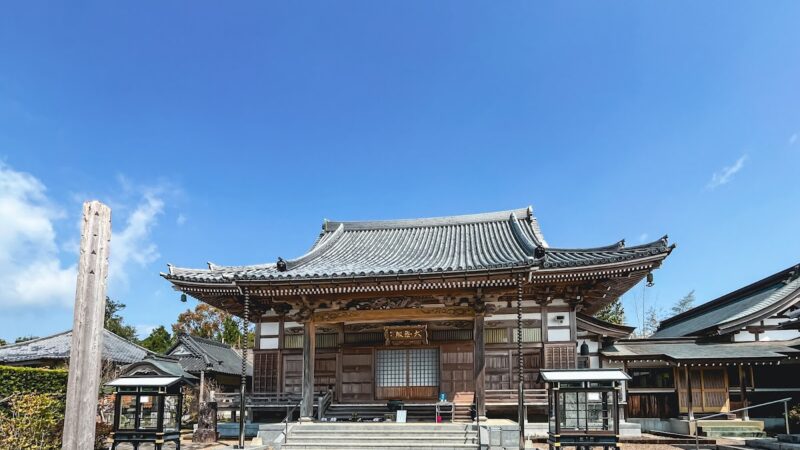
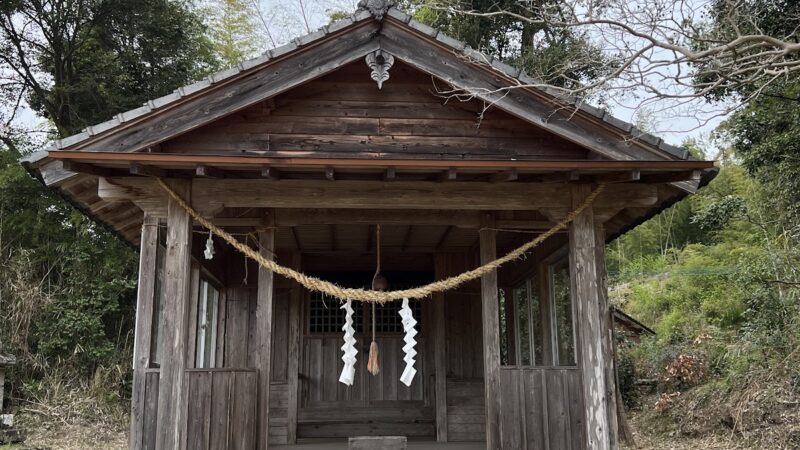
The Hachiman Shrine building, as the center of local faith, is properly maintained. The wooden architecture is suited to the local climate and environment, creating a simple yet solemn atmosphere.
Nature on the Shrine Grounds
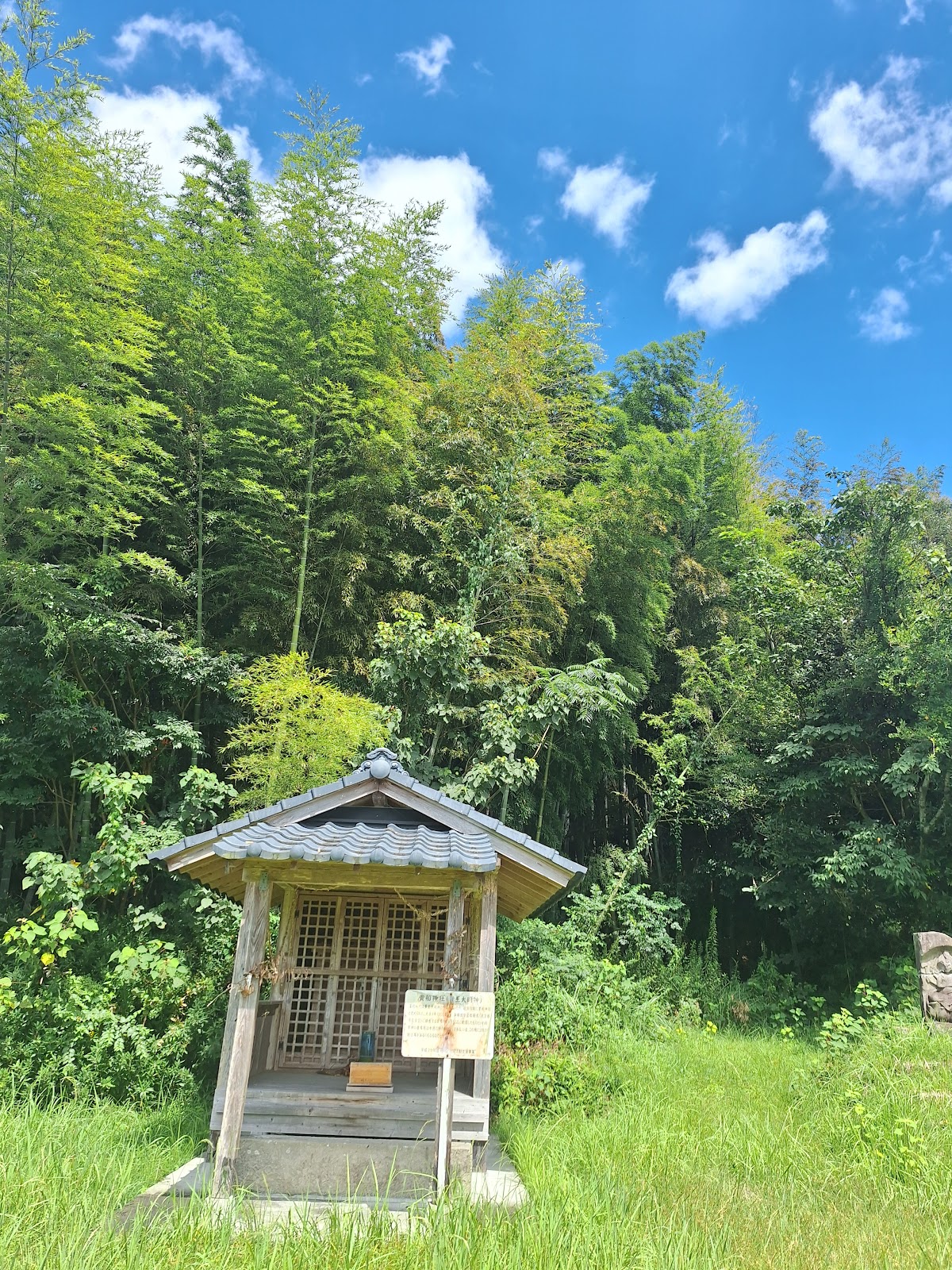
The shrine grounds are lush with trees that tell the story of its long history, allowing visitors to enjoy the beauty of nature throughout the seasons. The tranquil environment provides peace of mind to worshippers.
Stone Monuments and Memorials
Stone monuments and memorials that tell the history of the region are erected on the shrine grounds, serving as valuable resources for understanding the history of the Torai district.
Access Information
Access by Car
From Kagoshima City:
- Head north on National Route 328 towards Satsuma Town
- Approximately 15 minutes from Miyanojo city center via National Route 267
- Travel time: Approximately 1 hour 10 minutes to 1 hour 30 minutes from Kagoshima City
From Sendai:
- Head south on National Route 267
- Travel time: Approximately 30 minutes to 40 minutes
Parking
There is limited parking available around the shrine. During festivals, please follow local parking instructions.
Access by Public Transportation
By Bus:
- Nearest bus stop: “Torai Asahimachi” or “Satsuma Chuo High School”
- Approximately 5-10 minute walk from the bus stop
- Operated by Nangoku Kotsu buses (limited service, advance confirmation recommended)
Notes:
Public transportation is limited, so it is recommended to check the latest timetable before visiting.
Nearby Tourist Attractions
Sightseeing in Satsuma Town
When visiting Hachiman Shrine, consider exploring other tourist attractions in Satsuma Town.
Miyanojo Onsen
A hot spring resort located in the heart of Satsuma Town, offering high-quality spring water. Ideal for a visit after visiting the shrine.
Shibio Shrine
An ancient shrine situated at the foot of Mt. Shibio, and one of Satsuma Town’s representative shrines. Historically valuable shrine buildings remain.
Nature of the Kawauchi River
Along the Kawauchi River, which flows through the Torai area, you can enjoy beautiful natural scenery. The river’s landscape, which shows different expressions with each season, is a must-see.
Local Specialties
Satsuma Town is a region where agriculture is thriving, and fresh agricultural products are readily available. Rice, vegetables, and fruits are particularly famous. They can be purchased at local direct sales outlets and roadside stations.
Manners and Points for Visiting a Shrine
Basic Worship Etiquette
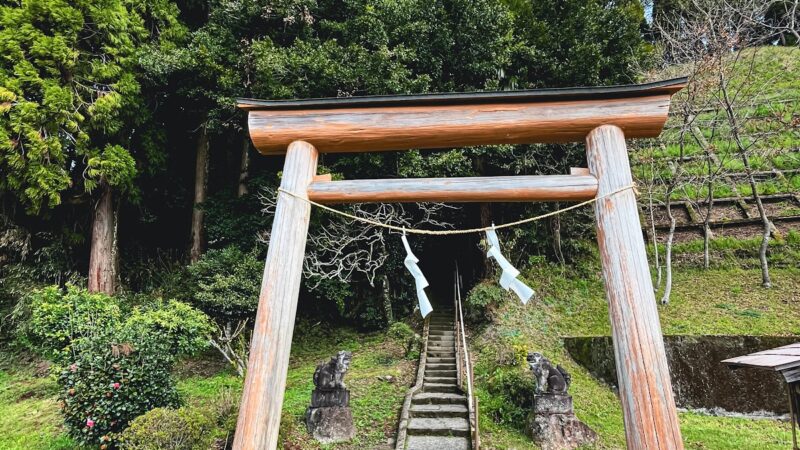
- Bow before passing through the torii gate: This is a courtesy before entering the sacred area.
- Purify yourself at the water basin: Purify your left hand, right hand, and mouth in that order.
- Walk along the edge of the path: The center is considered the path of the gods.
- Etiquette at the main hall: Two bows, two claps, and one bow are the basics.
Attire for Visiting a Shrine
There are no specific regulations, but it is desirable to wear clothing that is appropriate for a sacred place. When participating in a festival, please dress somewhat formally.
Regarding Photography
Photography is generally permitted within the shrine grounds, but consideration is needed during festivals and religious ceremonies. If unsure, please check with shrine officials.
About the Torai District of Satsuma Town
Regional Characteristics
The Torai district is a rural area located in the Kawauchi River basin, characterized by its rich nature and tranquil environment. It is a region that has developed primarily through agriculture since ancient times, and strong community ties remain.
Regional History
Satsuma Town was formed in 2005 through the merger of Miyanojo Town, Tsuruta Town, and Satsuma Town. The Torai district belonged to the former Miyanojo Town and developed while benefiting from the blessings of the Kawauchi River.
In the Middle Ages, it was under the rule of the Shimazu clan, and during the Satsuma Domain era, it was a region inhabited by local samurai and farmers. Since the Meiji era, it has continued to develop as a region based on agriculture.
The Current Torai District
The current Torai district is undergoing modernization while preserving traditional agriculture. Despite facing the challenge of an aging population, the community strives to maintain its vitality through traditional events and local activities.
Various community activities are centered around the Torai District Community Center, and Hachiman Shrine is one of its important hubs.
The Relationship Between Hachiman Shrine and the Community
As the Center of the Community
Hachiman Shrine is not merely a religious facility; it plays a central role in the local community. During festivals, local residents gather, creating a place for intergenerational exchange.
Passing on Tradition
Amidst a declining birthrate and aging population, passing on local traditions and culture to the next generation is a crucial issue. The festivals and events at Hachiman Shrine provide valuable opportunities to preserve and pass on these traditions.
Pride of the Community
The shrine is a source of pride and identity for local residents. Carefully protecting the shrine is linked to preserving the history and culture of the region.
Requests and Precautions for Visitors
Cooperation for Environmental Preservation
- Please take all your trash with you.
- Please be careful not to damage the plants or facilities on the shrine grounds.
- Please be mindful of maintaining a quiet environment.
Consideration for the Community
The Torai area is also a residential area. Please be mindful of the following points when visiting:
- Avoid parking on the street and park in designated areas.
- Please drive slowly on residential streets.
- Please be careful not to make noise.
- Do not trespass on private property.
Participation in Festivals
If you wish to participate in local festivals, we recommend consulting with local residents or shrine officials in advance. While you will be warmly welcomed, it is important to respect local traditions.
Other Hachiman Shrines in Kagoshima Prefecture
There are many Hachiman shrines in Kagoshima Prefecture. Each has its own unique characteristics and is worth visiting.
Gamou Hachiman Shrine (Aira City)
This shrine is famous for its largest camphor tree in Japan, designated as a National Special Natural Monument. The giant tree, estimated to be over 1500 years old, is truly awe-inspiring.
Hakozaki Hachiman Shrine (Izumi City)
Known for having the largest bell in Japan, this shrine boasts a massive 5-ton bell that amazes visitors.
Koriyama Hachiman Shrine (Kagoshima City)
This shrine is famous for its graffiti in the shape of shochu (Japanese distilled spirit), and houses valuable historical materials from the Edo period.
Hioki Hachiman Shrine (Hioki City)
A prestigious shrine serving as the guardian deity of 52 shrines in Hioki. Its magnificent shrine building is impressive.
Visiting these Hachiman shrines is one way to enjoy sightseeing in Kagoshima.
Summary: The Charm of Hachiman Shrines (Torai)
The Hachiman Shrines in Torai, Satsuma Town, Kagoshima Prefecture, may not be flashy, but they are warm and deeply rooted in the local community. Protected by the local people throughout its long history, it continues to function as a center of faith.
When you visit, instead of simply viewing it as a tourist spot, you’ll have a deeper experience if you reflect on the region’s history, culture, and the lives of its people while you pray.
Enjoy a peaceful visit in this tranquil environment, appreciate the beautiful nature of the Sendai River basin, and discover the charm of the region. Hachiman Shrine in Torai, Satsuma Town, is one of Kagoshima’s hidden gems.
By experiencing the warm hospitality of the local people and their unwavering faith, you may rediscover something important that is being lost in modern society. Please do visit at least once.